
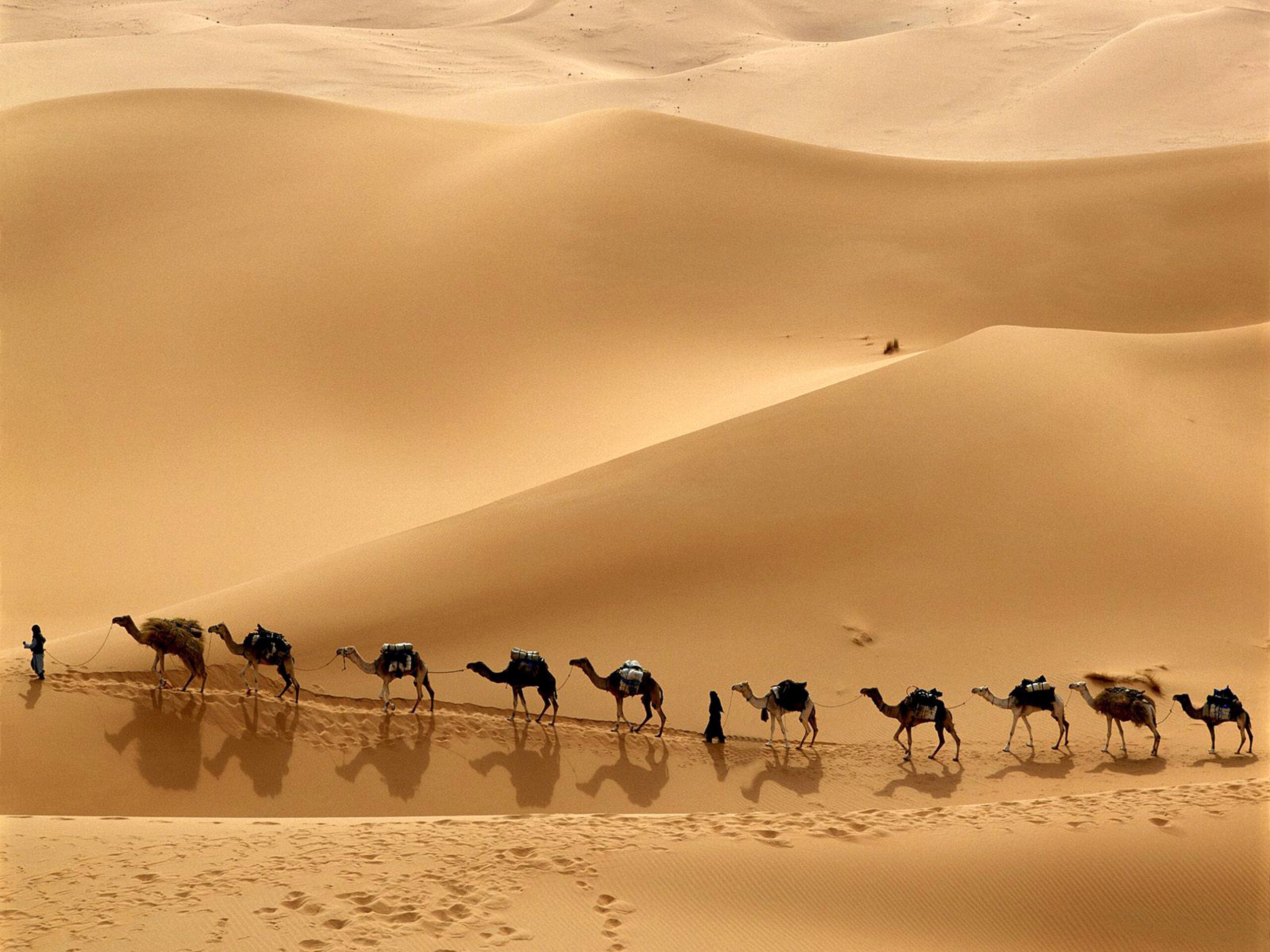
There has always been contact between Europeans and Asians since time immemorial. Omitting much earlier voyages, we recall that in 1271, the Venetian Marco Polo arrived in Cambaluc (Beijing) with his two uncles, Niccolò and Maffeo. The two older men returned to Venice, but Marco remained and for 17 years served as the ambassador of Kublai Khan. When he returned home in 1295, he recounted his adventures to a friend, who published his stories in Il Milione, a book describing the untold wealth of the distant East. The book not only stoked widespread curiosity about the Far East, but also challenged people to brave the dangers of uncharted lands and seas.
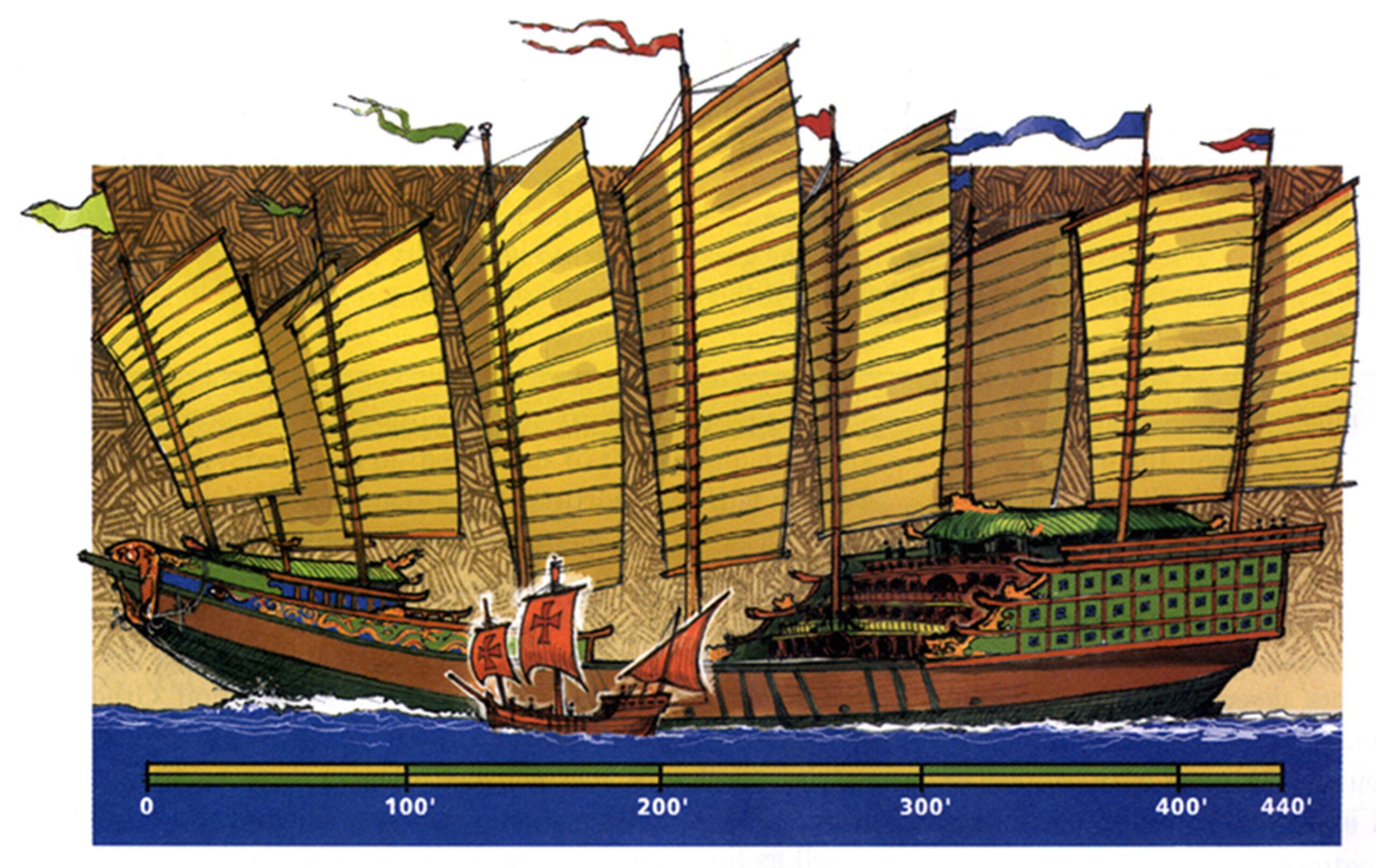
In 1498, the Portuguese Vasco da Gama sailed from Lisbon around the Cape of Good Hope in southern Africa – also called “Cabo Tormentoso” because of its strong winds and sudden storms – and reached Goa. Magellan, also a Portuguese but sailing under the Castillian flag, discovered the narrow body of water now named in his honor connecting the Atlantic and the Pacific, and he reached the Philippines in 1521.
But they were latecomers. Others had preceded them, and we know Magellan planned his route with maps Portuguese navigators had copied from even earlier Javanese mapmakers.
Voyagers and traders came to Asia for goods not found in their country: gems and precious stones, silk, mystery religions, but especially spices. Before the invention of electric refrigerators, the Europeans packed meat and fish in salt or ice to preserve them during winter. But salted fish, or frozen meat was tasteless and unpalatable. Spices were needed to flavor the food, and their widespread use raised their price in Europe; in the Netherlands, for example, as much as 100% more than in the land where they were grown. Besides, tired of their traditional “health food” of rye bread soaked in beer, they wanted something new or different. And voyagers died to obtain the produce, people we might perhaps call “martyrs of pepper.”
REASONABLE MEN
The Europeans also wanted soft and beautifully embroidered silk, because it was smooth on the skin, unlike wool, which was rough and smelly with human sweat. And, of course, Indian gems and exquisite jewelry were always popular.
To the surprise of the Europeans, the Asian countries were not only wealthy, but more highly cultured than their homelands. Pigafetta, Magellan’s chronicler, for example, was happily surprised that the first Filipinos they saw in 1521 “showed signs of joy because we arrived.” They were, he added, “homini di ragionne” (reasonable men). And, true to their word, they returned four days later, as they had promised – this particularly impressed Pigafetta – with more food for the new arrivals.
Neither could Pigafetta forget the royal etiquette during the welcome reception Chief Humabon of Cebu tendered in their honor a few days later. Fair-complexioned girls as tall as the Italians entertained them with dances accompanied by “pleasant music” played on agungs. They were lodged in rooms “like ours,” Pigafetta wrote. The Visayan youth made music with the subin, a bamboo instrument like the European fife.
THE END OF “EUROPEAN SUPERIORITY”
Pigafetta’s chronicle of his short stay in Cebu was one of the earliest reports that helped destroy the myth of European racial superiority. In fact, in exchange for Asian goods, what did the Europeans bring? Although it took years, the voyages to the various Asian peoples slowly taught the Europeans the equality of the human race and democracy. The advanced ways of acting and thinking in Asia convinced the Europeans that they were culturally and economically lagging behind the Asians. Today, we take for granted the doctrine of human equality, we condemn racial discrimination, and we promote justice, human rights, and democratic government.
The Europeans established a foothold in Asia only on sufferance and under conditions the local potentates imposed on them. They were limited to their coastal forts and factorías or trading centers, like Malacca, Macau, etc.
European presence was, however, a mixed blessing possible, though today we wrongly think that the more important elements of life came from Europe.
Now we speak of “pundit” (Sanskrit for “learned man”), or “nabob” (from the Hindi “nabobo” or “viceroy,” “government deputy”). We respect a “Mandarin” (an Asian word for “official”), or “raja” (Sanskrit for “ruler”). And, of course, we drink “tia” (Emuy for “tea”), prepare for a meal with “sagu” (Malay plant), use “añl” or “indigo” (“blue dye”) for textiles. People continue to chew “areca” (common tropical “addeka,” or beetle nut) to keep their teeth healthy and as an aid to digestion. Oil we produce from “copra” (dried coconut meat). And we are careful not to provoke an “amouco” (Malay for “amuck”) brandishing his “kris” (Asian dagger with a wavy blade) that could kill people. These words enriched the languages of the world – and of course, culture – though people are unaware of their Asian origin and take them for granted.
ASIAN DISCOVERIES
Like silk or spices, several gadgets and external aids to improve life came from Asia. The stirrup, needed for skillful horse riding, came from China. Invented in India, it revolutionized warfare, just as much as gunpowder from China. We know a favorite exercise for the European nobility was the medieval jousts and horseback riding to hone fighting skills. Likewise in the 12th century, the Europeans used several Chinese tools to lighten heavy work, like the traction trebuchet or catapult for throwing heavy stones (in due time, they became a war instrument), the magnetic needle for ships’ compasses, which certainly led to the voyages of discovery in the 14th and 15th centuries, and today’s paper, which revolutionized learning and culture. And the movable type printing press invented in 1450 by Hans Gensfleisch, better known as Gutenberg, was just an improvement on more ancient Chinese printing methods. We can also mention that the pointed arch and vault of Europe’s Gothic cathedrals were copied from Indian Buddhist temples before 1100 A. D. This architecture, naturally, presupposed knowledge of angles and geometric deigns to withstand the pressure from size combined with beauty.
Western mathematical sciences took a giant step forward when Latin translations of Arabic writings enabled European scholars to adopt the Hindu-Arabic numerical system. The Arabic decimal system which gives each number a value depending on its position, and a special cipher assigned to zero was known in India as early as the year 270 A. D. Scholars tell us that in 1202, Leonardo Fibonacci of Pisa wrote a book, Liber abaci, whose first chapter explained how any digit or number could be identified and assigned a value, using the nine integers and zero, singly or in combination.
A SHARING CULTURE
In the 1880s, a sudden squall marooned a Jesuit missionary on a coastal slope in Surigao in eastern Mindanao. At noon, his crew sat down to their noon meal. Then three Tagacaolos (people of the river-head or mountain top) appeared and, without waiting for an invitation, squatted to partake of the meal. At the end, they stood up just as nonchalantly, and walked away without saying a word of thanks. The missionary was puzzled. Later, he realized that in Philippine tribal society untouched by western customs, one always shared with others what he had. Today, we call it “charity,” but which western society now lives up to its demands? Have we lost its meaning?
By the 18th century, the European nations had imposed their rule on colonies around the world. In the golden age of Spain, people said the sun never set on any part of its colonies. After Spain, Great Britain controlled not only the Atlantic, but also islands across the Pacific. Impressed by this global canvas, a modern historian wrote a book, whose title is quite revealing, Asia in the Making of Europe. But, what happened to reverse the flow of civilization, and the West now controls the world?
THE ROLE OF WEAPONS
The discovery of oceanic routes practically ended land transportation to the powerful Asian empires and changed the fortunes of the Far East. The great Eastern Empires stagnated. Besides, dynastic fights and chronic wars of succession to the various thrones (of Turkey, Persia, India, and China) weakened central authority. In China, for example, Jesuit missionaries helped strengthen the throne for a while, and Tai Tsong, who ruled in 1627-1649, built China’s Great Wall. But this failed to stop the Manchu advance, and eventually, Ming China, weakened, fell to the Manchu hordes from the northern steppes. Necessarily, these internal wars required advanced military technology which came from Europe. Western technology thus led to the downfall of the Eastern empires.
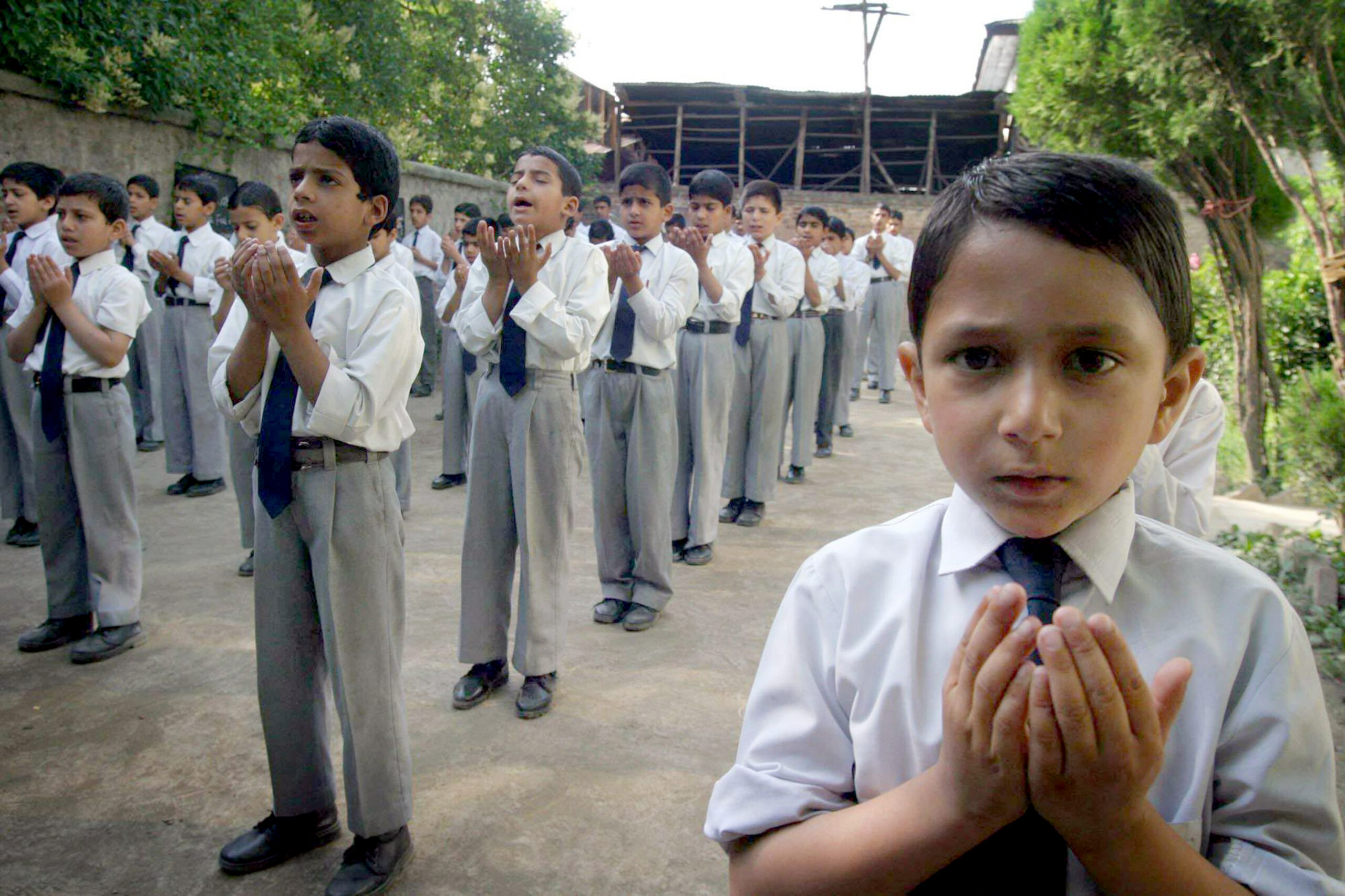
Some cultural historians add, however, that Asian mysticism was a big factor. Buddhist idealism, for example, teaches that material creation does not contain things of real or lasting value. Nirvana is the final state of beatitude. Through renunciation, self-discipline, insensitivity to one’s emotions, and the ideal is to be untouched by suffering, pain, and even one’s consciousness is best extinguished. It is the state of total oblivion to care, aches, or worries over external, trivial things. It is beatitude, the ideal waiting for whoever wants to pay for this pearl of great price.
In other words, why bother about external possessions or material prosperity, since these really do not count? Partly, we are told, this attitude had led to the construction of the famous age-old Great Wall of China, just mentioned, to shield “heaven’s realm” from outside contamination.
SPIRITUAL HUNGER
We may not blithely dismiss this opinion. Western material progress has left the human spirit empty and terribly hungry. And in their need for a fuller life, people today practice accepted Asian methods of prayer and meditation. Thomas Merton, the American Cistercian monk known for his books that have influenced millions of his readers, died in Bangkok. Though a deeply contemplative monk, he still felt unsatisfied, and he believed Asia would lead him to a much deeper life of prayer. And he came to the East hoping to satisfy his spiritual hunger. In God’s providence, we will never know what he found because he died not long after.
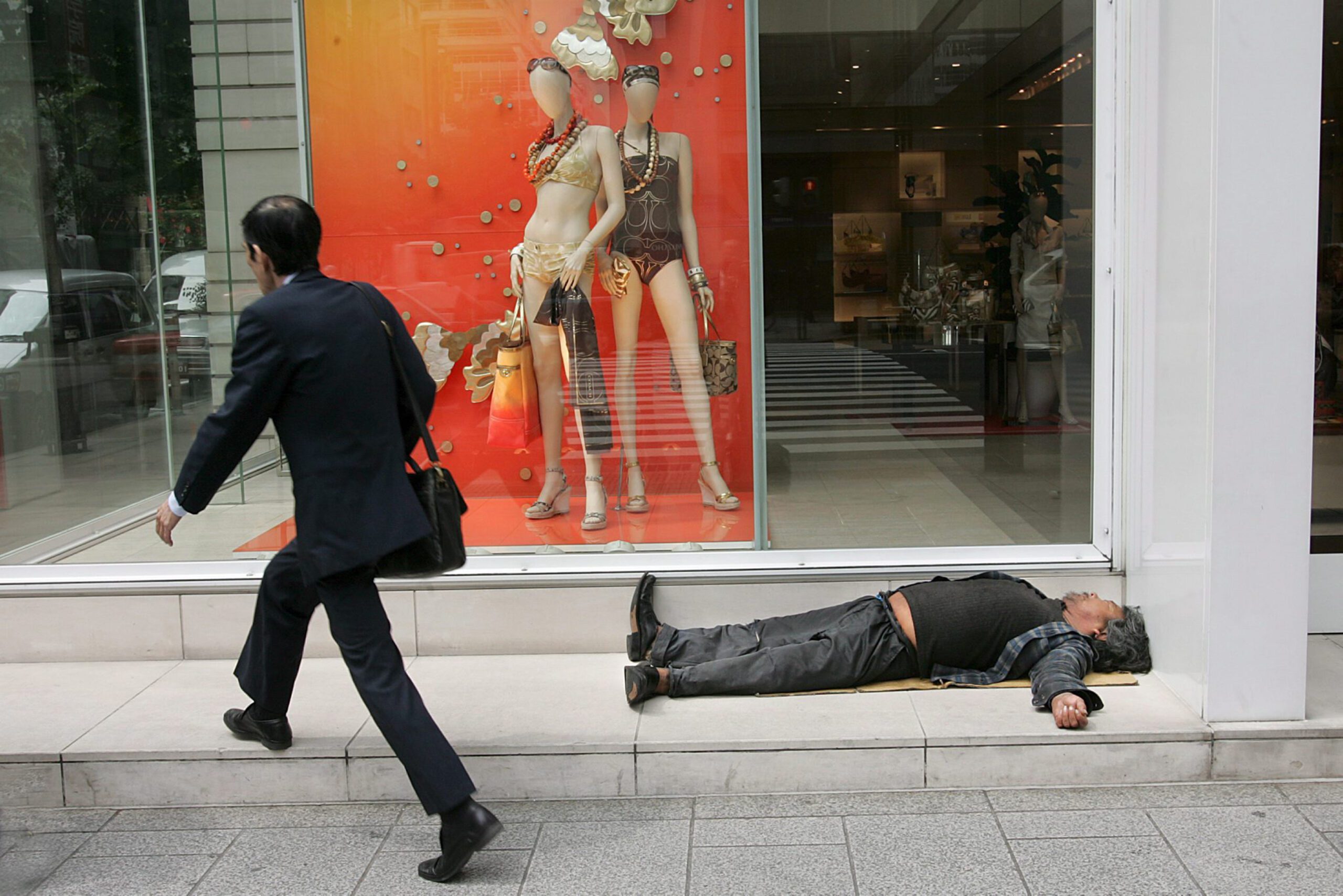
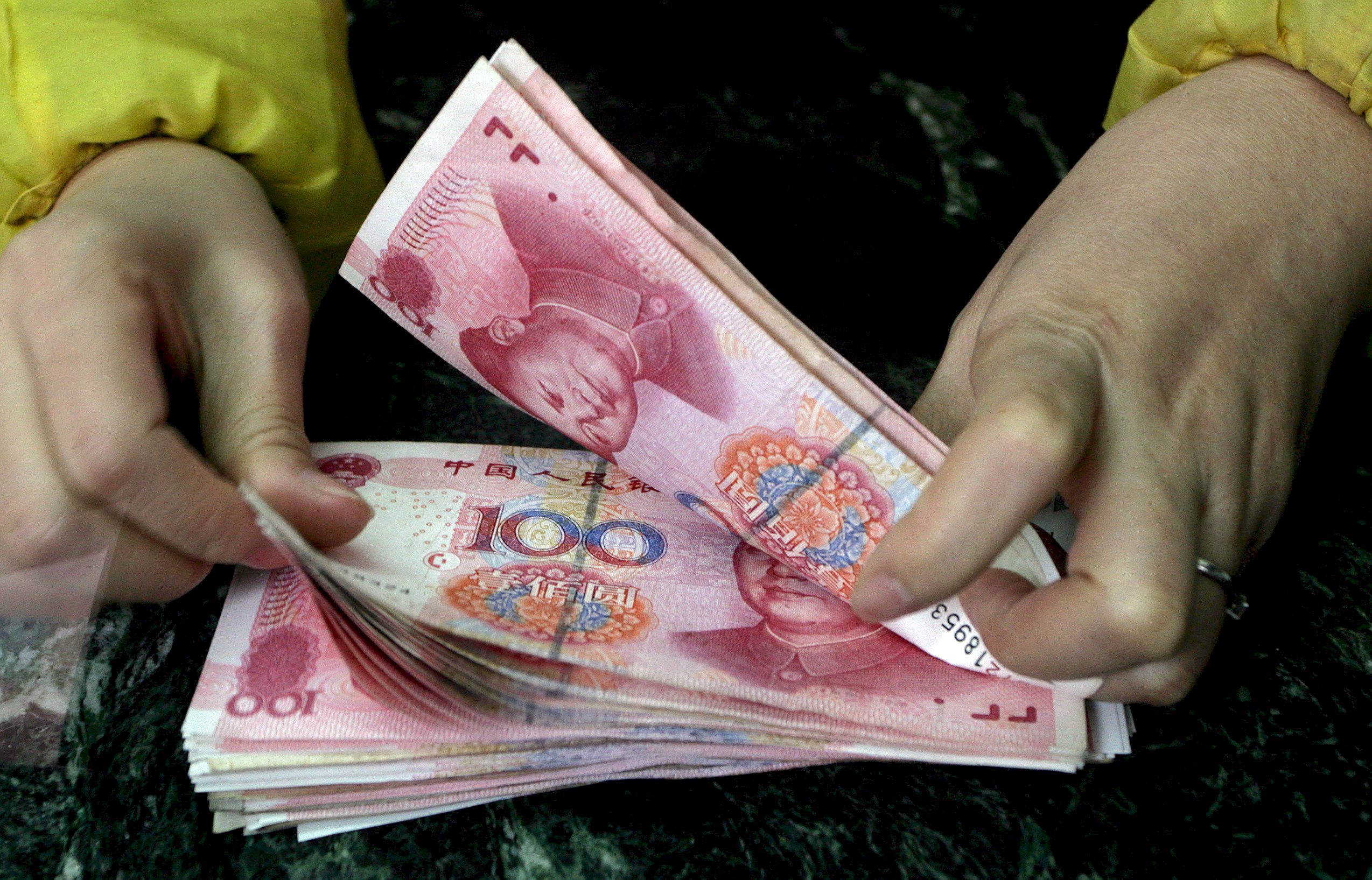
Today’s programs of globalization seek a more acceptable society through an exchange of material goods and riches. The plan, however, has left many questions, and people are wary of it, for it does not seem to alleviate worldwide material poverty – the poor remain as poor as ever, the rich become richer – and, of course, the accompanying spiritual hunger. Could the solution be another look into the meaning of wealth and poverty? Are not the truly rich those who can and are always willing to give, and the truly poor those who, though able, absolutely refuse to share things with others? Is something perhaps basically wrong?
GOODNESS IS IN THE HEART
The West does not have a monopoly of goodness, although it is only now that we know about the canonized Asian martyrs and saints. Asian believers in Christ have proven themselves to be as faithful and courageous as their western peers. In the face of threats to their life, they remained loyal to Christ. Hundreds of Christians in China, India, Japan, Korea, Philippines, Vietnam; priests, lay catechists, men and women, old and young, educated or otherwise, have chosen death, though given a chance to save themselves if they renounced their Christian faith. Not only Christians, but Hindus, Muslims, Chinese philosophers, who lived according to their spiritual vision, have proven for the world to see that true goodness is in the heart.
Someone pointed out that Christianity was born in what is now the modern state of Israel on the western edge of Asia. If so, the greatest treasure the world can enjoy is a gift from Asia.