
“Increasingly pessimistic outlooks for the US corn and Russian wheat crops this year have certainly driven prices up for both commodities, with maize reaching a record high in August following USDA’s (US Department of Agriculture) announcement that the maize crop was going to be even smaller than expected,” said Christopher Barrett, a professor in Applied Economics at Cornell University in the US.
The US, the world’s largest producer of maize, is expected to produce its smallest crop since 2006/07, USDA said in its August forecast. Prices for yellow maize, used mainly as feed for livestock, are already above US$300 per ton, and are now projected to exceed $350 per ton in the coming months and into 2013, USDA said. Maize prices climbed by 23% in July alone, according to the UN’s Food and Agriculture Organization (FAO). For the time being, FAO, does not believe this situation will push the world into yet another food crisis.
With maize supplies down and prices up, the USDA anticipates that demand for wheat will grow as a number of countries opt to replace maize with wheat to feed animals. In this scenario, the farm price (the value of the grain when it leaves the farm) of wheat is expected to go up to around $330 per ton, revised from around $271 – the highest price projected by USDA in July. During the food price crisis in 2007/08, wheat hit more than $400 per ton. Aid agencies, like Oxfam, point out that “the time of cheap food has long gone,” and many people are already living in crisis. “Without action, more millions of people are in danger of joining the billions who are already hungry,” said Oxfam spokesperson, Colin Roche.
Assessing the extent of the crisis:
– How deep in crisis? “We (FAO) are concerned, as the maize situation in the US has become much worse than what was anticipated,” said Abdolreza Abbassian, Secretary of the Intergovernmental Group on Grains (IGG) at FAO. FAO is monitoring the situation closely but, for the time being, does not believe this situation will push the world into yet another food crisis.” The USDA said: “Our August projections, in no way, suggest a US or world wheat supply and demand situation like that in 2007/08.” At the same time, Cornell University’s Barrett echoed the FAO, saying, “At this point, it seems unlikely that market price increases will have global hunger or poverty or social unrest impacts similar to those from 2007 to 08 or 2010 to 11.” Barrett lists some possible factors that could trigger the situation out of balance:
– Trade restrictions. “The crisis is not here yet,” said Shenggen Fan, Director of the International Food Policy Research Institute (IFPRI). “But if droughts in India, Russia and a couple of other major food producers become worse, we will see continued tightening of food supply. Trade restrictions by these countries will make the situation worse.” Barrett notes that “Ill-advised export bans by a major exporter” could cause wheat prices to jump. “Rice harvests and stocks on hand remain reasonably good, so those markets are calm. So long as those markets remain reasonably calm, we should avoid major social problems of the sort seen in 2008 and 2011.” The crises in 2007/08 and in 2010/11 were largely created by export bans. In the 2007/08 crisis, Brian Wright, professor in Agricultural and Resource Economics at the University of California, Berkeley, said grain supplies then were sufficient “to meet food demands without such great jumps in price, had exporters and importers not panicked,” leading to a cascade of export bans and taxes that cut off importers from their usual suppliers.
– Soybeans in the US. FAO’s Abbassian said if soybean production in the US were to be slashed even more, then we could be in trouble. Food experts were hoping that US soybeans, also a popular livestock feed, would withstand drought better than maize, and so ease some of the pressure on maize and, subsequently, wheat.
Reflecting on an anticipated increase in the demand for soybeans, the USDA revised its forecast for the price of soybean meal, used to feed animals, by almost $100 more per metric ton than its previous estimate in July.
Tighter soybean supplies will force the world to dip deeper into wheat reserves to feed animals, pushing up prices and squeezing supplies of wheat, the most widely consumed staple grain.
– Biofuel production. IFPRI’s Fan said the continued diversion of maize to ethanol production was putting pressure on global supplies. About 40% of US maize is used to make ethanol.
Fan pointed out that “if 40% is used for biofuel production, and one-third can be returned, we are still talking of about 28% net loss. The US is a large producer and a large exporter. This (ethanol production) is the single most important factor in pushing higher corn prices.”
– Futures trading. Following the last two food crises, many blamed higher price volatility on the significant increase in the volume of agricultural commodity futures traded on the Chicago Board of Trade. A futures contract is an agreement between two parties to exchange a specified quantity and quality of a commodity at a certain price on a certain date in the future, according to the IFPRI’s Hunger Index 2011.
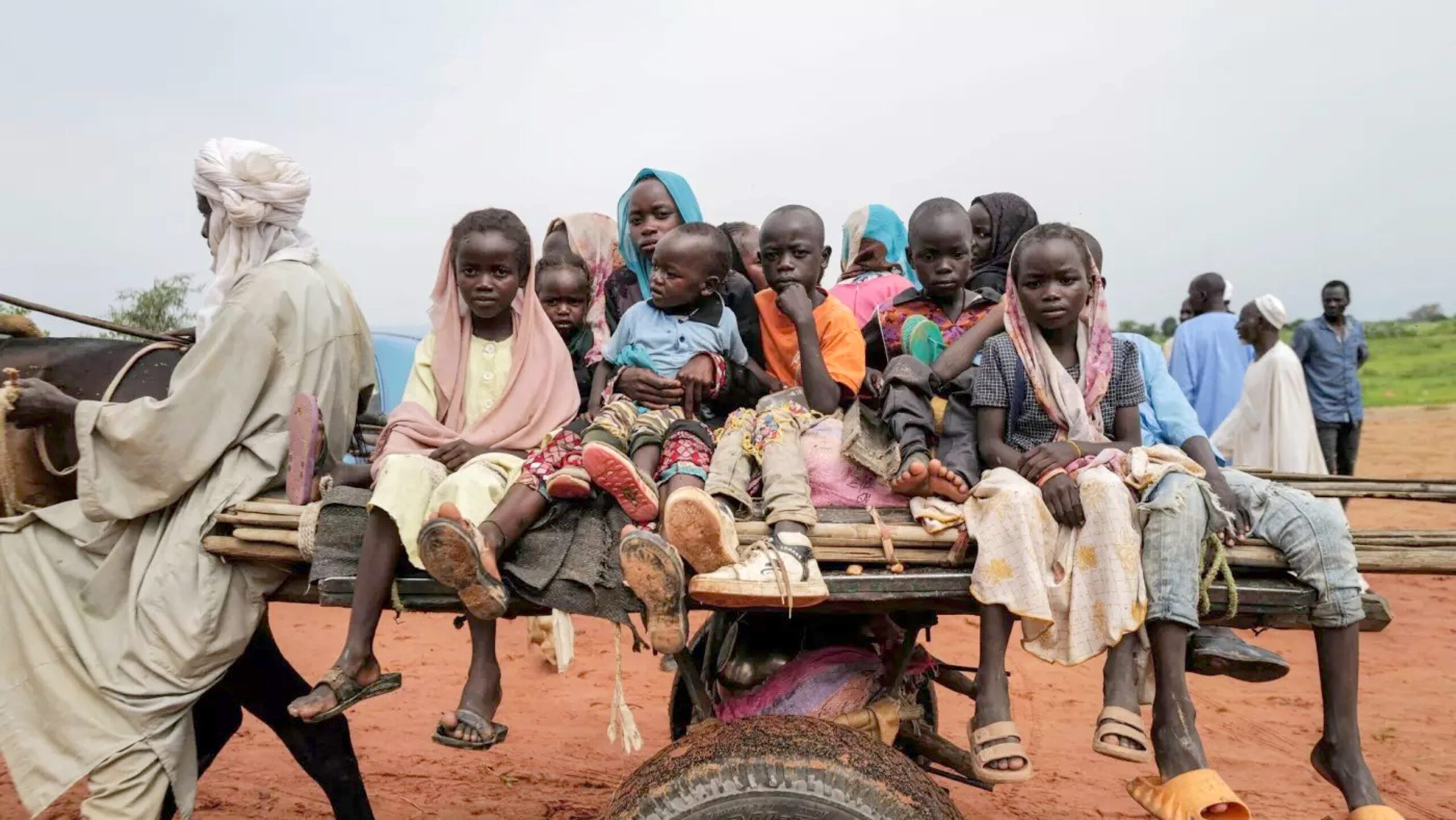
– Do the right thing. The next few months are going to be critical, with the livestock sector likely to feel the impact first, said Concepción Calpe, a senior economist at FAO, in August. The mostly poor pastoralists and small-scale farmers and producers in Africa are rarely able to feed their animals with grains, but those in Asia do. Calpe said countries needed to take preventive action like releasing stocks of grains in government reserves, if they hold some, to ensure the supply in their markets was adequate. “They should avoid resorting to price subsidies, except under programs that target the poorest, as high prices are needed to encourage farmers to plant more for the next season.”
The UN Children’s Fund (UNICEF) has urged that the structural causes of food insecurity be tackled. In a briefing paper, the agency said: “Policymakers should focus on a twin-track path that includes short-term emergency support, alongside longer-term development interventions that are focused on supporting consumption (reducing poverty, improving access to food, regulating food markets) and agricultural production.” www.irinnews.org