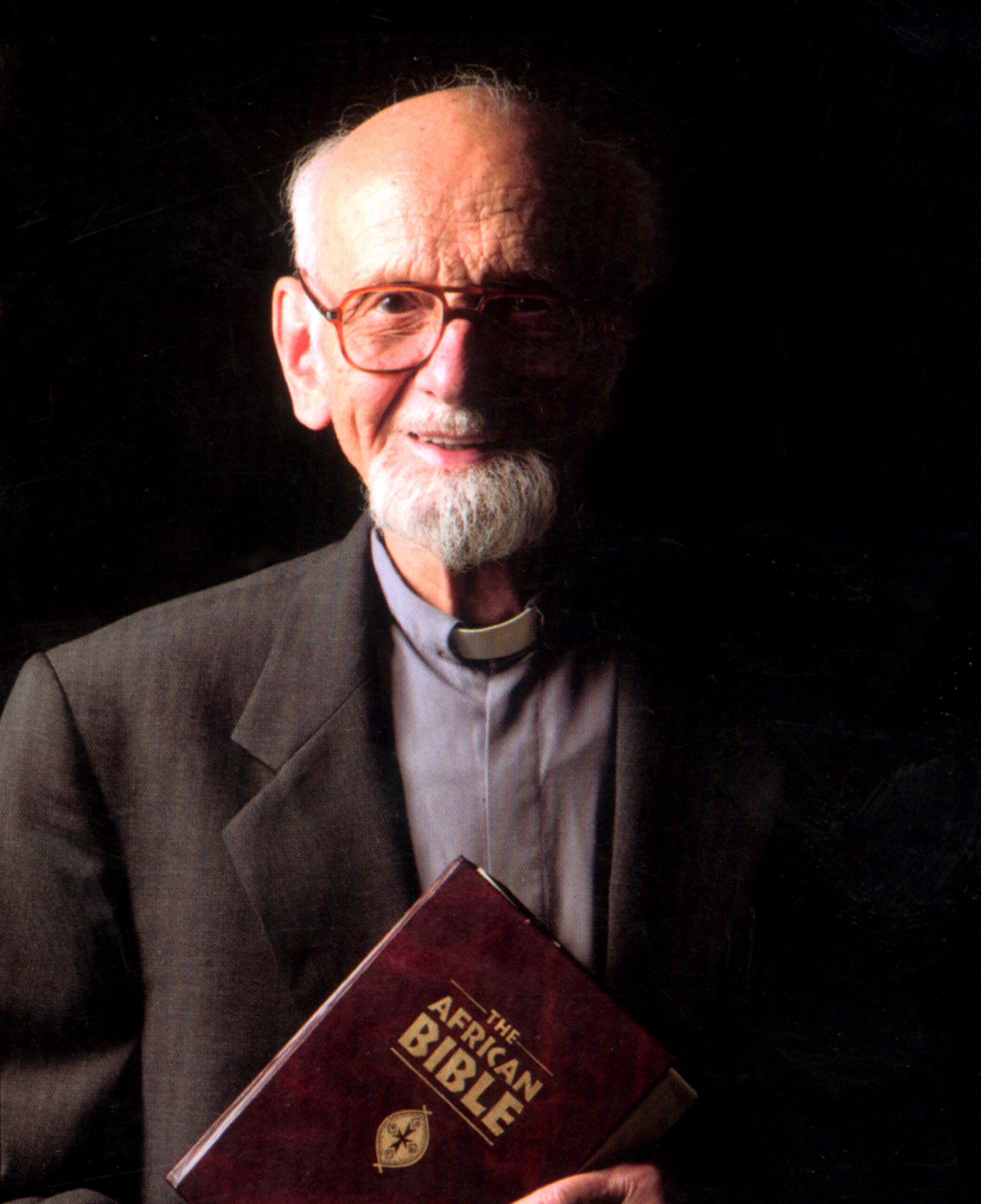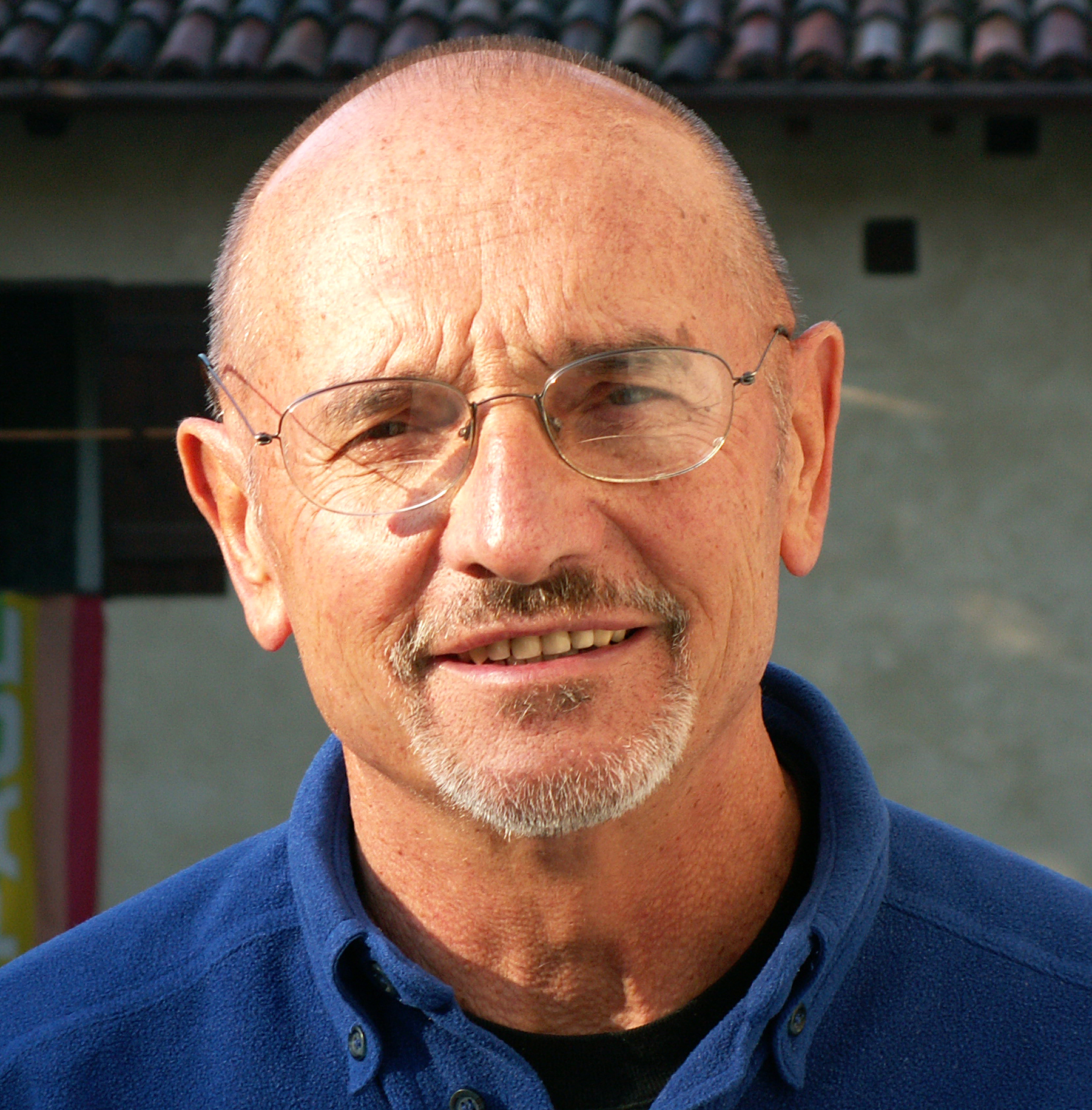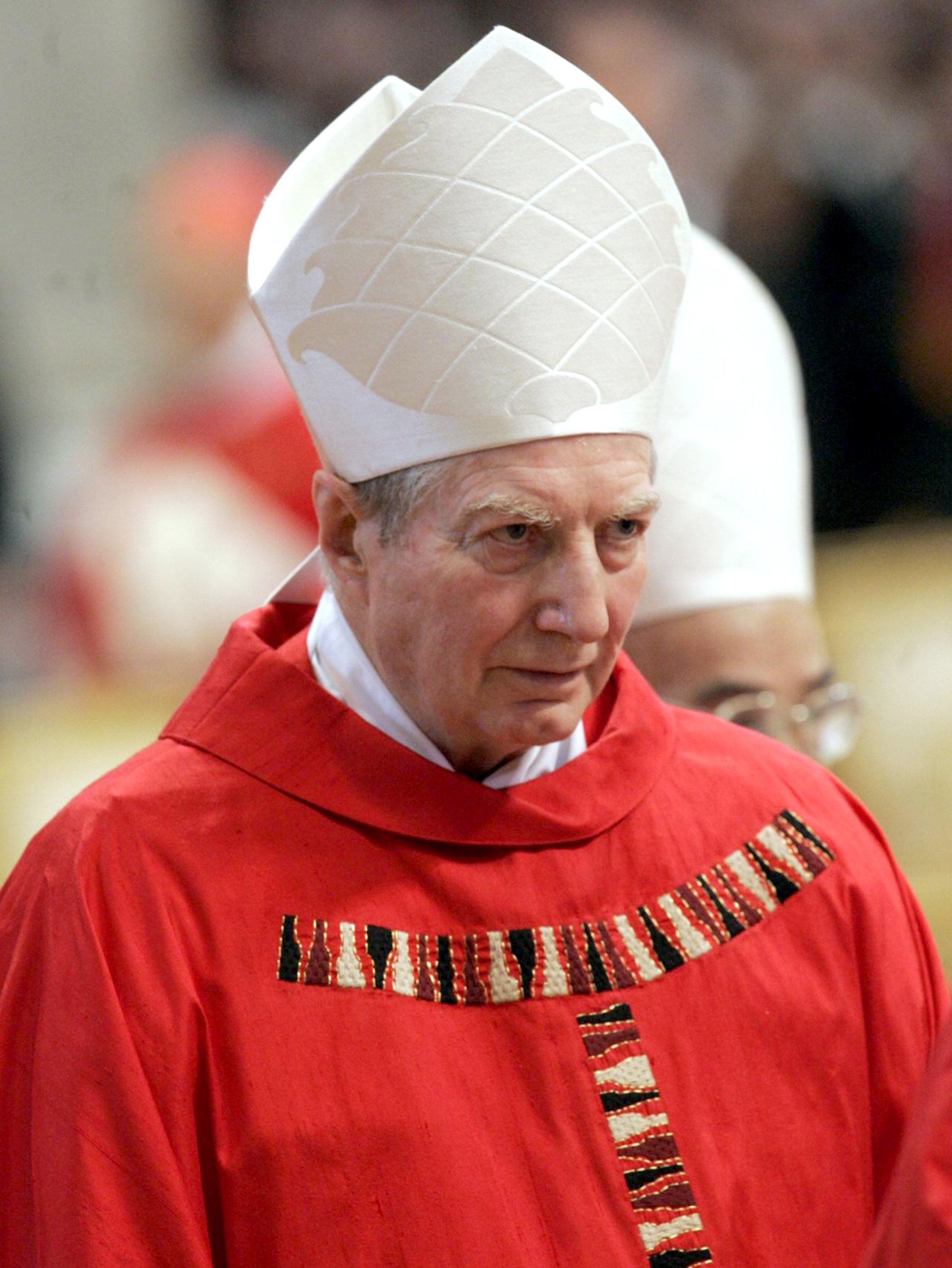
He was a giant, at every level. During his life, he was not only a renowned Scripture scholar and teacher, but also an inspiration for those who looked to him for direction and wisdom. With a number of published books, translated in many languages, he was also never afraid to address the most sensitive issues under his column in the Corriere dela Sera – – one of the more prestigious Italian newspapers – – that he kept until a few months ago. His writings were powerful and prophetic, without ever questioning the Church’s authority or unity.
In a moving eulogy, published in the Catholic London based The Tablet, the magazine’s correspondent in Rome, Robert Mickens, wrote: “During his 22 years as head of Europe’s largest diocese, Cardinal Martini emerged as perhaps the continent’s most respected church leader. In Italy, he was arguably the man Catholics most looked to for spiritual guidance and wisdom, even in an era when the Herculean personality that was Pope John Paul II commanded the world’s attention. On the international stage, Martini was an inspiration and hopeful figure for the so-called Vatican II and moderate-to-progressive Catholics at a time when the late Pope and more conservative cardinals worked to slow down the reforming spirit of the Council and effect an ongoing program of restoration. The Italian Jesuit showed more liberal Catholics a way to faithfully and creatively live with the Church’s more difficult teachings, especially in the realm of human sexuality and social justice, while remaining a forward-thinking. Had John Paul II died a decade earlier, or had Cardinal Martini been healthier at the last conclave, he may have been Bishop of Rome. Indeed, he remained a major candidate for the papacy at the 2005 election until he made it clear he was too ill for the task.”
To many, he was a lighthouse in a stormy sea. His style of caring and humble shepherd-servant dealing, together with his capacity to dialogue with people of every faith or of no faith at all, conquered countless hearts. His life was a magisterium of knowledge, wisdom, dialogue and love. Nothing describes better his charisma than an episode that Mickens reports in his article: “I hold dear a very vivid image of Cardinal Martini just a few months after the conclave that elected Benedict XVI. I was at an international congress in Rome to mark the fortieth anniversary of the Vatican II document on scripture, Dei Verbum. The event brought together more than 100 bishops, plus a few hundred biblical scholars and catechists – all people who were involved in making the Bible more accessible to people in the pews. I had gone to hear the great Jesuit cardinal, then 78, give a keynote address. And many others had, too. Cardinal Martini, dressed in a simple black suit with a grey clerical shirt, slowly made his way into the packed conference hall with the help of a cane. He looked even frailer than he did at the conclave. Immediately at the sight of this august and dignified figure, the audience erupted into a vigorous applause. And, before he even got to his place, people were giving him a standing ovation. I knew he had had a loyal following, but the enthusiastic response surprised even myself. It was as if the Pope himself had entered that room. And I remember thinking; this must have been on many people’s minds as well.” On the day after his death, the Corriere dela Sera published an interview conducted two weeks before. In it, he left a powerful, even if disturbing, warning: The Church is “200 years out of date and in need of a “radical transformation,” said the Cardinal. “The Church is tired,” Catholics lack confidence in the Church, he added. “Our culture has grown old, our churches are big and empty and the church bureaucracy rises up, our religious rites and the vestments we wear are pompous.” He singled out the Church’s teaching on marriage and divorce as an important issue the Church must face. “Unless the Church adopts a more generous attitude towards divorced persons, it will lose the allegiance of future generations,” the Cardinal noted. The question, he said, is not whether divorced couples can receive Holy Communion, but how the Church can help complex family situations. “A woman is abandoned by her husband and finds a new companion to look after her and her children. A second love succeeds. If this family is discriminated against, not just the mother will be cut off but also her children.” In this way “the Church loses the future generation,” Martini said.
“The child sex scandals oblige us to undertake a journey of transformation,” Martini said, referring to the child sex abuse that has plagued the Church for several decades. The advice he leaves behind to attack what he called “the tiredness of the Church,” is a “radical transformation, beginning with the Pope and his bishops.” Until the end, the love of the Church and of his brothers in Christ was his only worry. The universal Church joins the Italians in mourning for Cardinal Martini. (Edited by Manuel Giraldes) To know more: http://ncronline.org/blogs/ncr-today/translated-final-interview-martini#comment-377389