
The “interior” or inner life has always been an important element in Catholic spirituality. One classic text, The Three Ages of the Interior Life, by Dominican Fr. Reginald Garrigou-Lagrange, lays out in great detail the geography and dynamics of our interior spiritual life. The author presents the interior life as “the one thing necessary” referred to by Jesus when speaking with Martha and Mary. The author defines it as the life of the soul with God, the intimate conversation one has within oneself all through life. He describes the stages of the interior life, devised by St. John of the Cross and elaborated upon by Teresa of Avila, as the purgative, the illuminative, and unitive states.
St. Francis de Sales’ Introduction to the Devout Life, written in the 17th century, was still recommended when I was in high school seminary in the early 1960s, as was Tanqueray’s The Spiritual Life. The Imitation of Christ by Thomas à Kempis was another oft-read classic. Conformity to the life of Christ has always been an essential element of the Catholic interior life.
There is a long mystical tradition which honors personal religious experience and presents a dynamic in which one’s own personal experiences are taken to the life of Christ for validation, empowerment and direction.
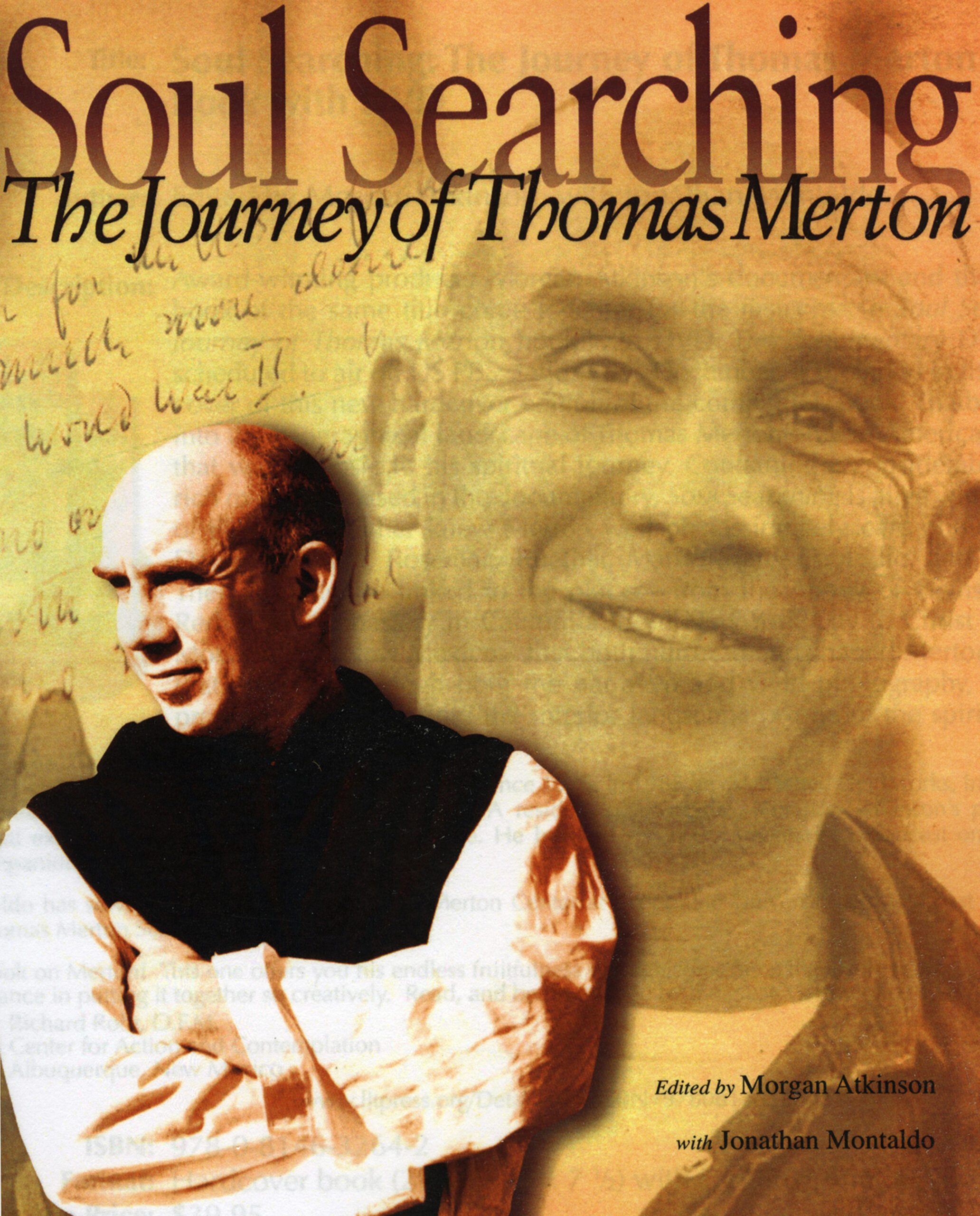
Part of Trappist monk and writer Thomas Merton’s enduring appeal is surely the presentation, in his writings, of a contemporary human soul struggling with the challenges of his time, yearning to live in God’s presence, constantly in touch with the illumination that is the life of Christ.
Merton’s works are reflective reports of the ongoing progress of a man with a deep and rich inner life. This man who was a hermit, yet still deeply involved in the woes and public policies of his time, takes our hand and invites us to walk along with him on his spiritual journey. As we read his journals, letters and essays, we find ourselves often musing: “Yes, he’s right. I need to do something about that in my own life, too.”
CHRIST’S LIFE IS THE TOUCHSTONE
Merton insisted that Christ’s life is the touchstone for our own inner lives. Merton reminded us that Jesus never retreated for long from the social and political problems of His day into a private nirvana. He lived among the poor and marginalized. He was human. He sweated, got sore feet and chapped lips. He laughed loudly, cried bitterly and loved deeply. He spoke truth to power to such an extent it brought Him a death sentence. Above all, He took His direction from His own human depths. Prayer and solitude were both the mainstays of and the compass for His spiritual life. In the end, He surrendered His life back to the Source of all life.
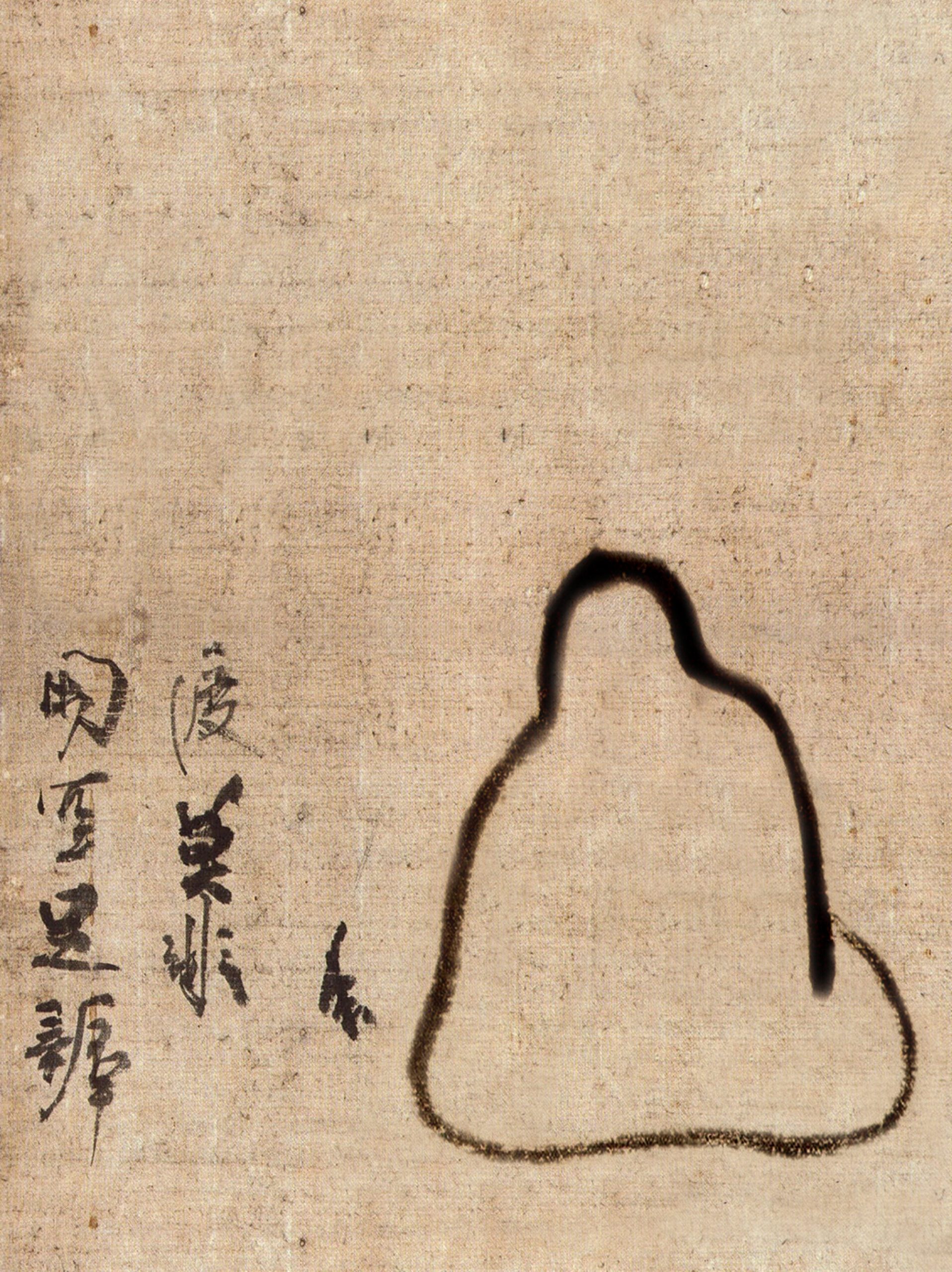
Jesus said: “The reign of God is within you” (Luke 17:21). We live in a time when there is much searching for that divinity at work within. Native American and Eastern spiritualities and those elements of our own Catholic tradition that can lead us to that indwelling God are immensely popular. Merton is a good model for balance in this approach. His starting point in the spiritual quest was always his own life experience, which he took to his own beloved Catholic tradition for illumination, critique, direction and validation. He stayed within his own tradition but looked to other traditions for enlightenment and insight, becoming greatly interested in, for example, Zen Buddhism. He had a solid connection with his own Catholic spirituality not in spite of a rich inner life, but because of it. “Christianity,” he wrote in his journal, “should make us more visibly human, passionately concerned with all the good that wants to grow in the world and cannot grow without our concern.”
CONTEMPLATION AND ACTION
Merton saw the interior life as primarily the tension between contemplation and action. The inner dynamics that come alive within each one of us and drive our spiritual searching, derive from the very nature of God, as we experience it. Catholic theology holds that God is both immanent and transcendent. This means that God, as immanent, is directly and personally present in our own being and is at work within us every day of our lives. This immanent presence is something we can detect in our lives, especially if we have developed our spiritual literacy, our capacity to read God between the lines. At the same time, God is transcendent, absent, different, a mystery completely beyond our understanding. Certainly this has been a part of our experience, as well.
Where these experiences of the two natures of God merge within our own way of living, there is our inner life. Deep within, our souls dance between the poles of knowing and unknowing. The spiritual conversation, the journey, the adventures begin and end right there and each and every one of us is a partaker. This is Merton’s message – and the message of our whole Catholic mystical tradition. www.ncronline.org