
When you look at the map of Asia, in Aid to the Church in Need’s Religious Freedom in the World Report, what stands out is the color. Almost every country is painted red, indicating it has been classified as suffering from “persecution,” or orange, indicating it has been classified as suffering from “discrimination.”
The only exceptions are Mongolia and South Korea, as well as the archipelagos of Malaysia, Japan, and the island nations of East Timor and Taiwan, with Lebanon, Bhutan, Cambodia, Indonesia, and the Philippines ranked as “under observation.”
Of course, Asia is composed of many different realities and is without a doubt the most religiously diverse of the continents, being the only one with very significant non-Christian or Muslim communities.
LEBANON
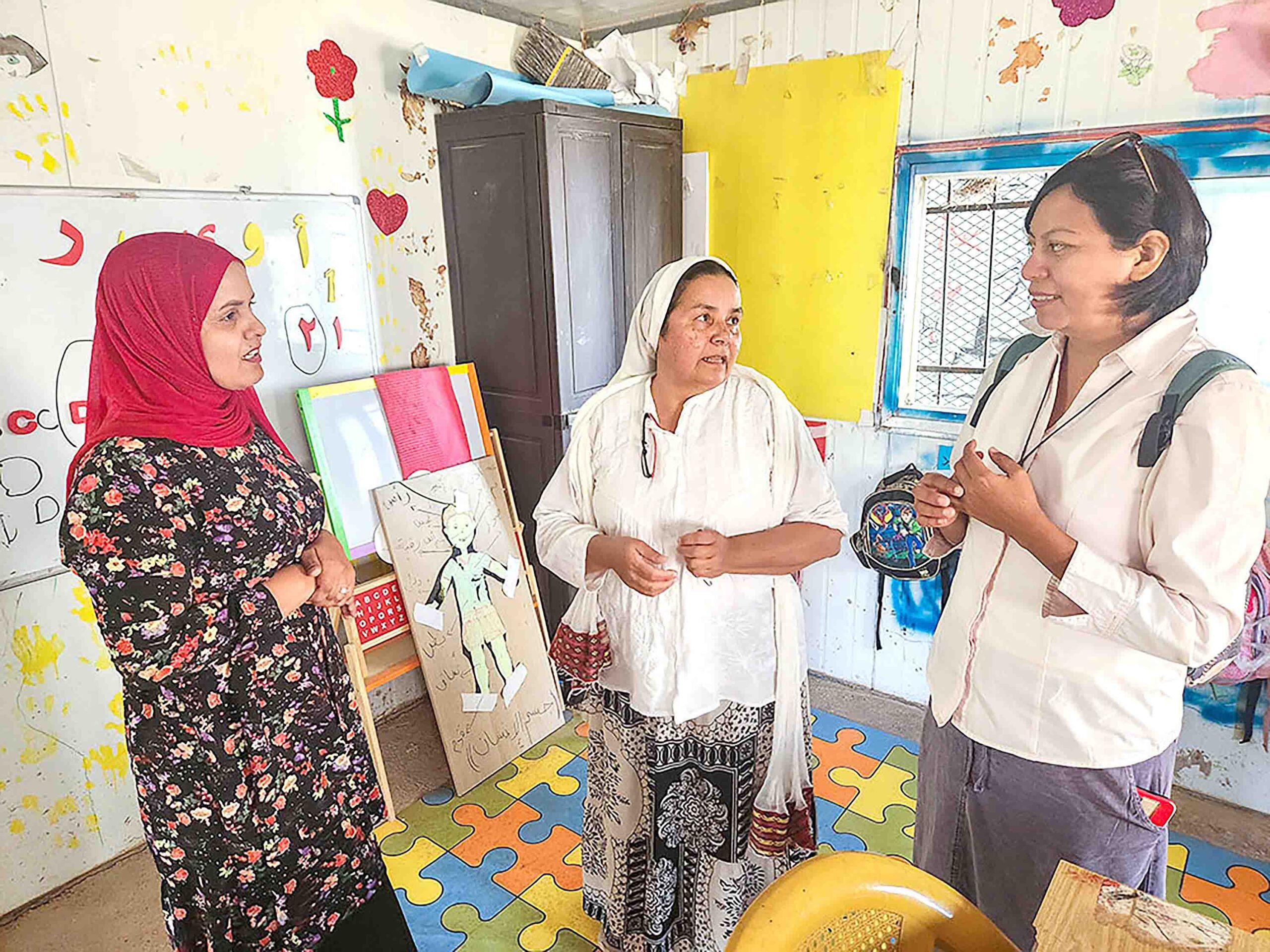
Looking more closely at the Middle East, Lebanon is the only country that stands out as not having serious issues with religious freedom. Israel, the only other non-Muslim country in the region has seen a worsening of social discrimination against Christians and Muslims both in Israel proper and in the Israeli occupied Palestinian territories, and significant parts of Palestine have problems also, though some of them are imposed by Israel.
Yemen and Syria have been embroiled in long-standing civil wars. In Yemen the situation has become untenable for non-Muslim communities, while in Syria large communities of Christians, Druze and Alawites remain, but have faced violence and discrimination.
Iraq has stabilized, after decades of conflict, but tension between Shia and Sunni Muslims, and discrimination against Christians and other minorities persist. Saudi Arabia and Iran seriously restrict activity by non-authorized religious groups, which in the case of Saudi Arabia means anything other than the state-sponsored Wahabi Islam.
Moving east, the former soviet states of Kazakhstan, Uzbekistan and Tajikistan all have authoritarian governments that exercise strict control of religious groups, with Turkmenistan as the worst example in terms of religious freedom. In these countries, though communism has officially ended, old Soviet habits have proven more resilient, and authorities are wary of any public social force that is beyond their control.
Afghanistan has seen its situation worsen since the US-led coalition left the country, leaving it to be occupied fully by the radical Islamist Taliban who do not tolerate any form of religion other than Islam and persecute non-Sunni Muslims.
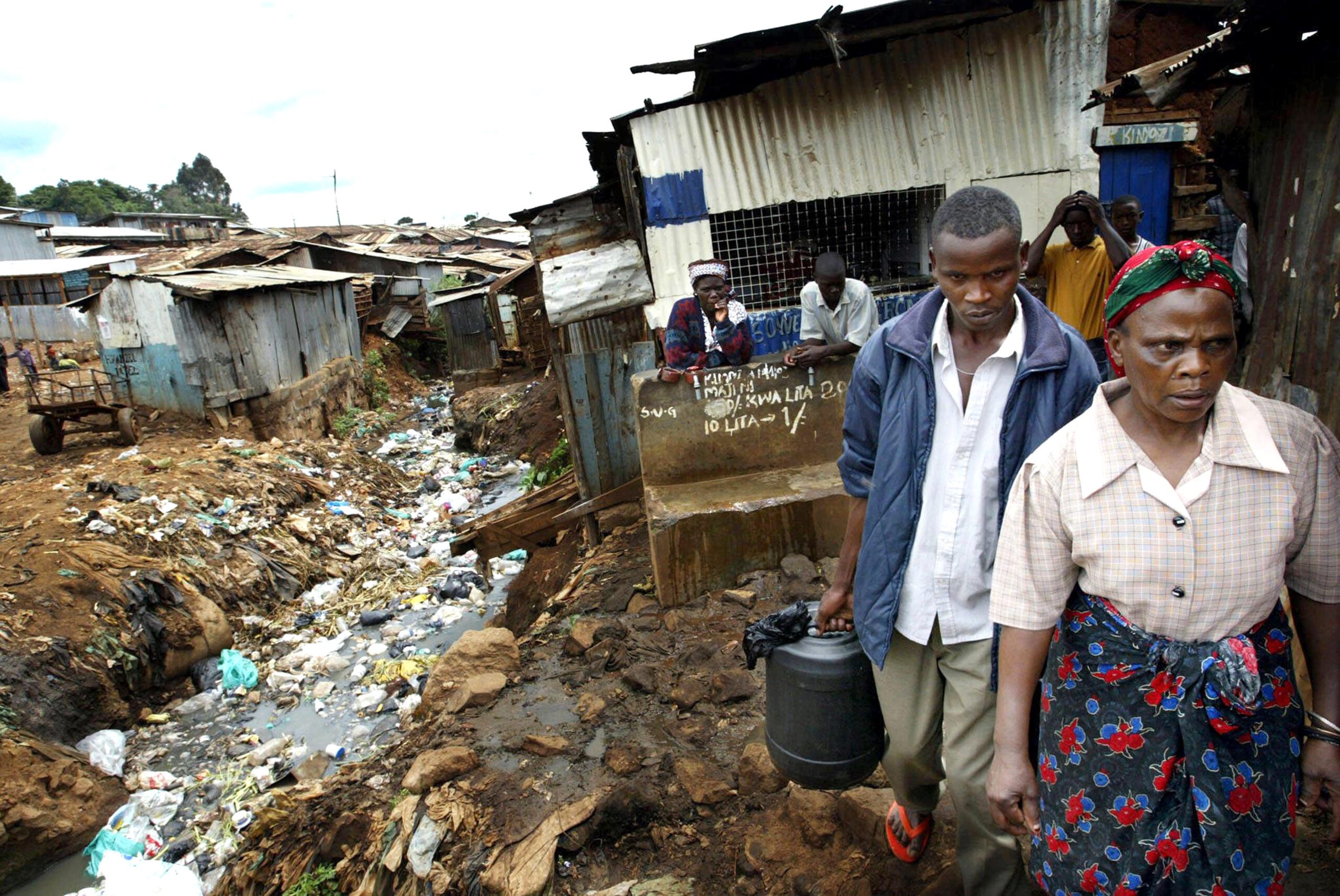
Pakistan and Bangladesh are two overwhelmingly Muslim, and densely populated countries where Christians and other non-Muslim groups are often subjected to discrimination. Both countries also suffer from acute political instability, which makes the upholding of legal guarantees more difficult. In Pakistan, Christians continue to face serious persecution not only in the form of attacks and physical aggression, but also in access to jobs and promotions. Some jobs, such as those involving direct contact with sewage, or cleaning, are advertised as being only for Christians. Young girls from minority religions are often victims of sexual harassment and even abduction, which sometimes ends in forced marriage and conversion to Islam, with the complicity of the authorities.
In Bangladesh, though Christians are subjected to less social discrimination, the general atmosphere of political turmoil leaves them exposed as a minority, and in 2025 there were attacks on Churches, though these fortunately did not cause any victims.
SECOND-CLASS CITIZENS
In many Asian countries the problems with religious freedom stem from the conflation of national and religious identity. Be it with Hindu nationalism in India, or Buddhism in Thailand and Sri Lanka, the result is that members of other religious groups are seen as second-class citizens, or somehow as foreigners in their own country, and discriminated against on that basis. These countries often employ “anti-conversion” laws which not only limit efforts at evangelization, but end up hindering the social outreach work of religious groups and serve as excuses for outright hostility.
In India several Christians have been assaulted or arrested following false accusations of conversion. Nepal appears on the Asian map as a small orange strip surrounded by red though anti-conversion laws and social discrimination of non-Hindus continue to be a cause of concern in the country.
In Myanmar the state’s promotion of Burmese-Buddhist identity not only causes social division with Christians and Muslims, but even among non-Burmese Buddhists. The country has been in a state of civil war for the past few years after the military seized power and many Christian and Muslim communities have been directly affected by the violence, with entire villages emptied, populations forced to flee and historic churches destroyed. The situation for Christians and Muslims is often aggravated by the fact that the religious divisions follow ethnic lines, which makes it easier for the majority Burmese military to target them as separatists or insurgents.
Of course, none of these countries are at the level of North Korea, which for decades has simply outlawed all forms of religion, except for a handful of state-controlled puppet churches in Pyongyang, which exist entirely for public relations reasons. For the rest of the nation, the mere possession of a Bible or of religious literature merits execution, according to a legal system which still imprisons people up to the third generation for political crimes.
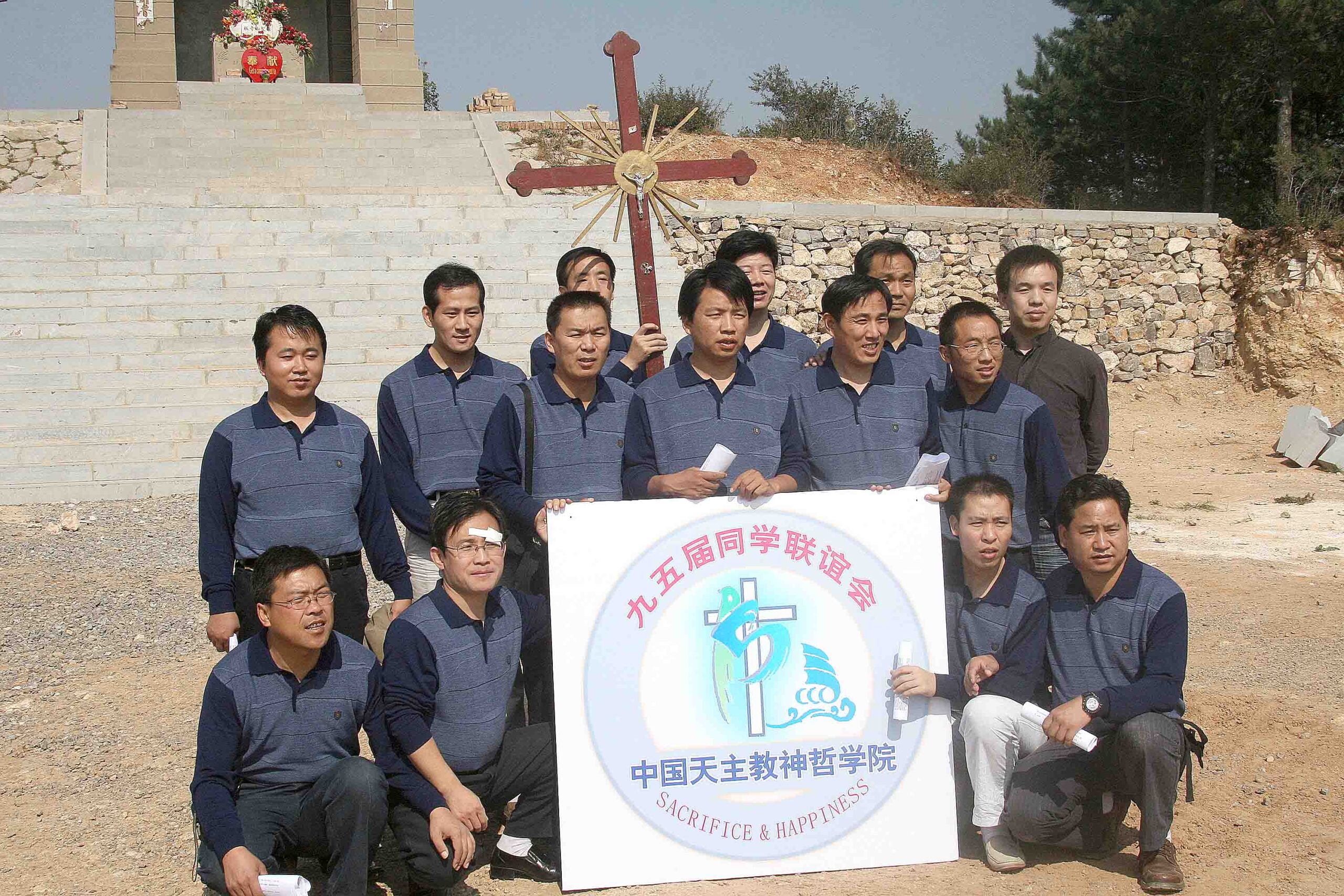
China, which will be examined in more detail in a separate article, is a special case, where rather than trying to exterminate religious practice, authorities decided to place it under strict control. This has resulted in efforts to “Sinicize” religions such as Christianity and Islam, bringing them into line not only with traditional Chinese values but with the particular interpretation of those values held by the Chinese Communist Party.
The sheer size of China means that, in practice, this policy is carried out in very different ways throughout the country, with religions operating somewhat freely in some places, but severely restricted in others. Though relations between the Chinese government and the traditional Christian Churches receive most publicity in the Asian giant, the worst of the suffering and repression has been applied to the Uyghur Muslim community, with estimates of up to one million people in “re-education camps,” which are essentially prisons or concentration camps.
PHILIPPINES UNDER OBSERVATION
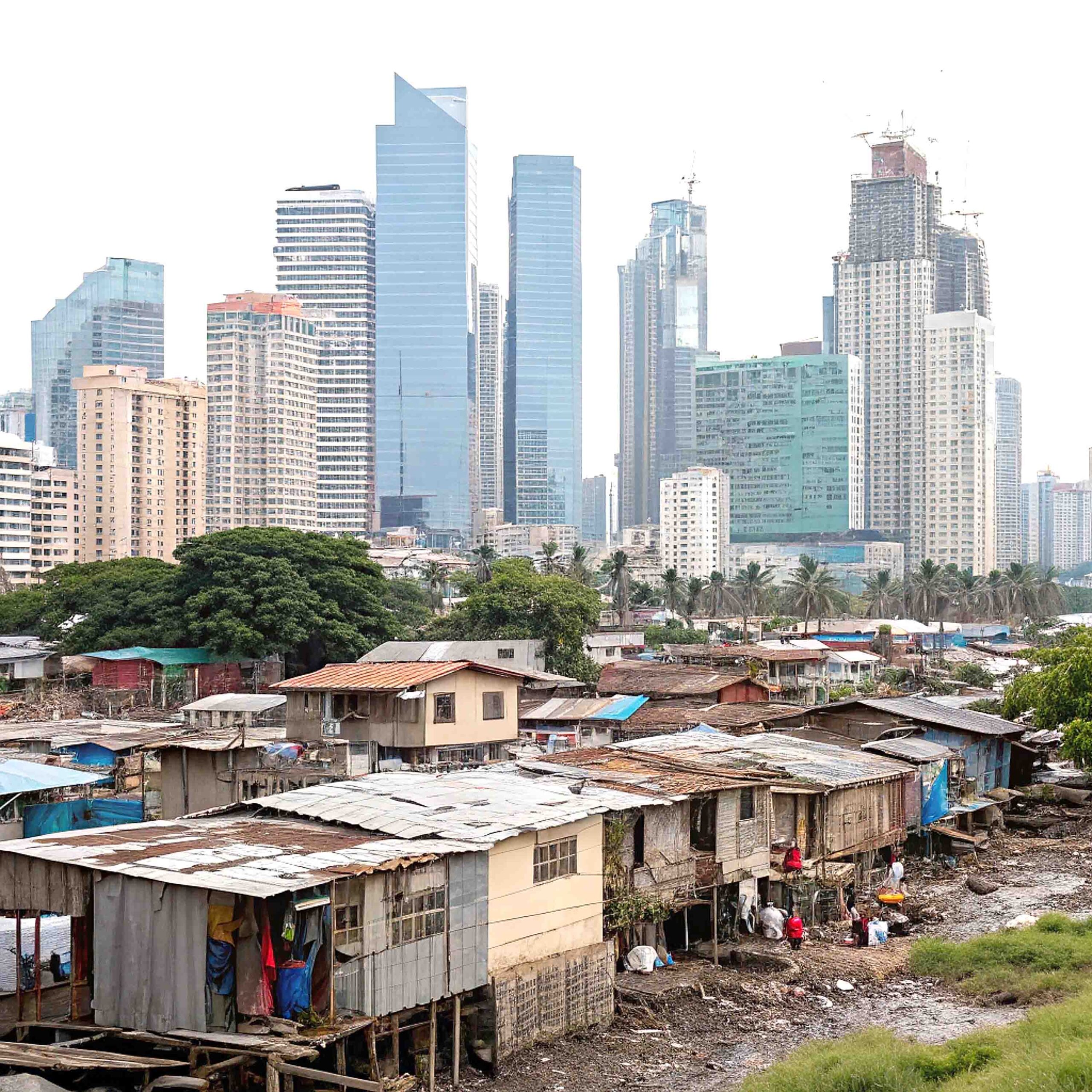
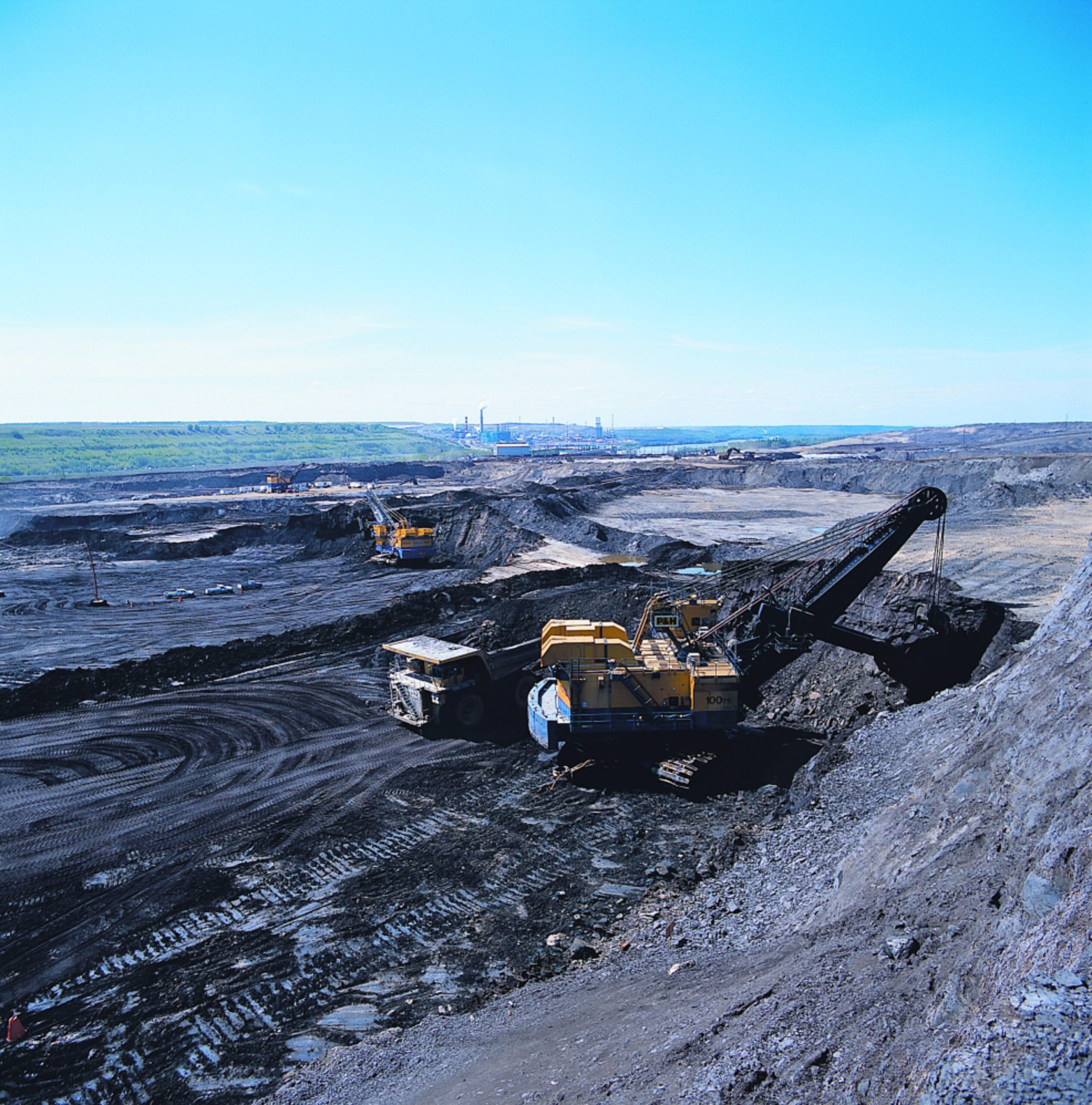
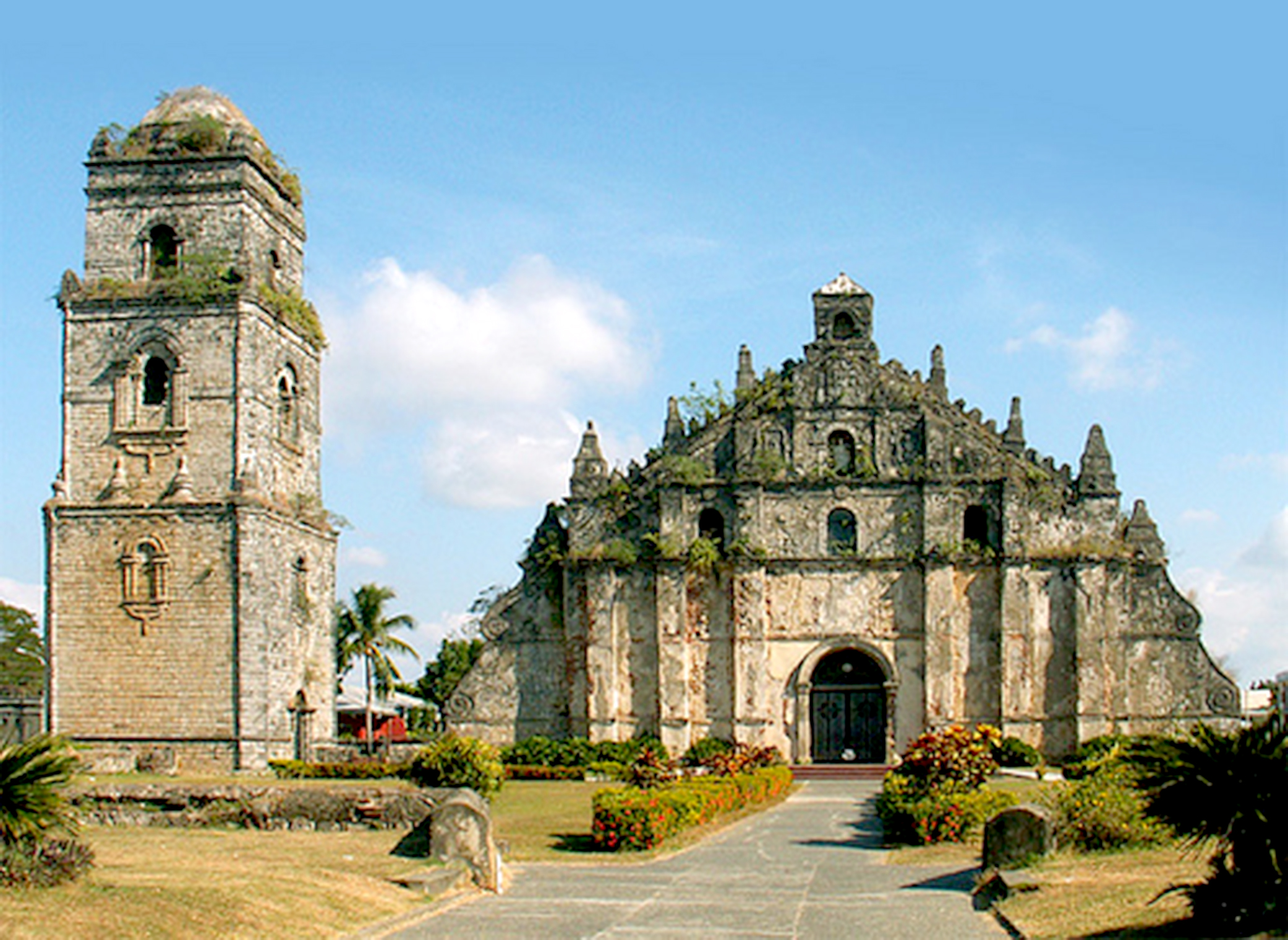
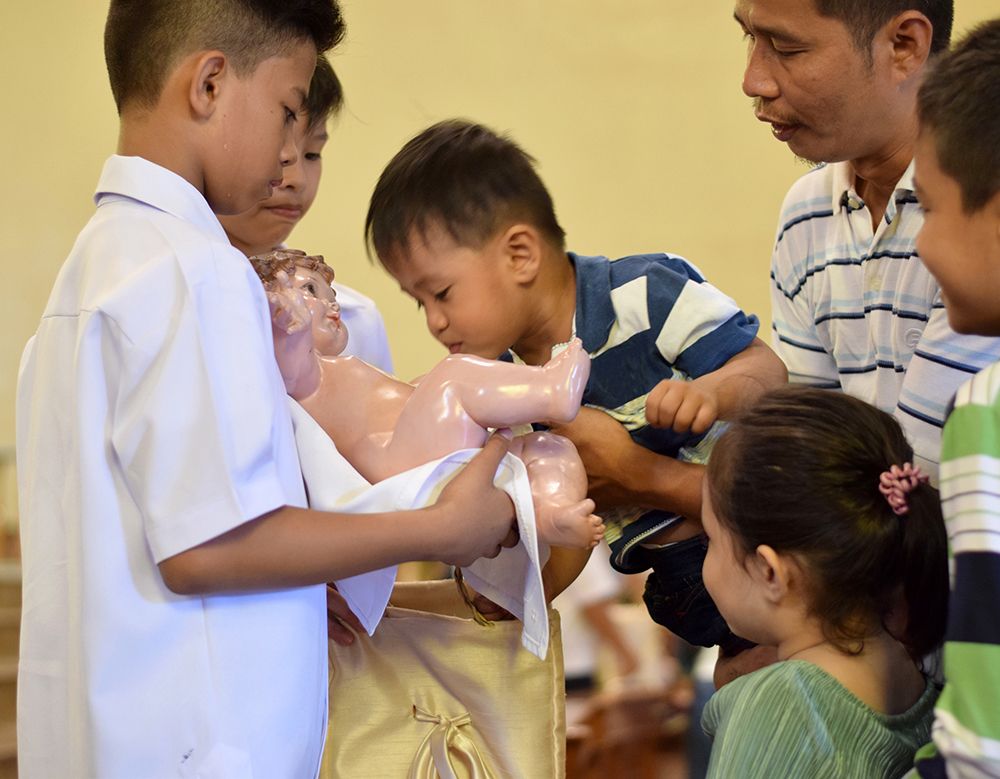
Finally, the Philippines is the largest Christian country, in demographic terms, in Asia. ACN has placed the archipelago “under observation,” pointing to persisting conflicts in areas with a heavy Muslim population, where separatist groups continue to attack Christian communities, but also to social issues such as laws that could pose a threat to the autonomy of Church-run organizations. Government attempts to clamp down on social and political groups that oppose its policies have also led to conflicts with Christian organisations that stand in defence of ethnic minorities, namely the rights of indigenous groups to their land, which is threatened by industries such as mining.
Overall, Asia continues to be a continent where religious freedom is under threat, and what is perhaps more concerning is that the situation in the majority of its countries has grown worse over the past two years.