
Faith and Love for the Poor

INTRODUCTION

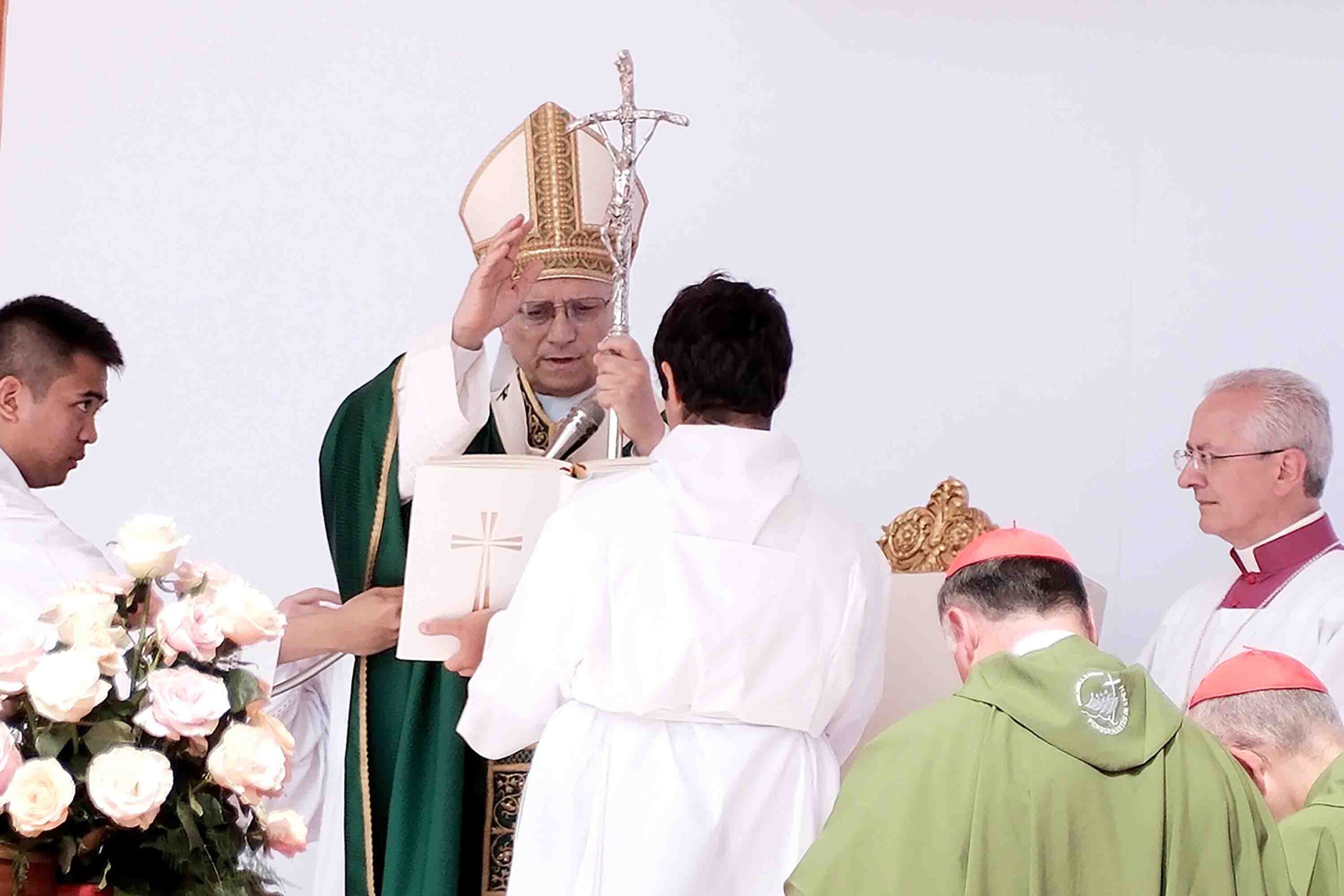
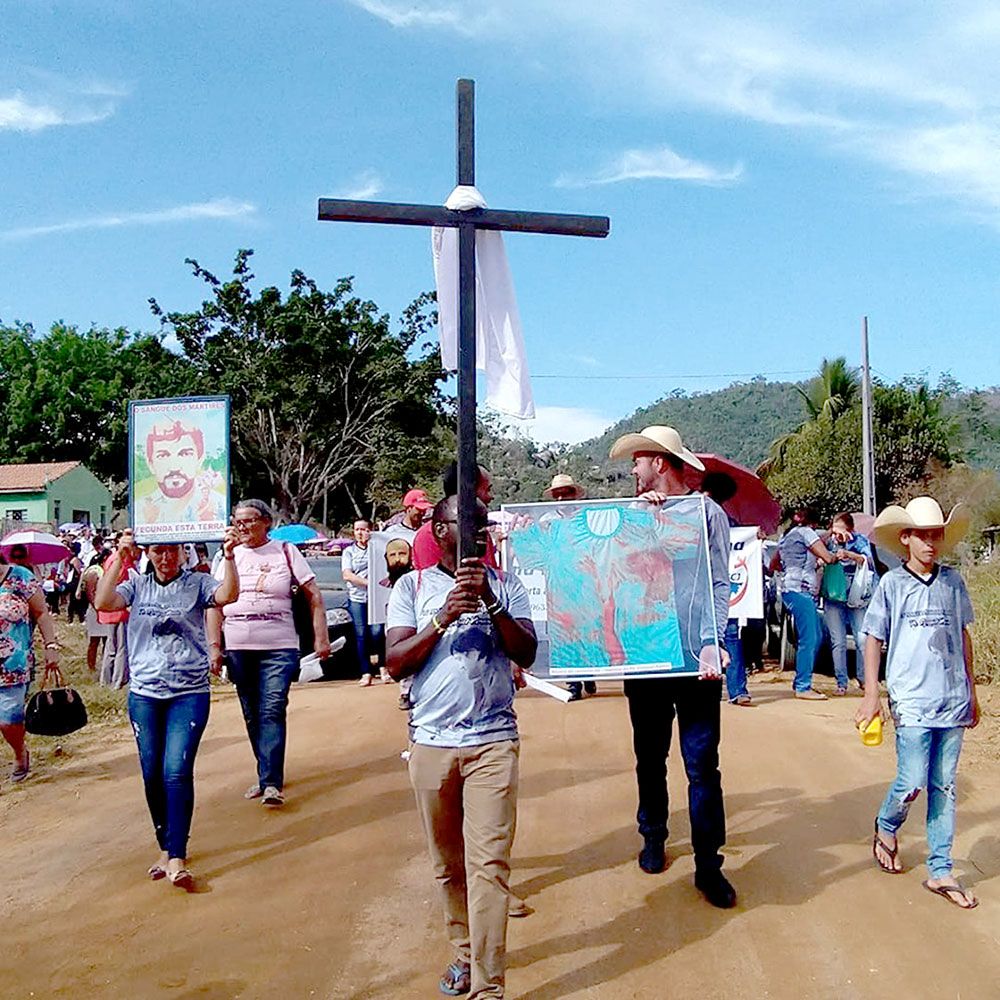
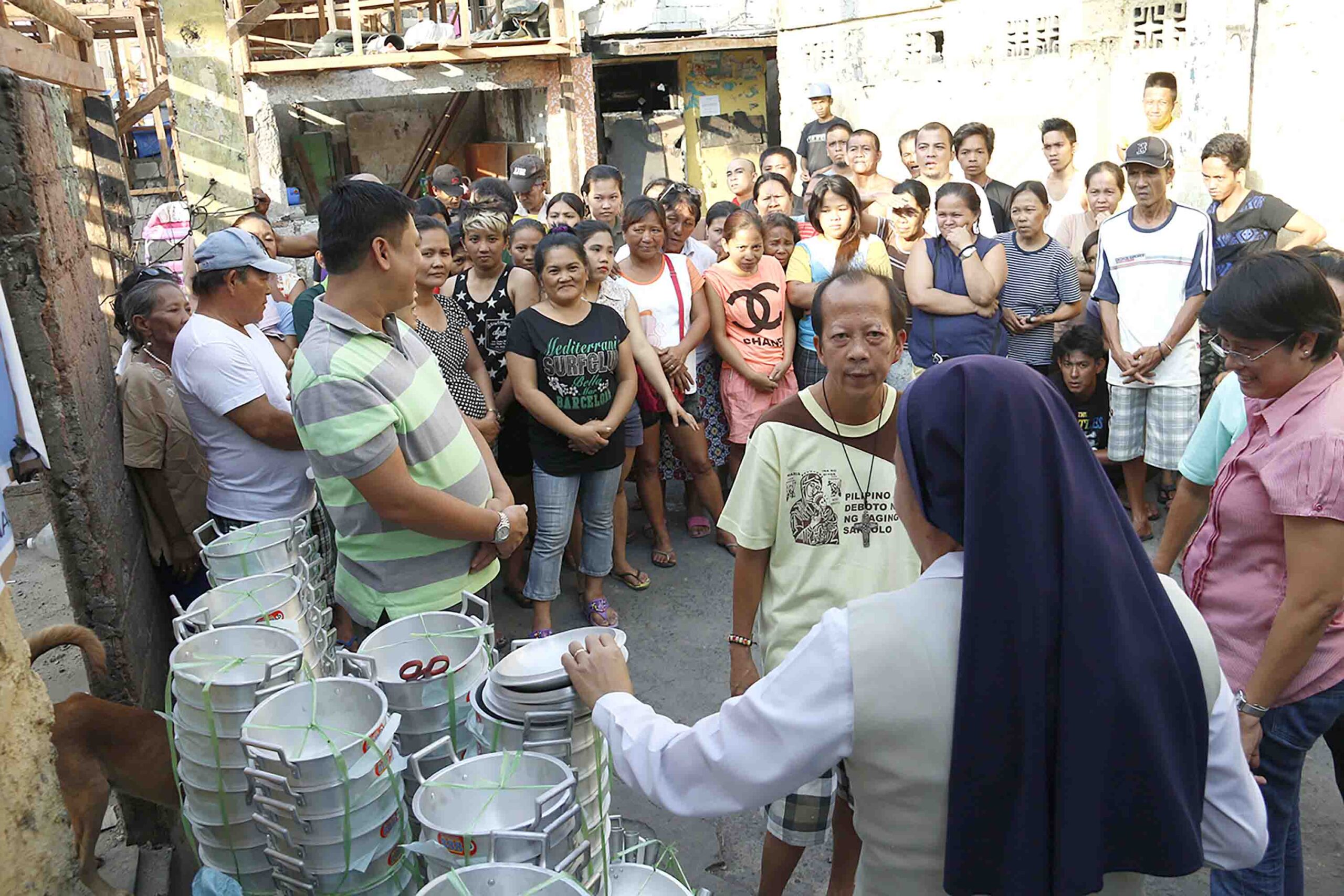
Taking up Pope Francis’ desire “that all Christians come to appreciate the close connection between Christ’s love and His summons to care for the poor,” Pope Leo XIV issued his first Apostolic Exhortation, Dilexi te, as a call to Christ’s disciples “to recognize him in the poor and the suffering.”

WRITTEN BY

SHARE THE WORD

PUBLISHED ON

Pope Leo XIV’s first Apostolic Exhortation sees the love of Christ incarnated in love for the poor, in caring for the sick, opposing slavery, defending women who experience exclusion and violence, making education available to all, accompanying migrants, charitable giving, working for equality, and more.

Dilexi te (“I have loved you”, from Revelation, 3:9) unfolds in 121 numbered paragraphs spread throughout five chapters, and flows directly from the Gospel of the Son of God, Who in the very act of entering into our world through the Incarnation became poor for our sakes. At the same time, it reproposes the Church’s social teaching, especially that of the past 150 years, as “a veritable treasury of significant teachings” concerning the poor.

With this document, signed on 4 October 2025, the feast of Saint Francis of Assisi, Pope Leo situates himself firmly on the path laid out by his predecessors, including Saint John XXIII, with his appeal, in Mater et Magistra, to wealthier countries not to remain indifferent to nations oppressed by hunger and extreme poverty (n. 83).

Saint Paul VI added his own voice with Populorum Progressio and his appearance at the United Nations as an “advocate of the poor”; as did Saint John Paul II, who consolidated the doctrinal foundations of the Church’s “preferential option for the poor”.

More recently, Benedict XVI, in Caritas in Veritate, offered a more markedly political take on the crises of the third millennium, while Francis made care for the poor and solidarity with the poor one of the key themes of his pontificate.

Like Francis, who completed the work of Benedict XVI on the encyclical Lumen Fidei, Pope Leo XIV took up the text of his immediate predecessor for his first major magisterial document. Dilexi te builds on the teaching of Francis’ final encyclical–Dilexit nos, on the Sacred Heart of Jesus–highlighting the “close connection” between the love of God and love for the poor. “In the poor”, writes Pope Leo, God “continues to speak to us” (n. 5).

The Holy Father likewise recalls the theme of the Church’s “preferential option… for the poor,” an expression that arose in the context of Latin America (n. 16). Pope Leo explains that this “‘preference’ never indicates exclusivity or discrimination towards other groups” but instead emphasizes “God’s actions, which are moved by compassion toward the poverty and weakness of all humanity” (n. 16). “On the wounded faces of the poor, we see the suffering of the innocent and, therefore, the suffering of Christ Himself” (n. 9).


THE ‘FACES’ OF POVERTY

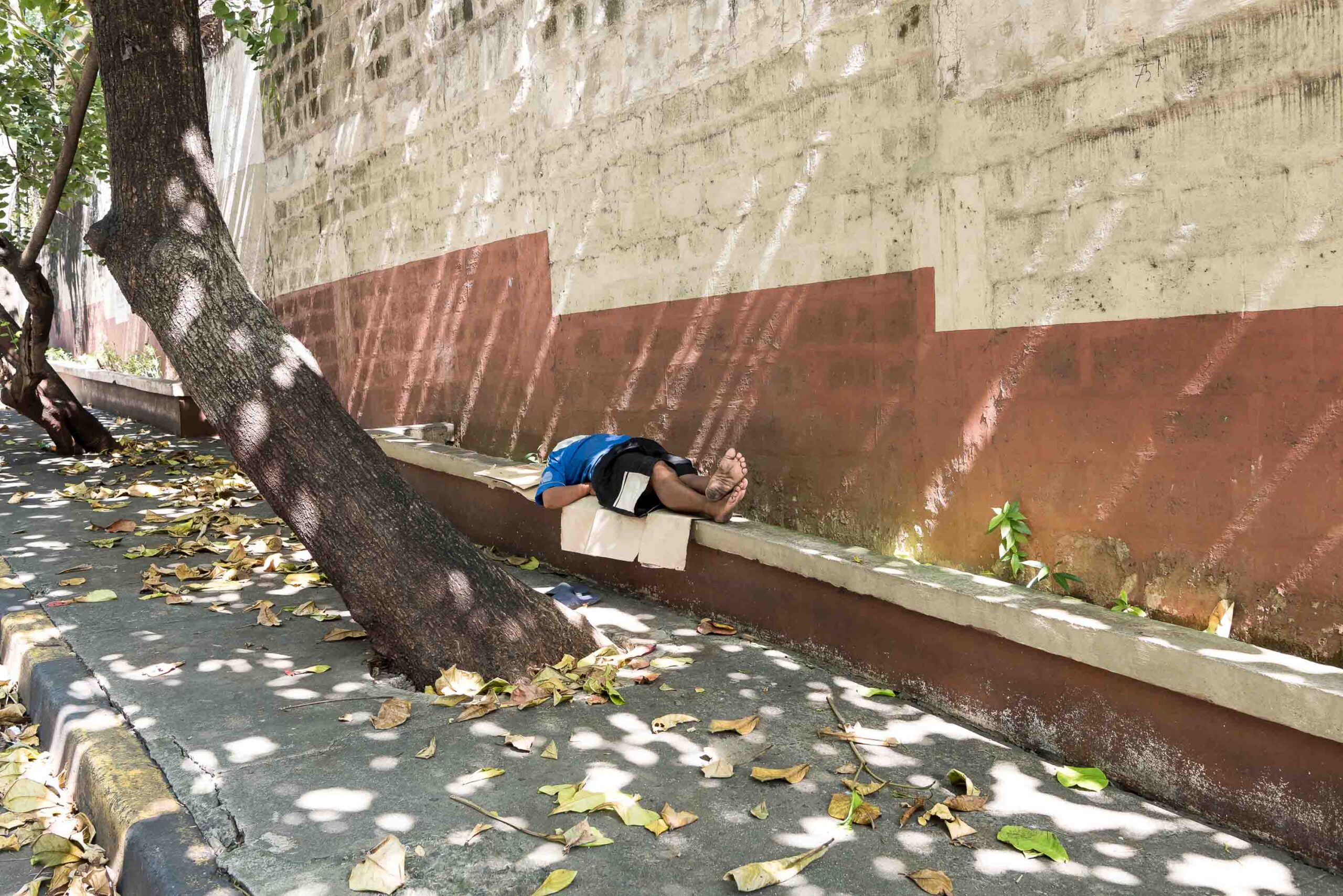
Pope Leo’s Exhortation offers numerous points for reflection and calls for action in its analysis of the many “faces of the poor and of poverty”, including “the poverty of those who lack material means of subsistence” or “who are socially marginalized and lack the means to give voice to their dignity and abilities” (n. 9). Pope Leo also notes the existence of moral, spiritual, and cultural poverty; the poverty of “those who have no rights, no space, no freedom” (n. 9).

Confronted with this reality, Pope Leo says that although “the commitment to the poor and to removing the social and structural causes of poverty has gained importance in recent decades… it remains insufficient” (n. 10). He warns of the emergence of new, sometimes “more subtle and dangerous” forms of poverty, and decries economic “rules” that increase wealth for a few but also increase inequality (n. 10, 13). “I can only state once more that inequality ‘is the root of social ills’” (n. 94).

Pope Leo thus calls for a “change in mentality” that can free us from “the illusion of happiness derived from a comfortable life that pushes many people towards a vision of life centered on the accumulation of wealth and social success at all costs, even at the expense of others and by taking advantage of unjust social ideals and political-economic systems that favor the strongest” (n. 11).

Pope Leo also devotes ample space to the theme of migration, illustrating his words with the image of Alan Kurdi, the three-year-old Syrian boy who in 2015 became a symbol of the European migrant crisis with the photo of his lifeless body on a beach. “Unfortunately, apart from some momentary outcry, similar events are becoming increasingly irrelevant and seen as marginal news items”, the Pope observes (n. 11).

At the same time, he recalls the Church’s centuries-old work in favor of those forced to abandon their lands, seen in refugee reception centers, border missions, and the efforts of Caritas Internationalis and other institutions (n. 75).

With regard to migration, the Pope adopts Francis’ famous “four verbs”: “welcome, protect, promote, and integrate.” And he also borrows from his predecessor the description of the poor as “not only objects of our compassion, but teachers of the Gospel” (n. 79).

Similarly, we must not forget those women, the “doubly poor… who endure situations of exclusion, mistreatment and violence, since they are frequently less able to defend their rights”, he adds, quoting Francis (n. 12).


CAUSES OF POVERTY

Pope Leo XIV offers an in-depth reflection on the causes of poverty: “The poor are not there by chance or by blind and cruel fate. Nor, for most of them, is poverty a choice”, he says. “Yet, there are those who still presume to make this claim, thus revealing their own blindness and cruelty” (n. 14).

While recognizing that “among the poor there are also those who do not want to work, perhaps because their ancestors, who worked all their lives, died poor”, the Pope highlights that there are “so many others–men and women–who nonetheless work from dawn to dusk, perhaps collecting scraps or the like, even though they know that their hard work will only help them to scrape by, but never really improve their lives” (n. 14).

In one of the main points of Dilexi te, Pope Leo insists that it cannot be said “that most of the poor are such because they do not ‘deserve’ otherwise, as maintained by that specious view of meritocracy that sees only the successful as ‘deserving’” (n. 14).


THE WITNESS OF SAINTS

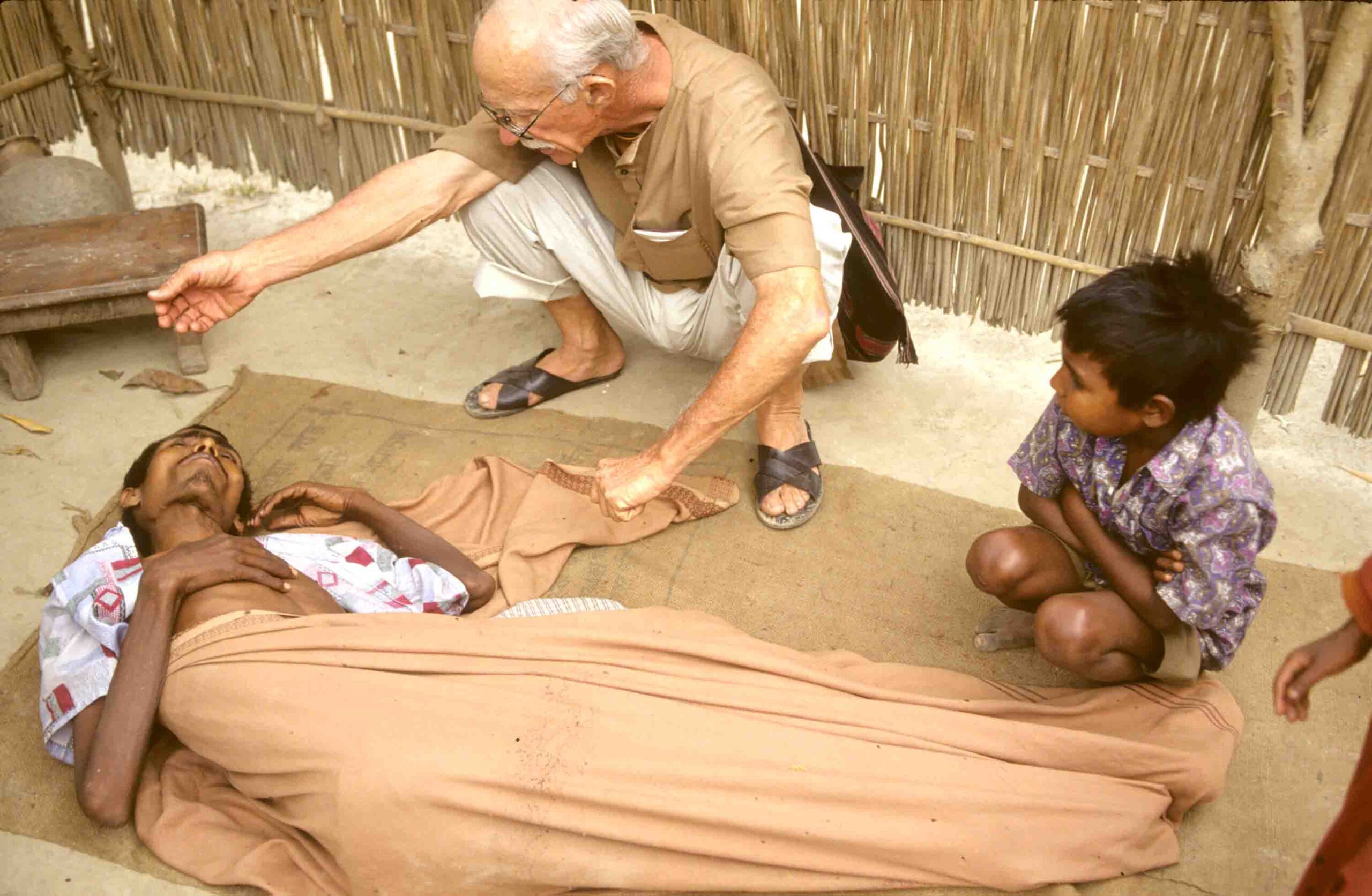
In contrast to this attitude of indifference, there is a world of saints, blesseds, and missionaries who, over the centuries, have embodied the image of “a poor Church for the poor” (n. 110), from Francis of Assisi and his gesture of embracing a leper (n. 7), to Mother Teresa, a “universal icon of charity” dedicated to the most destitute in India, who accompanied the dying “with the tenderness of prayer” (n. 77).

The Pope also recalls the witness of Saints including Lawrence, Justin, Ambrose, and John Chrysostom; as well as Saint Augustine, who stated: “Anyone who says they love God and has no compassion for the needy is lying”, a reference to 1 John 4:20 (n. 45).

Pope Leo points to the work of the Camillians for the sick (n. 50), and of the women’s congregations in hospitals and nursing homes (n. 51). He notes the welcome given to widows, abandoned children, pilgrims, and beggars in Benedictine monasteries (n. 55); and recalls the Franciscans, Dominicans, Carmelites, and Augustinians who initiated “an evangelical revolution” through a “simple and poor lifestyle” (n. 63); as well as the Trinitarians and Mercedarians who, fighting for the liberation of prisoners, expressed the love of “a God who frees not only from spiritual slavery but also from concrete oppression” (n. 60).

“The tradition of these orders did not come to an end. On the contrary, it inspired new forms of action in the face of modern forms of slavery: human trafficking, forced labor, sexual exploitation, and various forms of dependency. Christian charity is liberating when it becomes incarnate” (n. 61).

Looking to the example of Saint Joseph Calasanz, who founded the first free public school in Europe (n. 69), the Pope emphasizes the importance of educating the poor, which “is not a favor but a duty” (n. 72). “Children have a right to knowledge as a fundamental requirement for the recognition of human dignity” (72).

In the final pages of the document, Leo XIV reminds every member of the People of God of their duty to “make their voices heard, albeit in different ways, in order to point out and denounce such structural issues, even at the cost of appearing foolish or naïve” (n. 97).

“Unjust structures need to be recognized and eradicated by the force of good, by changing mindsets but also, with the help of science and technology, by developing effective policies for societal change” (n. 97).

“It is evident”, Pope Leo says “that all of us must ‘let ourselves be evangelized’ by the poor” (n. 102). “No Christian can regard the poor simply as a societal problem”, he insists; rather “they are part of our ‘family’. They are ‘one of us’”. And so, he says, “our relationship to the poor” cannot “be reduced to merely another ecclesial activity or function” (n. 104).  Published in Vatican News

Share Your Thoughts

All comments are moderated

From The Same Issue

The articles and content about this issue

From The Same Issue

The articles and content about this issue

From This Topic

The articles and content about this topic

From This Topic

The articles and content about this topic

Explore Other Topics

Browse other coverage

Explore Other Topics

Browse other coverage

WM SPECIAL

Presents, discusses and draws readers to reflect on issues of outmost relevance to the world today.


FRONTIERS

Very often, mission is carried out in frontier situations around the world. Those who embrace these situations have much to share.


UNITY IN DIVERSITY

Writer Ilsa Reyes will be exploring the richness of Pope Francis’s latest encyclical Fratelli Tutti with a view of helping our readers to get a grasp of the this beautiful papal document.


FRONTLINE

Puts to the front committed and inspiring people around the world who embrace humanitarian and religious causes with altruism and passion.


IN FOCUS

Focus on a given theme of interest touching upon social, economic and religious issues.


FAITH@50

As the Philippines prepares to celebrate 500 years of the arrival of Christianity. Fr. James Kroeger leads us in this series into a discovery journey of the landmark events in the history of faith in the Philippine archipelago.


INSIGHT

Aims to nurture and inspire our hearts and minds while pondering upon timely themes.


FILIPINO FOCUS

The large archipelago of the Philippines, in its richness of peoples and cultures, offers varied and challenging situations for mission.


FOLLOW ME

Reflections and vocation stories that shape up the lives of young people.


MISSION IS FUN

As humor and goodness of heart are qualities of Christian and missionary life, the new column “Mission is fun” will be publishing some anecdotes and stories that have happened in a missionary context to lighten up the spirits and trigger a smile in our faces.


LIVING COMMUNION

To help readers of World Mission live this year dedicated to Ecumenism, Interreligious Dialogue and Indigenous Peoples, Tita Puangco, writer and lecturer, shares in this section insights on the spirituality of communion.


WINDS OF THE SPIRIT

A historic view of the Catholic movements that emerged from the grassroots as an inspiration by the Holy Spirit.


BRIDGE BUILDERS

On the Year of Ecumenism, Interreligious Dialogue and Indigenous Peoples, radio host and communicator Ilsa Reyes, in her monthly column, encourages Christians and people of good will to be one with their fellow people of other sects, religions and tribes.


INTERVIEW

Questions to a personality of the Church or secular world on matters of interest that touch upon the lives of people.


WORLD TOUCH

News from the Church, the missionary world and environment that inform and form the consciences.


CARE OF THE EARTH

A feature on environmental issues that are affecting the whole world with the view of raising awareness and prompting action.


EDITORIAL

The editor gives his personal take on a given topic related to the life of the Church, the society or the world.


YOUNG HEART

A monthly column on themes touching the lives of young people in the Year of the Youth in the Philippines by radio host and communicator I lsa Reyes.


SCROLL

A missionary living in the Chinese world shares his life-experiences made up of challenges and joyous encounters with common people.


EXTRAORDINARY PEOPLE

Life stories of people who deserve to be known for who they were, what they did and what they stood for in their journey on earth.


ONE BY ONE

Stories of people whom a missionary met in his life and who were touched by Jesus in mysterious ways.


INCREASE OUR FAITH

Critical reflection from a Christian perspective on current issues.


SPECIAL MOMENTS

Comboni missionary Fr. Lorenzo Carraro makes a journey through history pinpointing landmark events that changed the course of humanity.


PROFILE

A biographical sketch of a public person, known for his/her influence in the society and in the Church, showing an exemplary commitment to the service of others.


WM REPORTS

Gives fresh, truthful, and comprehensive information on issues that are of concern to all.


LIFE'S ESSENTIALS

A column aimed at helping the readers live their Christian mission by focusing on what is essential in life and what it entails.


ASIAN FOCUS

Peoples, events, religion, culture and the society of Asia in focus.


THE SEARCHER'S PATH

The human heart always searches for greatness in God’s eyes, treading the path to the fullness of life - no matter what it takes.


INDIAN FOCUS

The subcontinent of India with its richness and variety of cultures and religions is given center stage.


AFRICAN FOCUS

The African continent in focus where Christianity is growing the fastest in the world.


JOURNEY MOMENTS

Well-known writer and public speaker, Fr. Jerry Orbos, accompanies our journey of life and faith with moments of wit and inspiration based on the biblical and human wisdom.


IGNATIUS STEPS

On the year dedicated to St. Ignatius of Loyala, Fr. Lorenzo Carraro walks us through the main themes of the Ignatian spirituality.


THE SEVEN LAST WORDS OF JESUS

Fr. John Taneburgo helps us to meditate every month on each of the Seven Last Words that Jesus uttered from the cross.


INSIDE THE HOLY BOOK

In this section, Fr. Lorenzo delves into the secrets and depths of the Sacred Scriptures opening for us the treasures of the Sacred Book so that the reader may delight in the knowledge of the Word of God.


CONVERSATIONS

Reflections about the synodal journey on a conversational and informal style to trigger reflection and sharing about the synodal path the Church has embarked upon.


VATICAN II

This 'mini-course' series provides a comprehensive exploration of Vatican II, tracing its origins, key moments, and transformative impact on the Catholic Church.


COMBONIS IN ASIA

This series offers an in-depth look at the Comboni Missionaries in Asia, highlighting their communities, apostolates, and the unique priorities guiding their mission. The articles provide insights into the challenges, triumphs, and the enduring values that define the Comboni presence in Asia.


BEYOND THE SYNOD

Following the Synod on Synodality, this series examines how dioceses, parishes, and lay organizations in the Philippines are interpreting and applying the principles of the synod, the challenges encountered, and the diverse voices shaping the synodal journey toward a renewed Church.


A TASTE OF TRADITION

This series introduces the Fathers of the Church, featuring the most prominent figures from the early centuries of Christianity. Each article explores the lives, teachings, and enduring influence of these foundational thinkers, highlighting their contributions the spiritual heritage of the Church.


A YEAR OF PRAYER

In preparation for the 2025 Jubilee Year under the theme “Pilgrims of Hope,” 2024 has been designated a Year of Prayer. World Mission (courtesy of Aleteia) publishes every month a prayer by a saint to help our readers grow in the spirit of prayer in preparation for the Jubilee Year.


OUR WORLD

In Our World, the author explores the main trends shaping contemporary humanity from a critical and ethical perspective. Each article examines pressing issues such as technological advancement, environmental crises, social justice, and shifting cultural values, inviting readers to reflect on the moral implications and challenges of our rapidly changing world.


CATHOLIC SOCIAL DOCTRINE

This series unpacks the principles of Catholic Social Doctrine, offering a deep dive into the Church's teachings on social justice, human dignity, and the common good.


HOPEFUL LIVING

Hopeful Living’ is the new section for 2026, authored by Fr. James Kroeger, who dedicated most of his missionary life to the Philippines. In this monthly contribution, he will explore various aspects of the virtue of hope. His aim is to help readers align their Christian lives more closely with a hopeful outlook.


PHILIPPINE CROSSROADS

Filipino Catholic scholar Jose Bautista writes each month about how the Philippines is at a crossroads, considering the recent flood control issues and other corruption scandals that have engulfed the nation. He incorporates the Church’s response and its moral perspective regarding these social challenges.


BIBLE QUIZ

Test your knowledge and deepen your understanding with our Bible Quiz! Each quiz offers fun and challenging questions that explore key stories, themes, and figures from both the Old and New Testaments.


Shopping Cart