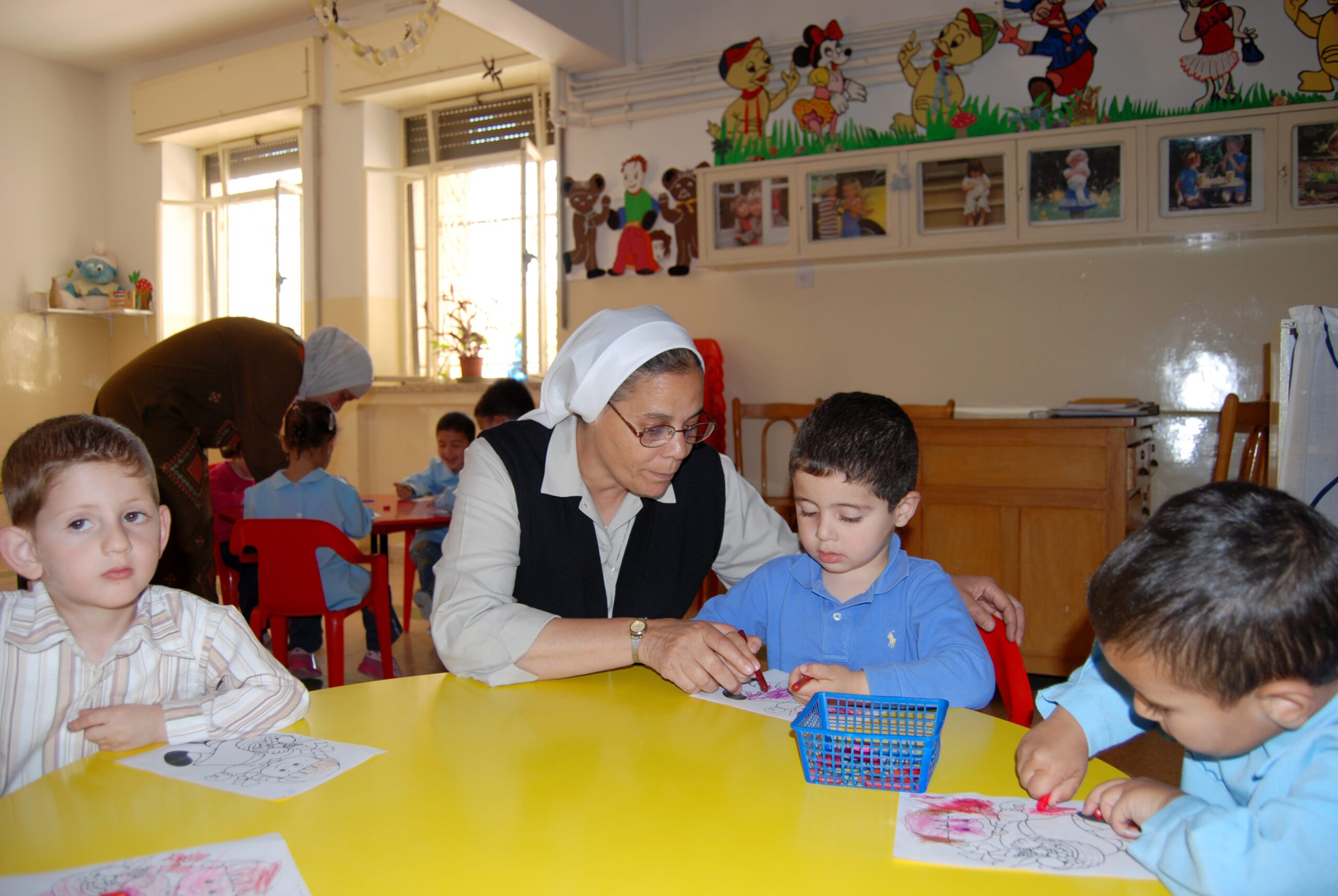

Coming from Jerusalem, the town of Al-Azarya appears suddenly on the right, behind the hills of Abu Dis. The modern town is built following the shape of the knoll, and expands to the small valley below. At the time of Jesus, the village was erected on higher grounds. Its name, then, was Bethany. It is here that Jesus frequented his friends Lazarus, Martha and Mary. Where the village was, today an ugly concrete wall, nine meters tall, blocks the way to East Jerusalem. The only way to go out of Al-Azarya is through the road that goes towards Ma’le Adumin, an illegal Israeli town built inside the West Bank, and Jericho. Al-Azarya used to thrive, thanks to tourism. Many pilgrims came here to see the tomb of Lazarus, and the Church built by the Franciscans of the Custody to remember the miracle performed by Jesus. Today, the many checkpoints and travel limitations, imposed by the Israeli government, have effectively reduced the flow of tourists and pilgrim to a trickle. Poverty is widespread. Even the nursery school run by the Comboni Sisters is now out of reach for most children. The Wall has separated the house of the Sisters from the rest of the town.
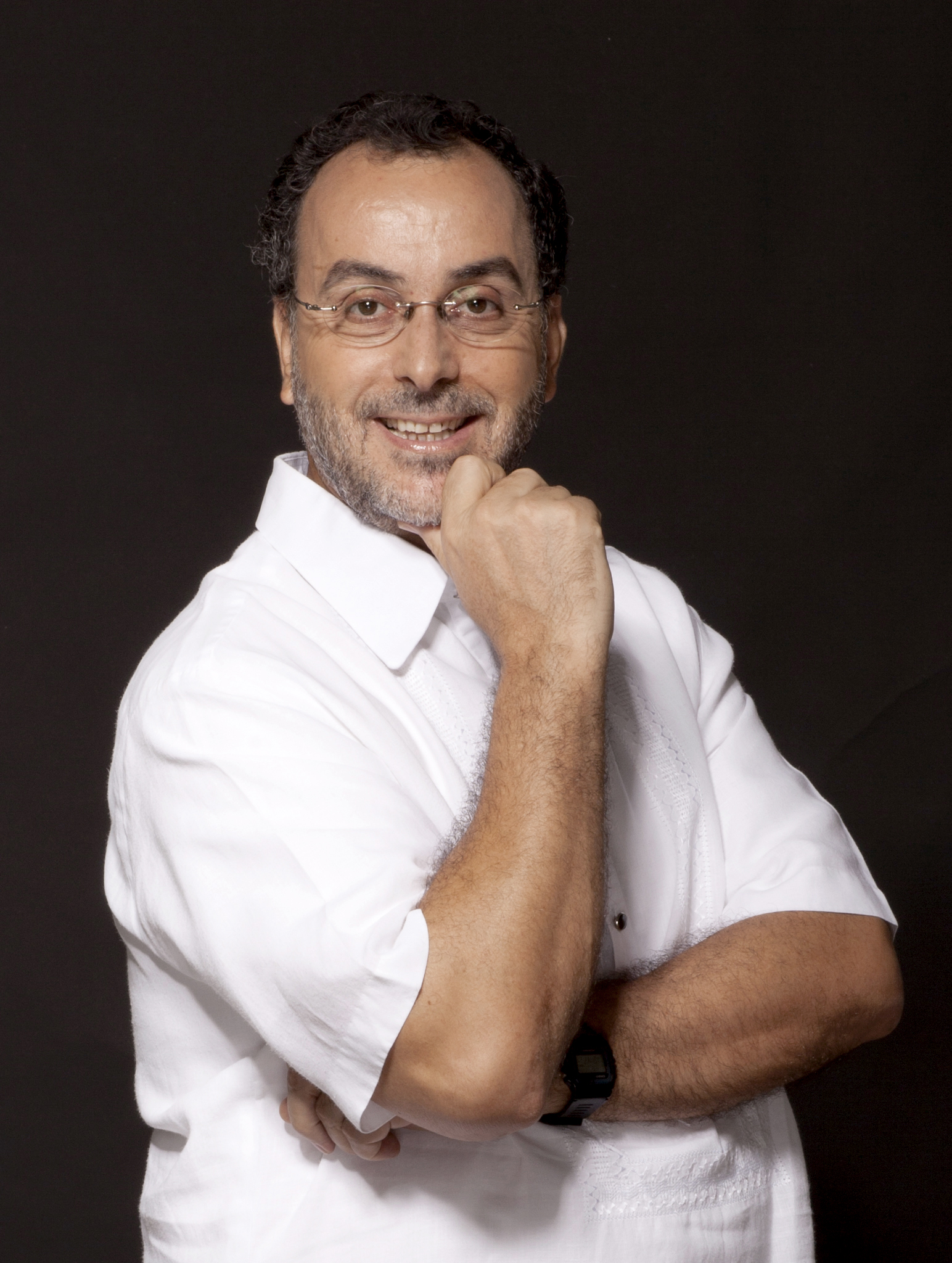
The small Christian community, however, is not idle. There are a few projects and programs to show that Jesus is still walking on these hills. At the outskirts of the town, we find Jeel Al Amal – generation of hope – a project taking charge of orphans and children with family problems. Not far from this institution, there is the Lazarus Home for Girls, a home for disadvantaged girls and women. It is in this second house that I meet Samar Sahar, an unpretending woman, with an iron will. She gladly shared her experience.
Samar was born in Jerusalem. She had Christian parents. The father was Orthodox, while the mother was Catholic. Both were teachers and helped her to develop a deep faith in Christ. “They loved their job as educators” – says Samar – “and wanted to do something for Palestinian children. They took good care of their five children, and opened their house to many more.” All began with a small orphanage.
The family moved to Bethany to open a small orphanage. Her parents rented a room where they welcomed five children. The number of children who came to knock at her parents’ door kept increasing, until a larger structure was needed. They bought a large land. Today, thirty-five years later, two huge buildings occupy most of that land. One is a home for children, hosting about seventy guests. The other is a primary school, open also to the children of the neighborhood.
From her parents, Samar learned to love children. She realized that female children were disadvantaged since girls could not be accepted in the home developed by her parents for cultural reasons. Girls were abandoned and lived in the streets. With the help of her mother, Samar rented an apartment and welcomed a few girls. A chance meeting in 1971 gave a much-needed push to her project.
“The Andersons, an English family, lost their child because of an accident. Mrs. Anderson,” narrates Samar, “asked her husband, Alan, to go to Palestine as she felt the need to do something for the children over there in memory of their child. Alan arrived in Jerusalem without knowing who to turn to. We met by chance. He rented an apartment and prepared it to receive a few girls. The Lazarus Home for Girls was born. Alan went back to England and organized a group of friends to support our project.” Today, the home welcomes 50 girls. The new building was prepared with enough space to host a pre-natal centre, a pediatric unit and a medical facility for women, the only such facility in town.
IN WHICH LANGUAGE DOES A CHILD CRY?
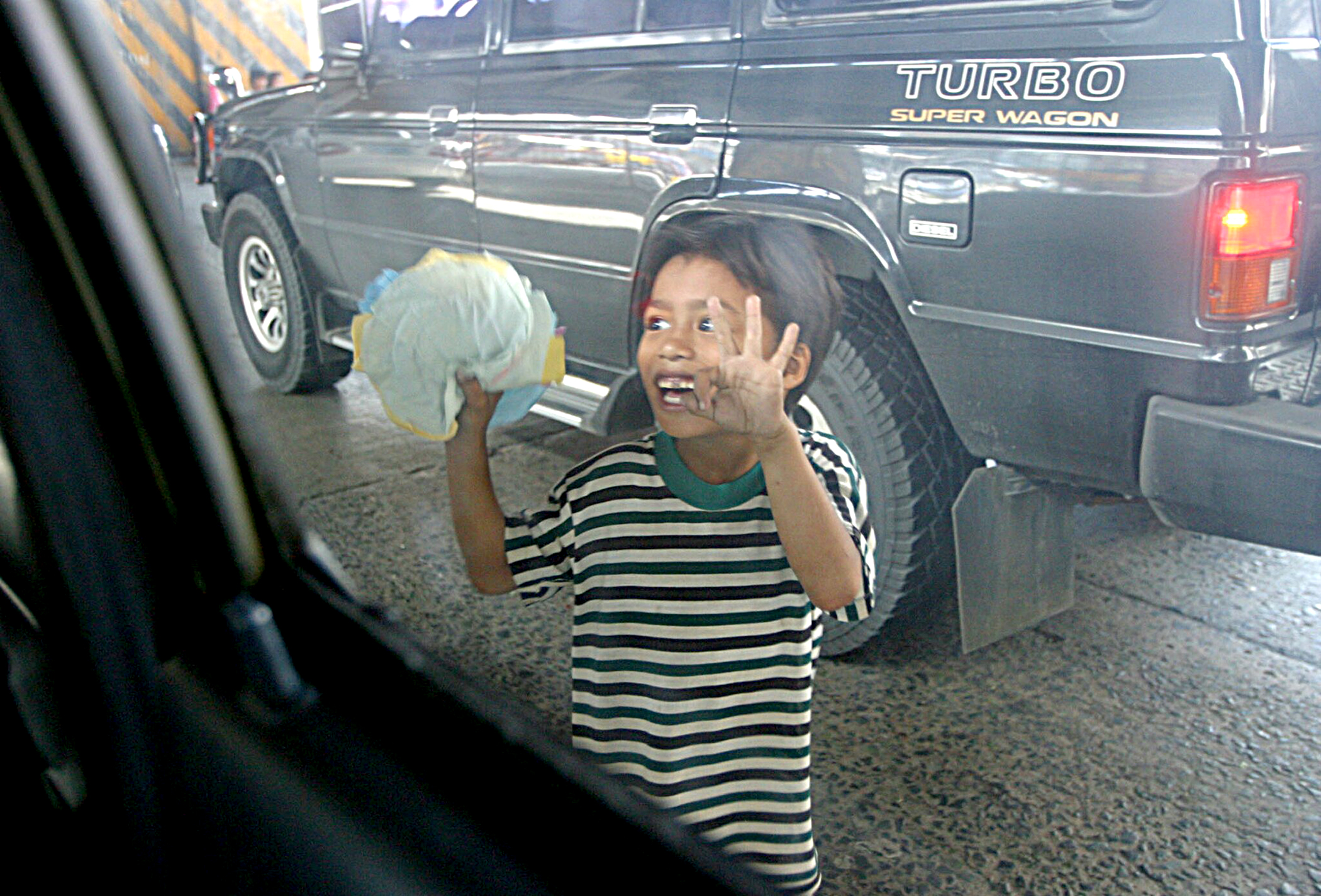
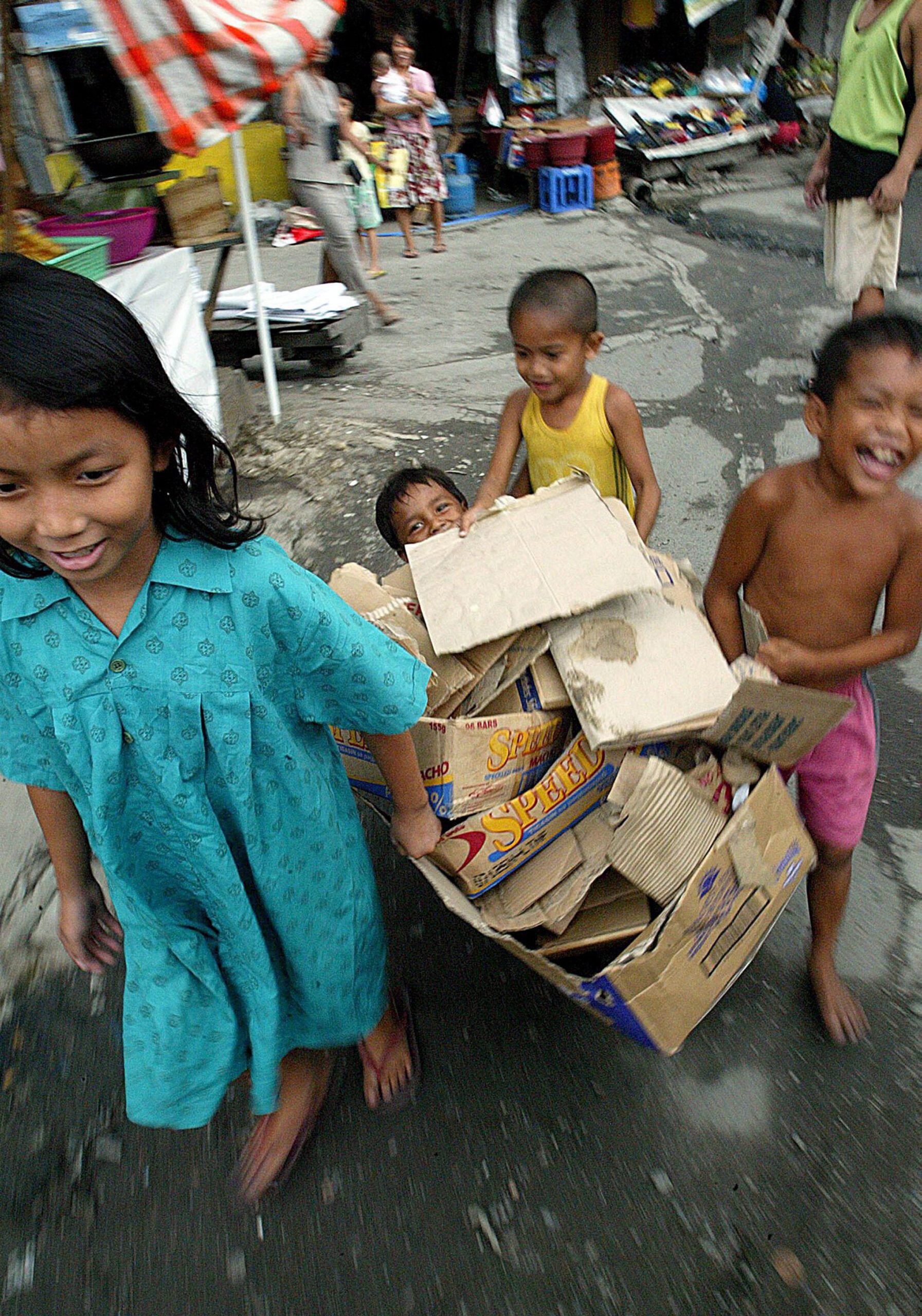
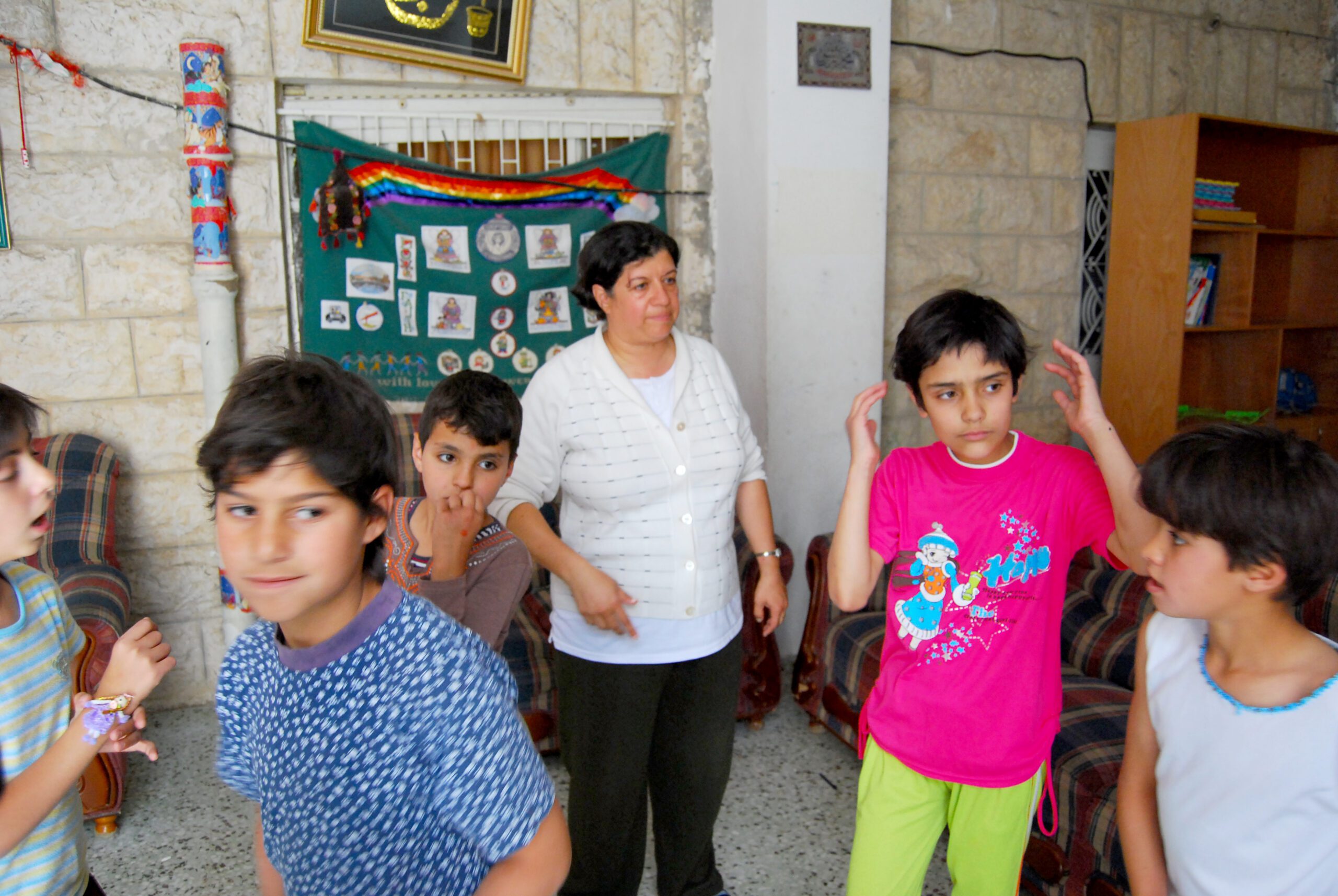
“When we opened this project,” says Samar, “we opened our doors not only to girls but also to ladies having a rough time. Even the girls are not always orphans. Most of them have a parent, somewhere. They have been abandoned because of family problems. Most of them have been abused in the past.” The two projects are modeled around the idea of family. A lady takes charge of a group of children and acts as their mother. All are encouraged to consider the others as brothers and sisters. All go to school and are asked to excel in their studies. The home for boys is literally covered by letters from former guests who describe how they were able to fulfill their dreams. It is an enticement to all to do their best. Yet, no one is sent away for any reason. “When I asked my parents who were Christians,” says Samar, “why they were helping mostly Muslims, they answered my question with another question: ‘In which language does a child cry?’ I was not able to answer that, and I understood that a child needs to be cared of, no matter where he is from.”
Running the project is not simple. There are utility bills to pay, food to prepare, clothing to buy… “These two projects were started without money,” remembers Samar. “I just follow what my parents did. They never thought of the expenses, there would be time for that later. Like them, I think that God will help me. Every time I asked God for help, I met people ready to support the projects. Often people we never met come here and leave an offering. One day a man came and gave us money. Then he saw one of the small children who was sick and took him to the hospital. He was a doctor and realized that the child had a serious condition. In events like this, I see the hand of God.”