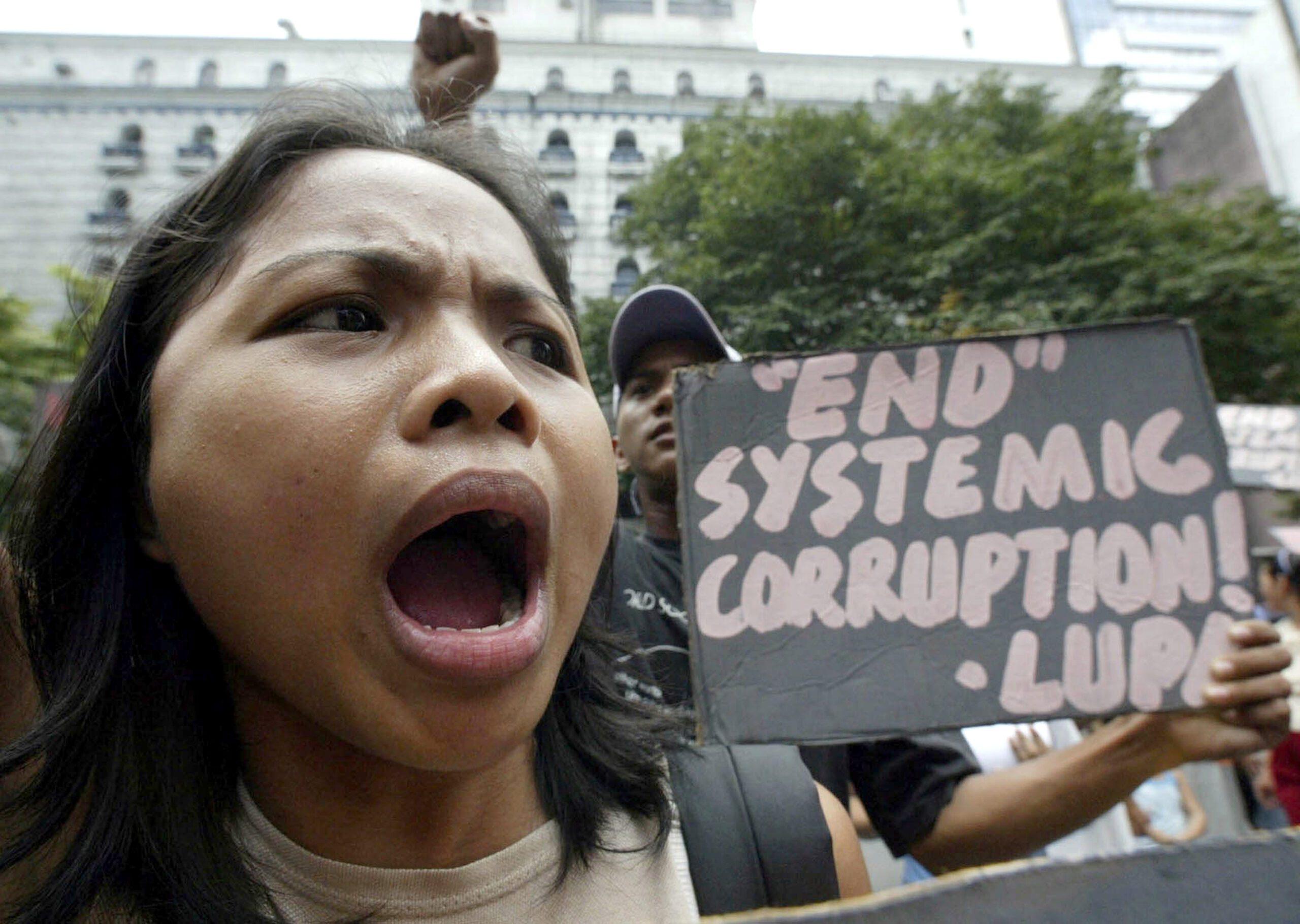
The root of the word “corruption” means heart and to split, break or destroy. There is really an issue of the destruction of the heart. The Church, even as custodian of the Scriptures, is part of the problem. Being part of the problem, I hope it also serves as part of the solution.
I’m here to drive home the point of the seriousness of the situation where the power of God is really urgently needed. I bring in personal feelings of sadness and anger about corruption because corruption is violent. Corruption kills. It is the enemy of the public.
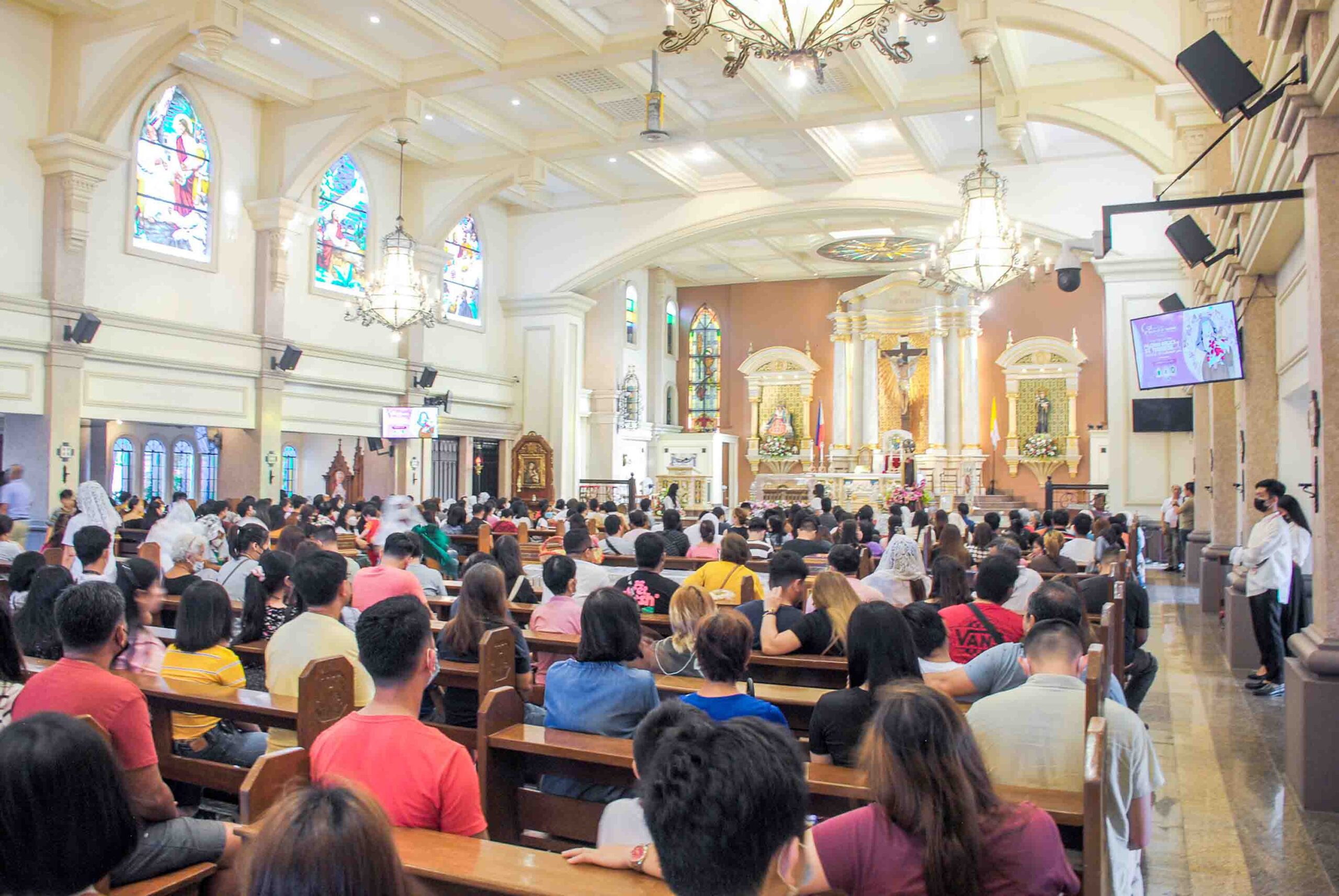
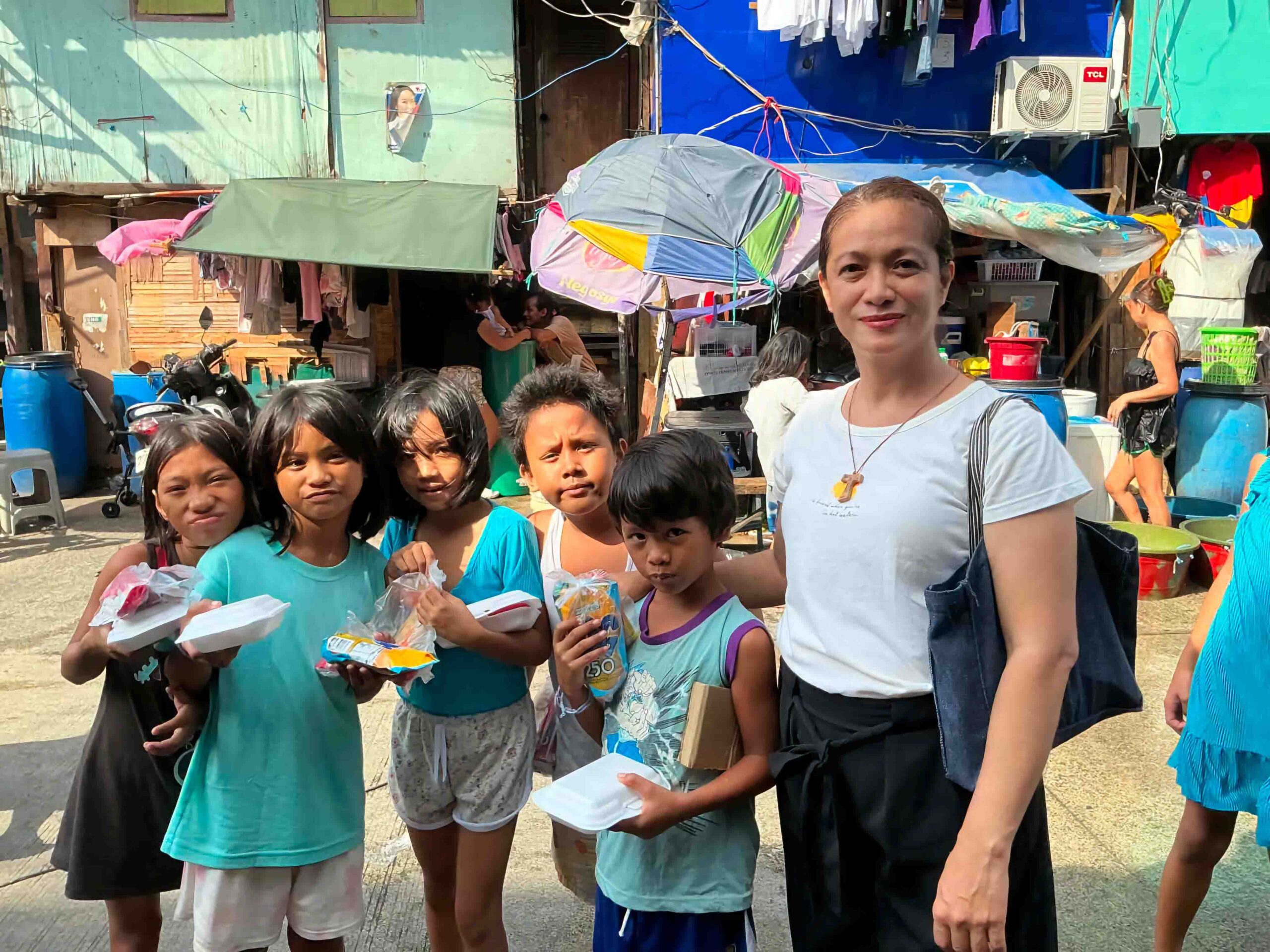
Often, there seems to be no connection between religiosity and our sense of justice and fairness in society. At the back of the church, somebody is crying because she cannot buy medicine, while in the front pew of the church, somebody is praising the Lord for a good pharmaceutical business. Somebody is literally “making a killing.”
When you overprice, you kill those you deprive of medicine. When you allow toxic waste to spill into the river system, you kill not just fish, but fisher folks as well.
ANTI-CORRUPTION PROGRAMS
Jun Lozada is fearing for his life because corruption kills, literally. I was in Jolo last Jan. 15, and when I received the message that Fr. Rey Roda was killed, I thought it was the work of Abu Sayyaf (extremists). Now, by intimate knowledge, I believe it had something to do with his being very vocal about corruption in the area.
Lozada, at least, has the national media protecting him, but there are other whistleblowers and it’s very difficult to find safehouses for them. It’s very difficult to find Sisters, priests and Brothers to accompany them.
I also feel guilty for being part of a Church and educational system that seems at a loss in the face of destruction in the public sphere. In my work with Ehem! I realize that many of the corrupt people are graduates of Catholic schools. I have also witnessed corruption in parishes. I am glad that some people are trying to do something and more and more, I think, the movement is growing. On top of Ehem!, as an anti-corruption program, there are other programs as well.
Corruption is the abuse of public trust for private gains. Even in this classical definition of corruption, there is the link between the public and the private. We cannot say my public life is separate from my personal life. When there is destruction or distortion in the heart, principles and beliefs, it will eventually manifest in the public sphere.
Corruption is an age-old problem. Adam and Eve cheated God and the Lord went “Ehem!” and they felt guilty. The Church has been also criticized of corruption. The bishops have committed to fight against corruption in all its forms, even within the parish church and Catholic schools in all locations.
AN OBSTACLE TO MISSION
Sadly, this challenge of promoting integrity and peace happens in a society that has been evangelized for 400 years. We are the most Christian country in Asia and apparently the most corrupt also. That should be taken seriously. I was in Japan and our lay missionaries told me some Japanese ask them what is the advantage of being Christian when your country is Christian and very corrupt. We, at least, take care of our aged, we take care of our sick, they were told. There are so many poor people and so few rich people in our country, they say. We don’t seem to take care of each other, what is the advantage of exalting the Bible and buying the illustrated Bible when there are no visible results?
Corruption is an obstacle to our missionary work. It destroys the credibility of the power of love. When they listed the most corrupt people in the world, two were leaders of this Christian country. In the list of Asian countries in a scale of 1-10, where 10 is the highest in integrity, only Singapore got 9.4. Philippines was 2.5 with Nepal and Indonesia. Even according to figures of the Ombudsman, the Philippine government lost 22 billion in 2001.
For the National Congress of the Clergy in 2004, the Church conducted a survey and part of the survey was on spirituality and lifestyle of the clergy. They included questions on lifestyle of the clergy and factors that weaken the institutional Church. The National Congress sponsored the survey, the University of Santo Tomas, a pontifical university, conducted it, and some 2,911 priests from 85 dioceses with 76 bishops answered.
LACK OF TRANSPARENCY
About indecent lifestyles of the clergy, 46.8% admitted that we suffer from this material attachment and extravagance as manifested in lifestyles of priests like myself. Second is sexual relationships with women and homosexual involvement, then the habitual recourse to worldly good time, drinking and closeness to the rich and powerful. And that probably minimizes our credibility in protesting. Some also mentioned maintaining a circle of favorites.
Among the factors cited by 51.4% of respondents as weakening the institutional Church, it is the lack of transparency and honesty in the management of Church resources. They also listed abuse of power, and clerical politics and intrigues that destroy presbyteral unity.
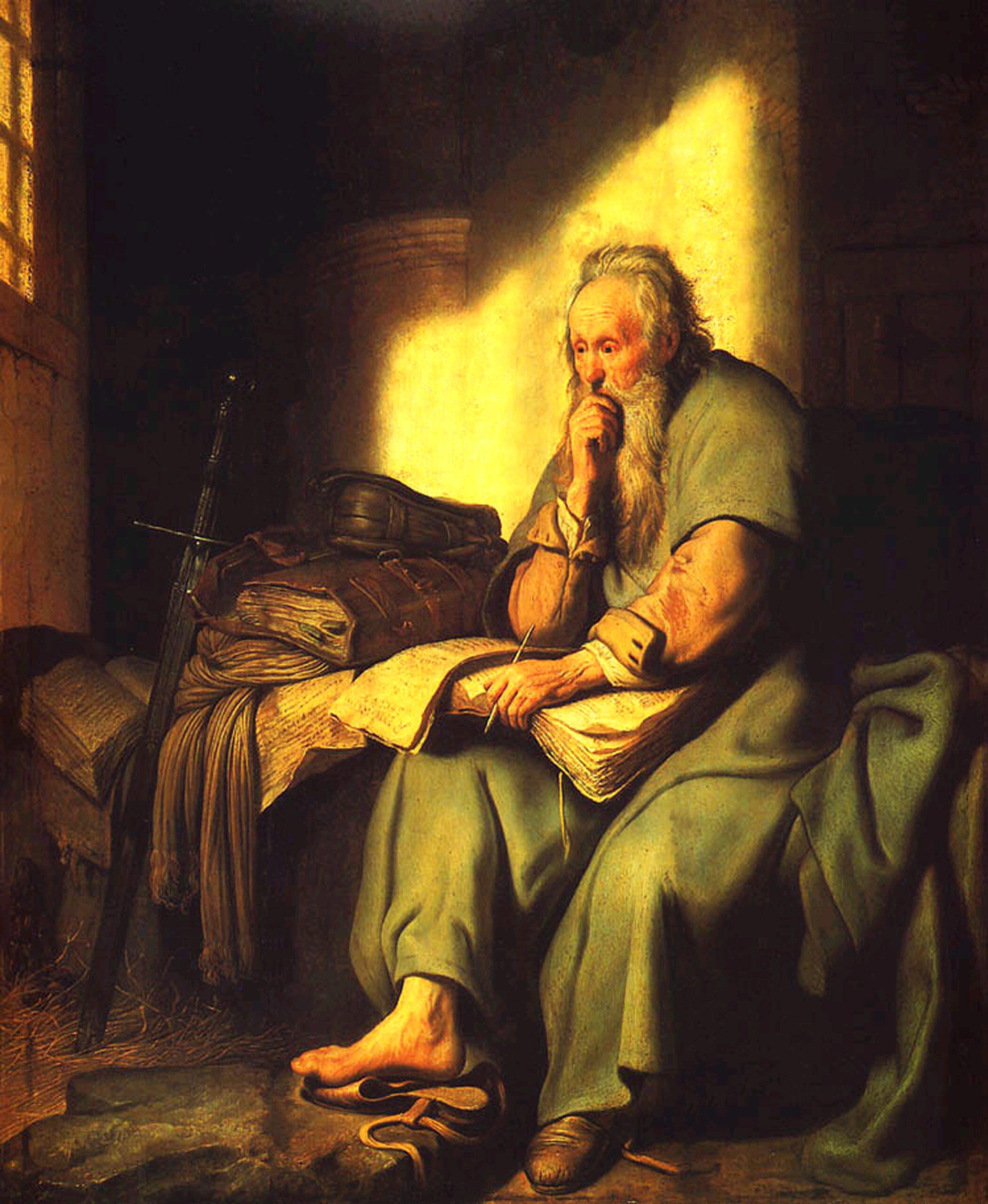
What would Saint Paul say in this situation? Probably the same thing he said to the people in Corinth. He said: “I cannot praise you when I look at you, for your gatherings are not for the better, but for the worse. When you gather, there are divisions among you. Each one eats his own food, and while one is hungry, the other is getting drunk” (1 Cor 11:17-34).
I didn’t intend to read Scripture this way, but it just dawned on me that we need to re-read Scripture based on what is happening. Let each one examine one’s self before eating the bread and drinking from the cup. Otherwise, if you receive Communion and live a life of corruption, you eat and drink your own condemnation. The Eucharist can give you salvation if you live a life of integrity, but if you cheat, if you corrupt the institution and kill hope, that Eucharist will itself condemn you.
*An abridged version of “Corruption and Communion: Struggling for Integrity in Philippine Church and Society,” a communication presented at the 17th National Workshop for the Biblical Apostolate, in Cagayan de Oro City. www.ucanews.org