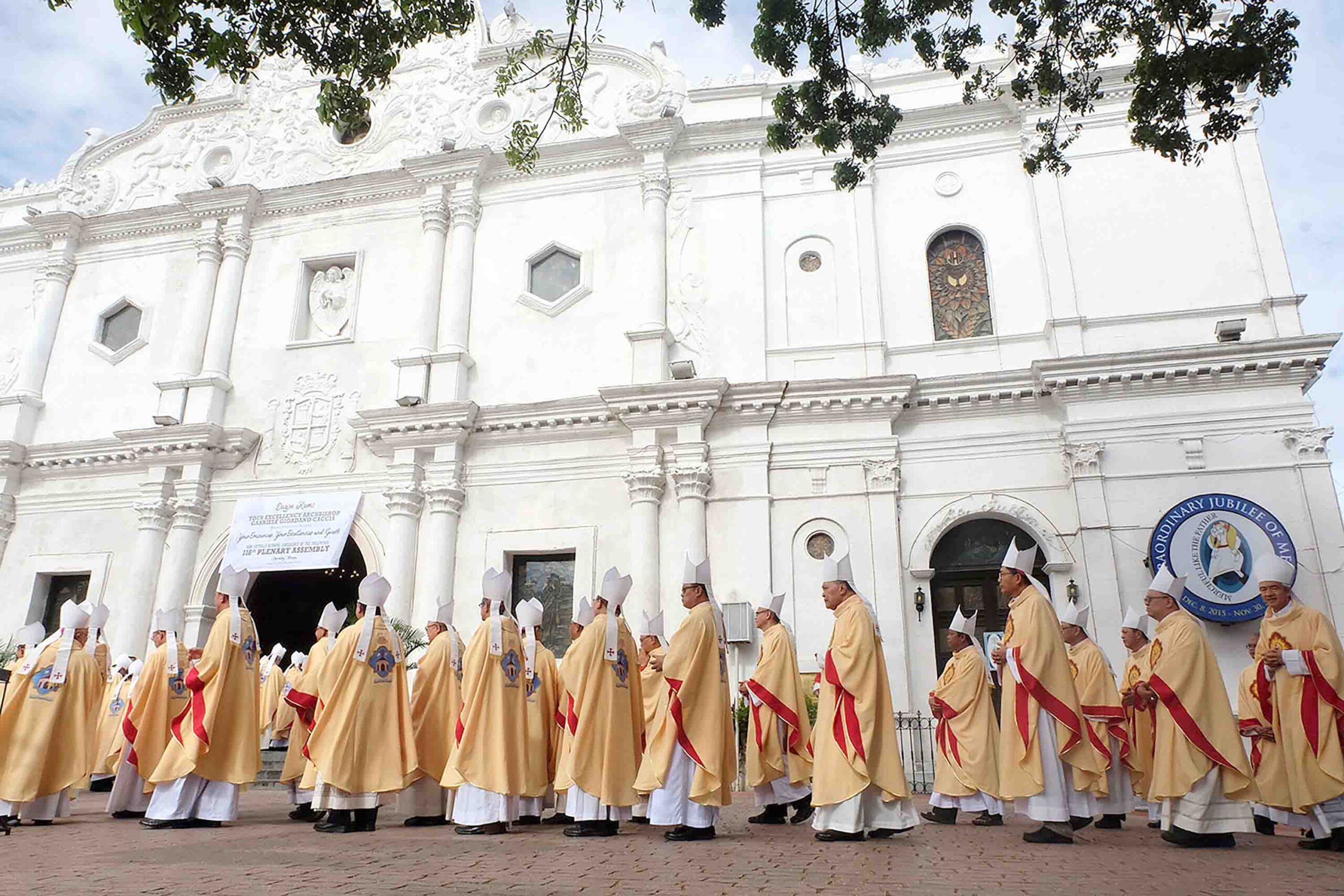
The Catholic Bishops’ Conference of the Philippines (CBCP) traces its origins to the devastation of the Second World War. On February 15, 1945, while the Philippines remained a theater of conflict, a visionary group of prelates established the Catholic Welfare Organization (CWO).
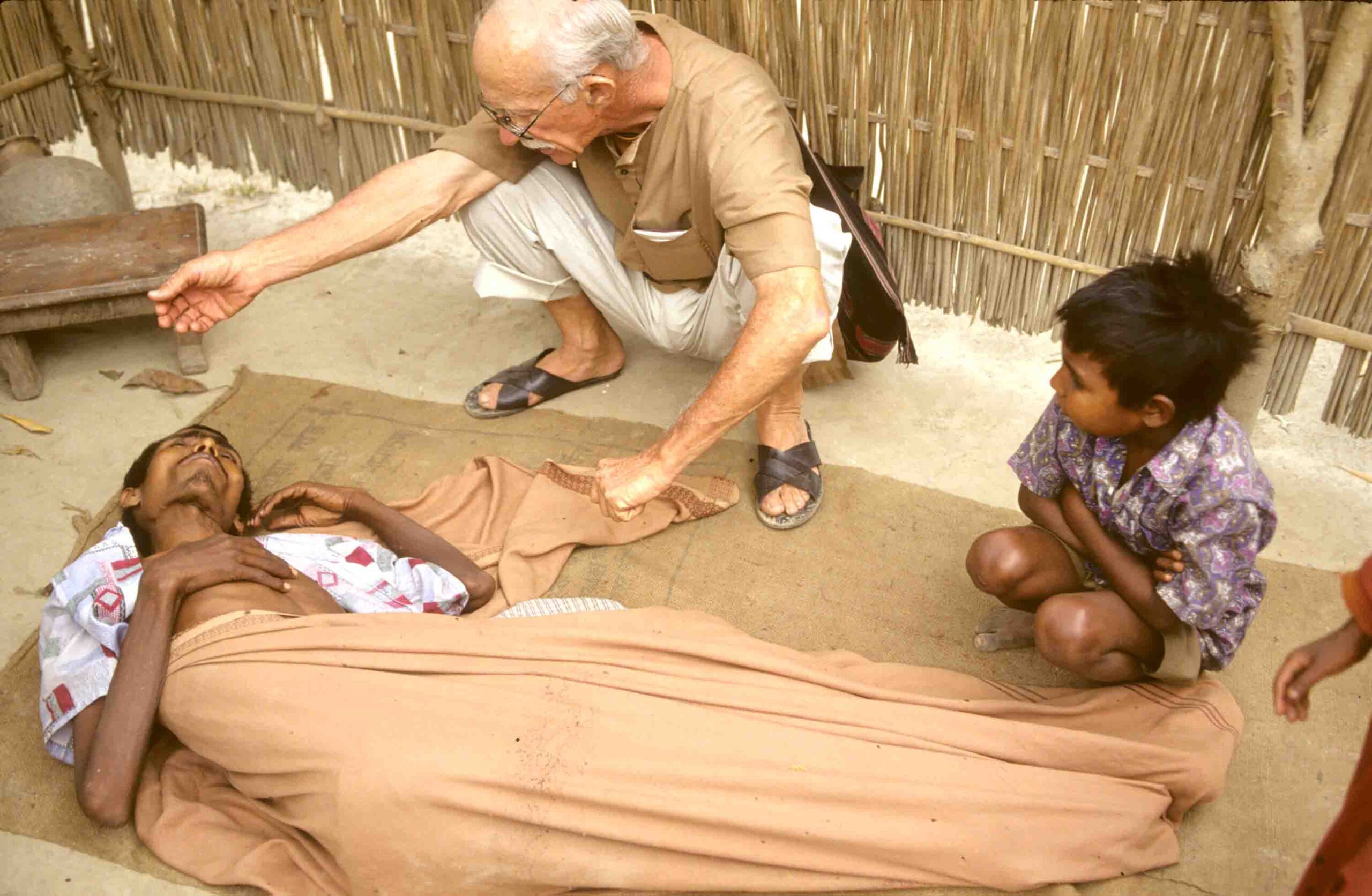
Spearheaded by Apostolic Delegate Archbishop William Piani (1922-1948), the inaugural meeting took place in a makeshift office within the University of Santo Tomas internment camp. Attendees included Manila Auxiliary Bishop César María Guerrero, Archbishop Gabriel Reyes of Cebu, and Bishops Alfredo Verzosa of Lipa, Mariano Madriaga of Lingayen, Constancio Jurgens of Tuguegarao, and Santiago Sancho of Nueva Segovia. The Jesuit Father John Hurley, affectionately known as “Father Mercy” for his tireless humanitarian efforts, joined them.
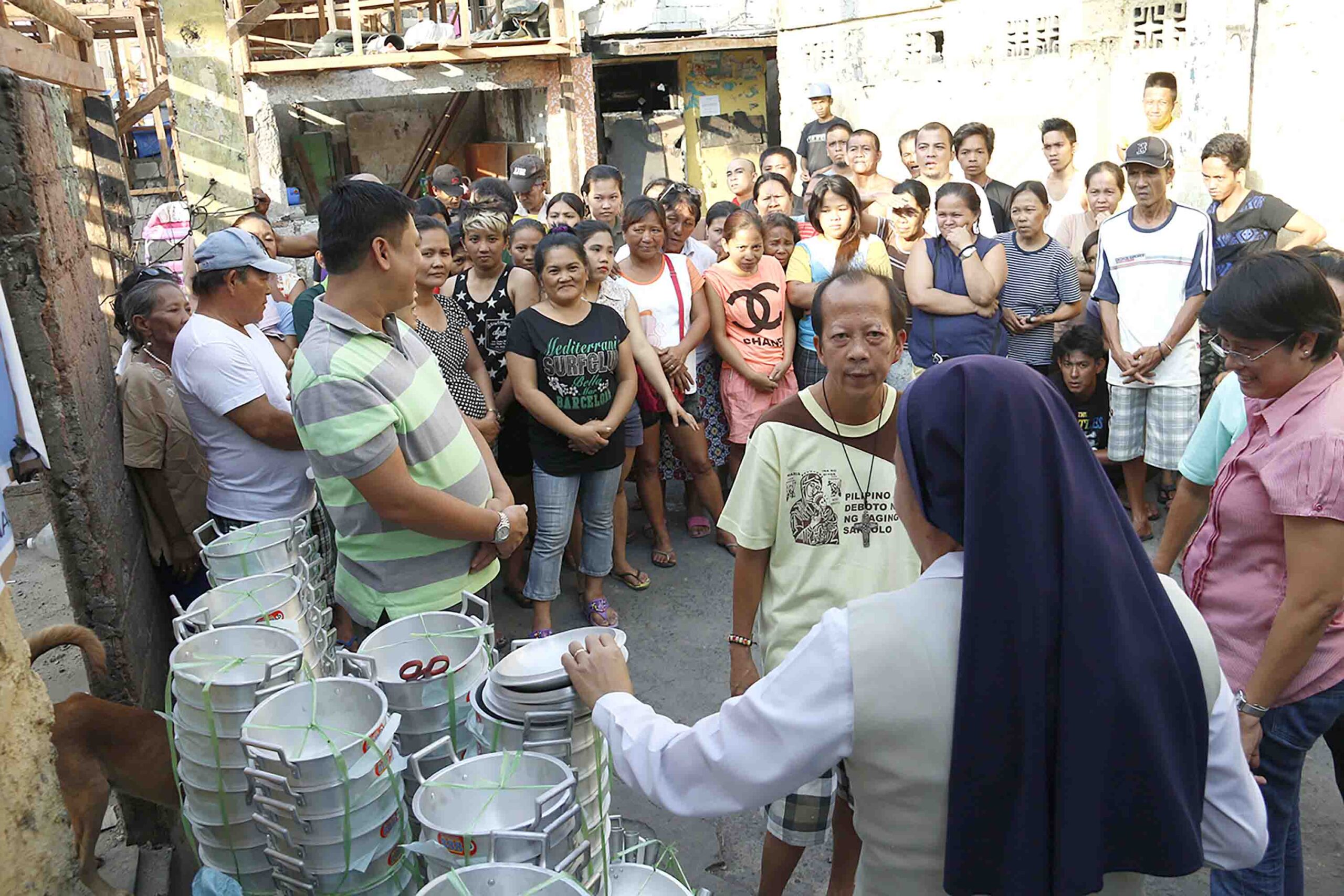
The CWO’s immediate purpose was born of desperate necessity. The bishops offered their coordination services to General Douglas MacArthur to streamline relief efforts. This partnership proved highly effective; within months, the CWO distributed approximately one million pesos worth of food, medicine, and clothing. They provided shelter for 10,000 destitute refugees and assisted thousands of Allied prisoners.
PERMANENT EPISCOPAL CONFERENCE
As the Philippines moved into the post-war era, the Church’s role expanded beyond immediate relief into moral formation and nation-building. The CWO, initially a coordinating body for welfare and education, required a more permanent and authoritative structure to meet these complex challenges.
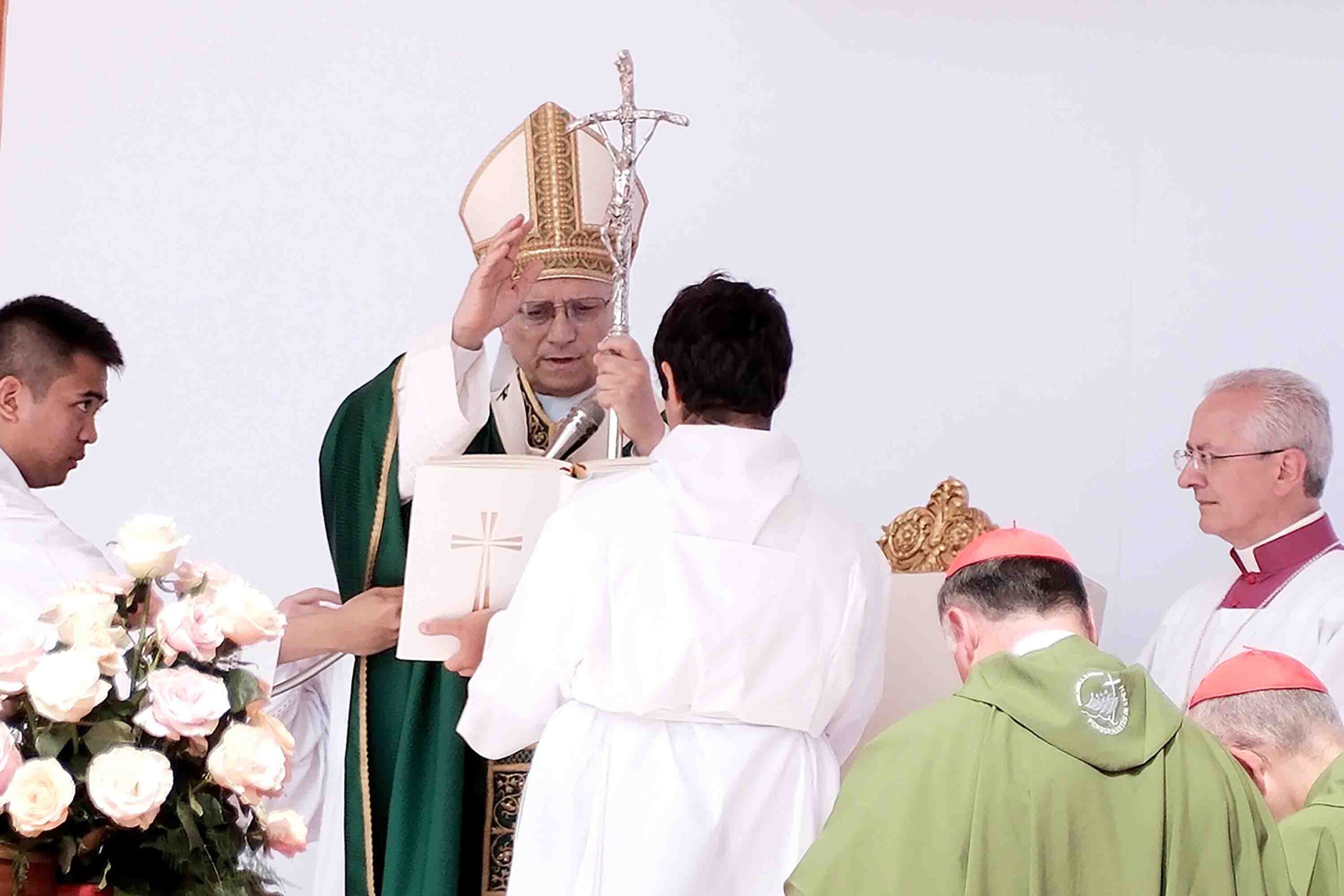
Influenced by the global reforms of Vatican II (1962–1965), the organization underwent institutional transformation. On January 31, 1968, the CWO was reconstituted as the Catholic Bishops’ Conference of the Philippines (CBCP). This shift was more than a name change, for it established a permanent episcopal conference with the authority to issue pastoral letters, coordinate national evangelization, and engage in systematic social advocacy.
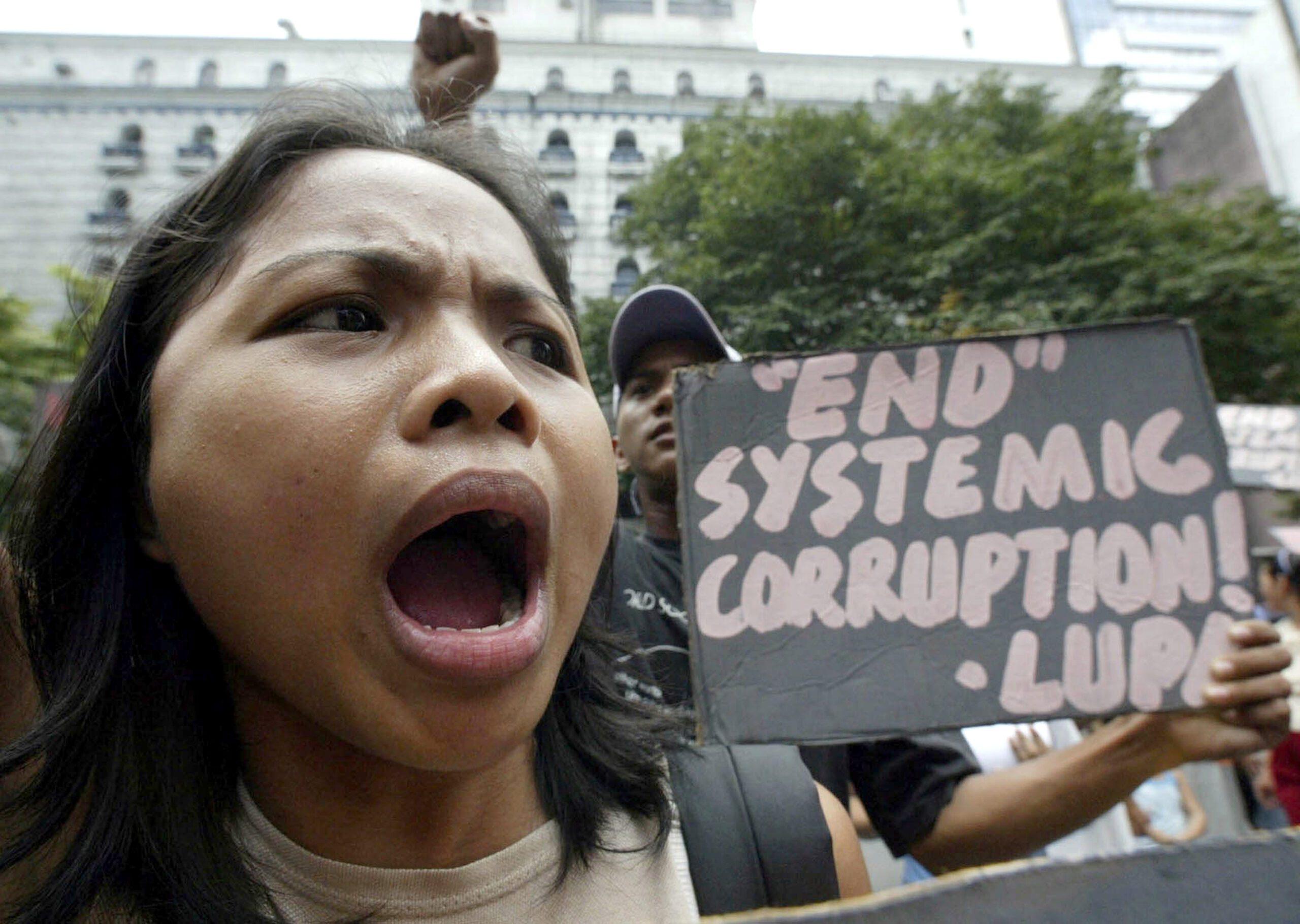
Today, the CBCP stands as arguably the most prominent and authoritative religious body in the Philippines. Because Catholicism is the faith of the vast majority of Filipinos, the conference’s pronouncements carry immense weight, often shaping national debates on corruption, social justice, and family life.
The CBCP serves as a vital component of Philippine civic life, acting as a moral “check and balance” against government injustice. Its historical interventions–most notably during the People Power Revolution–demonstrate its unique ability to mobilize the collective conscience of the nation.
Through specialized commissions and extensive media networks, the CBCP continues to translate theological principles into actionable social ethics, maintaining its status as the country’s primary moral arbiter.
COLLEGIAL LEADERSHIP
The internal governance of the CBCP is regulated by the principle of collegiality, which describes the inherent collaboration between the Roman Pontiff and the bishops of local churches. The College of Bishops is the successor to the College of the Apostles, which was established by Jesus and headed by Saint Peter.
In the Philippine context, collegiality refers to the collaboration of all bishops as they exercise authority over the Catholic population while simultaneously respecting the autonomy of each individual diocese.
The President of the CBCP does not act as a “chief executive officer” but rather as a leader among peers, taking direction from the consensus of the plenary assembly. Thus, the presidency is less about individual power and more about community and the shared burden of leadership.
Gabriel M. Reyes was the first Filipino Archbishop of Cebu. Appointed Bishop of Cebu in July 1932, he became the inaugural Archbishop when the diocese was elevated to an archdiocese on April 28, 1934, serving in this role until 1949, when he was named the first Filipino Archbishop of Manila.
THE TRADITION OF RE-ELECTION
The leadership structure of the CBCP is formally defined by a two-year term for the President. While the internal rules specify this duration, they also allow for the president to be eligible for re-election. In practice, the President can serve a maximum of two consecutive terms, totaling four years in office.
Over the decades, this “two-year term renewable once” system provides a predictable rhythm to the conference’s leadership and ensures a degree of stability in its long-term projects.
A unique historical outlier in this system is Cardinal Julio Rosales, Archbishop of Cebu, who remains the only individual to have served as president in two completely separate periods–once in the early 1960s and again in the mid-1970s–accumulating nearly nine years of total leadership. He also holds the distinction of being the only person to serve as vice president in two separate periods under different presidents.
While the four-year tenure is the norm, several notable exceptions have occurred where a president served only a single two-year term. These instances are typically prompted by specific circumstances such as the mandatory retirement age of 75, health issues, or personal choice.
Interestingly, Cardinal Ricardo Vidal of Cebu, who served from 1985 to 1987, was the first person to serve a strict single two-year term. Other bishops who served a single term since the current system was established include Archbishop Fernando Capalla of Davao (2003–2005) and Bishop Nereo Odchimar of Tandag (2009–2011).
Archbishop Jose Palma of Cebu, who served from 2011 to 2013, provides a famous example of a voluntary single term; he chose not to seek re-election so that he could dedicate his full attention to the Archdiocese of Cebu, particularly in preparation for the 2016 International Eucharistic Congress.
The presidency has also seen a gradual shift in the profile of the bishops elected to the role. For the first 64 years of the conference’s existence, the presidency was held exclusively by Archbishops or Cardinals, usually from large metropolitan seats. This streak was broken by Bishop Lino Gonzaga of the Diocese of Palo (before it was elevated to an Archdiocese) in 1966, and later by Bishop Nereo Odchimar in 2009. His election was a historic milestone, proving that leadership could come from smaller dioceses.
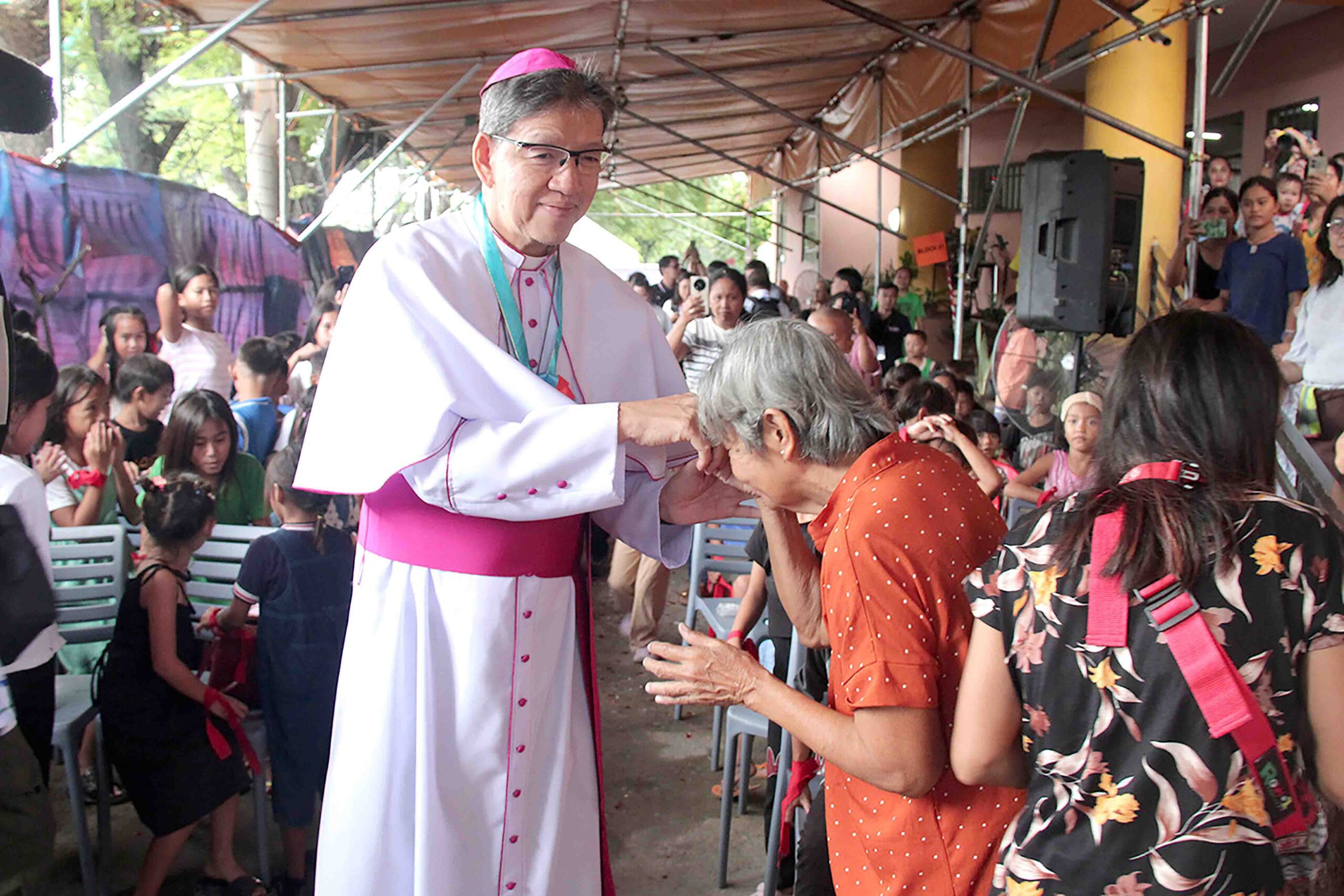
More recently, Cardinal Pablo Virgilio David was elected president in 2021 while serving as the Bishop of the suffragan Diocese of Kalookan. Although he was elevated to the rank of Cardinal toward the end of his term in 2024, his primary identity remained tied to his urban suffragan diocese, further diversifying the leadership history of the CBCP.
VP-TO-PRESIDENT PIPELINE
A significant unwritten rule within the CBCP is the “VP-to-President” pipeline, which suggests that the Vice President is almost always elected as the next President after serving two terms. This tradition is designed to ensure institutional stability, allowing the Vice President to “apprentice” for the top position and ensuring a seamless transition in the Church’s moral voice and social advocacy.
However, this pipeline is not infallible and is occasionally bypassed when the plenary assembly feels a need for a shift in pastoral direction or a change in how the Church engages with the prevailing sociopolitical climate.
Historical disruptions to this succession reveal much about the internal priorities of the bishops. In 1991, the assembly bypassed the expected succession to move toward a more centrist, independent stance following the EDSA Revolution, passing over an archbishop perceived as too sympathetic to the previous administration.
In 2007, Archbishop Antonio Ledesma, S.J., was not elevated to the presidency despite his tenure as vice president. This occurred during the intense debates over the Reproductive Health Bill, where the bishops opted for a more traditionalist approach over Ledesma’s preference for pastoral dialogue.
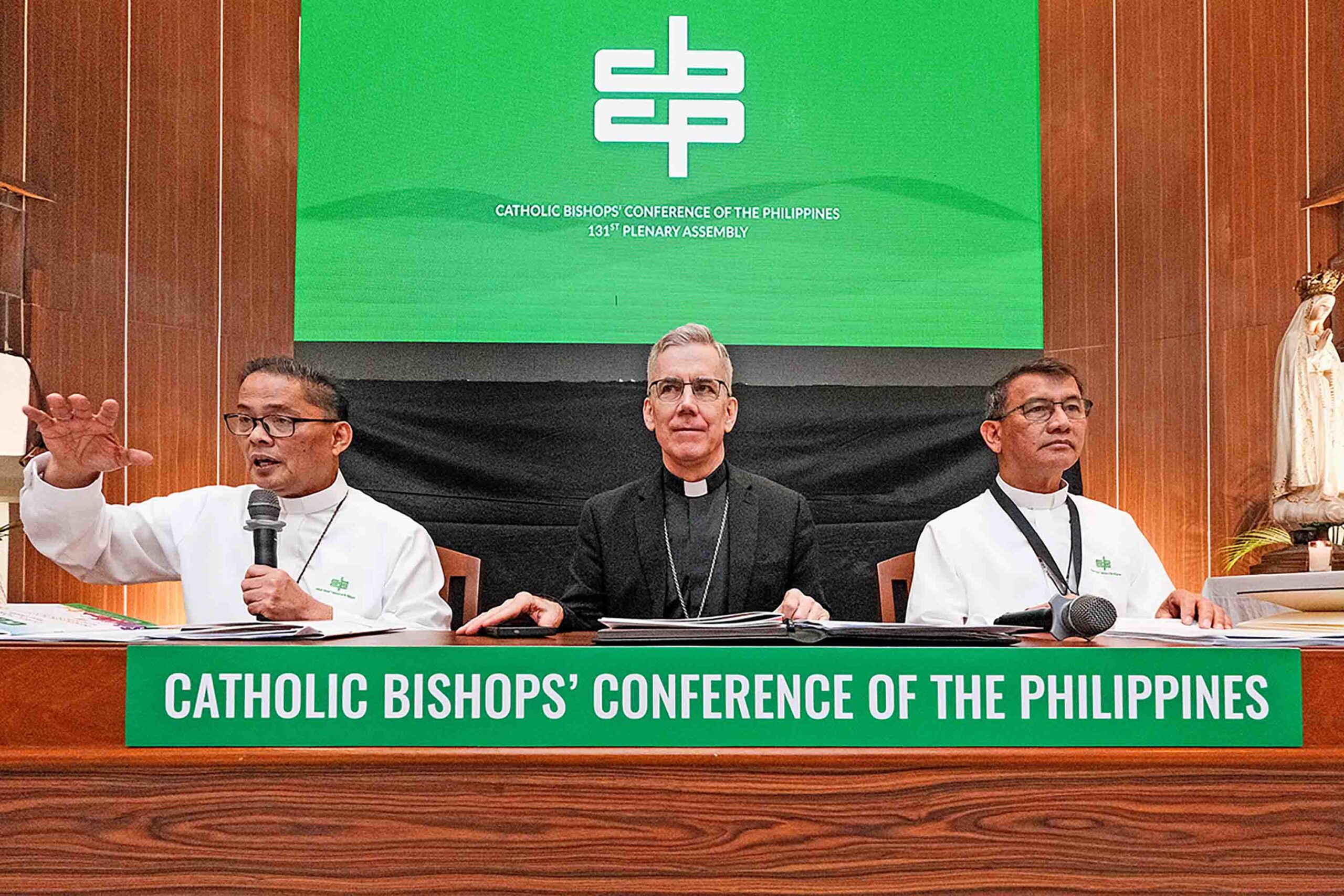
The most recent break from this tradition happened in July 2025 at the 130th Plenary Assembly in Bohol. Despite serving two terms as vice president under Cardinal David, Bishop Mylo Hubert Vergara was not elevated to the presidency. Instead, the bishops elected Archbishop Gilbert Garcera of Lipa to lead the conference, with Archbishop Julius Tonel as the new vice president.
Such tradition breaks serve as a powerful signal that the hierarchy intended to recalibrate its focus, perhaps seeking a different leadership lens through which to navigate government relations or internal ecclesiastical reforms for the 2025–2027 term.
José Mario Bautista Maximiano is the author of the book Citizen’s Guide Vs. Corruption (Claretian Publications, 2026) and three-volume series on 500 Years of Christianity in the Philippines (Claretian Publications, 2021, 2022). Email: jomaximiano@gmail.com