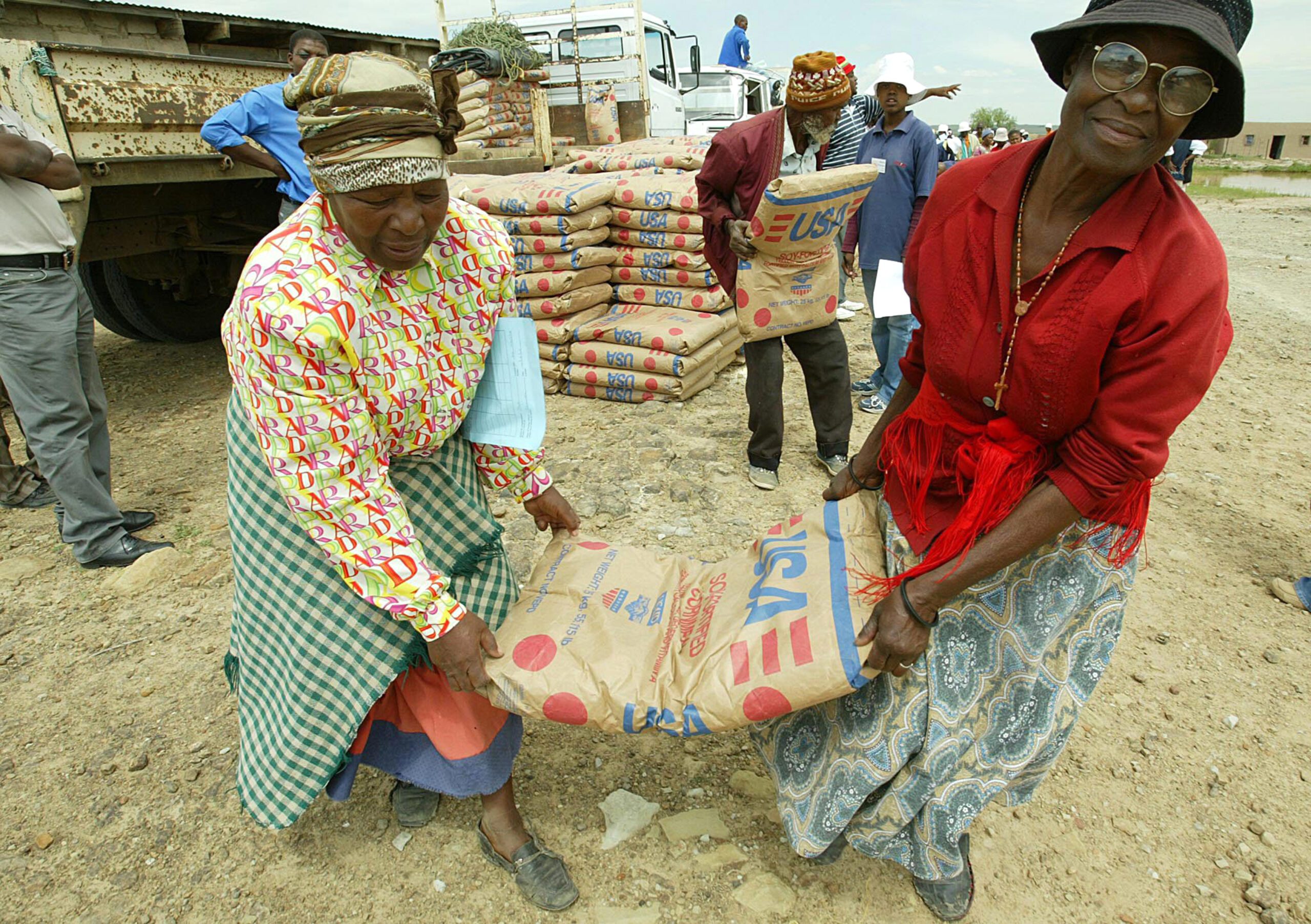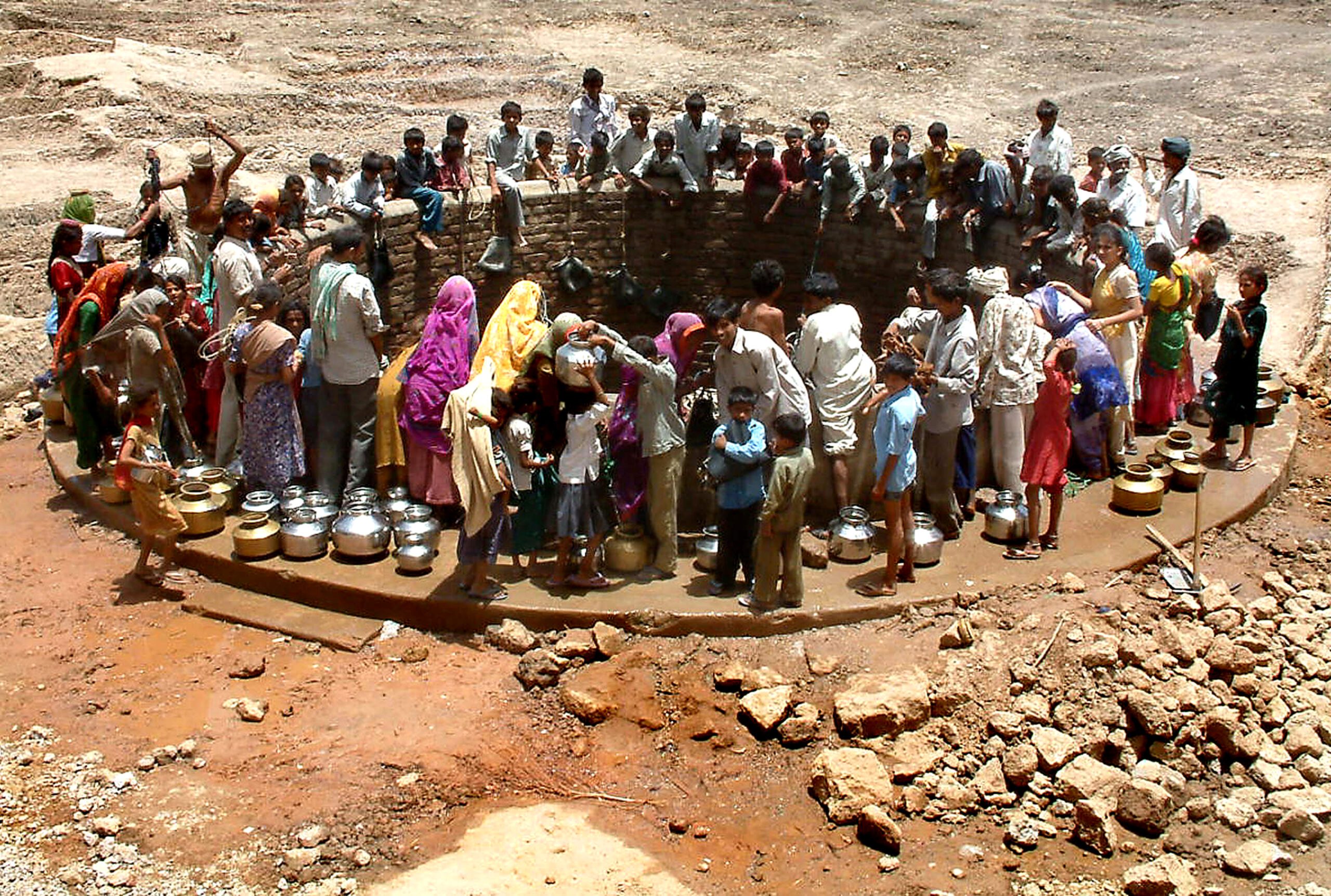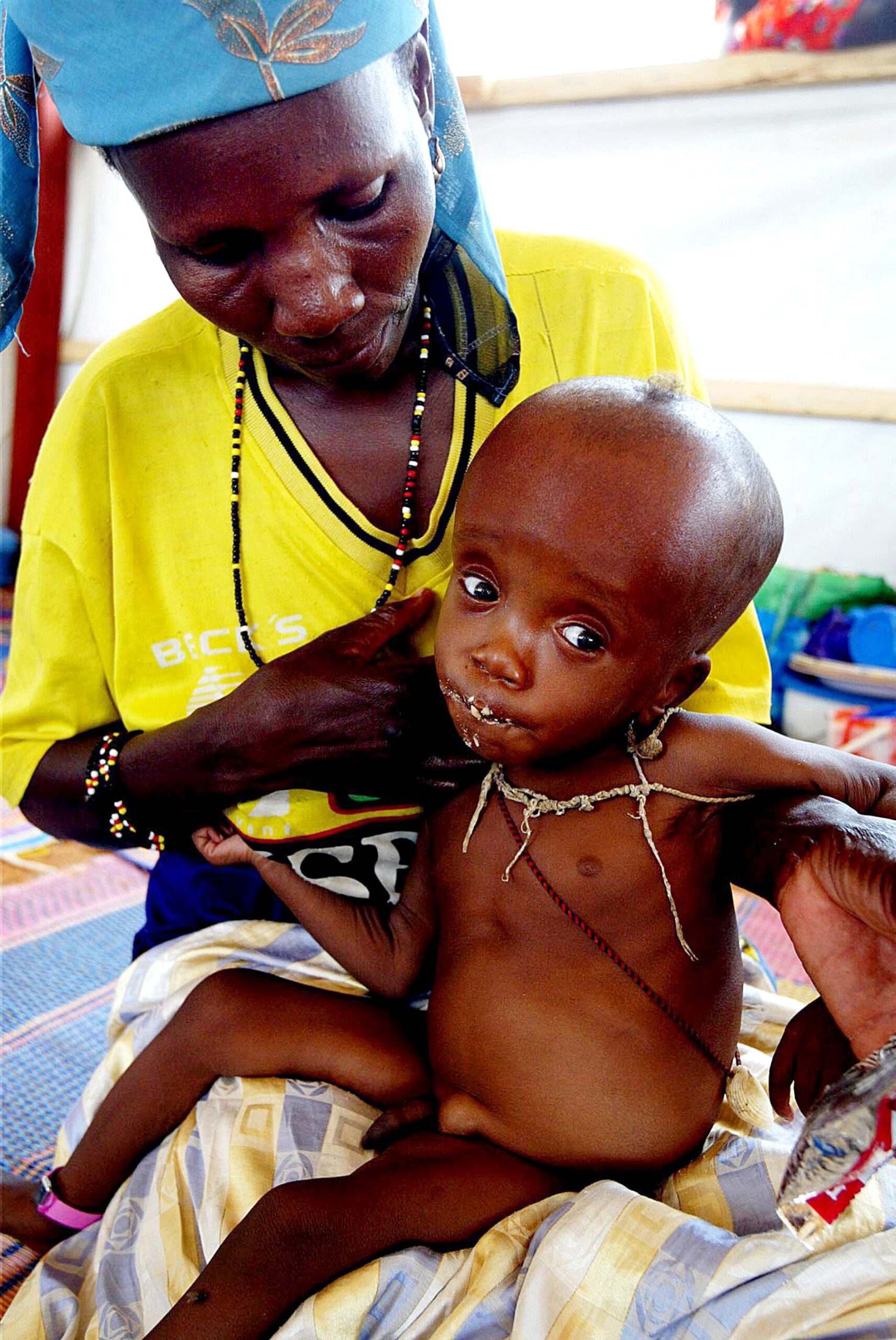

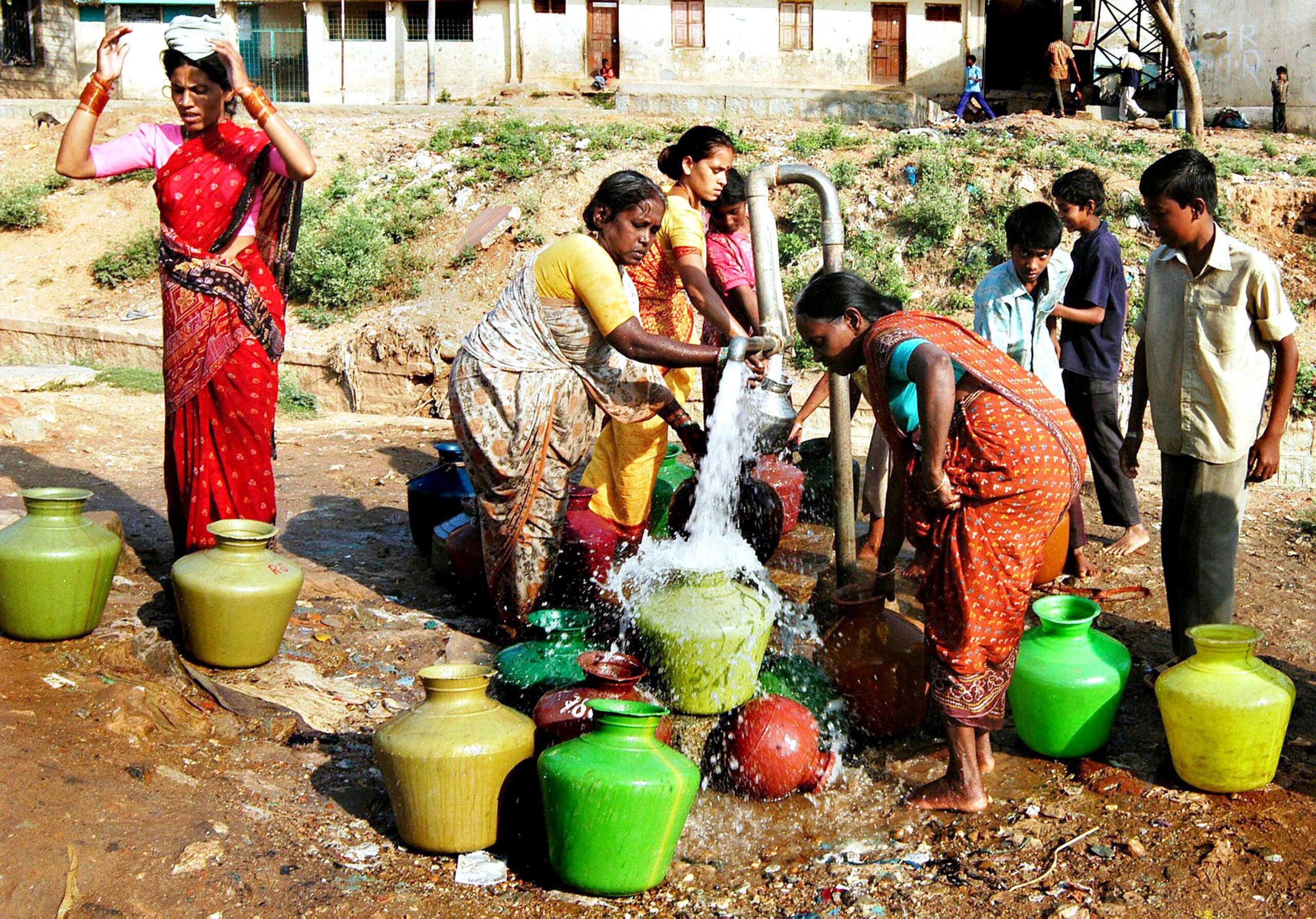
u The problem of water scarcity and water deprivation is experienced most dramatically by men and women living in poverty and often in the poorest countries. However, the concept of “family of nations” recalls that responsibility for the destiny of the less favored countries rests also with those more richly blessed. The many children who die each year in poor countries due to lack of access to safe water and sanitation are a loss for the future of the whole world and for humanity as a whole.
u Properly addressed, this challenge has the possibility to unlock huge potential and to transform countless lives. Investments for safe water and sanitation can, in turn, be an engine for accelerated economic growth, sustainable development, improved health and reduced poverty.
u The requirements of developing countries in the water sector are at times so great that they cannot be resolved by developing countries themselves. Developing countries require the necessary know-how and technology, along with developmental assistance of a scale sufficient to address major projects needed, to guarantee access to safe water and sanitation for the present and future generations. Development efforts in poor countries risk being in vain without a deep and worldwide engagement.
u Water is a natural resource vital for the survival of humanity and all species on earth. As a good of creation, water is for all human beings and their communities.
u Water is much more than just a basic human need. It is an essential, irreplaceable element to ensuring the continuance of life. Water is intrinsically linked to fundamental human rights such as the right to life, to food and to health. Access to safe water is a basic human right.
u The vital importance of water to humanity means also that it is a strategic factor for the establishment and maintenance of peace in the world. Water is a dimension of what is referred to today as resource security.
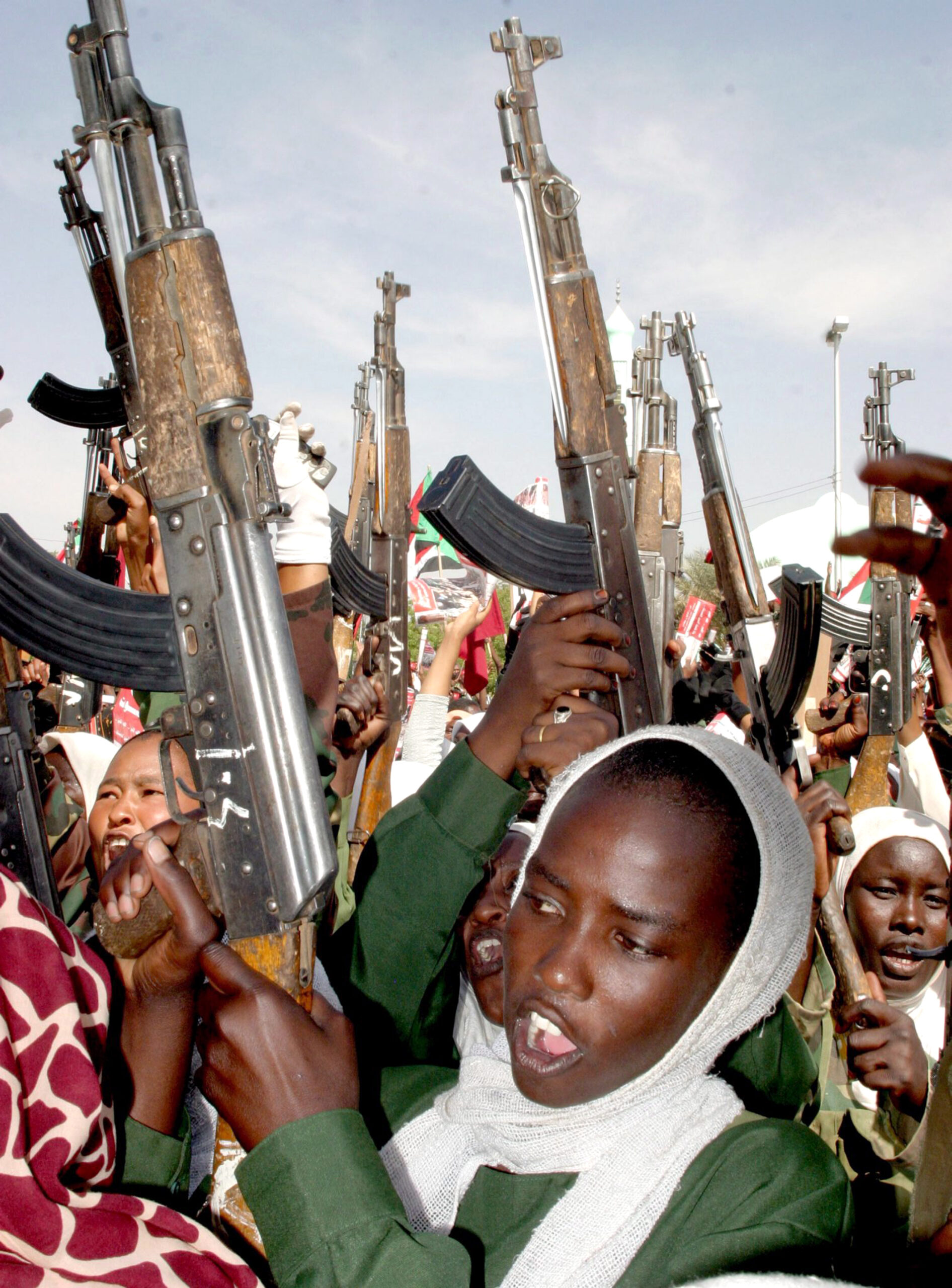
u It might be useful to take two examples: the Horn of Africa and the Middle East. The extreme drought in the Horn of Africa is intensifying ethnic tensions and conflicts for the control over the few, still available, water resources. This drought is threatening the food security of already poor populations and has led to a food emergency situation. In the Middle East, the main problems with water are related to tensions among countries generated by water scarce environments, although often masked by ongoing political tensions. Water scarcity can present a clear danger to the internal stability of countries in the region.
u Water can, in so many ways, become an indispensable element for the security of peoples and nations. To foster peace and an appropriate level of security in the current world situation, governments and international organizations will inevitably have to increase efforts to ensure that every person has access to safe water.
u Water is central to life. However, all too often, water is not perceived as the luxury it really is, but is paradoxically wasted. This action of wasting water is morally unsustainable. Citizens in some countries are used to taking advantage of a privileged situation without thinking of the consequences of their wasting water on the lives of their brothers and sisters in the rest of the world. There is an urgent need to regain a “culture of water,” to educate society to a new attitude toward water. In many ways our esteem for water has fallen. Traditionally, water was revered and protected, even celebrated. Today, it runs the risk of becoming a mere consumer product. Poor water management is a major contributing factor to most of the water problems evidenced today.
u An essential component of good management is community participation and ownership. Marginalized groups within the community need to be consulted about appropriate solutions to their needs. Traditional knowledge can be vital in planning water resources. More highly technological solutions can often ignore local knowledge regarding terrain and climate and, more importantly, the human component.
u Management decisions that impact the distribution of water must also respond according to the criteria of justice. The human right to access to safe water and sanitation must be promoted in such a way that existing inequalities are reduced to the greater well-being of the least advantaged.
u Public-private partnership can play an important role in providing access to safe water, provided that the different stakeholders work together for a common objective: that of guaranteeing access to safe water and sanitation for all. This does not negate the principal role of the State in fostering the realization of the right to access to safe water and sanitation.
u There are particular ethical issues involved in water management decision-making. Perhaps the most controversial and contentious of these issues is water pricing. At present, people living in poverty often pay substantially more for access to safe water and sanitation than those more financially secure. The payment by the poor is not limited only to the financial realm. Many times they pay more also in terms of physical effort and in terms of their health.
u Pope John Paul II recalled that there exist important human needs which escape the market logic and water is precisely one of these. It cannot be used solely as a means for profit because it is essential to the survival of the human person and thus cannot be transformed into a good reserved to the exclusive advantage of only those who can afford to pay for it.
u All men and women must be animated by the confidence that nature has in store secret possibilities which are up to intelligence to discover and make use of in order to reach the development which is in the Creator’s plan. This hope in the Author of nature and of the human spirit, rightly understood, is capable of giving new and serene energy to all of us.