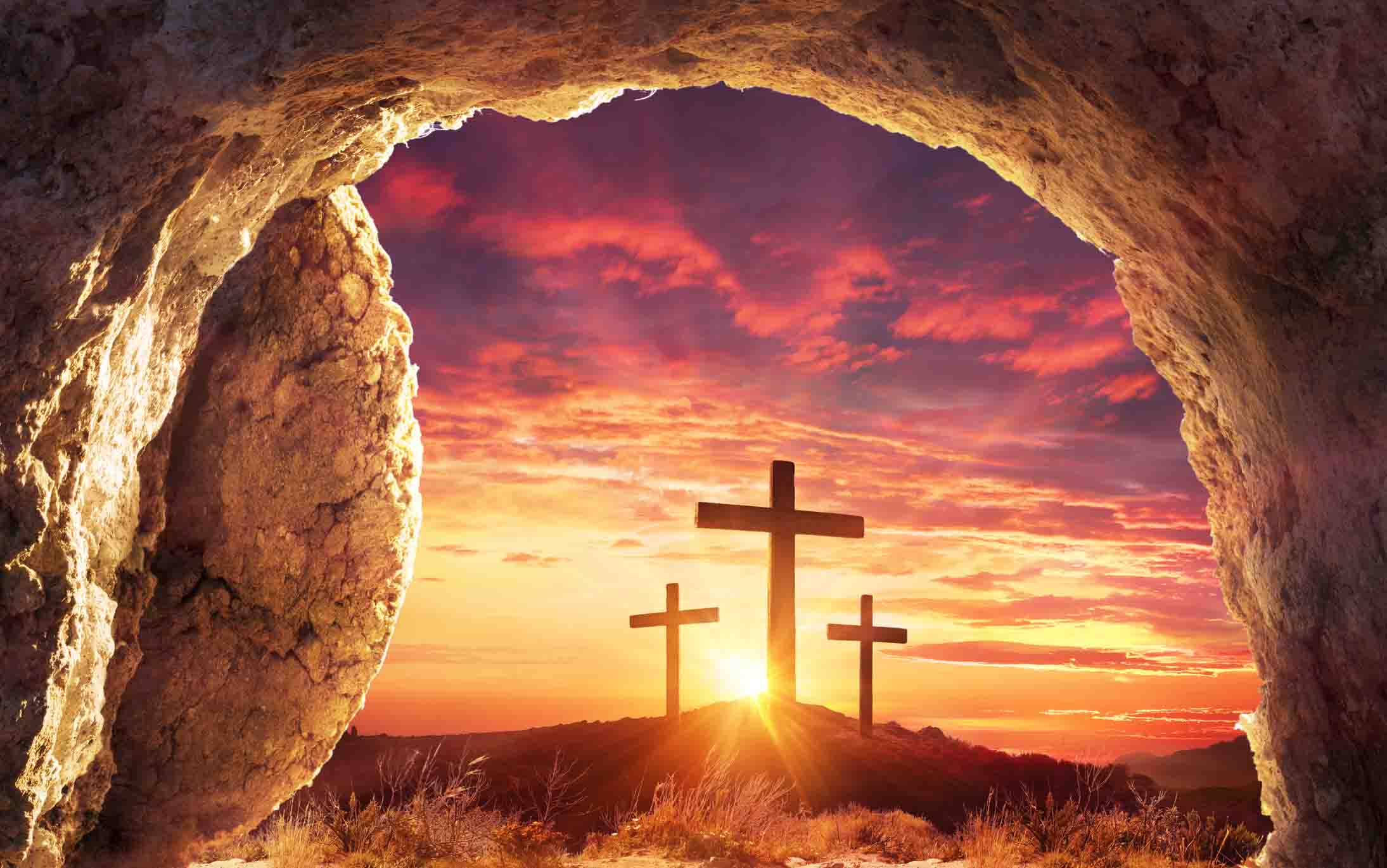
The month of October and November comes in a triple celebration for Halloween, All Saints’ Day, and All Souls’ Day (referred to as days of the dead). In an interview from ETWN Vatican, Fr. John Wauck, a priest and a literature professor at Cross University in Rome, stated that Halloween is actually one of the most Catholic holidays celebrated worldwide.
The word ‘Hallow’ means holy and is usually used in Catholic phrases like “Hallowed be Thy Name” (Our Father prayer).
Halloween is the short term for “All Hallows Eve”, celebrated every 31st of October, alongside the two solemn occasions. It is believed that during Halloween, people gather to do trick or treating, wear creative costumes, and even watch their favorite scary movies, tracing the method of celebrating Halloween in the modern era to the roots of the Celtic festival of Samhain.
The Celtic word Samhain or Samain, means the “end of the summer,” welcoming the autumn and winter season. The Celts believed that winter is the “Lord of the Death.”
The modern Halloween appears to trace its origin to the practices of the ancient Druids at their Winter Festival on October 31, where the concept of wearing costumes and offering food, such as treats or participating in trick-or-treating, was practiced by the ancient Druids.
ORIGIN OF HALLOWEEN
According to the website The Catholic Company, Halloween is a holy day. It has no origins related to paganism, Samhain, ancient Druids, the cult, or Satanism. This is a common misconception to raise propaganda of anti-Catholicism. It is said to have no basic or historical facts.
The relationship of Halloween, All Saints’ Day, All Souls’ Day, and Samhain is purely coincidental and has no connection. But let’s stop talking about the Samhain here. History comes maliciously when it comes to Halloween, but Catholics regain faith to continue loving and embracing the spirit of the dead.
The Triduum feast is globally recognized in the Catholic heritage. The symbolism of Halloween highlights how the holiday originated after Pope Gregory III (731-741 AD) dedicated a chapel in St. Peter’s Basilica to all the saints in Rome.
The celebration was limited to Rome only, and afterwards, the pope announced it as a feast day for the entire Catholic Church. This significant holiday originally occurred on May 13, and was later recognized as an official date of the Feast of All Saints on November 1, marking a permanent change to all liturgical calendars.
The chapel was built to provide an oratory to honor all the saints, martyrs, confessors, and other holy men and women. This is in behalf of extending the observance to commemorate the day of all saints to the entire Christian church.
The oratory includes the Roman Martyrology, wherein it is the official and accredited catalogue of martyrs, saints, beliefs, and date to commemorate accordingly. Every church has its special martyrology.
Halloween is on October 31st, and All Saints’ Day is celebrated on November 1st. Vigils correspond to these with special dates, as they are as important as the feasts that begin the night before the feast itself. Vigils include the prayers of the Liturgy of the Hours (Divine Office).
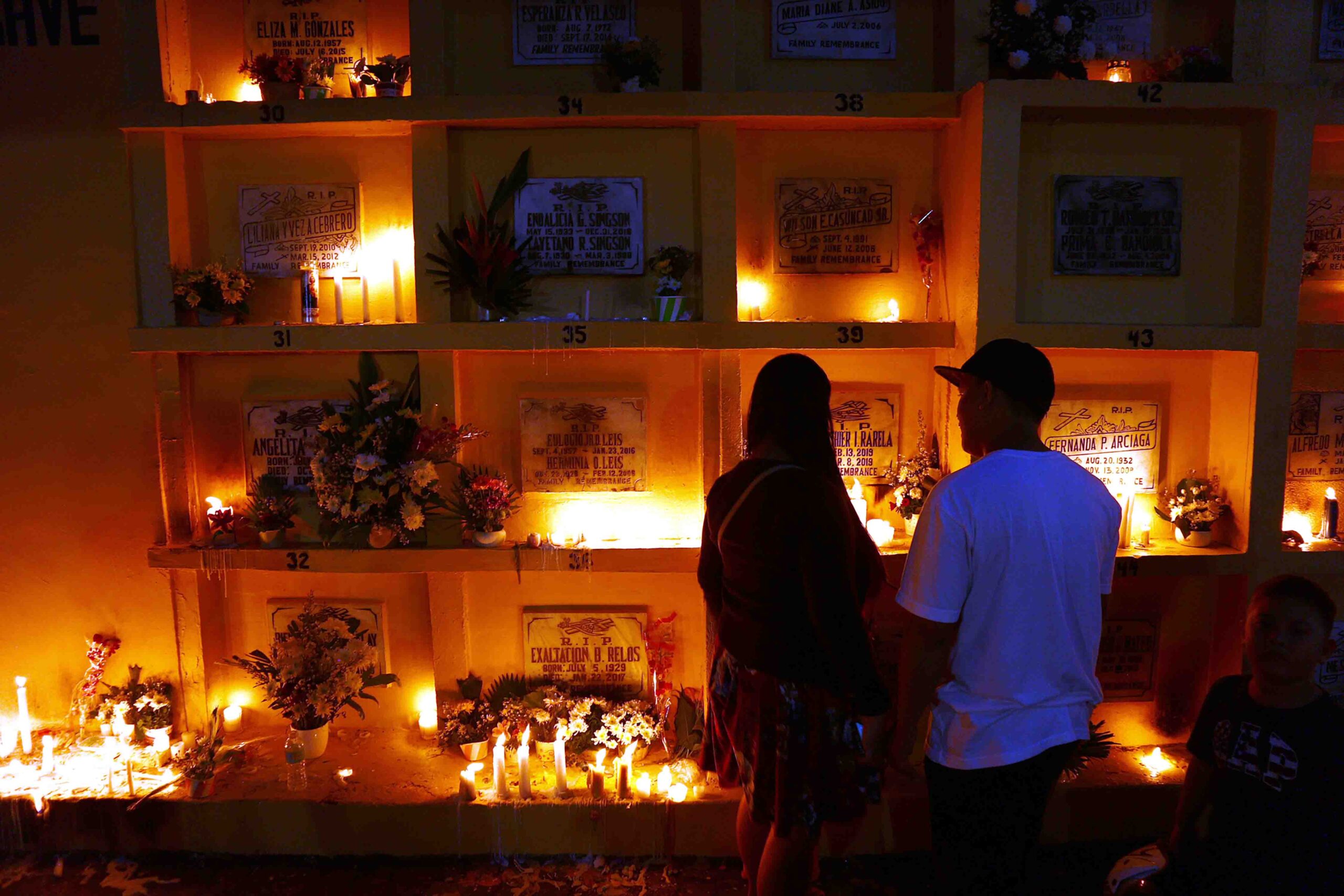
The Philippines experiences the season’s long holiday in observance of the saints and souls period–‘Undas.’ Filipinos traditionally connect the tapestry of cultural practices, as this season makes most of the plane, bus, and pier stations overcrowded and fully booked for the two-day holiday, to go back to their own provinces, attend family reunions, and visit cemeteries with their loved ones.
WAYS TO CELEBRATE
But how can you celebrate your Halloween as a Catholic? Let me provide you with a list of things to do during this Halloween season.
Visit your nearby church. It is good to feel the solemn echo of silence behind the four corners of a room, looking straight at the altar and praying to God. Nothing beats a good conversation with Him.
Light a candle at a tombstone. It may seem eerie and scary to visit cemeteries, looking at the shadows cast upon the reflection of the moon, but you don’t need to worry. As you visit cemeteries, light candles on tombstones, bring fresh flowers, and offer food for the bereaved, you can find comfort in the tradition. The food offered for the deceased relative is placed in a container with a small portion, which no one should eat. It is nice for them to have you around and celebrate in peace.
Binge-watch your favorite Catholic movie. People often celebrate this day by having their own special day to relax, enjoy a cozy bed, eat their favorite food, and binge-watch their favorite movies. The Philippine television networks usually air old Catholic movies and even a Superbook (a Bible-based adventure of two time-travelling children), an animation for kids to enjoy.
Join Halloween parties. It’s never too late to join parties. You can bring your child, wearing their favorite saint costume, and reciting a prayer in exchange for a candy, or you can organize your own parade and party at your house. Read about the lives of the saints or give out holy cards. Introduce to your child that they are the Children of God.
Carve Saint O’ Lanterns. Instead of a traditional figure of Jack peeping into the light by the shadow of the pumpkin, try carving any Christian character or saints into your pumpkin, making people look confused and asking why it is not the normal lanterns that they see every Halloween. Don’t be too scared to do something new.
Offer a Bible study. You can never go wrong by forming a group of people to share their sentiments. It is about discovering their faith and learning to trust someone with their story–relating to the story of God. If you can’t trust someone, you can trust these Bible mates of yours to relive and devote.
Pray for them all. Include them all in your prayers. It could be your family, friends, relatives, enemies, neighbors, your crush, saints, souls, and pray for the dead, as they cannot pray for themselves, or worse, they do not have someone to pray for them. Most parishes display a “book of the dead” in which you can write the names of the deceased, and they can let the community, priest, and people pray for them.
Eat your favorite meal. Don’t forget to cook your favorite food and share it with anyone who misses the feeling of having someone to treat and take care of them. One experience may heal another soul. Heal their pain and let them heal yours as well. Good behavior costs you nothing.
In other countries, offering a treat to someone during the feast day also happens. In Europe, people prepare soul cake–a round sweet bun, or food, where the children or the poor would go from door to door on Hallowmas, and sing prayers in exchange for food. This is the process of ‘souling’ and is usually served in England.
Another example is pan dei morti or ‘bread of the dead’, with the same process of souling, often served in Italy, and referred to as pan de muertos in Spain. In one cake given, one soul is saved. This is believed to be part of the historical tradition of giving a cake that could lead to the salvation of the soul.
Soul cakes are often served with fruits and raisins, wherein it says in the Bible, “Then he gave a loaf of bread, a cake of dates and a cake of raisins to each person in the whole crowd of Israelites, both men and women. And all the people went to their homes,” (2 Samuel, 6:19).
But for those who are living, the daily bread cannot satisfy their souls. Bread offertories are substitutes to satisfy your stomach and not your soul. Breads are made to connect to Him, to see Him. Bread sustains the body. The word of God nourishes the soul. You can surrender your soul to Him.
CATHOLICS ON HALLOWMAS
You cannot convince all people to at least try the practices listed above but Catholics do. These Triduum feasts do not follow the usual chaotic, extravaganza, and colorful type of celebration, but what matters most is remembering the dead.
This season is solemnly given back to let the souls roam, be free, and be with their families.
When you die, it’s not the end of you. It’s not the end of your identity. People will remember you for the memories you left and the moments you shared. The persona of a human being depends on how they will remember you as a person, and not as a dead body, but through the life that you have lived. God died, and yet after thousands of years, he is still remembered, just like others.
Everybody has been given a life to live, a body to die, and a chance to be reborn and be remembered. Let these Triduum feasts join you for a solemn celebration, with peace, and with the presence of God.