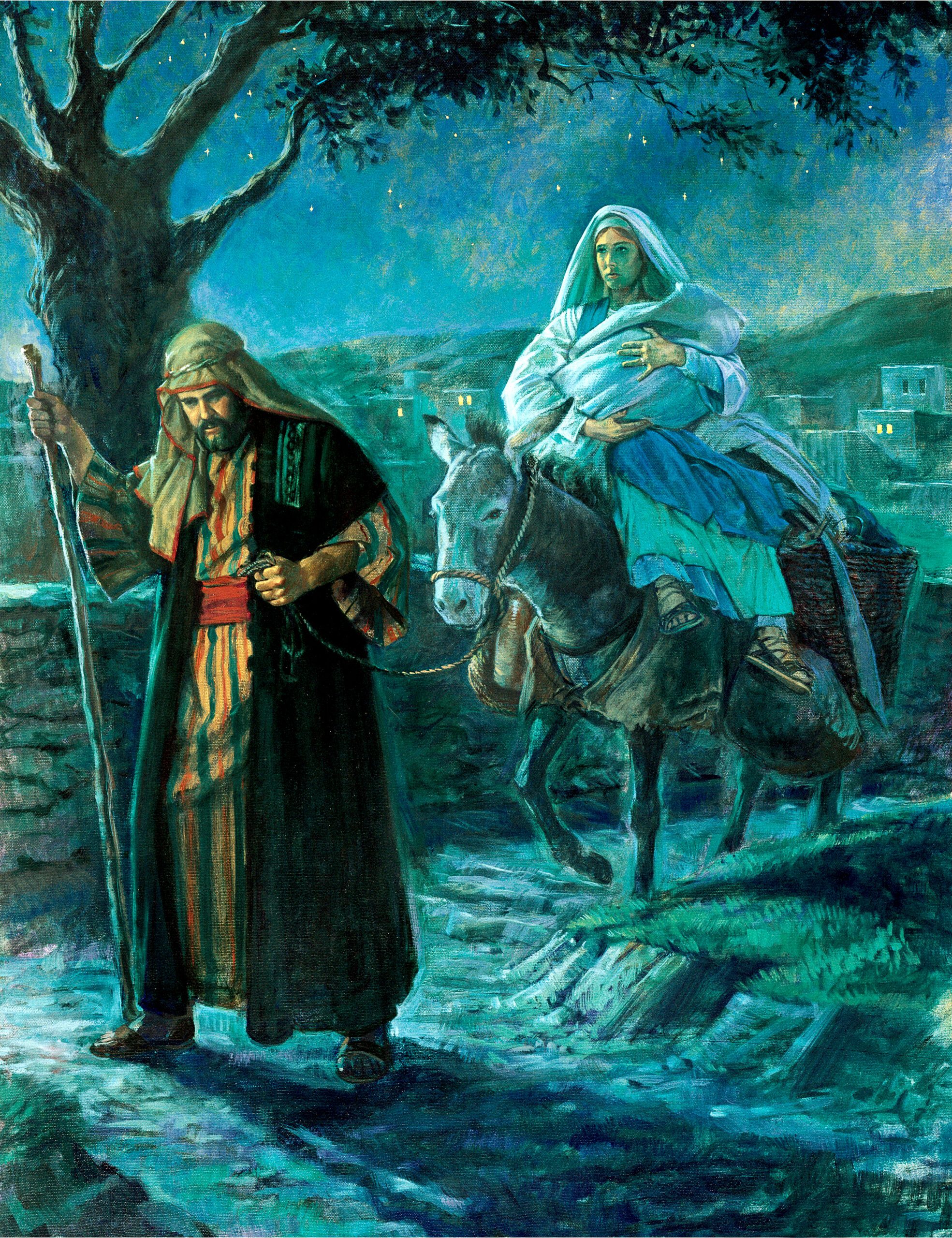
Did Jesus speak Egyptian? He spent a number of years there as a political refugee from the grasp of the group of King Herod who sought to kill him. Matthew’s gospel reference to the flight to Egypt of Jesus, Mary, and Joseph has been rarely reflected upon in my experience of hearing the Gospel. In fact, I can’t even remember it being pondered on. It almost seems a strange side story in the life of Jesus, more ignored than investigated.
There is no liturgical feast which celebrates this unusual episode in the Jesus story. It doesn’t seem to capture the imagination or attention of Christians. For a brief time, it was commemorated, primarily in France, under the title “The Feast of the Ass” in reference to the donkey which carried the Holy Family into Egypt. But that was discontinued. Only Coptic Christians in Egypt continue to commemorate it because they are the dominant Christian community in Egypt. The Holy Family’s sojourn there would be special to them. We don’t know how long Jesus remained there. Was he there long enough to learn the language? According to Matthew, when Joseph received word that Herod was dead, it was safe for them to return. The majority of refugees, however, rarely return to their homeland; they would only prefer to return home if it is already a safe and secure place for the family rather than remaining refugees in a foreign, unfamiliar country.
HEROD THE CRUEL
The gospel of Matthew is the only one which records this highly political event. The flight to Egypt is the result of the threat of King Herod toward Jesus. Herod the Great should be remembered as Herod the Cruel because he murdered so many persons, including members of his own family. It was said of him: “Better to be Herod’s pigs rather than Herod’s sons.”
Matthew writes that Herod was threatened when he heard from the Magi the birth of a new king of the Jews. Herod considered this a threat to his power. He requested the Magi to report back to him when they found this new king so that he could go and worship him. This was a ruse on Herod’s part according to Matthew. Once the Magi found Jesus, they also grasped that the situation is politically charged. Alarm bells rang for Herod when he heard them refer to Jesus as the new born king of the Jews.
The plot thickens. Herod realizes he’s been duped and the Magi didn’t return to him but took another route back to their own country. Inflamed, Herod then ordered all males two years or younger to be slaughtered in Bethlehem. While the slaughter of the innocents is more often commemorated than the actual flight, the number slaughtered became exaggerated in the retelling of this account. Scholars claim that perhaps less than twenty males were slaughtered as the population of Bethlehem was small then.
The Flemish painter, Pieter Bruegel, took Matthew’s story of the massacre of the innocents to apply it to the political upheaval in the Netherlands in 1566 when the Spanish slaughtered innocent persons. His painting, “The Massacre of the Innocents” depicting this event was completed in 1567.
Unfortunately, the plight of innocents continues in various ways today: political instability, diseases, natural catastrophes, resulting in many innocent persons being slaughtered needlessly. In many instances, there are few or no place of refuge for the all too many innocent victims.
‘FLIGHT’ AND ‘PLIGHT’
The “Flight to Egypt” is a highly political-charged story and has more relevance to today’s political turmoil, affecting not only the children but also the parents and guardians of children. The word “flight” implies an emotional upheaval, something perilous. And the word “plight” is similar. Both words convey running away, escaping from something dangerous, difficult, and unfortunate.
The flight and plight of children continues as a thread in the events of today’s world. As in many places, the massacre of innocents, particularly children, continues unabated.
The difference between the flight/plight of children today and in Jesus’ time is the process of entering other countries as refugees. We can infer that Joseph and Mary had no problem in entering Egypt for Jesus’ safety.
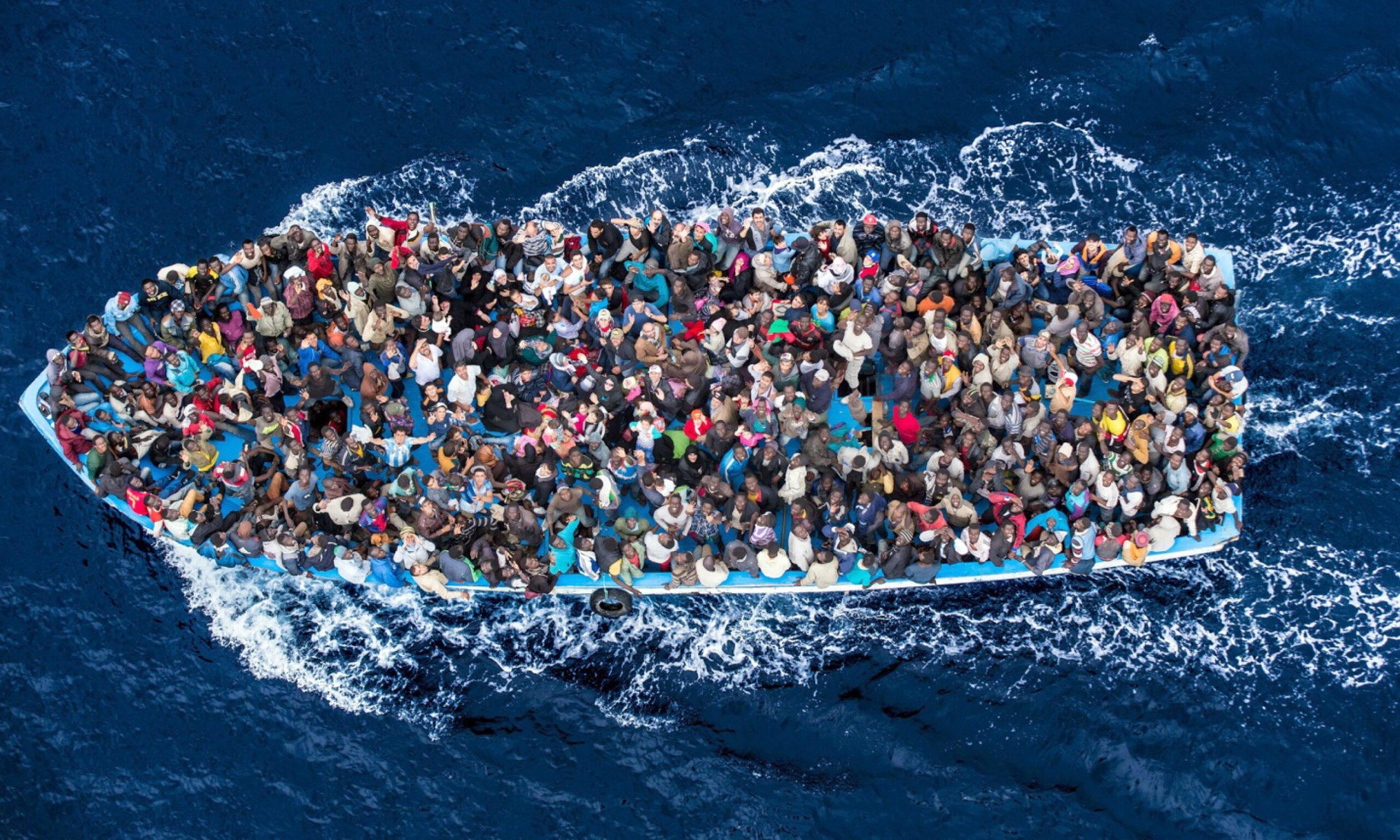
Today, political borders are clearly drawn and more often closely monitored to prevent people from entering without a passport. Countries, currently, are hesitant in welcoming refugees seeking entry. Many countries refuse outrightly or have quotas as to how many would be allowed entry. Simply put, it is not easy to flee to another country today. Hence, the flight/plight of children is more vulnerable than ever.
Later in Matthew’s gospel, when he speaks of the destruction of the Temple in Jerusalem, at a time of upheaval in the country, he has Jesus concerned about the flight/plight of the people: “How terrible it will be in those days for women who are pregnant , and for mothers who have little babies!”
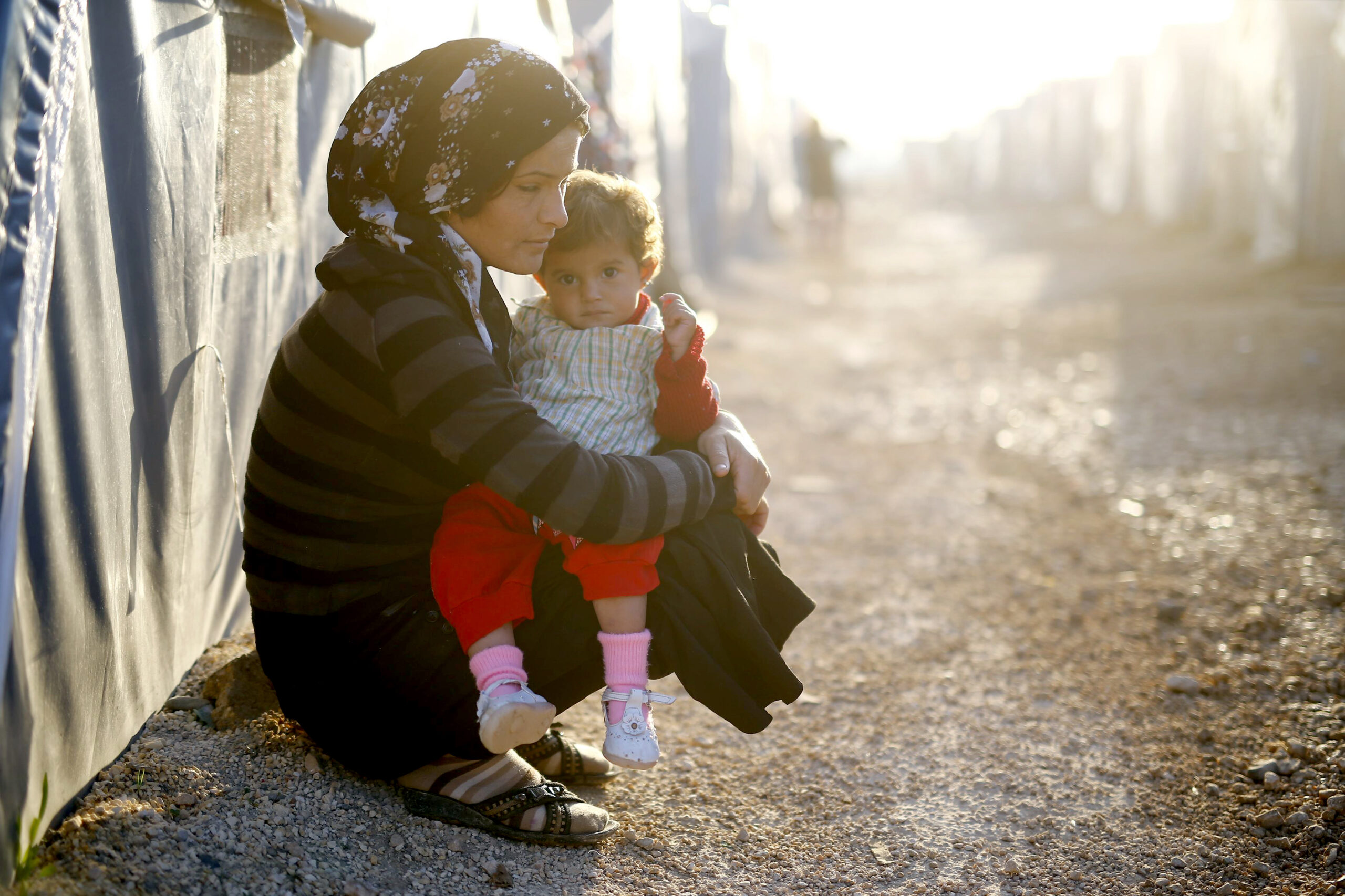
This fear is all too real today as countless mothers are forced to flee places of political upheaval with precious little ones, or being pregnant. The added burden parents have is the number of little ones they have to care for in their flight/plight. It is largely poorer people with large families who are vulnerable and seeking refuge. Their burden is indescribable.
SYRIAN SITUATION
Syria has been torn by political, civil strife for over three years now, with still no end in sight. Currently, over 5.5 million children there are vulnerable. What is happening in Syria is applicable to other countries also. Only a small portion has been able to flee, leaving the rest in a state of constant turmoil. Parents desire to leave but few countries are welcoming. Most are stuck in their own country, unable to flee, desperately trying to survive. Some of the side effects are children who no longer attend school and are forced to work for whatever scraps they can obtain for the family’s survival. Girls are forced to marry at an early age for financial reasons. The parents and guardians of these little ones devoutly seek flight for the plight of their little ones but it is denied to them. They are doomed in place to the unresolved political turmoil. We can only imagine their constant tears and fears when flight is denied them in their plight.
WORLD’S LARGEST LIMBO
The flight/plight of refugees has continued to grow through the centuries, largely due to political instability. The flight of Jesus to Egypt highlights this ongoing human drama. Until recently, responses to refugees have been helter-skelter. Finally, in 1950, the United Nations established The United Nations High Commission for Refugees (UNHCR). It has stepped in where individual nations have been reluctant or resistant to aid refugees.
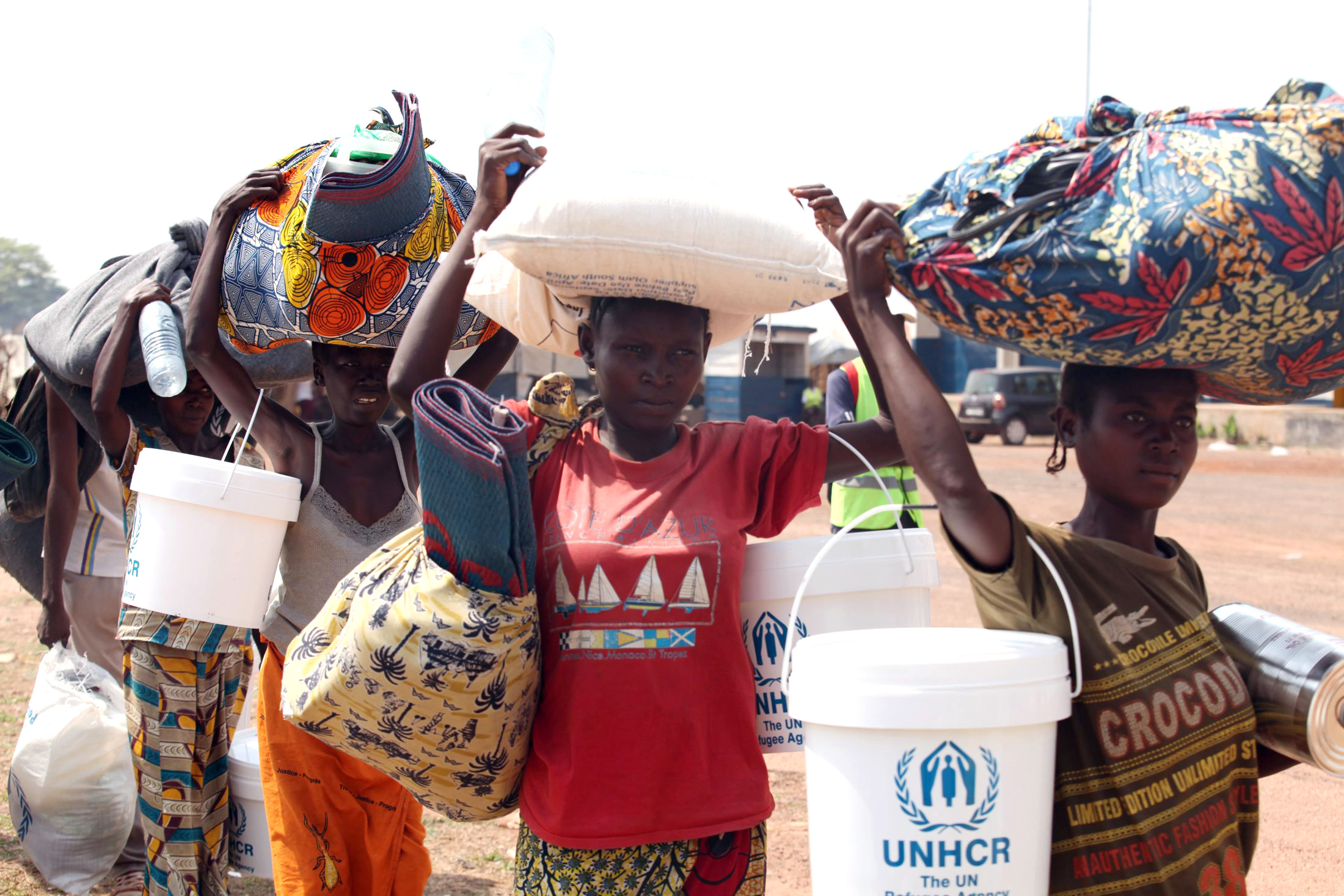
While countries have been resistant to accepting refugees, the U.N., through the UNHCR, allocates funds to intervene in impromptu camps set up to contain refugees. The involvement of the UNHCR is a positive step in, at least, responding – though imperfectly. Effectively, it has created the world’s largest limbo.
Since its inception, the UNHCR, with a current staff of 8,600, has intervened in the lives of tens of millions of people in 125 countries. Currently, it is intervening to assist approximately 45 million people.
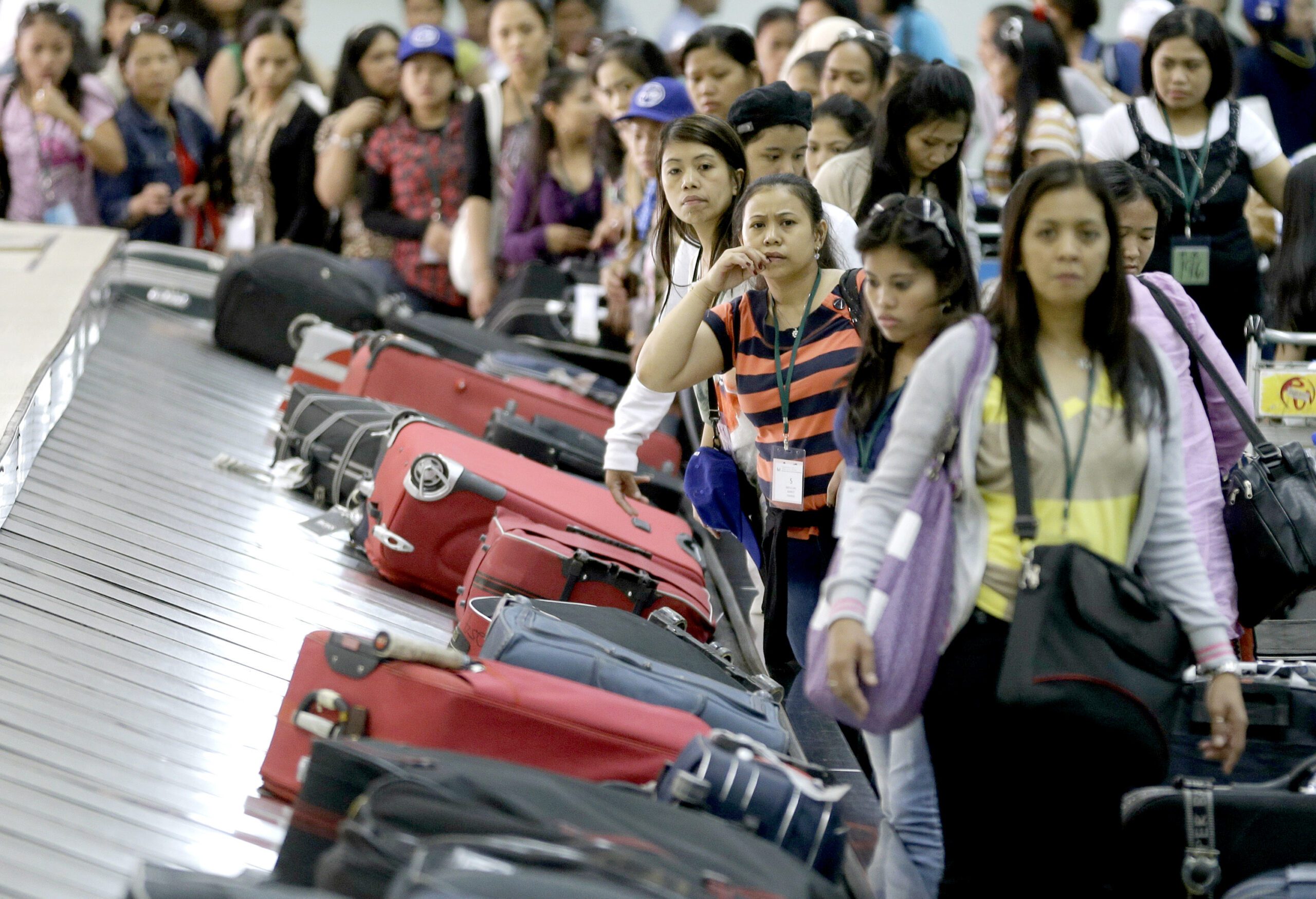
These are people not accepted as refugees by any nation. Disproportionately, 80% are women and their children. Again, their plight mirrors the cautionary tale of Matthew. Women refugees are vulnerable to sexual violence and with few resources to rebuild their lives and care for their children. Unlike the Holy Family who was eventually able to return to their own country, today most remain in a lingering limbo, dependent on the meager assistance doled out to them by the UNHCR. Without this minimal support, their lives and of their children would become a total nightmare.
POPE FRANCIS AND THE REFUGEES
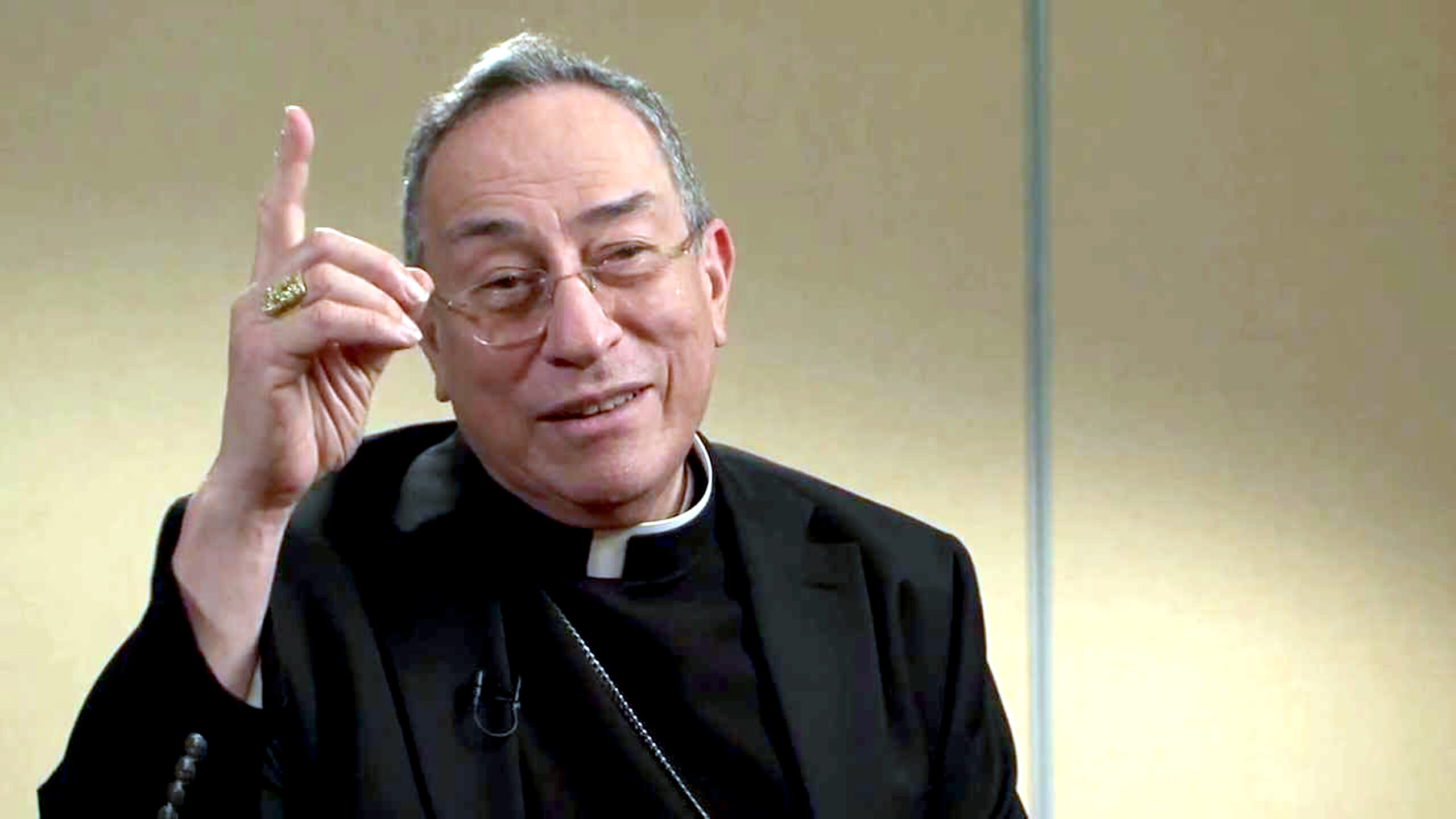
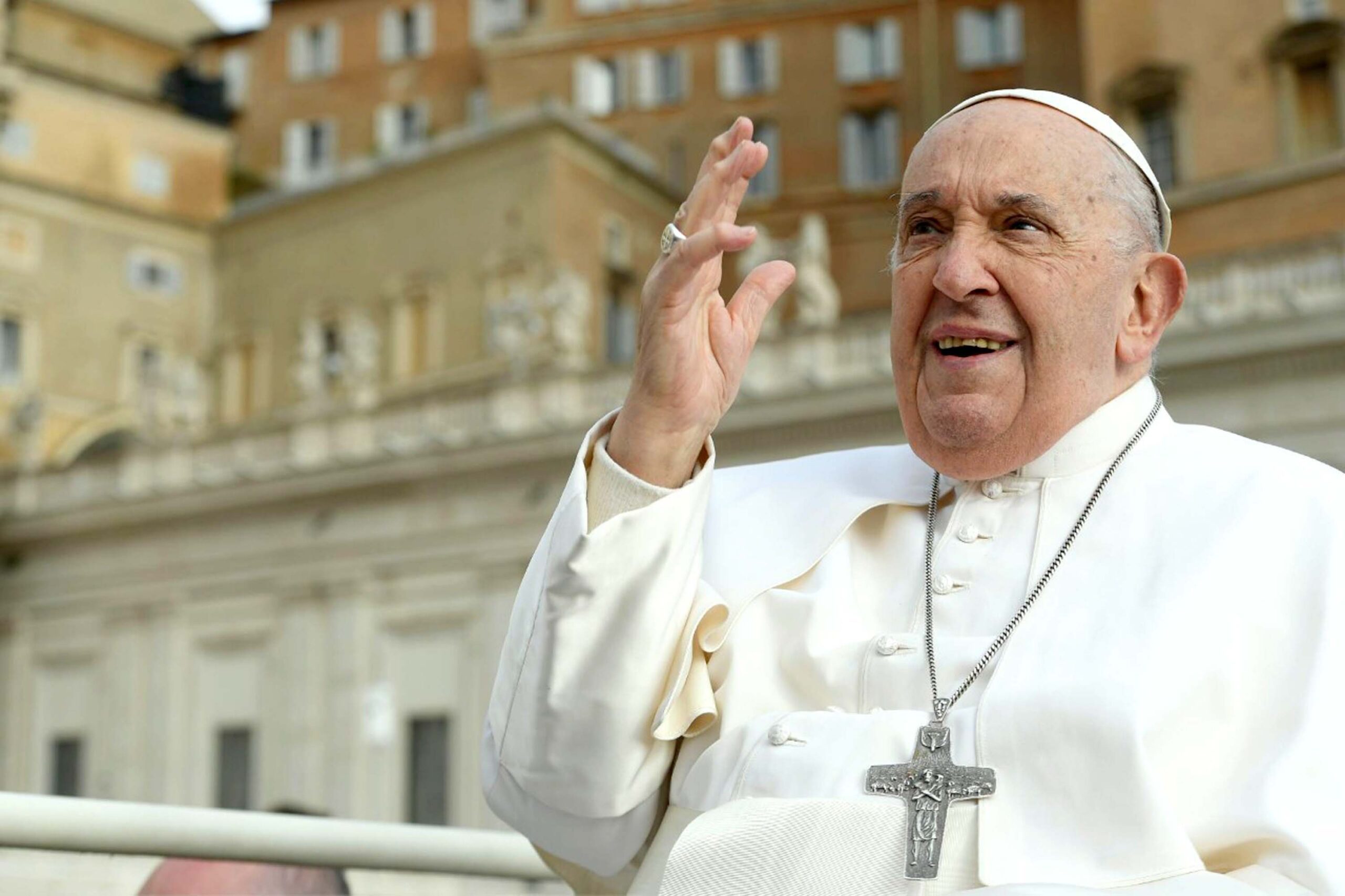
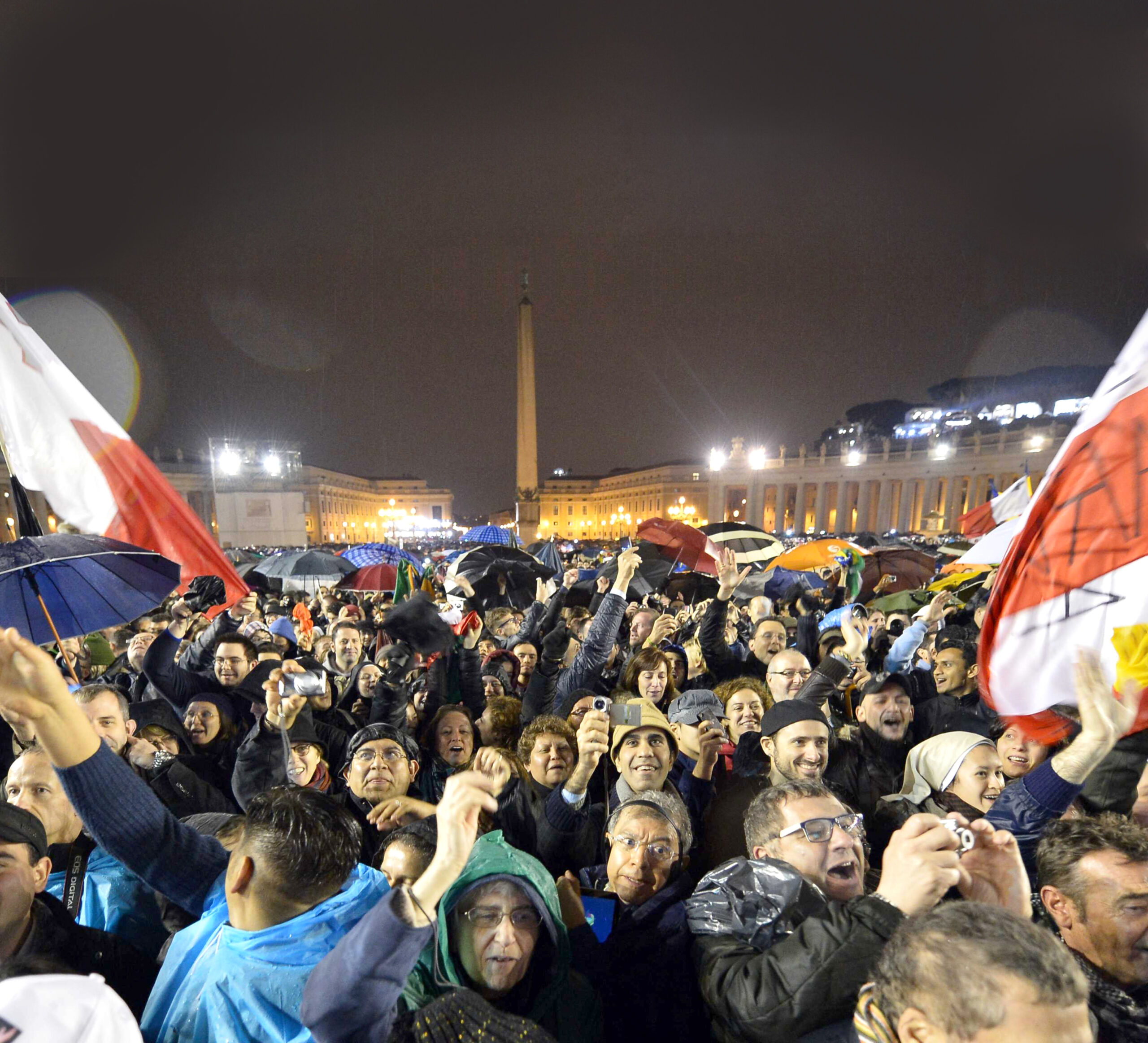
The first trip Pope Francis took outside of Rome,, after his election, was to the tiny Sicilian island of Lampedusa where refugees from Africa sought refuge in Europe. He came to commemorate those desperately fleeing their home countries but died without making it safely. This event underscored his primary concern for the flight/plight of refugees. “I was a stranger and you welcomed me,” is an ongoing challenge of Jesus to desperate refugees. But many Christians are not even warmly embracing this challenge of Jesus; hence, the need for Pope Francis to underscore this teaching of Jesus.
This has not been a one-time gesture. He has followed through in raising the issue repeatedly. On July 15, 2014, he addressed the plight of children from Central America, often traveling alone without parents or guardians to reach the United States of America. At a migration conference in Mexico City, he sent a letter weighing in on their flight/plight: “I must call attention to the tens of thousands of children who migrate alone, unaccompanied to escape poverty and violence.”
While many in the U.S.A. have been sympathetic to the flight/plight of these children, there has been strong resistance by some who want them returned to the dangerous places they have fled from. The majority of Americans consider the U.S.A. a Christian country but the resistance to these least ones simply repudiates their embrace of Jesus’ teaching.
A UNIVERSAL PHENOMENON
The recent flight/plight of children from Central American countries to the border of the U.S.A. is simply a spotlight on a universal phenomenon of refugees on the move, seeking any country that will be welcoming.
On the U.S.A.-Mexican border in 2013, approximately 38 thousand young persons, most unaccompanied by any adult, sought entry into the U.S.A. They were fleeing the violence and political instability of their countries.
Parents were allowing and assisting their children to flee their homes – the dangers to reach the U.S. border becoming a lesser evil, unimaginably, than remaining home. It is incomprehensible that parents would allow such, but it only underscores how serious their home situation is. Jesus was blessed to have Mary and Joseph flee with Him. Many little children today have only an older brother or sister (still young themselves) to journey a perilous route, fraught with untold dangers, not the least of which are predators who steal what little they have and rape the young girls. It is estimated that, in 2014, approximately 74 thousand children have sought to enter the U.S.A. along the Mexican border. While there are concerned American citizens ready to receive and assist them, these Americans have to fend off their fellow citizens hell bent on returning the children to the volatile conditions they hope to have left behind.
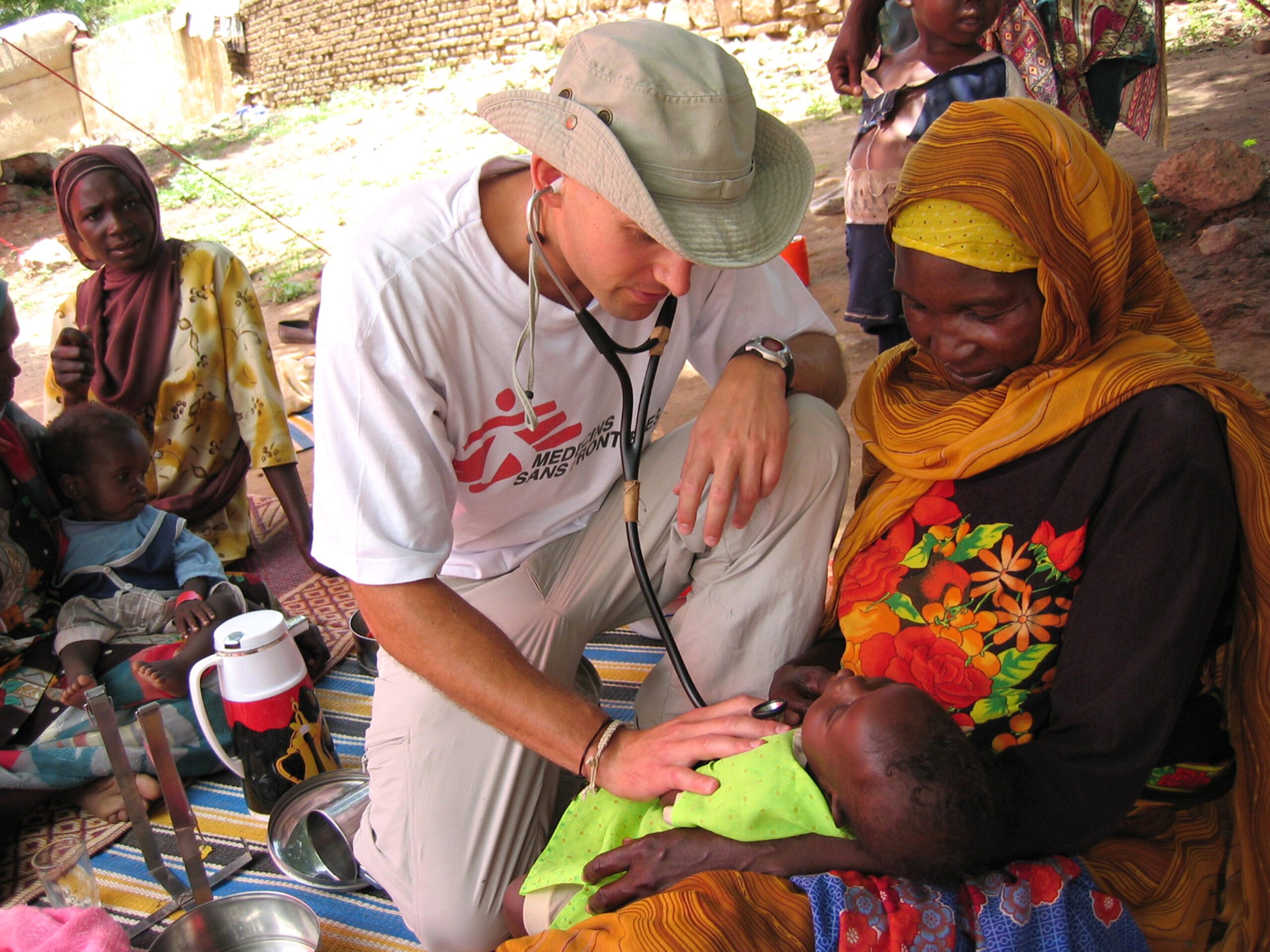
Since most countries are not open to receiving refugees, millions are forced to live permanently in camps which the UNHCR struggles to maintain. This website: www.storymaps.esri.com/stories/2013/refugee-camps, lists the top fifty refugee camps which provide a bare minimum for human existence. In 2013, it was estimated that over 45 million persons were quarantined in such camps. Many persons of means throughout the world would welcome refugees but are constrained by their country’s policy on immigration. One cannot bring a refugee into one’s home if one’s government won’t allow immigration into the country. As a result, what these generous souls can do is to extend some financial assistance to non-government organizations which seek to intervene in the flight/plight of refugees. The persons who work in such camps are the current Josephs and Marys who seek to protect the vulnerable Jesuses.
Matthew’s story is very relevant today. The flight to Egypt continues today, but the numbers of the vulnerable have swelled.