The Challenge To Arabian Trade

INTRODUCTION

A century before Vasco da Gama, a forgotten navigator of Arabian descent, “almost” discovered the ocean route to the West, at the service of the Emperor of China. Admiral Zheng He’s boats were also the carriers of Chinese goods all over. If the voyages had not suddenly stopped, the world’s history could have been quite different. Curiously, exactly like the Europeans, the Chinese were trying to challenge the trade monopoly of the Arabs.

WRITTEN BY

SHARE THE WORD

PUBLISHED ON

Linguists tell us “Asia” is from the Akkadian “asu” (where the sun rises). The “Indios” were the people who lived in India, the land – traditionally given feminine names – beyond the Indus river, but which Columbus erroneously mistook and applied the name to the Cubans he had seen during his first voyage to the New World.

Because of their wealth, Asians and Indios were objects of curiosity and envy. And Westerners wanted to contact them. Still, Pliny, the Roman naturalist, ridiculed his contemporaries for their “ridiculous tastes.” Sweets attract, he wrote, but pungent spices?

One of the tales that pricked European curiosity was that paradise was in the East. Following the bible, people believed that the sons of Japeth would, on the last day, ravage the earth. One better prepare for it! The tropical zone was too hot for life, just as the north and south poles would freeze one into ice.

THE LEGENDARY BEASTS
Before the Atlantic was successfully crossed, China tried to keep secret its method of producing silk. But despite the risks of the land routes, those who dared it, succeeded in bringing the silk worm through India to Egypt, Syria, then to Sicily, Spain, Italy, and France. They also brought production techniques, like the turning reel and the spindle wheel, moved faster and easier by the waterwheel propelled by windmills. All these came from the East.

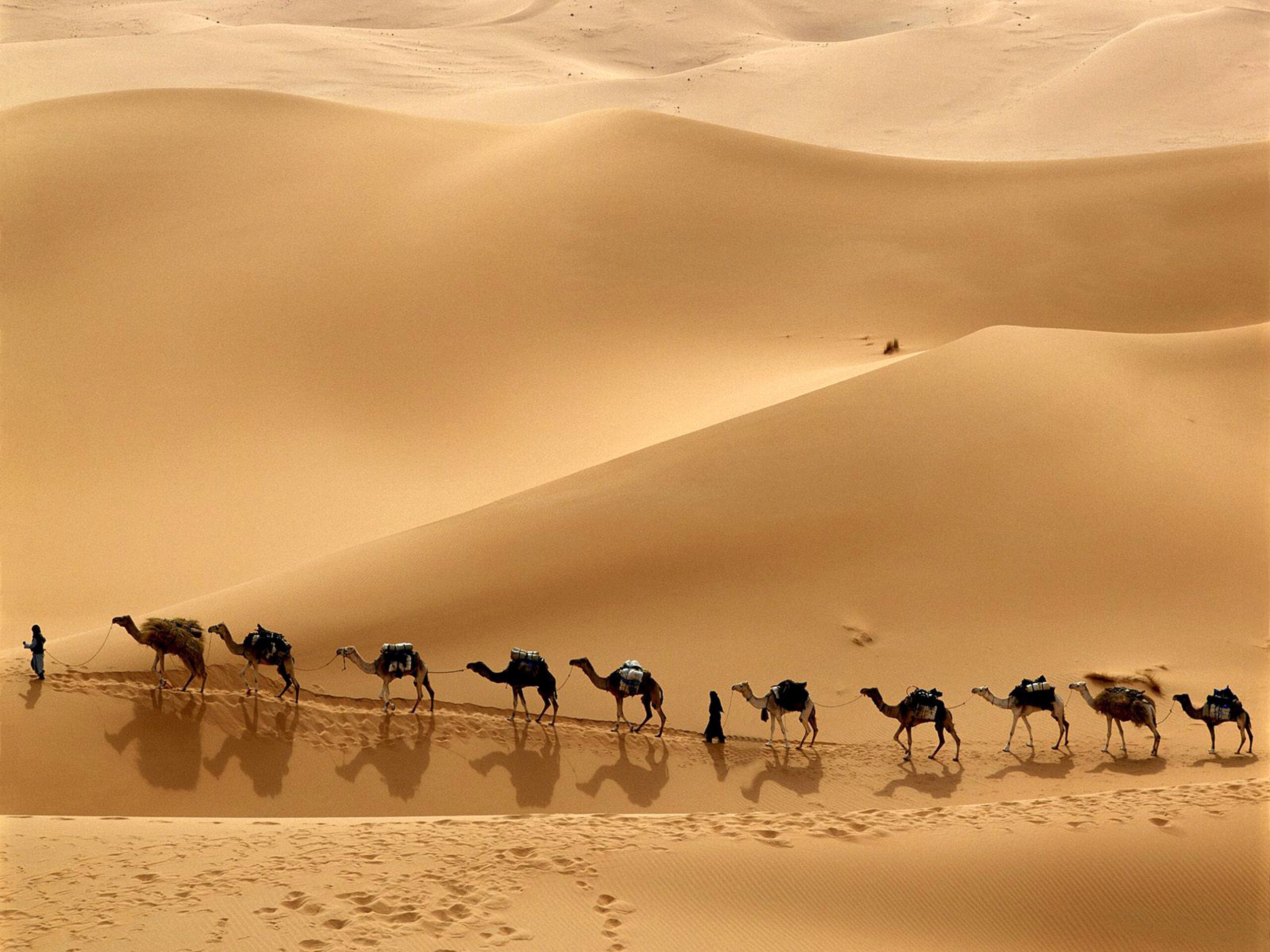
To guard their monopoly of the spice trade, the Arabs spread legends. Spice, they said, grew in shallow lakes teeming with winged beasts, or in deep glens where poisonous snakes slithered and glided all over.

But the Westerners wanted more. And when Islam monopolized the eastern land routes, the Westerners, led by Portugal and Spain, looked for an alternate route, the oceans in the west till then unknown. Out of sheer need, always the mother of inventions, they improved their sailing craft.

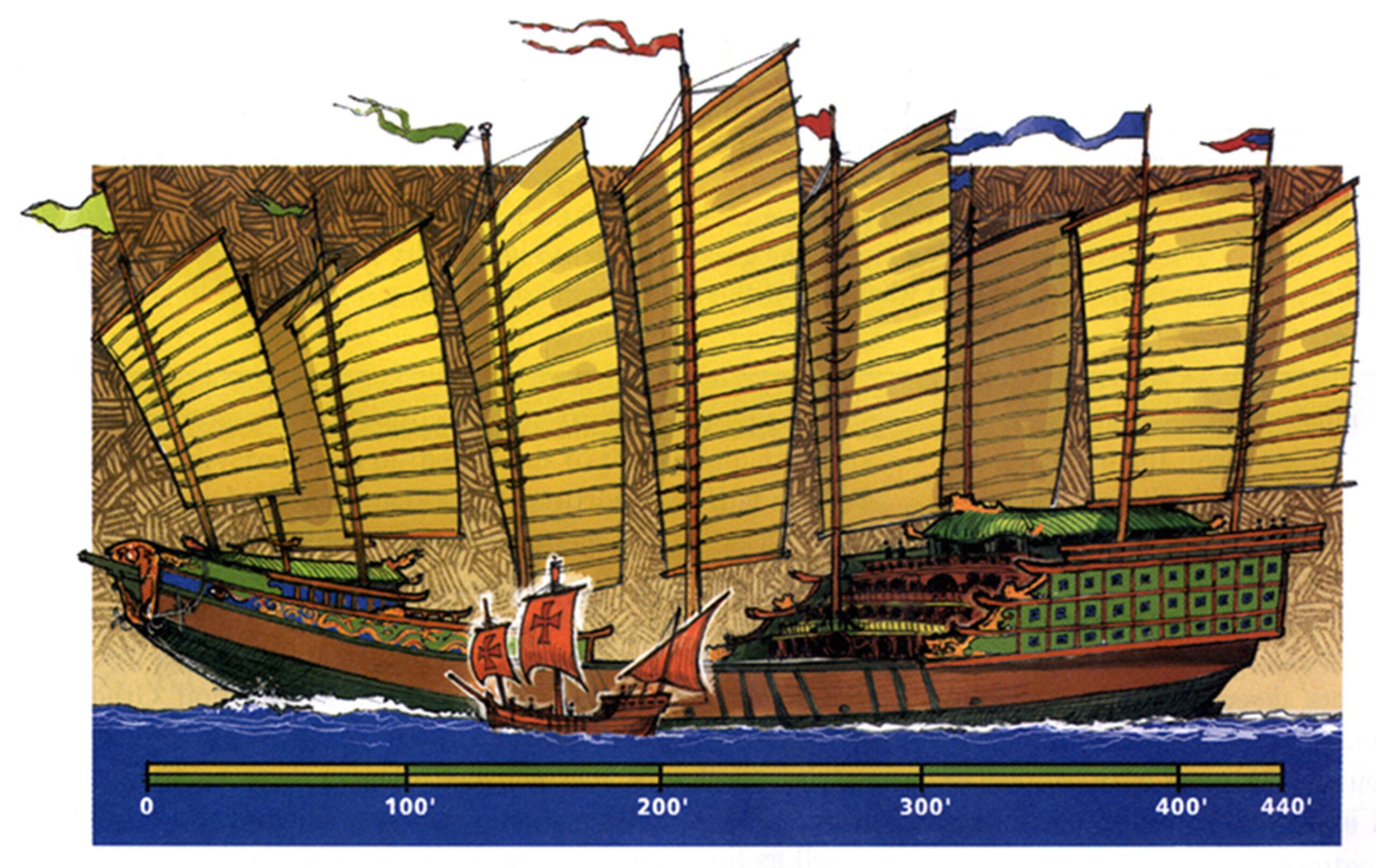
By Magellan’s time, the best boat was the caravel (“barco redondo”), sturdier and stronger than the thin galleys good only for the calmer Mediterranean ocean, to withstand the rougher weather of the Atlantic. Before the caravel, northern Europe had the kogge (from which we derive the English “cog”), a large single mast cargo boat, with a sturdy hull, a sail of about 40 by 75 meters, and a lateral rudder. The Portuguese developed the carrack, a cargo boat (or “India man”). From these two, the caravel developed, a longer, narrow, single deck boat with three masts, the mid-mast with a square sail measuring 280 square meters (called “round sail” because a favorable wind rounds it like a balloon), and masts aft and forward with lateen (triangular) sails. Generally measuring 7 by 15.5 by 21.5 meters, it had an open poop, a forecastle, its draught not deeper than 2.75 meters at mid-ship. The great improvement was the rudder fixed at the stern, which allowed greater maneuverability and more speed. These boats were moved only with the wind, hardly by oars. A good pilot used a combination of sails to change direction or speed.

FAMINE AND SICKNESS
In 1520, when Magellan first crossed the Pacific Ocean, he did not know what was in store for him and his men. But Pigafetta, his chronicler, wrote that when their food began to run out (for the loan sharks in Seville had cheated them by one half the greed rations), they ate, not biscuit, but “powder of biscuits swarming with worms which had eaten the good [biscuits]. It stank strongly of rat urine. We drank yellow water putrid for many days. We also ate some of the hides that covered the main yard protecting it from chafing the shrouds, and which had become exceedingly hard because of the sun, rain, and wind. We left them in the sea for four or five days, and then placed them on top of the embers, and ate them.”

About a hundred years later, a missionary to the Philippines described the hardships of sailing. Sea travel, he began, is not connatural to the human body. It is a constant jerking and tugging at the sails as urged on by the wind, the boat keels on, seasick passengers “lose” their head, their stomachs turn, taste and appetite are lost. Add this to the unhealthy situation of the narrow confines of the vessel, the foul smell especially below decks, bad meals, and always the nearness of death.

Today, of course, travel is neither as difficult, nor as time consuming. But, looking back, we cannot help but admire those unsung heroes, priests, sisters, and lay catechists, who left home and everything they had, and risked life and limb in order to bring the Gospel message to the people who otherwise would not have known Christ.

THE CHINESE PIONEER
Few know him today, but old Chinese records mention Zheng He (originally “Ma He”), a great navigator. His parents were Arabian migrants to China, and growing into a young man, he helped the Mings from the North conquer the southern Chinese empire. Because of his abilities, the Emperor took him into his imperial service.

Soon, Emperor Cheng Zu sent him on voyages to Southeast Asia, and the eastern coasts of Africa and Arabia. He reached the Ryukyu Islands near northern Japan, the Philippines, the Moloccas, Mozambique, and the South African coasts. Of course, he also sailed across the Indian Ocean, to the surprise of the merchants from Arabia and Venice plying the trade routes between Ormuz and Aden. He could have rounded the Cape of Good Hope from the opposite direction followed later by Vasco da Gama, but no clear indication assures us he did.

Some believe his exploits could have been exaggerated, but the records say he sailed to those places at least seven times. In 18 years, 1405-1423, Zheng He piloted seven expeditions of a total of 317 ships, manned by more than 27,000 sailors and soldiers, while bartering large quantities of goods. His admirers added that his voyages were a “feat” in the annals of navigation during a glorious period of Chinese international trade, unequalled since then. Perhaps more importantly, they provided new information that helped improve subsequent navigation.

BETTER TECHNOLOGY AND KNOWLEDGE
Experience taught them how to make a magnetized compass, water-tight compartments and vegetable plots on board ships for raising soybeans and other sources of Vitamin C during long voyages to avoid scurvy – Magellan’s crew incidentally did not know this and several of them died while crossing the Pacific. But Zheng He had sailed 87 years earlier than Columbus, 93 years before Vasco da Gama, and 116 years before Magellan reached the Philippines. When he returned from his last voyage, the Emperor whom he was serving had already died, and the voyages were discontinued. Chinese annals ceased mentioning him.

But Zheng He’s boats were the carriers of Chinese goods all over. These included brocades, gauzes, skeins or embroidered silk textiles. Porcelain included celadon and varied enamelware with Chinese characteristics. Zheng brought Arabian artisans to China who taught the Chinese artisans that borax in glass made it more resistant to heat and sudden changes in temperature. Glass utensils since then were no longer a rarity.

Significantly, from foreign countries, Zhenge He also brought to China building materials, fuels, and other exotic articles. “Kylin” (African giraffe) and “fulu” (zebra), most probably first brought in at this time, soon became decorative animals in the Imperial Garden.

Zheng He died in 1435 but, fortunately, his followers had written books, like Travel Notes of Foreign Countries, Chorography of Western Countries, etc. These opened the Chinese to western countries, their customs, economic systems, etc.

The story is told that the modern fork was a wedding gift for a princess from Constantinople betrothed to a Western noble man. Till then, the Westerners laid the food on dough spread on the table like a towel – something like today’s pizza. To flavor it, they readied meat juice. But they ate with bare fingers, which they wiped clean on their pet dogs’ hair or a dirty smelly towel. If true, this shows the refinement in the Chinese and Eastern empires long before Renaissance Europe heard of “courtly” refinement and manners.

Share Your Thoughts

All comments are moderated

From The Same Issue

The articles and content about this issue

From The Same Issue

The articles and content about this issue

From This Topic

The articles and content about this topic

From This Topic

The articles and content about this topic

Explore Other Topics

Browse other coverage

Explore Other Topics

Browse other coverage

WM SPECIAL

Presents, discusses and draws readers to reflect on issues of outmost relevance to the world today.


FRONTIERS

Very often, mission is carried out in frontier situations around the world. Those who embrace these situations have much to share.


UNITY IN DIVERSITY

Writer Ilsa Reyes will be exploring the richness of Pope Francis’s latest encyclical Fratelli Tutti with a view of helping our readers to get a grasp of the this beautiful papal document.


FRONTLINE

Puts to the front committed and inspiring people around the world who embrace humanitarian and religious causes with altruism and passion.


IN FOCUS

Focus on a given theme of interest touching upon social, economic and religious issues.


FAITH@50

As the Philippines prepares to celebrate 500 years of the arrival of Christianity. Fr. James Kroeger leads us in this series into a discovery journey of the landmark events in the history of faith in the Philippine archipelago.


INSIGHT

Aims to nurture and inspire our hearts and minds while pondering upon timely themes.


FILIPINO FOCUS

The large archipelago of the Philippines, in its richness of peoples and cultures, offers varied and challenging situations for mission.


FOLLOW ME

Reflections and vocation stories that shape up the lives of young people.


MISSION IS FUN

As humor and goodness of heart are qualities of Christian and missionary life, the new column “Mission is fun” will be publishing some anecdotes and stories that have happened in a missionary context to lighten up the spirits and trigger a smile in our faces.


LIVING COMMUNION

To help readers of World Mission live this year dedicated to Ecumenism, Interreligious Dialogue and Indigenous Peoples, Tita Puangco, writer and lecturer, shares in this section insights on the spirituality of communion.


WINDS OF THE SPIRIT

A historic view of the Catholic movements that emerged from the grassroots as an inspiration by the Holy Spirit.


BRIDGE BUILDERS

On the Year of Ecumenism, Interreligious Dialogue and Indigenous Peoples, radio host and communicator Ilsa Reyes, in her monthly column, encourages Christians and people of good will to be one with their fellow people of other sects, religions and tribes.


INTERVIEW

Questions to a personality of the Church or secular world on matters of interest that touch upon the lives of people.


WORLD TOUCH

News from the Church, the missionary world and environment that inform and form the consciences.


CARE OF THE EARTH

A feature on environmental issues that are affecting the whole world with the view of raising awareness and prompting action.


EDITORIAL

The editor gives his personal take on a given topic related to the life of the Church, the society or the world.


YOUNG HEART

A monthly column on themes touching the lives of young people in the Year of the Youth in the Philippines by radio host and communicator I lsa Reyes.


SCROLL

A missionary living in the Chinese world shares his life-experiences made up of challenges and joyous encounters with common people.


EXTRAORDINARY PEOPLE

Life stories of people who deserve to be known for who they were, what they did and what they stood for in their journey on earth.


ONE BY ONE

Stories of people whom a missionary met in his life and who were touched by Jesus in mysterious ways.


INCREASE OUR FAITH

Critical reflection from a Christian perspective on current issues.


SPECIAL MOMENTS

Comboni missionary Fr. Lorenzo Carraro makes a journey through history pinpointing landmark events that changed the course of humanity.


PROFILE

A biographical sketch of a public person, known for his/her influence in the society and in the Church, showing an exemplary commitment to the service of others.


WM REPORTS

Gives fresh, truthful, and comprehensive information on issues that are of concern to all.


LIFE'S ESSENTIALS

A column aimed at helping the readers live their Christian mission by focusing on what is essential in life and what it entails.


ASIAN FOCUS

Peoples, events, religion, culture and the society of Asia in focus.


THE SEARCHER'S PATH

The human heart always searches for greatness in God’s eyes, treading the path to the fullness of life - no matter what it takes.


INDIAN FOCUS

The subcontinent of India with its richness and variety of cultures and religions is given center stage.


AFRICAN FOCUS

The African continent in focus where Christianity is growing the fastest in the world.


JOURNEY MOMENTS

Well-known writer and public speaker, Fr. Jerry Orbos, accompanies our journey of life and faith with moments of wit and inspiration based on the biblical and human wisdom.


IGNATIUS STEPS

On the year dedicated to St. Ignatius of Loyala, Fr. Lorenzo Carraro walks us through the main themes of the Ignatian spirituality.


THE SEVEN LAST WORDS OF JESUS

Fr. John Taneburgo helps us to meditate every month on each of the Seven Last Words that Jesus uttered from the cross.


INSIDE THE HOLY BOOK

In this section, Fr. Lorenzo delves into the secrets and depths of the Sacred Scriptures opening for us the treasures of the Sacred Book so that the reader may delight in the knowledge of the Word of God.


CONVERSATIONS

Reflections about the synodal journey on a conversational and informal style to trigger reflection and sharing about the synodal path the Church has embarked upon.


VATICAN II

This 'mini-course' series provides a comprehensive exploration of Vatican II, tracing its origins, key moments, and transformative impact on the Catholic Church.


COMBONIS IN ASIA

This series offers an in-depth look at the Comboni Missionaries in Asia, highlighting their communities, apostolates, and the unique priorities guiding their mission. The articles provide insights into the challenges, triumphs, and the enduring values that define the Comboni presence in Asia.


BEYOND THE SYNOD

Following the Synod on Synodality, this series examines how dioceses, parishes, and lay organizations in the Philippines are interpreting and applying the principles of the synod, the challenges encountered, and the diverse voices shaping the synodal journey toward a renewed Church.


A TASTE OF TRADITION

This series introduces the Fathers of the Church, featuring the most prominent figures from the early centuries of Christianity. Each article explores the lives, teachings, and enduring influence of these foundational thinkers, highlighting their contributions the spiritual heritage of the Church.


A YEAR OF PRAYER

In preparation for the 2025 Jubilee Year under the theme “Pilgrims of Hope,” 2024 has been designated a Year of Prayer. World Mission (courtesy of Aleteia) publishes every month a prayer by a saint to help our readers grow in the spirit of prayer in preparation for the Jubilee Year.


OUR WORLD

In Our World, the author explores the main trends shaping contemporary humanity from a critical and ethical perspective. Each article examines pressing issues such as technological advancement, environmental crises, social justice, and shifting cultural values, inviting readers to reflect on the moral implications and challenges of our rapidly changing world.


CATHOLIC SOCIAL DOCTRINE

This series unpacks the principles of Catholic Social Doctrine, offering a deep dive into the Church's teachings on social justice, human dignity, and the common good.


HOPEFUL LIVING

Hopeful Living’ is the new section for 2026, authored by Fr. James Kroeger, who dedicated most of his missionary life to the Philippines. In this monthly contribution, he will explore various aspects of the virtue of hope. His aim is to help readers align their Christian lives more closely with a hopeful outlook.


PHILIPPINE CROSSROADS

Filipino Catholic scholar Jose Bautista writes each month about how the Philippines is at a crossroads, considering the recent flood control issues and other corruption scandals that have engulfed the nation. He incorporates the Church’s response and its moral perspective regarding these social challenges.


BIBLE QUIZ

Test your knowledge and deepen your understanding with our Bible Quiz! Each quiz offers fun and challenging questions that explore key stories, themes, and figures from both the Old and New Testaments.


Shopping Cart