Times are tough. Even though ours is an era of unprecedented wealth, technical and scientific knowledge and medical development, people are anxious for their lives and insecure about their future. In Western countries, a good number of youth, in spite of their high qualifications, are jobless. As factories are closing down, many workers are getting unemployed and are struggling to keep paying their financial obligations. Governments are trimming salaries and pensions, reducing social services and medical assistance to control public debt. Austerity measures are putting countries on the brink of recession, the specialists say.
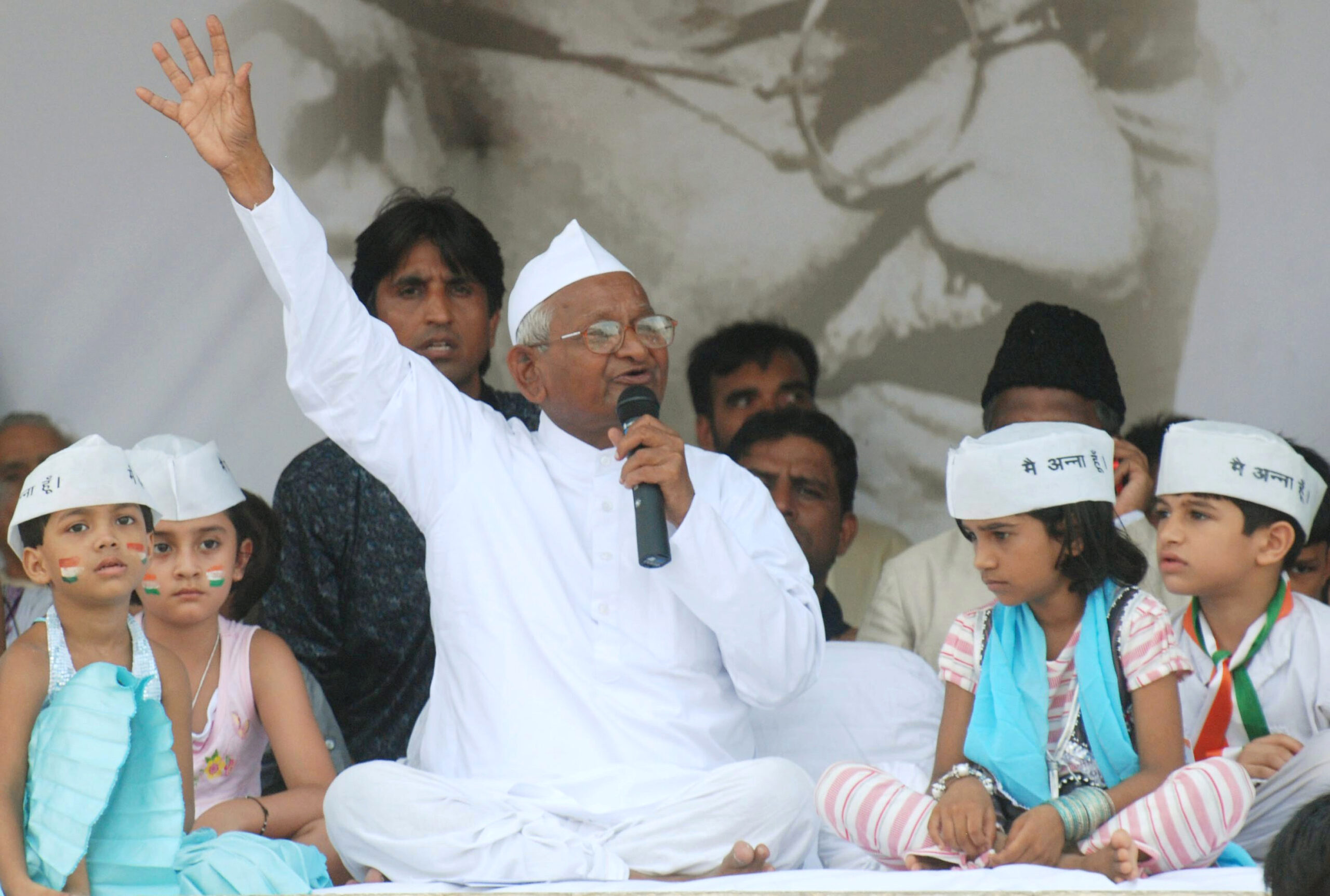
People have lost a great deal of trust in the ability of their political leaders to tackle and overcome the deep economic-financial crisis that is badly affecting the poor and the middle class. Recent popular demonstrations and riots, from North Africa to the United Kingdom, from the rising popular anger in China to the growing protests in India, all driven by the same issues and tensions: growing inequality, poverty, unemployment and hopelessness. These problems affect also the society of the richest country in the world, the USA.
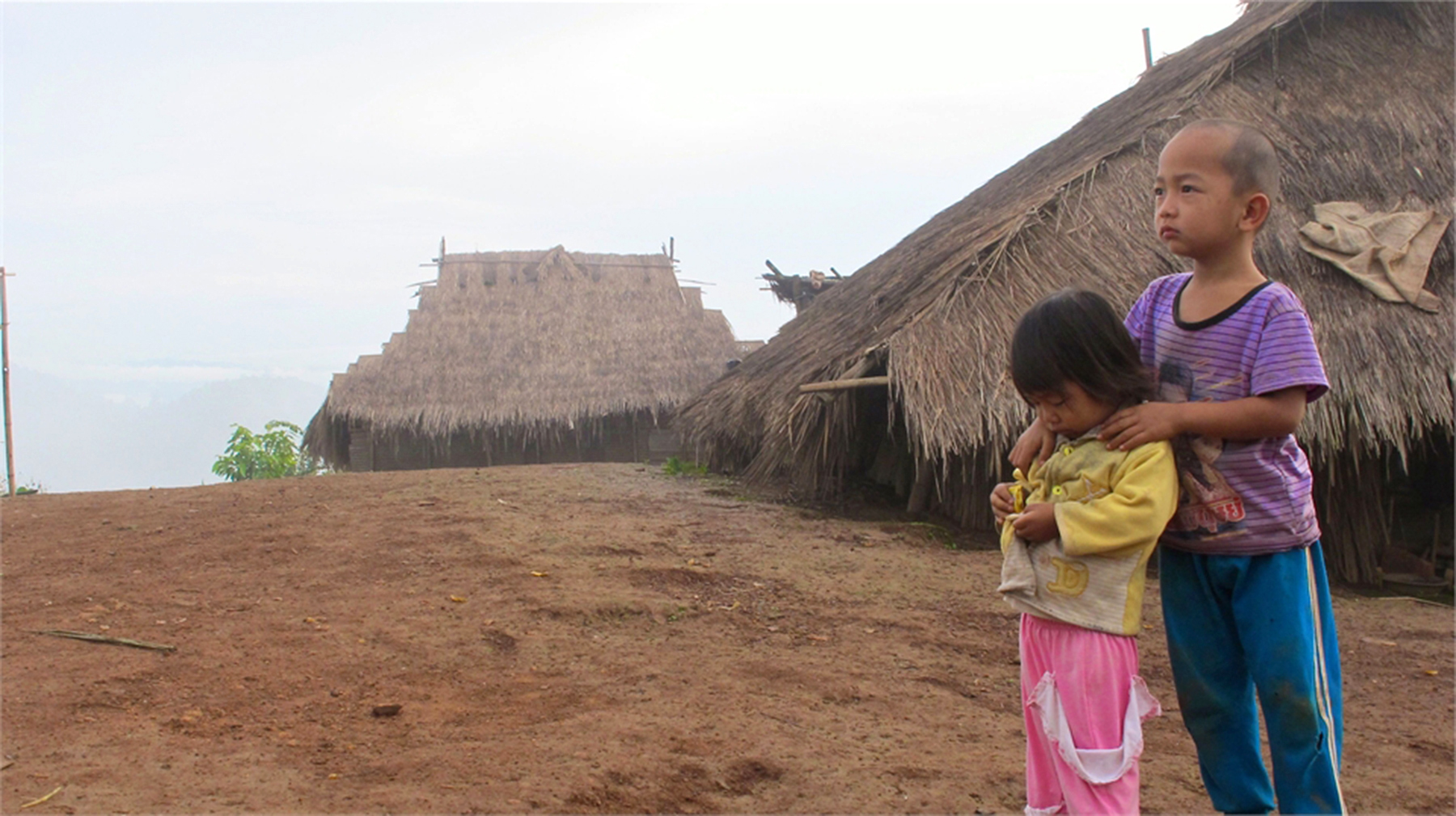
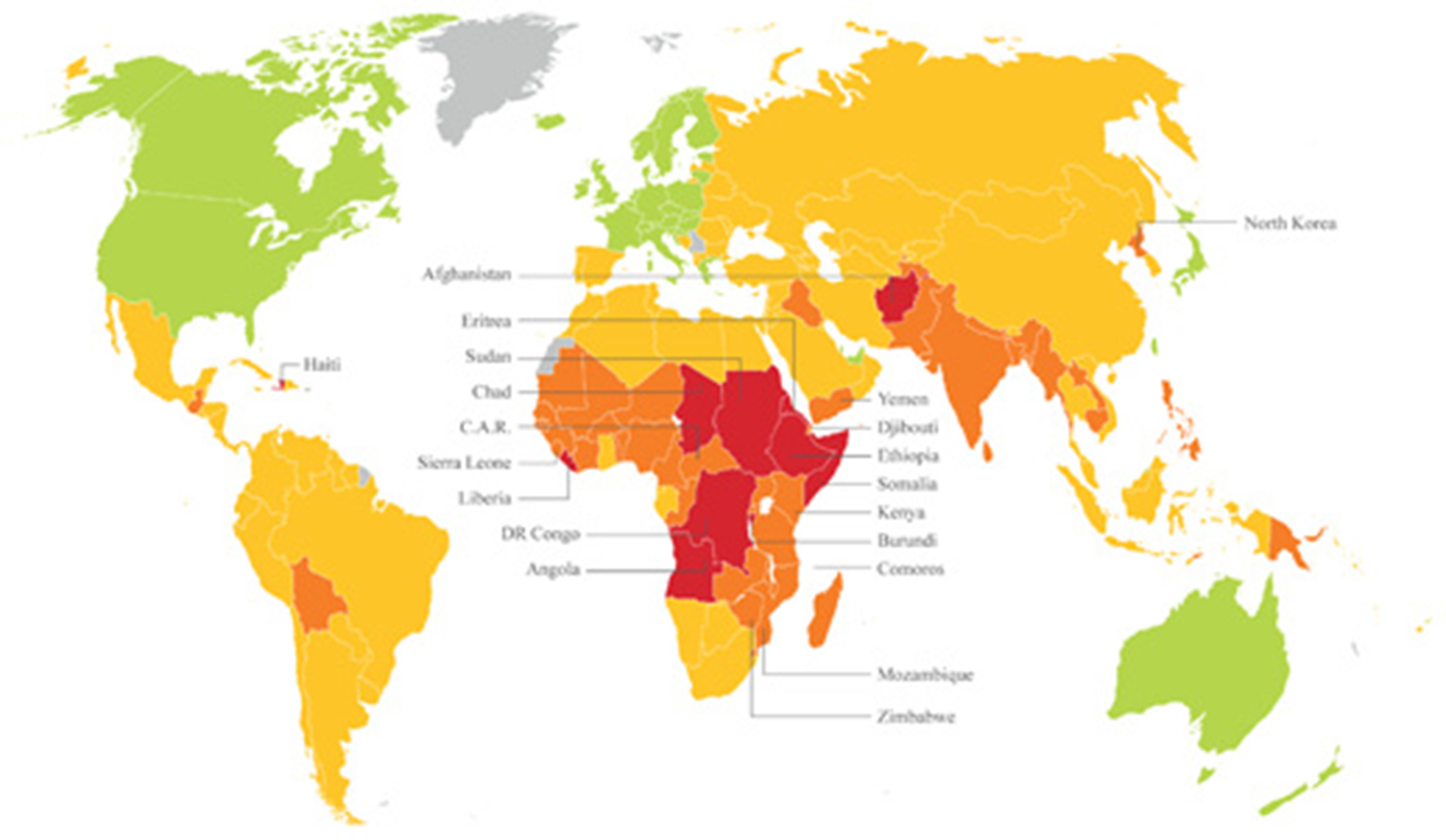
In poorer countries, people are rather resigned to some of these chronic evils. Together with population growth and fast climate change, there are almost one billion people undernourished, 1.2 billion without access to potable water and 1.8 billion without electricity. With the crisis hitting hard wealthier countries, their situation is likely to deteriorate even further as all the global economic and financial systems are tightly connected.
The threats are global; so should be the answers. Problems such as sovereign debt, regulation of financial markets, poverty, climate change, terrorism and war, require a global response. Peace and democracy are at stake. Then, there’s the link between hunger and conflict as can be seen in the Horn of Africa: where one leads, the other follows. War begets poverty and vice-versa. There won’t be peace and stability without ensuring people’s rights, especially to food, education and health care.
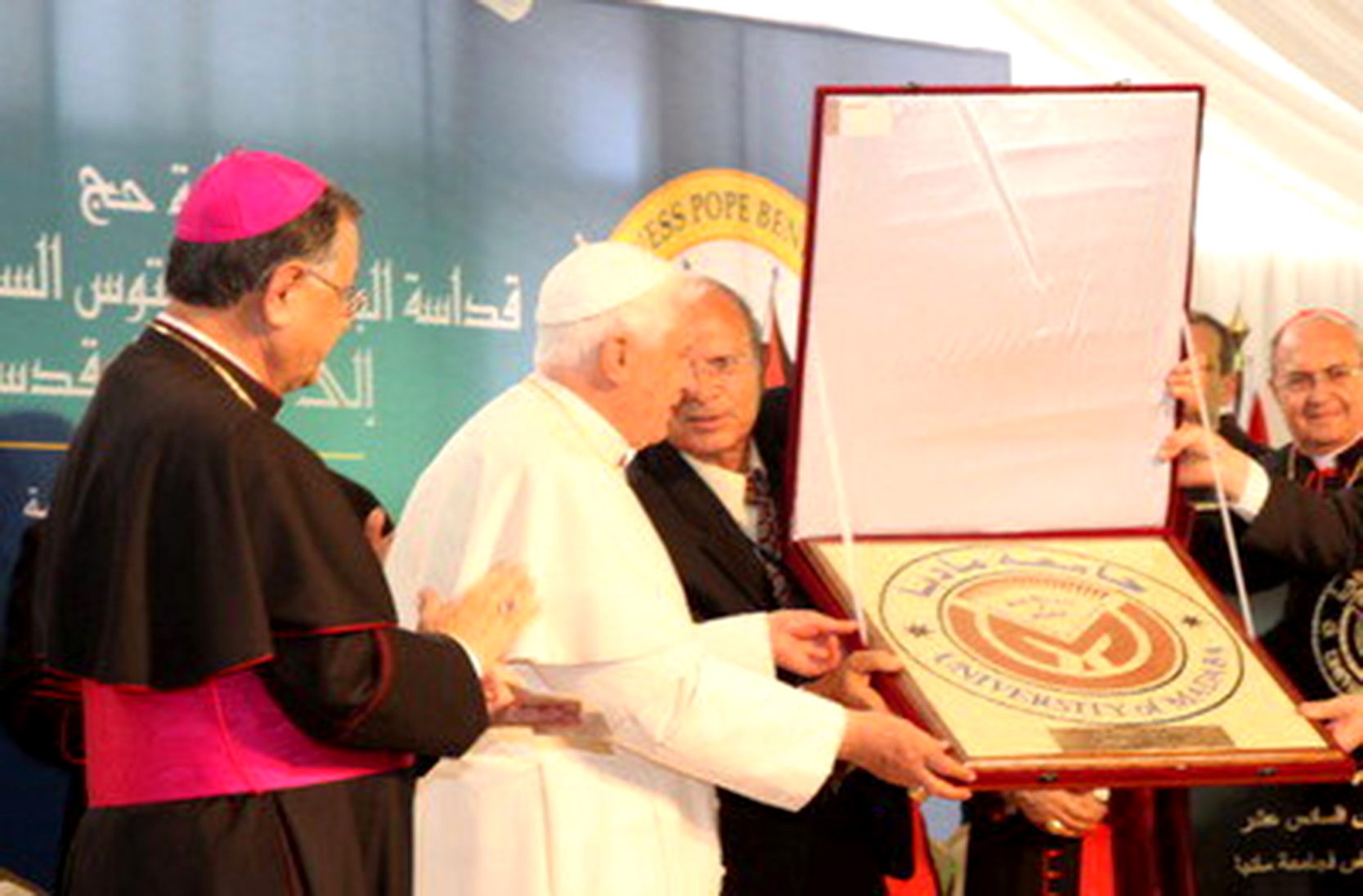
Despite the many worrying problems humanity is facing, not all is gloomy in the world. There are signs of hope which sustain our faith in humanity. One of them is the surprising Arab Spring and the way popular uprisings toppled long-entrenched dictatorial regimes. It is amazing to see how civilians put their lives at risk – many losing them as true freedom martyrs – for a better future. Isn’t it a sign of the times that Lilliputian citizens are able to overcome tremendously adverse situations solely with the force of right? But, as the Latin Patriarch of Jerusalem, Archbishop Fouad Twal, says: it is “a leap into the void,” that needs to be wisely directed.
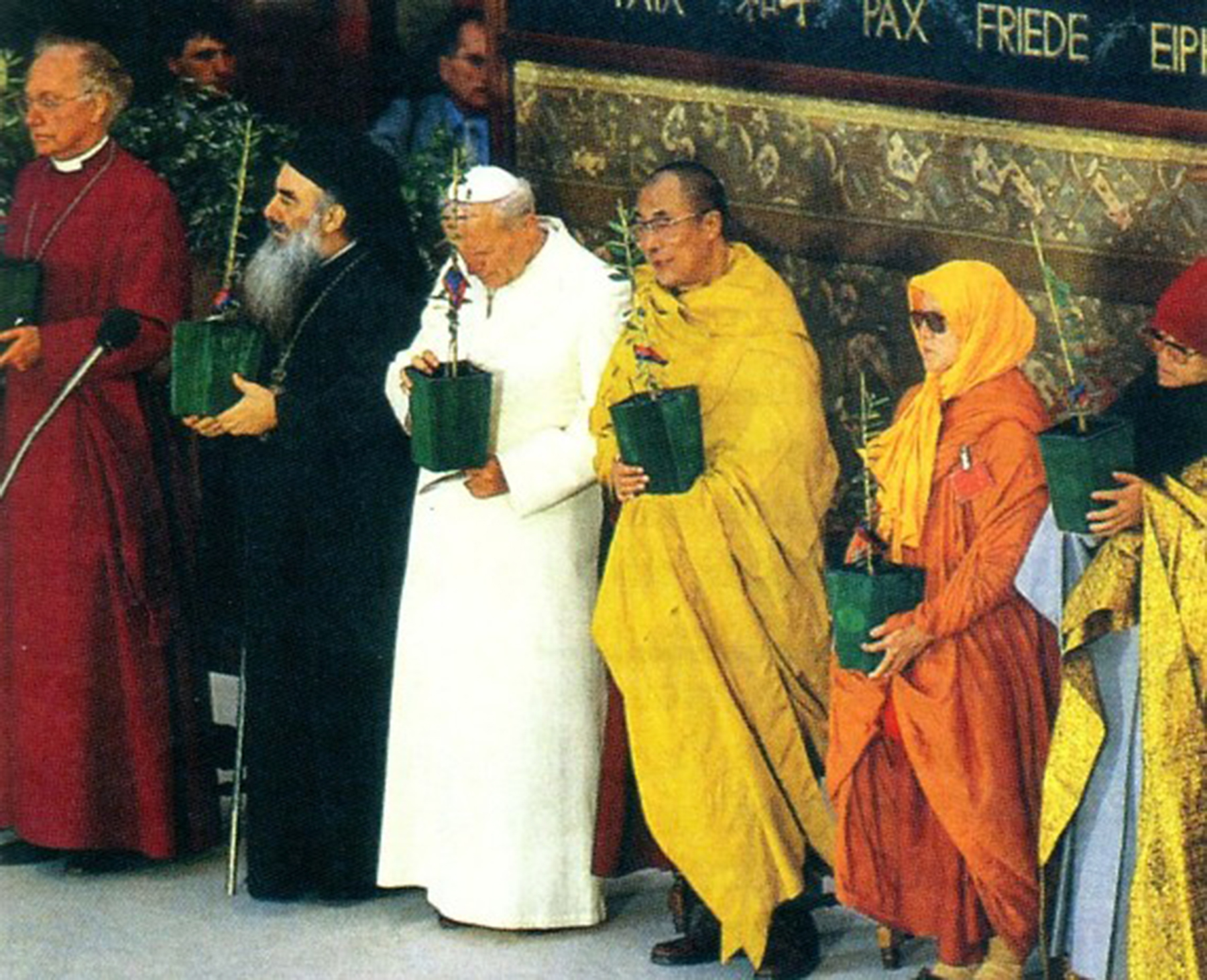
Another promising sign is the progress of interreligious dialogue – an essential condition for peace – in countries like Jordan and the Philippines. The interreligious meeting in Assisi, at the end of this month, promoted by Pope Benedict XVI to celebrate the 25th anniversary of the historic meeting of 1986, augurs that religions will continue praying and working together for peace and justice. The movement is growing and it is hoped that the evil forces of religious intolerance showing up here and there won’t prevail.
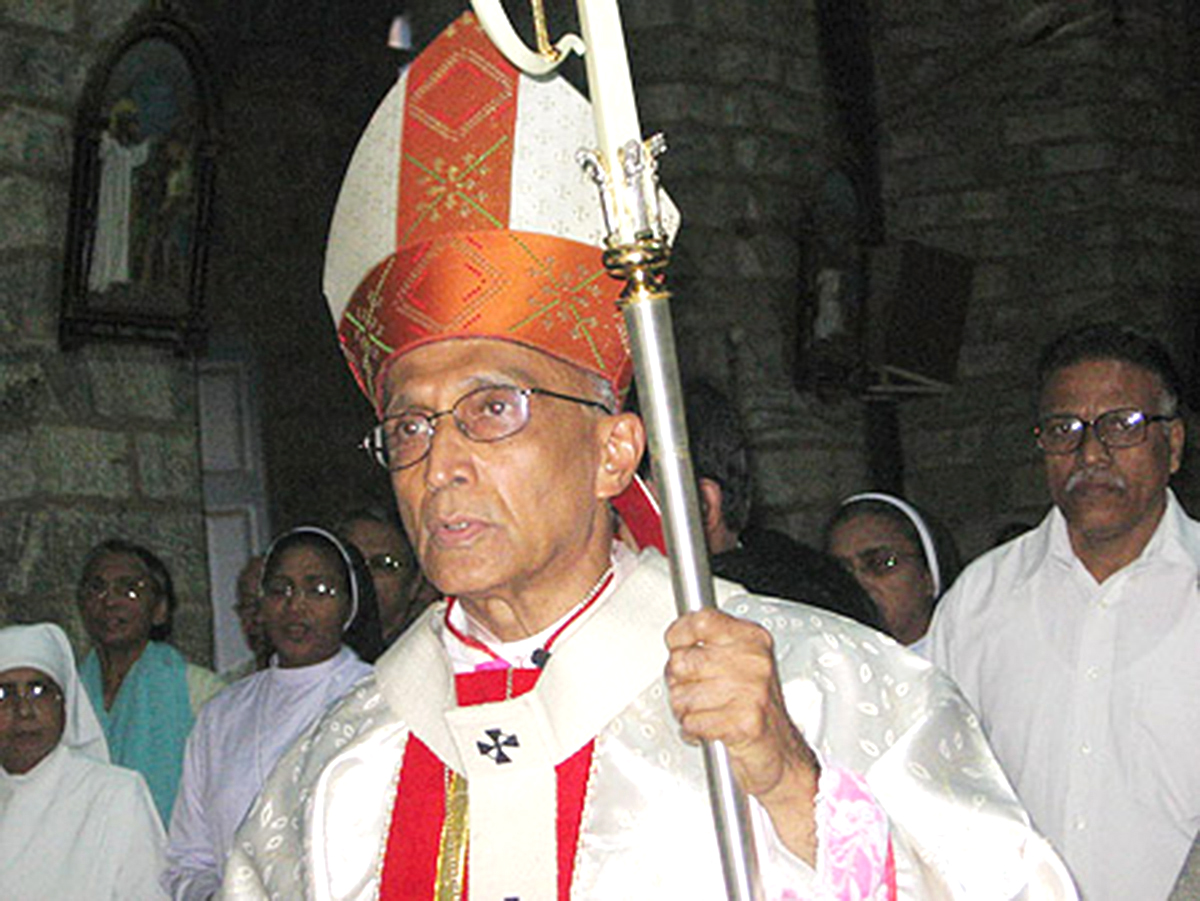
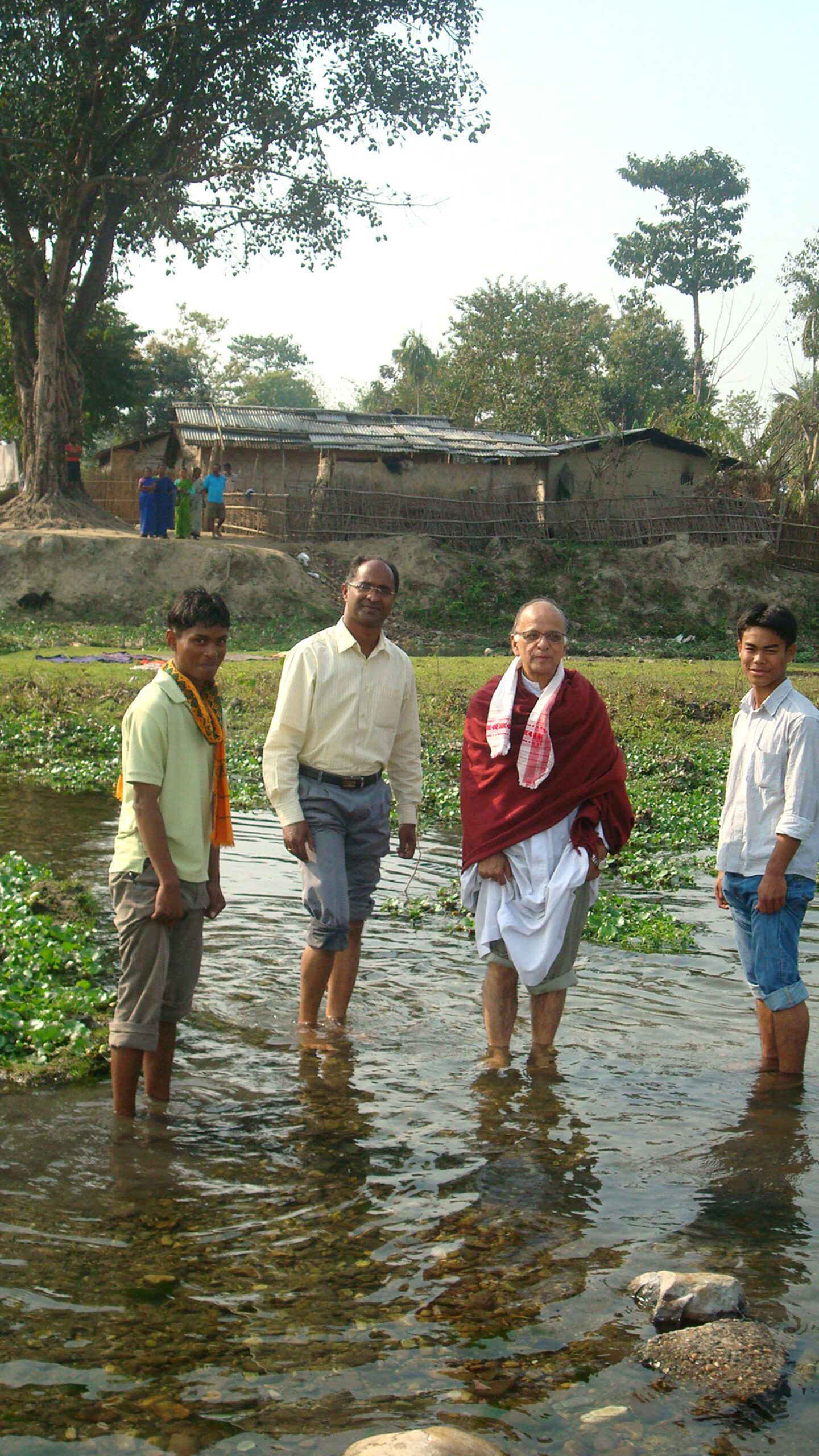
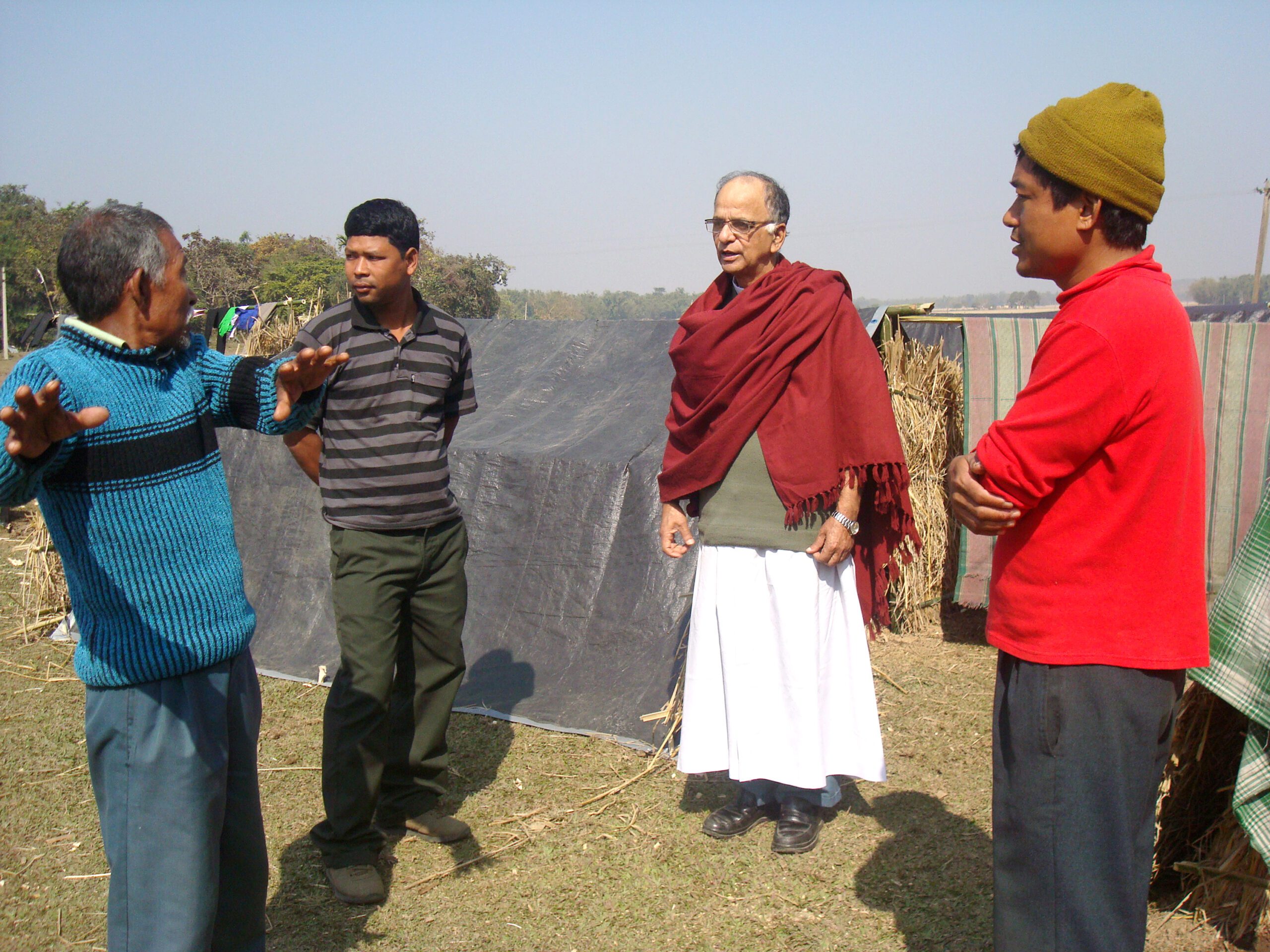
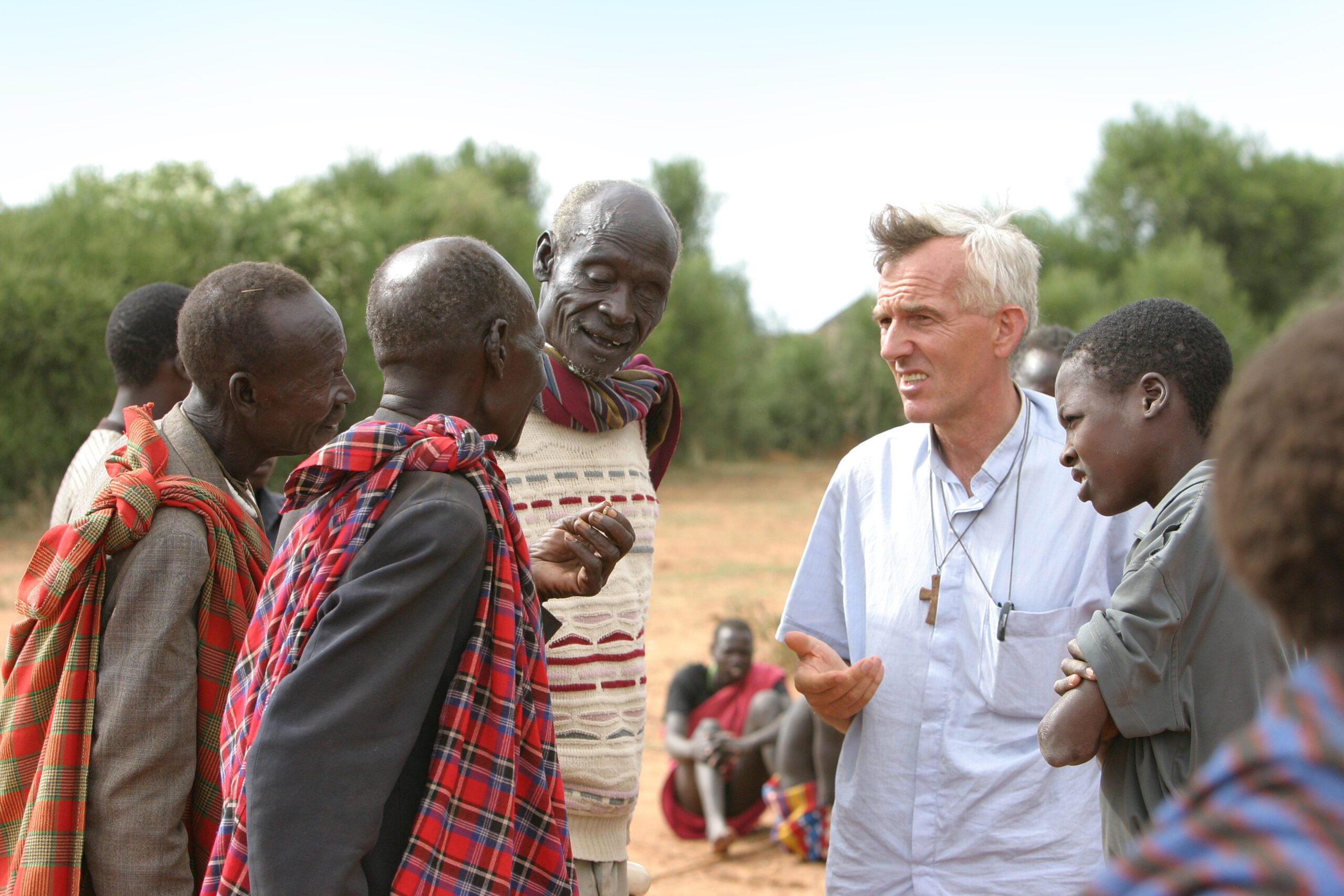
The world needs peace. Although religious faith sometimes may show its ugly side in prejudices and fundamentalism, it is undoubtedly the main source of compassion and peace, endowing human beings with an enduring strength that enables them to draw conflicting parties to dialogue and reconciliation. Such is the case of Archbishop Thomas Menamparampil, from India, and of Fr. Pietro Ciapone in Uganda. They are two wonderful model peacemakers to be emulated.