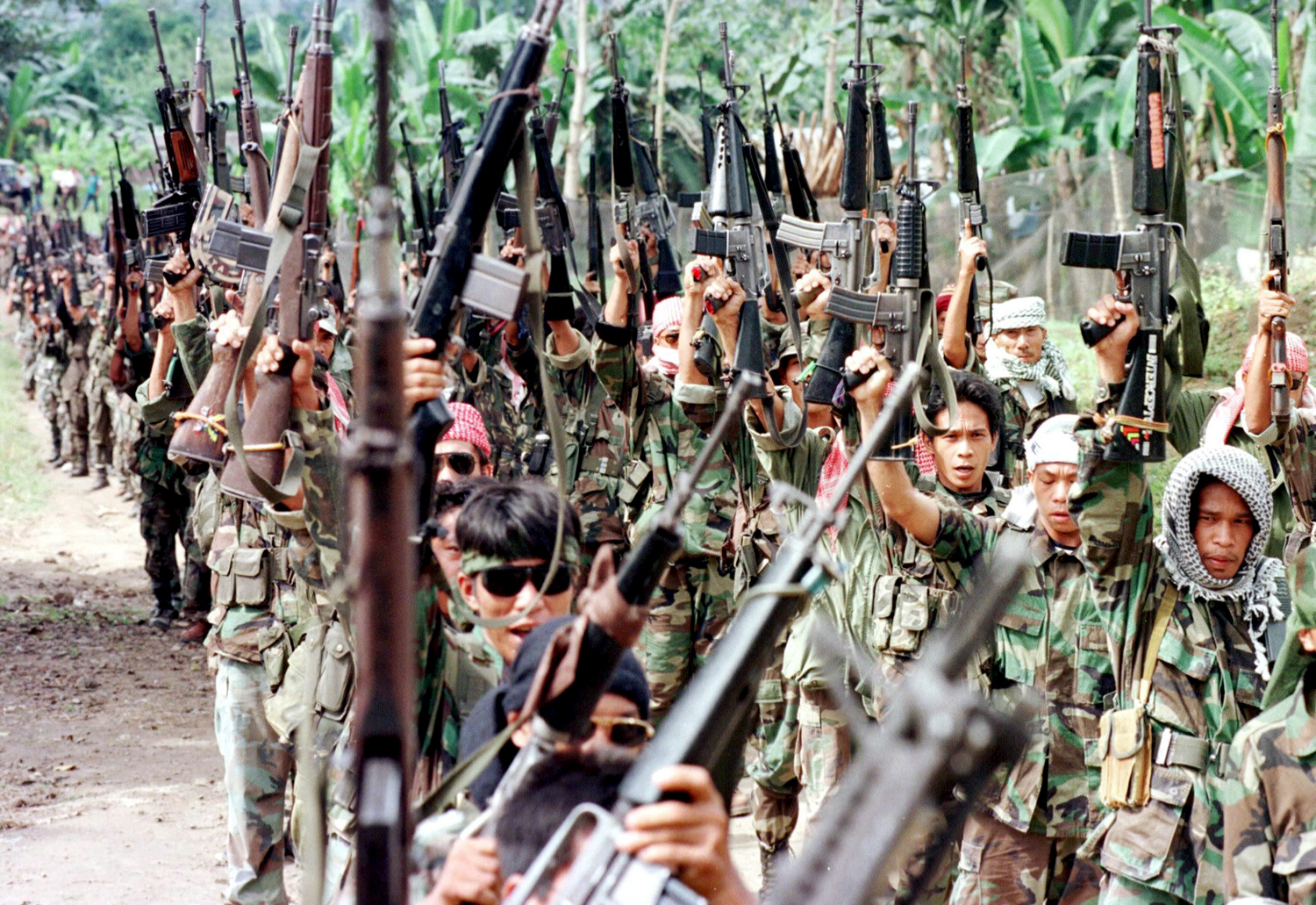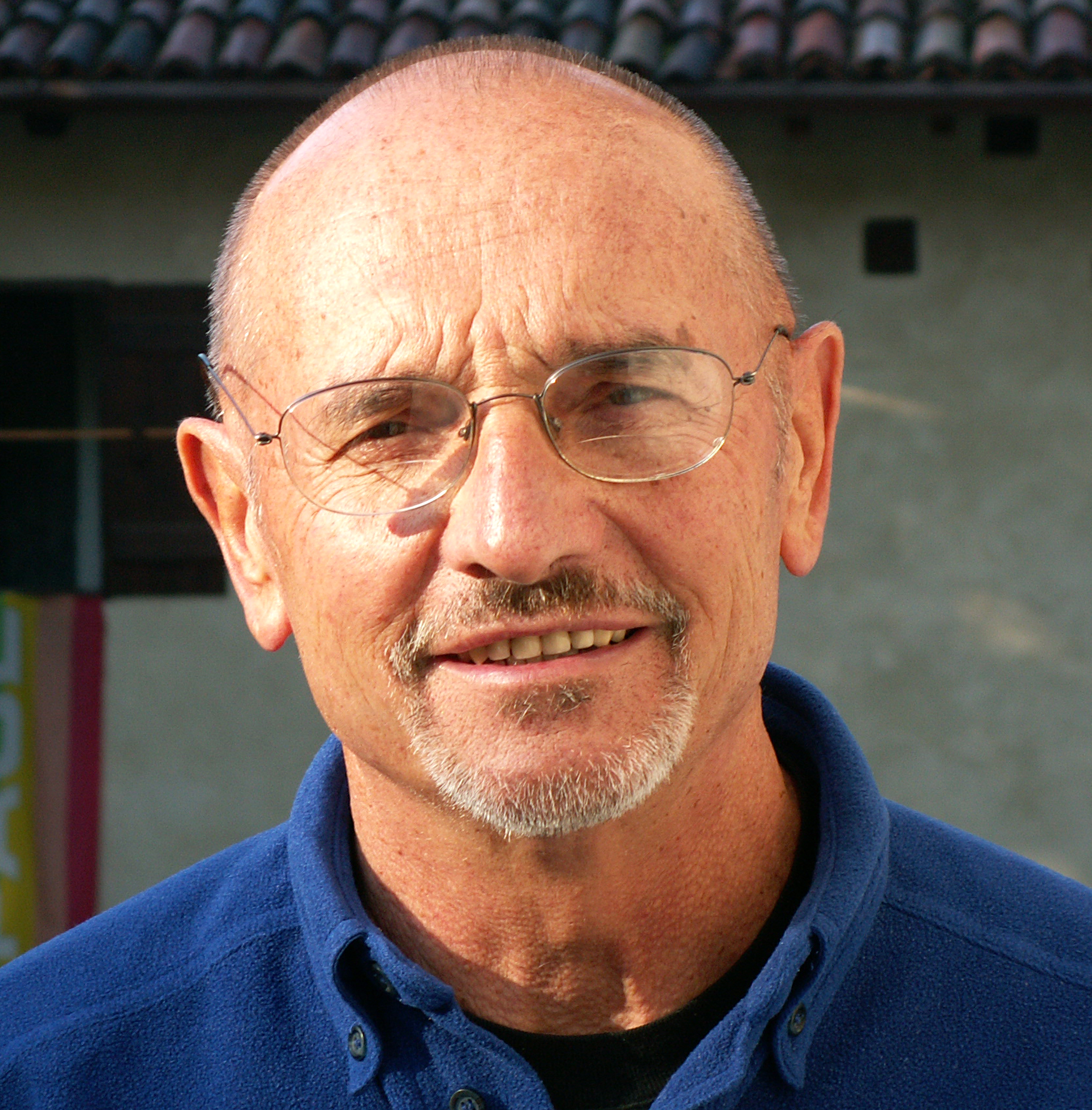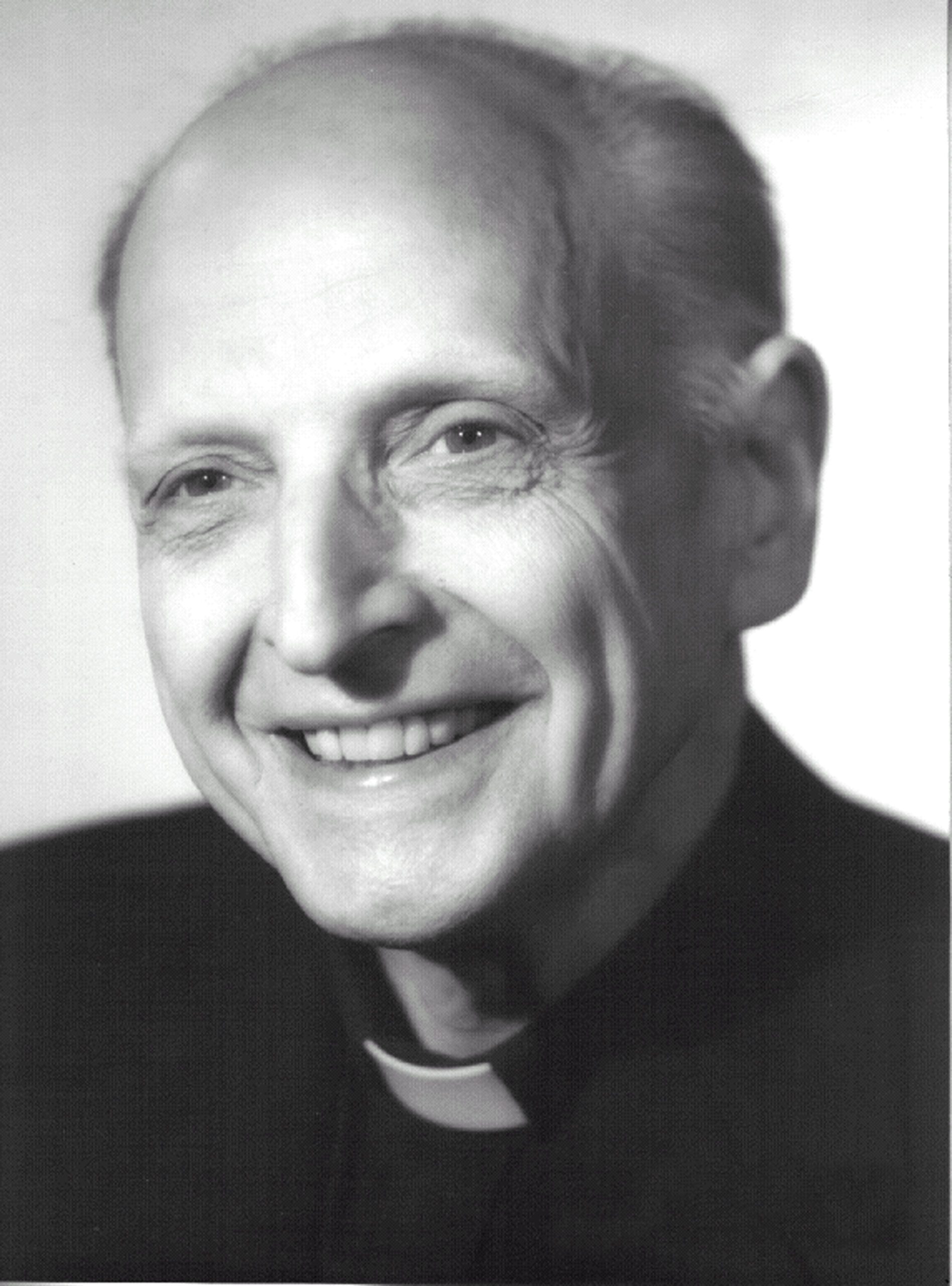

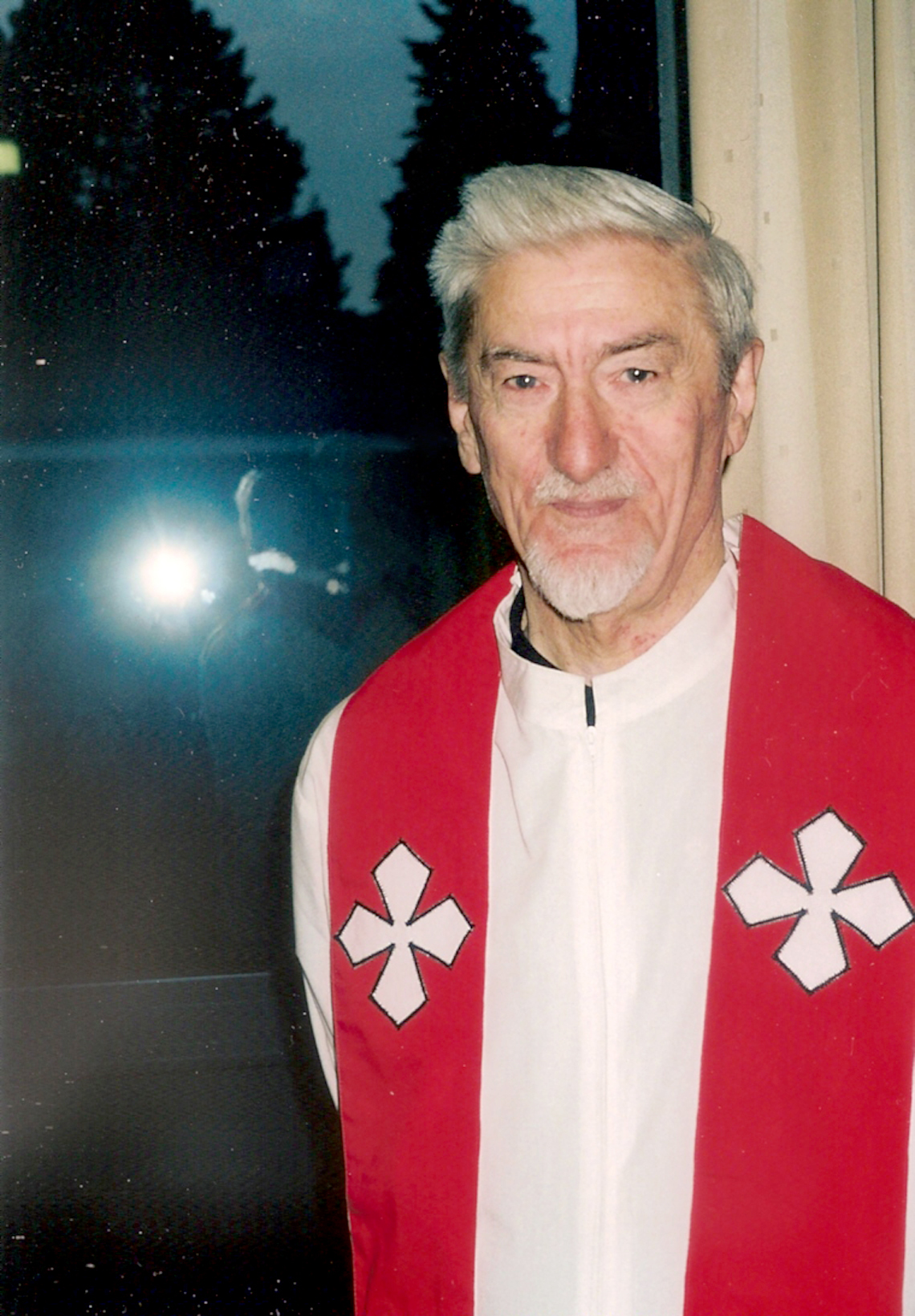
On September 28, 1983, an accident occurred that changed the life of Fr. Fulvio Cristoforetti, a Comboni missionary in Uganda. For the last three years, since the contested 1980 elections, there had been a fierce guerilla war in Uganda, led by Yoweri Museveni, the one who would conquer Kampala in 1986, proclaim himself president and continue in the same position up to the present time. He had installed himself, along with his fighters of the NRA (National Resistance Army) in what was called “the Lowero Triangle,” a notorious theater of bloody clashes between the NRA and the regular troops of Uganda’s President Obote. That area happened to be Fr. Fulvio’s parish.
Fr. Fulvio and the other Comboni missionaries were free to go on safari and visit the parish communities, but only at their own risk. Nobody would ever harm them, let alone shoot at them. They were appreciated and loved by everybody. One day, a confrère from the capital brought an off-road vehicle, a Suzuki, to the mission residence. Finally, they could face the impassable roads of the far sites of the parish. The military authorities, who gave them permission to travel in the war zone, made very clear to them: “Do exactly what the military tell you at the roadblocks.”
With this warning, the missionaries set off on their way. This is how Fr. Fulvio describes the fateful journey: “My confrère, Fr. William Maffeis, and I passed through three roadblocks without incident. At the fourth one, a young lieutenant told us: ‘I should detain you here, but since you insist, I advise you to go no further than Magoma because there is a lot of fighting going on.’
“At Magoma, the church was well maintained. Fresh flowers on the altar told us people had gathered there recently. We found no one, however, not even the catechist, so we drove on with the intention of visiting the nearest chapel.
TARGETED BY A BAZOOKA
“Suddenly, we heard a loud explosion. I was driving and I didn’t understand what was going on. Almost immediately a second explosion goes off, shattering the glass in the Suzuki. I feel a strong pain in my legs, right arm and buttocks. I am hit by four bullets. I turn to my confrère and I see that he is huddled down between the passenger seat and the dashboard. On that instant, a bullet plows into my scalp, making a furrow along the side of it. If I hadn’t turned my head to look at Fr. William, I’d be dead on the spot.
“Despite my excruciating pain, I try to accelerate the car, but the guerillas intensify their attack against us. A rocket launched by a bazooka hits the car and stops us cold. The engine catches fire and a thick, black smoke engulfs us. With my good arm I open the door. I can’t move my legs, but I am able to pull them out, and clinging to the door, I slide them down until my feet touch the ground.
I look at the seat and see that part of me is still there. I touch my bottom and I realize that my buttock has been shot away to the bone. A group of young men approach the car, embracing their guns. “What have I done to you?” one of them, perhaps the chief, exclaims. The others immediately follow his lead. “We are sorry, Father. We didn’t mean to kill you” and they go away as quickly as they had come.
“Then Fr. William came to my rescue. Grasping me under my armpits, he pulled me away like a sack of potatoes and eased me on to the grass. I pleaded with him to hear my confession. ‘I’m dying, and I want to go straight to Paradise.’ I told him that I forgave the youth who shot me and made him promise he would visit my family. After he gave me absolution, Fr. William left quickly to find help. I remained in the company of a cloud of mosquitoes determined to have a feast on my blood. At first, I tried to ward them off, but after awhile I gave up and let them have their way.
“In those moments, I felt God’s presence more than ever. I had no fear. I abandoned myself to God, knowing in whose hands I was placing myself. I kept repeating the phrase: ‘Into Your hands, o Lord, I commend my spirit.’
Then a group of soldiers, members of the regular army, arrived. God’s hand brought them to me. They looked around and found a board, placed me on it, and carried me away towards the Magoma roadblock. Then, a military truck arrived and in the cabin sat Fr. William.
A TRAGIC GIFT
“They placed me on the naked steel of the truck bed. The lieutenant tells the driver to hit the accelerator, and he floors it. The speed and the impressive potholes only add to my excruciating pain, and I moan continually. A soldier sits on a blanket at the rear of the truck. Our eyes meet, and I can tell he feels bad. He brings the blanket to me, rolls it like a pillow and places it gently under my head. I wish he would place it under my rear where I have nerves exposed, but I don’t have the strength to tell him. I can only smile my thanks to him.
“When we reach Kasaala, Fr. William gets the little mission truck and puts two mattresses in the back. ‘They should help cushion the ride,’ he says. It is very difficult for me to hear him. We leave for Kampala, and I pray: ‘Oh God, if I have to die, let it be now, not after another 80 kilometers.’ It’s late afternoon when we reach Nsambya Hospital in Kampala. The Franciscan Missionary Sisters for Africa take me in their care.”
That day, Sr. Miriam Dugan, the surgeon, had been detained in the operating room longer than usual. She was in the kitchen to get a bite to eat when she was urgently called to assist Fr. Fulvio. He had fallen into a coma, had lost a lot of blood, and was the grayish color of a corpse. Sr. Miriam wanted to start a transfusion but there was no supply of blood in the hospital. She begged Fr. William to look for donors. After one hour, Fr. William had rounded up a few people for donations. The only technology Sister had to screen for HIV was her intuition. “I picked people who looked least likely to transmit the virus. That was my screening mechanism.” But at least one carrier got through anyway, and Fr. Fulvio started his long adventure with AIDS, although this was not evident in the beginning.
SECRET OF MISSIONARY SUCCESS
When Fulvio Cristoforetti was seven years old, he told people he wanted to be a priest. And he meant it. One of six children in a family materially poor but rich in faith, Fulvio left his childhood home in Alvio, Italy, when he was only twelve to join the diocesan seminary in Trento. By the time he had reached his last year of theology, he knew that God was calling him to be a missionary.
With the support of his spiritual director and the archbishop of Trento, Fulvio entered the Comboni seminary in Gozzano in 1956. “The Lord has called you,” Archbishop Ferrari told him “Go, and may God bless you.” In September 1958, Fulvio was ordained a Comboni missionary priest in his hometown. His dream was to go to Africa. In 1963, after studying English in the United States, he got his wish when he was assigned to Kasaala, a parish of the archdiocese of Kampala, Uganda.
People welcomed him with open arms, and he immediately started learning the language and immersing himself in the culture. “The secret of a missionary’s success,” he said, “is to sincerely love those whom God places on your path. Love them all like they were your own family.”
Those years were a time of indescribable joy and unforgettable experiences that strengthened Fr. Fulvio’s faith. More times than he could count, he was evangelized by the sacrifices the catechumens made during their preparation for baptism. Year after year, Fr. Fulvio persevered in the pastoral service of the people of Kasaala: his benevolent presence was well known in all the territory where his smiling, optimistic approach brought serenity and goodwill to all his parishioners.
TWENTY YEARS STRUGGLE WITH AIDS
The doctors who attended Fr. Fulvio through his recuperation predicted that he would be in a wheelchair the rest of his life. Instead, he was able to walk and without a cane. After the ordeal of numerous reconstruction surgeries and long recuperation, Fr. Fulvio returned to his beloved Kasaala, where he continued his missionary service. In September 1985, he had to leave hurriedly, together with a large group of parishioners, to escape the arrival of Idi Amin’s soldiers, who had order to exterminate the population. Traveling on foot, with the dark of the night as cover, he managed, with God’s protection, to dodge the soldiers’ fury.
In 1990, Fr. Fulvio was moved to Mbuya parish, Kampala, but in 1997 he had to return to Milan for medical treatment for AIDS. He stayed there a year, accepting voluntarily to place himself under experimental anti-AIDS drug therapy. “I signed because I fervently hoped there would be an improvement, maybe even a complete cure for this horrible condition. When God called me home, I wanted to be able to say that we defeated AIDS, that the virus was wiped out.” Following treatment, Fr. Fulvio remained HIV positive, but turned away from his own problems to instill courage in other patients suffering from all kinds of illnesses. From 1999 to 2007, Fulvio lived at the Comboni house in Arco, Trent, always taking an active part in the community.
In 2004, Sr. Miriam came to visit Fr. Fulvio. “It was an indescribably emotional experience seeing the person who saved my life some 20 years before,” Fulvio said. Sometime during their reunion, Sr. Miriam looked directly into Fr. Fulvio’s eyes and pleaded, “Tell me I did right. Tell me that even the infected person was an authentic donor. Thanks to that blood and the infinite power of God, you are still alive 21 years later.” Drying her eyes, she said, “And you are still in good shape.” Fr. Fulvio hugged her and said, “You did the right thing and I am infinitely grateful.”
At the beginning of 2008, the AIDS virus got the better of him in spite of his long, hard battle against it, and he had to return to the Milano clinic. “I am at the end,” he said. “I cannot move from my bed. In a sense, I am nailed to it, and this gives me the opportunity to unite myself with the sacrifice of Christ on the Cross.”
Father Fulvio Cristoforetti died, convinced that he was a privileged recipient of God’s love, the God who made his unfathomable designs clearly visible in Fr. Fulvio’s life. Two days before his death, he confided to a friend: “I am happy to share the life of many Africans who die victims of this disease that has been my constant companion for the last 25 years. I lived for Africa; now I want to die for the Africans.” Then he added, “Want to know why? It’s a question of love.”