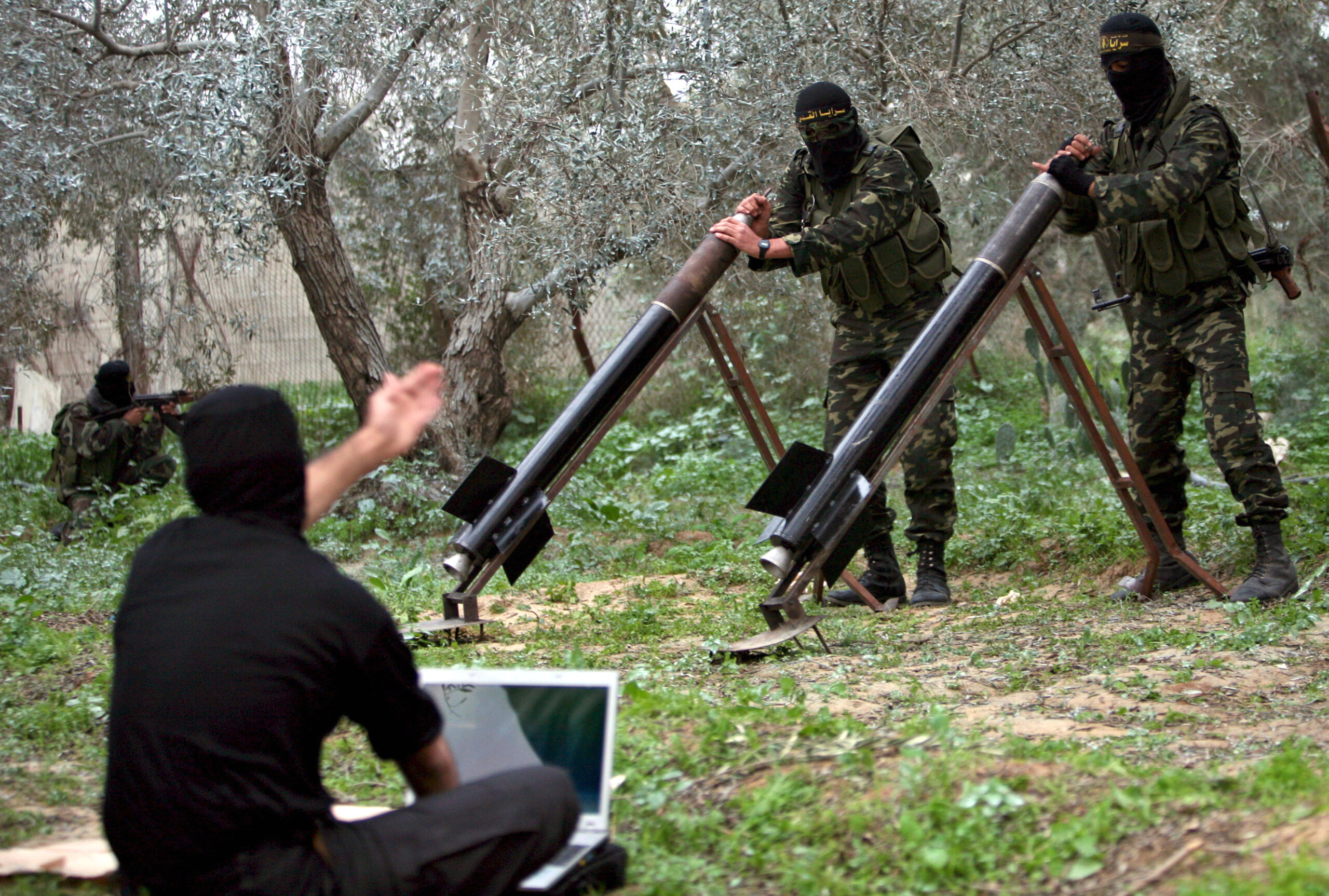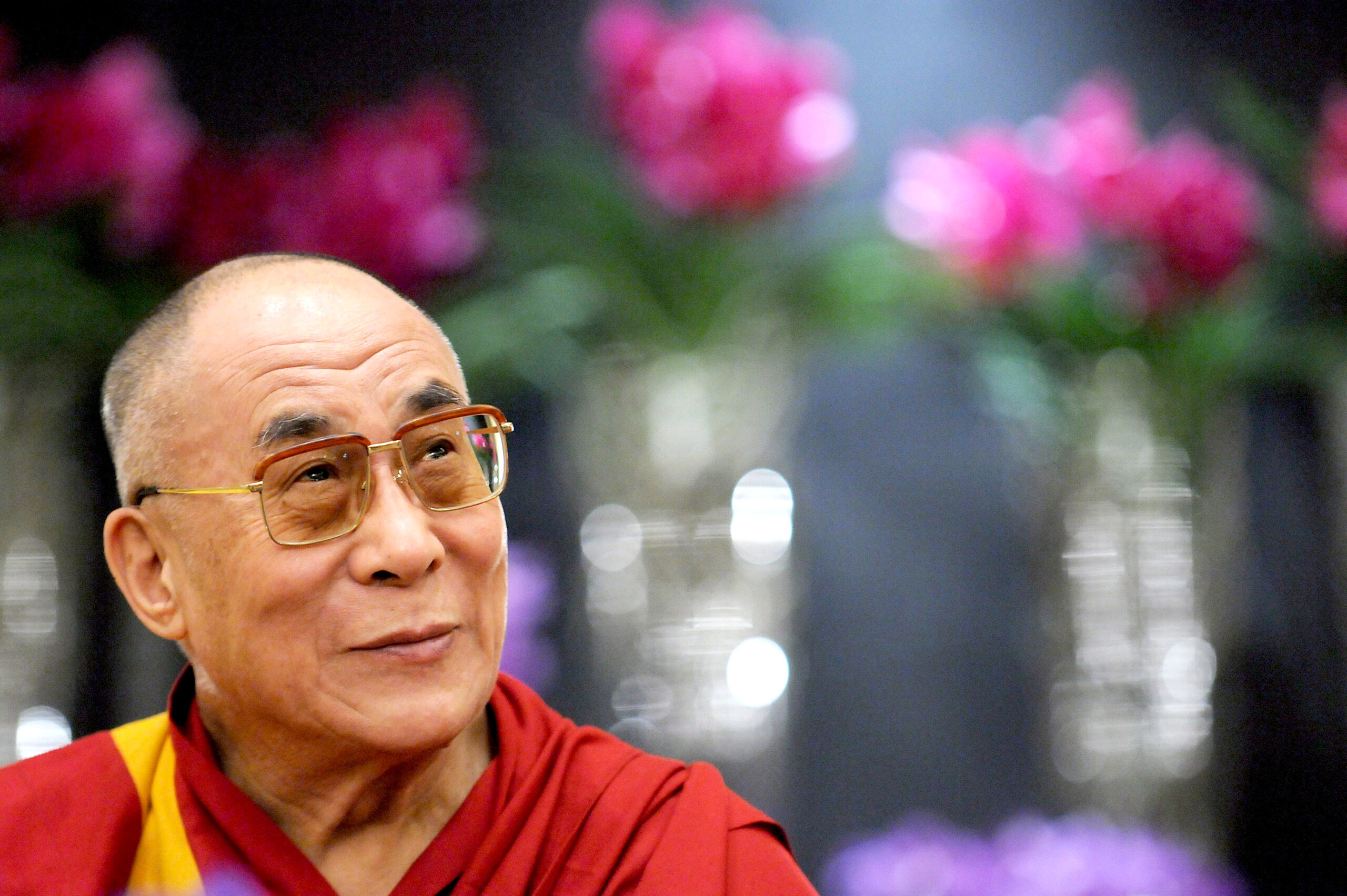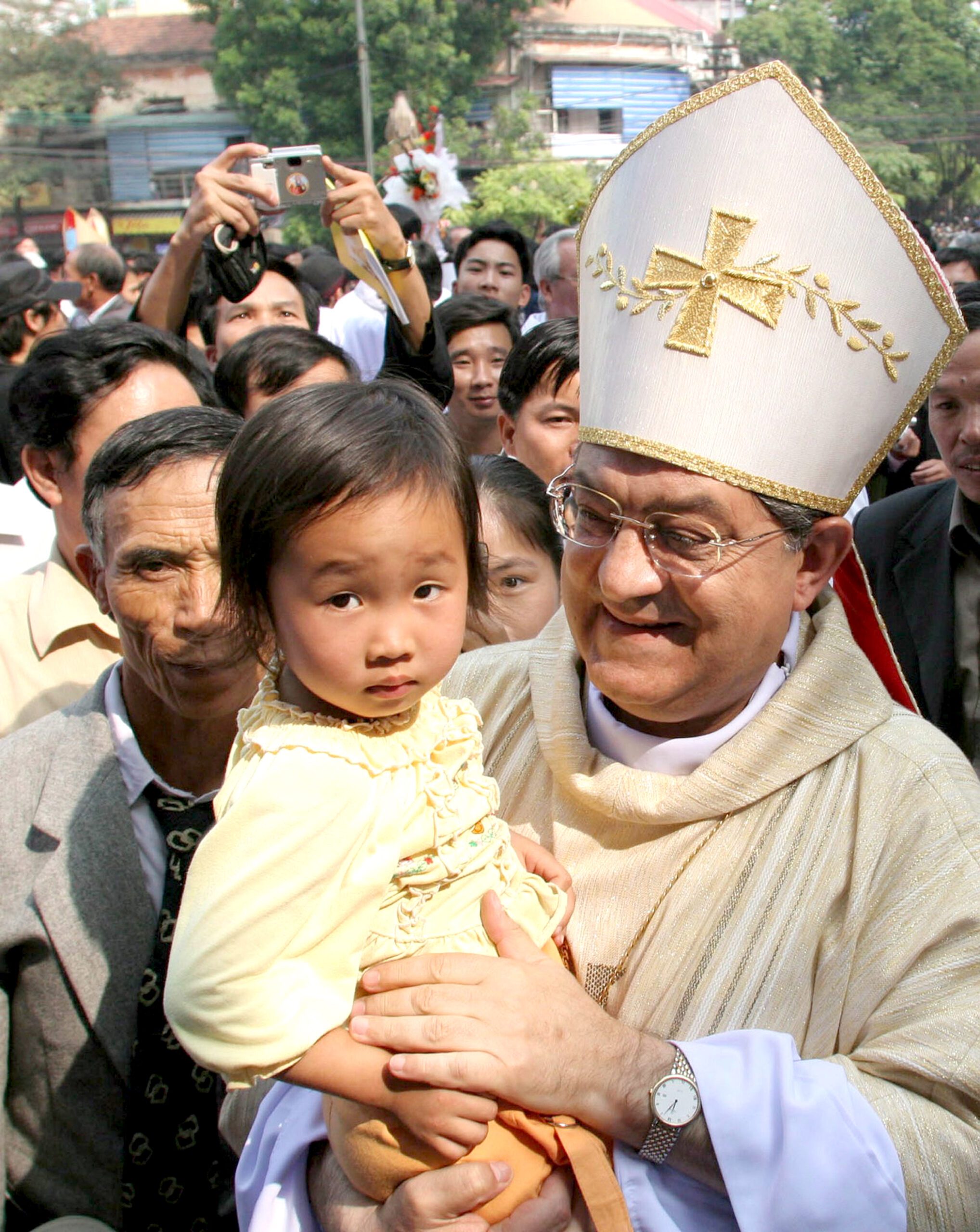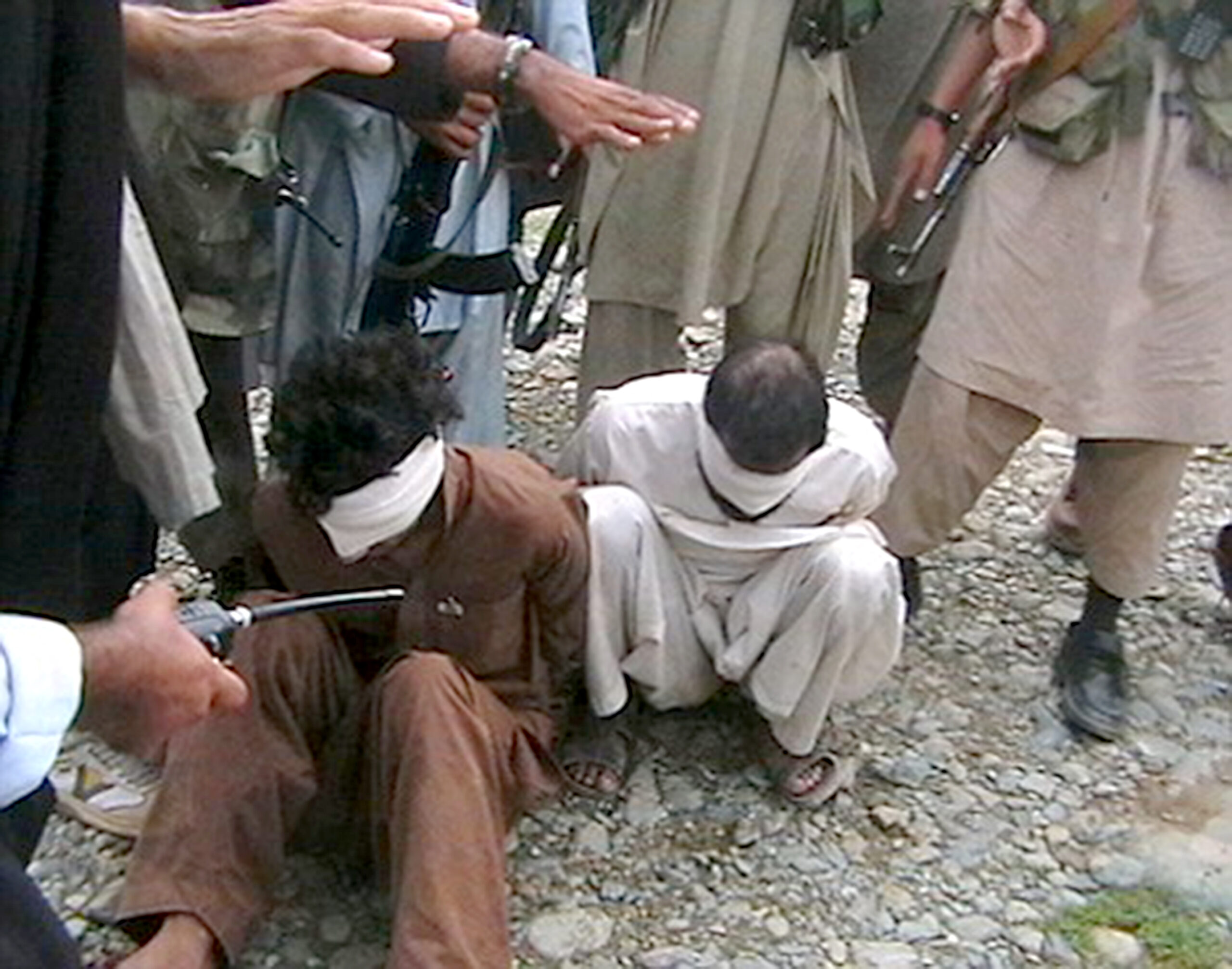
The Holy Land is a vast region comprising (what today is) Israel, the Occupied Territories (also known as the West Bank and the Gaza Strip), and Jordan. This is a land crisscrossed by mercantile routes, a land that became a hub of commerce and migrations since the oldest times. Even before the rise of Israel, and the beginning of Judaism, this land saw the passage of many peoples, and their armies. Throughout history, war has never been too far from the Holy Land. Yet this is the land that God promised to His chosen people, a land that will have to find lasting peace through dialogue among the many peoples who inhabit it, most of whom trace back their origins to the same God of Abraham, Isaac, and Jacob.
Archaeological finds show that the Near East was inhabited since the dawn of humanity. Indeed, the first humans who left Africa ventured through this area to reach Eurasia. In historic times, many civilizations fought for the control of the coastal routes. The ruins of Tell Gezer, 20 km north of modern Ashkelon in Israel, show the importance of the site. Tell Gezer is quoted in the Bible, but also in Egyptian and other Near East literature.
Controlling the ‘way of the sea’ was important since this route linked Egypt to the lands of the Phoenicians, Assyria, Persia and Mesopotamia. The Jews were but only one of the many people inhabiting the land. It is enough to read the Bible to realize that Israel was never able to establish a tight control on the land. Yet, around 1050 B.C., the Jews developed an independent kingdom that controlled much of what today is Israel. The Bible relates that King David was able to enlarge the territories he inherited from Saul. However, new findings show that the holy book might offer a theological reading more than a historic one. In summer 2008, Israeli archaeologists found evidence of non-Jewish settlements of the time of King David only a few kilometers away from Jerusalem. The very Bible refers that many of David’s general and administrators were not Jews, but belonged to different peoples who lived in the same land. What more, there is not yet a single archaeological evidence of the historical existence of King David.
EXILE AND CONQUESTS
Whatever the case, the kingdom soon split (950 B.C.) into the kingdom of Judah – around Jerusalem – and the kingdom of Israel – in the north. The kingdom of Israel came under attack and was finally conquered by the Assyrians in 722 B.C. Part of the population was exiled, people from other parts of the Assyrian kingdom were taken to Galilee and Samaria. Indeed, the name Galilee derives from the Hebrew expression Haglil hagoim, the district of the nations, referring to the many foreigners that inhabited it. Also the kingdom of Judah came under the influence of the Babylonians. In 586 B.C., King Nebuchadnezzar II conquered the kingdom of Judah and exiled the population to Babylon. The Jewish people went back to Judah only when Cyrus the Great of Persia conquered Babylon and gave them freedom to return and rebuild Jerusalem in 538 B.C. Even though Judah had a degree of freedom, it remained under Persian control. In 332 B.C., Alexander the Great conquered the whole Near East, introducing Hellenism, i.e. Greek culture which clashed with Jewish traditions. In time, this led to the Maccabean Revolt (174-135 B.C.). The Romans arrived in the area in 64 B.C., when Pompey conquered Judea. Once again the Jews were under foreign domination, but retained a degree of freedom. The Temple of Jerusalem was the only religious structure of the Roman Empire which did not contain an image of the emperor and Jews were not asked to offer sacrifices to the emperor. The Romans had to deal with several revolts, the latest of which led to the destruction of the Temple and of most of Jerusalem (70 A.D.). Most Jews were sent into exile. In 135, Bar Kokhba led a new revolt against the occupying forces. Roman Emperor Hadrian defeated the insurgents, renamed Jerusalem Aelia Capitolina, and named the whole country Palaestina. Palestine – as it is known in English – remained under Roman control and later was placed under the Byzantine Empire. This until 631, when the expanding Muslim armies conquered the whole Middle East. Islam became the dominant religion in the area, even though Jewish and Christian faithful lived throughout the Holy Land.
ISLAMIC RULE AND CRUSADERS
Palestine was ruled by the Caliphs based in Damascus until the Crusaders wrestled for control of the region. In 691, Caliph Abd al-Malik built the Dome of the Rock shrine over what was believed to be the Foundation Stone, the holiest part of the Jewish Temple. The Al-Aqsa Mosque was erected on the Temple esplanade shortly afterwards (705). The Islamic rulers built also other important infrastructures. At the end of the XI century, European preachers kept asking why the Land blessed by God was under Islamic rule. They felt it was the duty of Christian Europe to re-conquer that land and to allow Christians to go on pilgrimage to the places remembered in the Gospels. European kings organized the Crusades – a series of wars against the ruling Caliphs. From 1099 to 1291, most of the Holy Land fell under control of the Crusaders, with alternate fortunes. In 1291, the Islamic forces defeated the last Crusader Kingdom of Acre, north of Haifa. Power went from the Mamluks of Egypt to the Ottoman Empire. In 1799, Napoleon briefly occupied the coastal region and offered the land to the Jews, yet they did not accept the invitation to found a Jewish state. By this time, the Holy Land was populated mostly by Muslim and Christian Arabs. There were also Jews, Greeks, Druze, Bedouins and other minorities. In 1844, Jews constituted the largest population group in Jerusalem and, by 1890, an absolute majority in the city – although as a whole the Jewish population made up far less than 10% of the region. The British controlled the area from 1917 and defined the boundaries including modern Israel, the West-Bank and Gaza and Jordan.
BACK TO PALESTINE
Even though there is evidence of a continuing Jewish presence in the Holy Land even after the destruction of Jerusalem, most Jews communities moved to northern Africa and Europe. In the territories under Islamic rule, the Jews had limited freedom and were often abused by the power of the day. In Europe, the Jews faced mild to severe oppression. In most cases, they were forced to live in confined areas, the ghettos, and had their freedom curtailed. The French Revolution, and the following intellectual movement of Enlightenment, promoted the emancipation of Jews throughout Europe. When Jews reclaimed their rights, there was a counter reaction from sections of the society. Jews were seen as an alien, a morally inferior non-European community. This anti-Semitism, as it came to be known, was encouraged in the lands under Tzarist control. Most of the Jews who fled the violent attacks in Russia and Poland, headed for Palestine, where they founded agricultural communities (Mikveh Israel, 1870; Petah Tikva, 1878; Rishon LeZion, 1882). European Jews started discussing the opportunity to return to the Holy Land. The first Zionist Congress (29-31 August, 1897) met in Basel, Switzerland, and reached the decision “to establish a home for the Jewish people in Palestine secured under public law.” Zionism, the name deriving from the hill of Zion in Jerusalem, was of little political importance in the West, and regarded with suspicion by the Ottoman rulers of Palestine. Yet, it had a strong appeal to impoverished Jews who accepted to reclaim land and work in communes called Kibbutz. The following step was the revival of the Hebrew language, which had already gone out of popular use by the time of Jesus. At the break of World War I, the British wanted Jewish support to fight against Germany. British Prime-Minister Lloyd-George supported Zionism and Lord Balfour, foreign minister, declared the British Government was in favor of “the establishment of a national home for the Jewish people … it being clearly understood that nothing shall be done which may prejudice the civil and religious rights of existing non-Jewish communities in Palestine.” The British invasion force that invaded Palestine led by General Allenby, included a force of Zionist volunteers known as the Jewish Legion.
THE PARTITION OF THE LAND
After the war, the League of Nations gave the British a formal mandate over Palestine, endorsing Balfour’s plan and creating a Jewish Agency that would administer Jewish affairs in Palestine. The USA, which had not joined the League of Nations, endorsed the creation of a Jewish enclave with a treaty signed with the British. The local population reacted to these plans which were arranged over their heads. The turmoil exploded with the Jaffa Riots in 1921. After that, the British accepted to enact a system of immigration quotas to ensure that Jewish immigration did not disrupt Palestine’s economy. Palestinian fighters attacked isolated Jewish settlements. The Jews responded with the creation of Hagana (defense) and, later, the Irgun Tzvai Leumi (National Military Organization, known by its acronym Etzel) of Zionist leader Jabotinsky. The two organizations later merged. The large intake of Jews in the 1930s led to the Arab Revolt of 1936-39. Ben Gurion, the leader of the Jewish Agency, invited his people not to respond to violent attacks to bring the problem to the political arena. The British government named a Royal Commission chaired by Lord Peel. The Peel Commission recommended the creation of two separate autonomous regions for Jews and Arabs, with Britain maintaining overall control to secure full separation between the communities. The proposals were rejected and the British, worried of the emerging conflict in Europe, restricted Jewish immigration and promised to establish a Palestine state under Arab majority rule within a decade.
After the end of World War II, the British considered the importance to keep cordial relations with the Arab nations because of the strategic value of the region. Britain still controlled Transjordan, Sudan, Kuwait, the Arab Emirates, Bahrain and the Yemen; and was allied to Iraq and Egypt. The end result was that the new Labor government decided to support an Arab state in Palestine. However, most European Jews wanted to leave their countries. Some were accepted by the USA, others had no option but to move to Palestine. A stream of small boats carrying illegal immigrants caused the British to take measures against the Jewish community. In June 1946, the British arrested the leadership of the Jewish Agency and thousands of Jews living in Palestine, holding them without trial. The answer from the local community arrived a month later. Etzel organized the bombing of the British Military Headquarters where 92 people died. The British placed much of the land under curfew and interned all illegal Jewish immigrants in camps on Cyprus Island. This plus other measures to halt Jewish migration to Palestine generated much negative publicity, and fuelled anti-Jewish feelings in Europe, setting off the spark of the Liverpool Riots in August 1947. Anti-Jewish riots soon spread to all major British cities. The British government referred the Palestine crisis to the UN. On November 29, 1947, the UN General Assembly ratified the partition of Palestine. The land west of the Jordan was to be divided into two states, one Arab and one Jewish, while Jerusalem would have a special status under the direct UN administration. The British government did not accept the resolution and refused to cooperate with the UN. They, however, started the evacuation of the area, which was completed in May 1948.
ARABS AND JEWS START FIGHTING
While the British prepared to leave, Jewish and Palestinian communities started open fighting. Arab States supported the Palestinians. However, the Arab League could not invade Palestine before the final departure of the British. The fighting was left to the Arab Liberation Army, a force largely composed of Arab volunteers from the Middle East, but also of former German Nazis and other European mercenaries. The Jews had their own militia and a professional force, called Palmach. Even though Arab forces held the advantage, Jewish fighters were better organized and took advantage of the British evacuation. Fighting concentrated along the road to Jerusalem with the destruction of most of the Arab villages along the narrow route between Jerusalem and Tel-Aviv. By May 1948, 100,000 upper class Palestinian Arabs fled to neighboring states, while another 150,000 were evicted from their lands. Most of those who fled believed to return as soon as the invading Arab armies would be victorious. History, however, took a different turn.
INDEPENDENCE OF ISRAEL
On May 14, 1948, the last British forces left Haifa. On the same day, David Ben Gurion, leader of the Jewish Agency, declared the creation of the State of Israel as foreseen in the 1947 UN Partition Plan. The USA and Russia immediately recognized the new state. The Arab nations refused to recognize Israel and rejected the UN Plan. Egypt, Transjordan, Syria, Lebanon and Iraq declared war on Israel and sent invading forces. Among them, only the Jordan Arab Legion had real military training and adequate weaponry. Nonetheless, the latter did not invade Israeli territory and occupied only the West Bank and East Jerusalem. All Jewish militias and para-military organizations converged to form the Israeli Defense Force (IDF). In early June, the UN declared a month-long truce. When fighting resumed, the Israeli soon gained the upper hand. In March 1949, the Armistice Agreement stopped all hostilities. By then, the Israeli had conquered Galilee and the Negev. Syrians remained in control of a strip of territory along the Sea of Galilee, originally allocated to the Jewish state. The Lebanese occupied a small area at Rosh Hanikra, while the Egyptians held the Gaza strip. The interim border of Israel was much of what is today, and took the name of the Green Line. The United Kingdom recognized Israel, which was admitted at the UN as member on May 11, 1949. According to UN statistics, between 1947 and 1949, 711,000 Palestinians left Israeli-controlled territory. Except in Jordan, Arab refugees who left Palestine were settled in refugee camps and denied full citizenship and rights by the Arab countries that hosted them. In the coming years, almost all Jews living in the Arab world left to either go to Israel or to emigrate towards Western countries.
AFTER THE HOLOCAUST
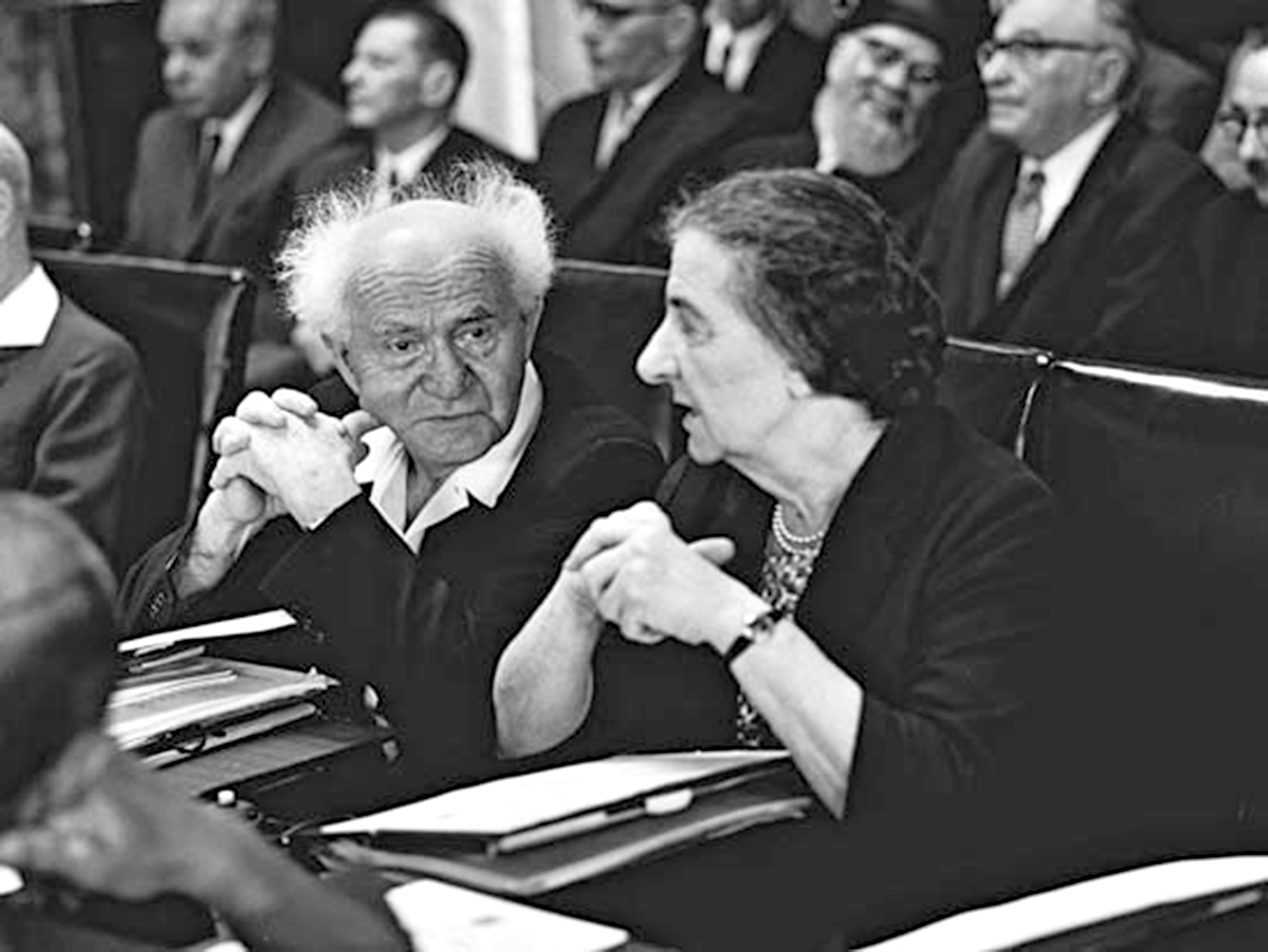
The new state soon established a Parliament – the Knesset – and held general elections. Chaim Weizmann was chosen as first President while David Ben Gurion took the post of Prime Minister. Ben Gurion encouraged mass immigration of Jews. All persons who could provide evidence of Jewish ancestry had the right to settle in Israel and gain citizenship. In just ten years, the population rose from 800,000 to two million. Food, clothes and furniture were rationed in what became known as the Austerity Period. The crisis pushed Ben Gurion to receive much needed aid from Germany as a reparation for the Nazi oppression of the Jews and the Holocaust. In exchange, Israel opened diplomatic relations with Germany. With all his neighbors refusing to recognize Israel, the new country aligned itself with the West. Israel also sought diplomatic relations with all the new African and Asian countries as colonization came to an end.
In 1956, Egypt nationalized the Suez Canal and placed a blockade on the Gulf of Aqaba. This meant that Israel shipping to the Far East had to go through the Mediterranean Sea, making each trip longer and more expensive. France and Great Britain – which were shareholders in the Suez Canal venture – secretly supported a plan to re-take the canal by force with the help of Israeli forces. In October 1956, Israel invaded the Gaza Strip and the Sinai Peninsula. French and British forces stepped in on the pretext of restoring order. In exchange for its help, France provided Israel with the nuclear technology that led to the production of nuclear weapons. Also, Israel was granted full access to the Red Sea.
THE SIX-DAY WAR
In 1964, Egypt, Jordan and Syria agreed to a unified military command. Jordan and Syria also cooperated in trying to divert the headwaters of the Jordan River to contrast Israeli’s plan to take Jordan’s water to the Negev desert to allow for mass Jewish settlement over there. This led to growing friction between Israel and Syria. In May 1967, Syria, Jordan and Egypt amassed their troops along the Israeli border. Israel had no choice but to launch preemptive attacks. On June 5, early in the morning, Israeli planes destroyed the Egyptian air force on the ground. After refueling and re-arming, they attacked the Jordan and Syrian air bases, effectively destroying their air forces. Ground attacks followed. In six days, the Israeli army defeated the Arab forces. All war parties accepted the cease- fire called for by the UN. The Six-Day War brought Israel to control the Sinai Peninsula, the Gaza Strip, the Golan Heights, and the formerly Jordanian-controlled West Bank of the Jordan River. Israel immediately annexed East Jerusalem, while the Golan Heights were formally annexed in 1981. The war pushed the UN Security Council to adopt the Resolution 242 which called for Israeli withdrawal from territories occupied in 1967 in return for the end of all conflicts and the right for all nations of the region to live in peace within secure, recognized boundaries. The resolution was accepted by both sides of the conflict, albeit with different interpretations, and formed the basis of all following peace negotiations. In fact, fighting with Egypt continued and escalated in 1969, without developing into a full-blown war.
THE LIBERATION ORGANIZATION
In the meantime, most of the Palestine Liberation Organization (PLO) – the political organization defending the rights of Palestinians – officials operated from Jordan. There, the OLP was taking root also as a local political organization (about 60% of Jordan’s population is Palestinian). King Hussein realized the danger posed by the PLO and decided to send the PLO leadership out of the country. In a violent confrontation, in what became to be known as Black September, Hussein ordered the army to shoot on Palestinians who refused to obey his orders. On September 18, 1970, Syrian tanks invaded Jordan to force Hussein to accept the presence of PLO in his country. In turn, Israel moved its troops to the border with Syria, which had to withdraw from Jordan. The PLO leadership moved to southern Lebanon where it contributed to the progressive Islamization of the only prevalently Christian Middle East country.
King Hussein paid back Israel for its assistance during Black September when he warned Prime Minister Golda Meir of an attack Syria and Egypt planned to launch in October 1973. The Israeli government did not react to the information and so the country was not able to respond to the Yom Kippur (October 6, 1973) surprise attack. After a few days of uncertainty, the Syrians were repelled and the Egyptians held at the Sinai Peninsula.
After thirty years of leftist dominance, the Likud, a right-wing political party led by Menachem Begin, won the 1977 elections. Begin liberalized the economy, but supported plans to establish Jewish settlements in the occupied territories.
On the international arena, Begin was able to attract USA aid and to pave the way to peace with Egypt. In November 1977, Egyptian President Anwar Sadat paid a two-day state visit to Israel. He was allowed to talk in the Knesset where he recognized Israel’s right to exist. The new political opening brought President Sadat and Prime Minister Begin to meet at Camp David where USA President Carter played host. On September 11, 1978, the two Middle East leaders agreed to peace between Israel and Egypt and a comprehensive peace in the Middle East. The treaty was signed in March 1979 and provided a framework for peace talks in the region, as well as guidelines on the creation of a transitional regime that would lead to the full autonomy of Palestinians living in the occupied territories. Israel returned the Sinai peninsula to Egypt in April 1982. The Arab League did not agree with the Camp David’s agreement and suspended Egypt from the Organization.
The Al Fatah faction, the largest militia forming the armed wing of the PLO, increased its military attacks on Israel from its bases in southern Lebanon. Al Fatah effectively shelled northern Israel and carried out night attacks with small groups of fighters. In response to these attacks, Israel invaded Lebanon in 1982, reaching Beirut and occupying the Lebanese capital. By August 1982, the PLO realized it could not hold its ground there and left for Tunisia. Israel had to retreat after the massacres of Sabra and Shatila. These two were refugee camps inhabited mainly by Muslim Palestinians. A Christian Lebanese militia entered the camps at night and massacred the occupants. The killing sparked a strong protest in Israel. Later, Defense Minister Sharon was found indirectly but personally responsible for the massacres by a public inquiry. In June 1985, Israel withdrew most of its troops from Lebanon, leaving an Israeli-supported militia in southern Lebanon as a buffer against attacks on its northern territory.
FROM STONES TO SUICIDE BOMBERS
In the occupied territories, Israeli policy on Jewish settlements and increased harshness of the occupation led to the 1987 Intifada (uprising). For three years, Palestinian youth and militias fought against Israeli soldiers using homemade weaponry and stones. In turn, the Israeli army was involved in many human right abuses against the Palestinians. A group of Israelis formed the B’Tselem (meaning in the image, a sentence taken from Genesis 1), a human rights group which informs the Israeli society about the abuses of the Israeli army and other government agencies against Palestinians. The first Intifada did not succeed in freeing the occupied territories, but helped forcing a treaty between Israel and the PLO. The Declaration of Principles, signed in Washington on September 13, 1993, established objectives relating to a transfer of authority from Israel to an interim Palestinian authority, in view of a final treaty establishing an independent Palestinian state. Other treaties and agreements (Gaza-Jericho Agreement in May 1994, Peace Treaty between Israel and Jordan in July 1994, Israeli-Palestinian Interim Agreement on the West Bank and the Gaza Strip in September 1995) followed. PLO leadership was allowed to relocate within the occupied territories. These treaties were partially opposed by Hamas and other Palestinian groups. They organized suicide attacks to force a change. In turn, this led to the construction of the Gaza Strip barrier and, later, the Wall between Israel and the West Bank. These two barriers were effective in stopping attacks on the Israeli population, but further divided the two communities and created deep resentment on the Palestinians. In January 1997, Israeli Prime Minister Netanyahu signed the Hebron Protocol with the Palestinian Authority. This called for the redeployment of Israeli forces in Hebron and the turnover of civilian authority in much of the area to the Palestinian Authority, creating even more resentments among the local population.
POPE JOHN PAUL II’S VISIT
On March 21, 2000, Pope John Paul II arrived in Israel for a historic visit. The Pope’s visit had to be the occasion for a final treaty between Israel and the Palestinian Authority. Instead, no treaty was signed and the visit was well used by Israel to project a positive image of itself to the world. Later that year, a new meeting in Camp David (USA) brought together Israeli leader Ehud Barak and Arafat, the head of the Palestinian Authority. Barak offered to meet most of the Palestinian requests for territory and political concessions. Arafat left the conference without making a counterproposal, bringing the peace process to a halt. This eventually led to the second Intifada which divided Israeli and Palestinian society even deeper. In December 2003, the Israeli government announced the unilateral disengagement from parts of the occupied territories. This turned into the withdrawal from the Gaza Strip. In 2005, all Jewish settlers were evacuated from the Gaza Strip and their homes demolished. The withdrawal was interpreted by Palestinians as a political victory.
NEW PLAYER AND NEW CONFLICTS
Peace with Egypt and Jordan and improving relationships with Syria, should have meant a period of stability and perhaps reaching a final agreement with the Palestinian Authority. However, in 2005 a new player entered the scene. This is when Mahmoud Ahmadinejad was elected president of Iran and Iranian policy towards Israel became more confrontational. Ahmadinejad’s government has supplied Hamas in the Gaza Strip and the Hezbollah – an Islamic revolutionary group – in southern Lebanon with weapons and, possibly, intelligence. Cross-border attacks increased both along the Gaza Strip and the northern frontier. Public outcry and the misplaced belief that a war in Lebanon would be easy, led Prime Minister Olmert to approve a military attack on Hezbollah’s strongholds in Lebanon in July 2006. The military campaign ended in a failure, with the Israeli army unable to stop Hezbollah shelling the north of the country. Olmert was also accused of corruption and had to step down.
On December 27, 2008, after the collapse of a mutually agreed cease-fire between Israel and Hamas controlled Gaza, the IDF mounted a three-week military campaign aimed at destroying Hamas capability to hit Israel. The campaign came under heavy international criticism because of the widespread destruction, the attacks on civilians and the use of illegal weapons. The use of chemical weapons and fragmentation bombs in civilian areas has been well documented by independent inquiries. The low criticism attracted from Arab countries has been interpreted as a tacit consent. Many Arab leaders look, with apprehension, to Hamas, the Hezbollah and also to Iran. As in the past, Palestinian lives have been traded in exchange of security needs of other countries. The conflict was also used by all political parties in the run off towards the legislative elections of January 2009.
A RIGHT-WING GOVERNMENT
Tzipi Livni and her Kadima party won a tiny majority against the main opponent Likud. However, the right- wing camp won the majority of seat at the Knesset. President Shimon Peres had no choice but to ask Mr. Netanyahu to try and form a government. Israel’s new government thus is a coalition between right-wing parties. The new Prime Minister made it clear that he does not want the Palestinians to have a state of their own.
Among the allies, there is Avigar Lieberman whose party wants to strip Arab Israelis of their rights. Lieberman is the new foreign minister and should be the one to face Arab counterparts in the proceeding peace talks. Most Arab countries, let alone the Palestinian Authority, have made it known that they have no intention to negotiate with such a character. Yet, not all will be lost. Netanyahu is a notorious opportunistic. He says he does not want a Palestinian State but, at the same time, he vowed to abide to previous agreements made by Israel with the Palestinians, all which acknowledge such a State to come. It is possible that the new government, for all its tough talk, will see the common sense of Palestinian statehood.
On the other side, Hamas has survived the recent war in Gaza and it might receive a big majority in the next Palestinian elections. The group has so far refused to accept Israel’s existence, yet it might be dragged towards accepting previous Palestinian agreements with Israel that include recognition of the Jewish state. If Palestinian politicians were able to agree to a unity-government that gives up violence to find a permanent solution, then Netanyahu would be foolish to refuse the offer. Such an opportunity is not as farfetched as it may seem. In 2002, the Arab League agreed to recognize Israel in return for a Palestinian state along the 1967 Green Line. That promise, repeated by the Arab League earlier this year, still stands. After so many years of warfare and distrust between communities, a permanent solution in the Holy Land will be found only with the help and support from the western and Islamic worlds. Both have much at stake in the region not to intervene. It remains clear, though, that Israeli and Palestinians, to open a new chapter in their relations, have to overcome the evil of the past and to be open to real cooperation.