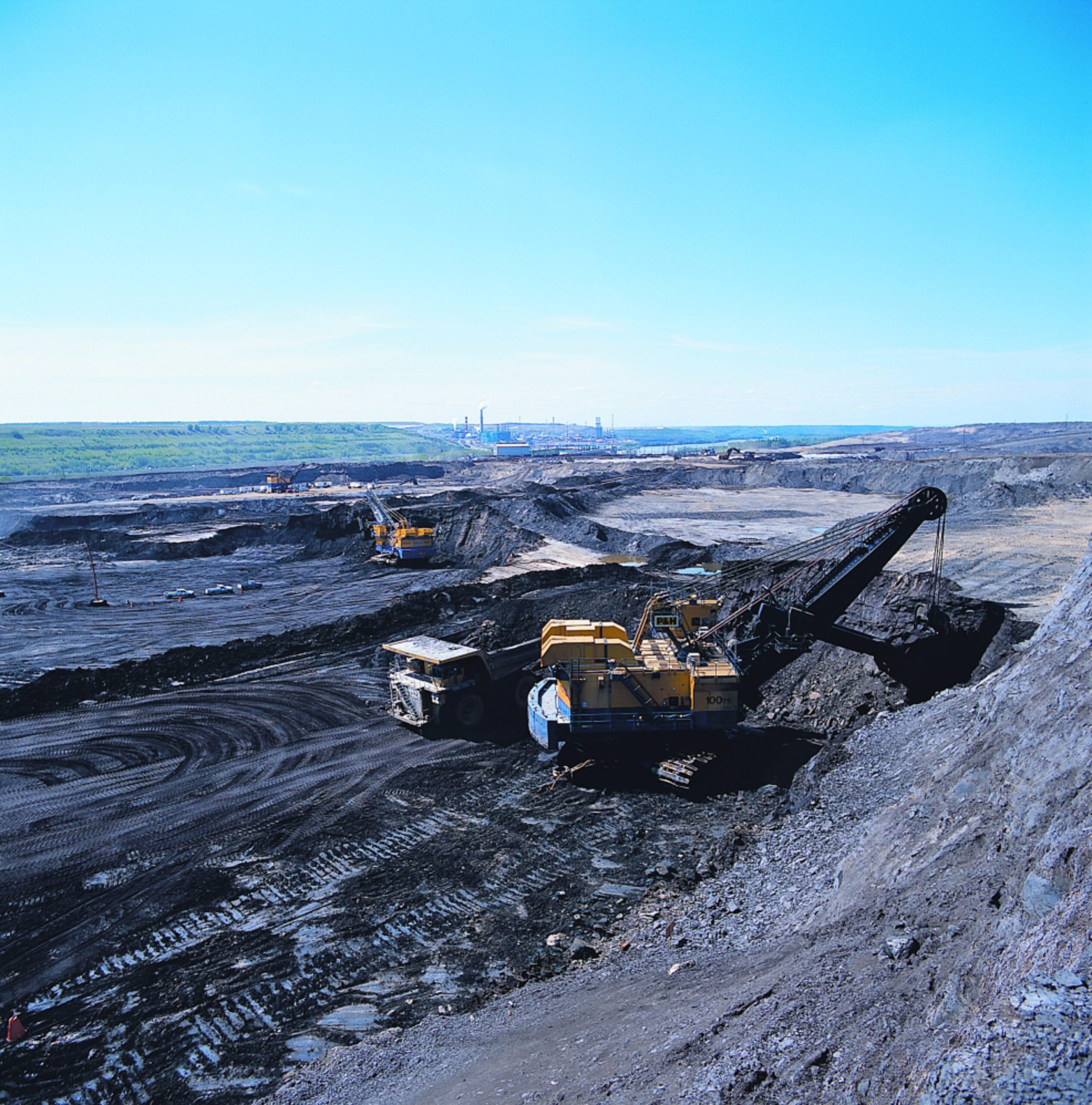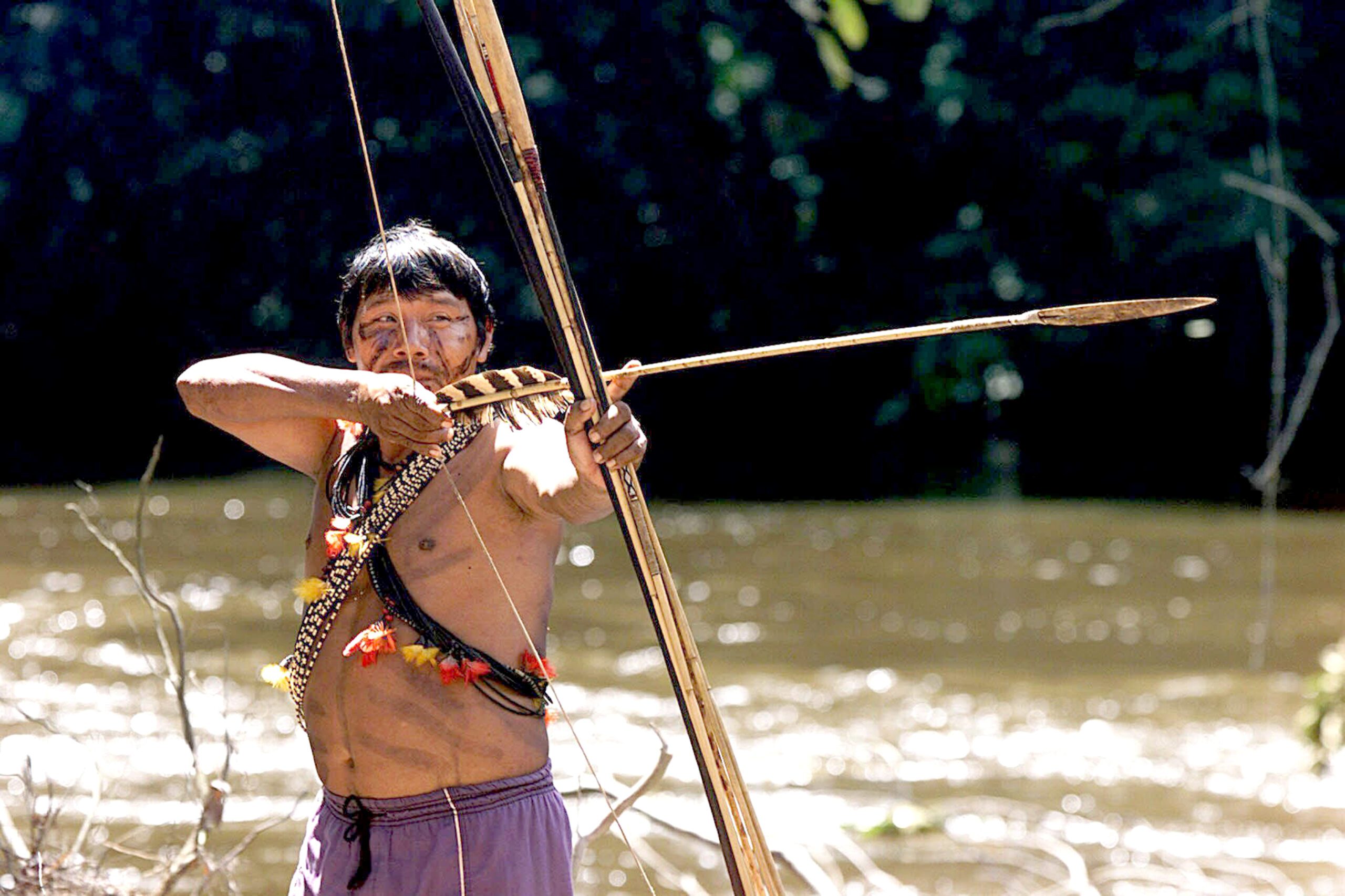

More than 2,000 indigenous leaders of the world’s 370 million indigenous peoples, present at the United Nations international meeting held last May, asked governments to stop oil and gas corporations to make further extractions from their lands. “Much of the world’s untapped oil, gas and mineral wealth lies beneath indigenous lands,” said Victoria Tauli-Corpus, chairperson of the Permanent Forum on Indigenous Issues, a 16-member body established by the U.N. Economic and Social Council in 2000.
Tauli-Corpus and other leaders have consistently argued that private corporations have no right to operate on territories that belong to aboriginal communities, many of whom consider their ancient lands as sacred and thus cannot be used for private gain. A report submitted to the forum notes that extractive industries, such as minerals, oil and gas, disproportionately affect indigenous peoples. Other issues on the agenda included climate change, the Arctic region and land tenure.
According to Tauli-Corpus, about 90% of indigenous delegates said the mining companies operating in their territories had never asked for their permission. While demanding an end to commercial activities on their lands, the indigenous leaders referred to international legal norms, including those set out in the U.N. Declaration on the Rights of Indigenous Peoples, a landmark document adopted by the U.N. General Assembly in September 2007. The Declaration calls for governments and corporations to obtain the “free, prior and informed consent of the indigenous communities” for use of their lands and resources. It also requires that negotiations be based on the principle of equality.
THE ARCTIC OIL RUSH
Many corporations accused of engaging in abusive practices on native lands belong to powerful Western nations, in general, and the United States and Canada, in particular. Neither country acknowledges the Declaration and voted against it. However, U.S. diplomats at the U.N. are reconsidering the previous George W. Bush administration’s stance on indigenous issues at the international level and have given some indications that the new administration under Barack Obama might choose to endorse the Declaration.
Activists noted that several countries around the world have begun to shape their policies towards native issues in line with the content of the Declaration. Australia, for example, is taking several measures to ensure the collective property rights of native people. In Latin America, Bolivia held a referendum to amend the Constitution, which grants autonomy to indigenous peoples that will allow them to practice community justice according to their own customs and that will enable them to protect their resources. Ecuador has also taken a similar step: it has embedded the Declaration into its new Constitution. There are also signs of progress in some other countries regarding the recognition of the rights of indigenous peoples. In this context, activists identify Russia, Namibia, Honduras, Suriname, Belize and Japan as U.N. member countries which have taken positive steps.
But they say they still have to go a long way to convince governments and corporations to take a more responsible role in the implementation of the Declaration. “The Declaration is now the shining star for navigation of all indigenous issues,” said Carsten Smith of Norway, a legal expert who represents the Arctic Saami people. “Unfortunately, there is a very huge implementation gap in the world.”
At the forum, Smith and other representatives from the Arctic tried hard to draw the world’s attention to the issue of climate change and its devastating impact on the lives and livelihoods of the native communities of the region, amid calls for solutions. Both climate change scientists and experts on biodiversity say indigenous communities around the world are becoming increasingly vulnerable to the effects of global warming. In their view, traditional indigenous knowledge about nature and ecosystems is an indispensable part of the fight against climate change and loss of biodiversity. Lars Anders Baers of the Saami Council said that rapid implementation of the Declaration was a must because many governments and corporations are now eyeing the Arctic region, which holds an estimated 40% of the world oil and gas resources. “It is becoming more accessible to exploitation owing to the melting of ice sheets induced by climate change,” Baer added, raising concerns that conflict of economic interests among the countries of the Arctic region could cause further harm to the indigenous communities. “As in the cold war, indigenous peoples have become cards in a political game,” he concluded.
PERU’S RICHNESS TARGETED
A good example of the leaders’ worries came to light last June, when indigenous protests against opening up Peru’s Amazon jungle to mining and oil companies resulted in clashes and dozens of deaths. After the bloodshed, Congress overturned two decrees by President Alan García that promoted foreign investment on indigenous lands, in the framework of the free trade agreement signed with the United States. In December, a multi-party parliamentary committee had already declared that the decrees in question were unconstitutional, as the native groups argue.
In an open letter to the region’s presidents, the Confederation of Indigenous Nationalities of Ecuador (CONAIE) called on them to defend native peoples and confirm their commitment to peace and justice in South America.
A congress of the Indigenous Confederation of Indigenous People of Bolivia (CIDOB) urged the United Nations and the Organization of American States to send a team of investigators to verify what happened during the bloody confrontations between the indigenous and the police that followed road blockades. Eyewitnesses who spoke to the press said the bodies of indigenous protesters were thrown into the river from a helicopter.
The government projects included also logging, production of biofuels and construction of hydroelectric power plants. However, other disputed decrees by President García remain in effect, raising the prospect of new protests. Anthropologist Martín von Hildebrand, winner of the 1999 Alternative Nobel Prize, said the root problem is that the rights of Peruvian indigenous peoples to their ancestral territories have not been recognized in practice, as they have in other countries that share the Amazon basin: Brazil, Bolivia, Colombia and Ecuador.
“When you look at the big Amazon basin on the map, you will see that Brazil has given indigenous peoples a territory as large as Colombia itself (1.1 million square kilometers),” he said, while Colombia has given them 27 million hectares, and Bolivia and Ecuador have also made progress. “If you look at a government map of Peru, marking potential lumber, oil, gas and mineral extraction, the country’s Amazon area is completely covered with marks,” said von Hildebrand, who is also head of the Gaia Amazonas Foundation, which works to strengthen indigenous culture and autonomy as a strategy for preserving the rain forest.
A TEN-YEAR LAWSUIT
Indigenous peoples have reasons to be concerned with big corporations’ activities. As a matter of fact, a case against Chevron brought by the Amazon Defense Front and 30,000 people from the Ecuador northeast Amazon region has been dragging through the courts – first in the US and then in Ecuador itself – for over 10 years. A year ago, the US oil giant rejected a court report holding it liable for 16.5 billion dollars in alleged environmental damage between 1964 and1990, saying it owes the Ecuadorian government exactly “nothing.”
Quito has sued Chevron for widespread contamination of its Texaco subsidiary oil drilling operations allegedly caused in Amazon territories for 26 years before it was sold to Ecuador’s state-run oil company Petroecuador.
Several indigenous communities also filed a class-action lawsuit against Chevron in 2003, seeking compensation for soil pollution in their Amazon homelands. A New York court in 1990 ordered Texaco to stand trial in Ecuador on environmental charges, the first time a US oil company was told to answer to charges in a foreign country.
The Quito-based Amazon Defense Coalition said Chevron had nobody to blame but itself for the legal mess it is in, since most of the evidence compiled in the official report came from the company’s own field reports in the areas it exploited. Even though Chevron analyzed soil samples from areas where it thought there was no contamination, the Coalition said in a statement, “the lab results … produced devastating numbers” of heavy metal contamination 200-630 times the US norms. The expert report, prepared by 15 scientists and supervised by Ecuador’s environmental department, the Coalition added, “concluded … that approximately 428 excess deaths from cancer could be attributed to the contamination left by oil field operations.”
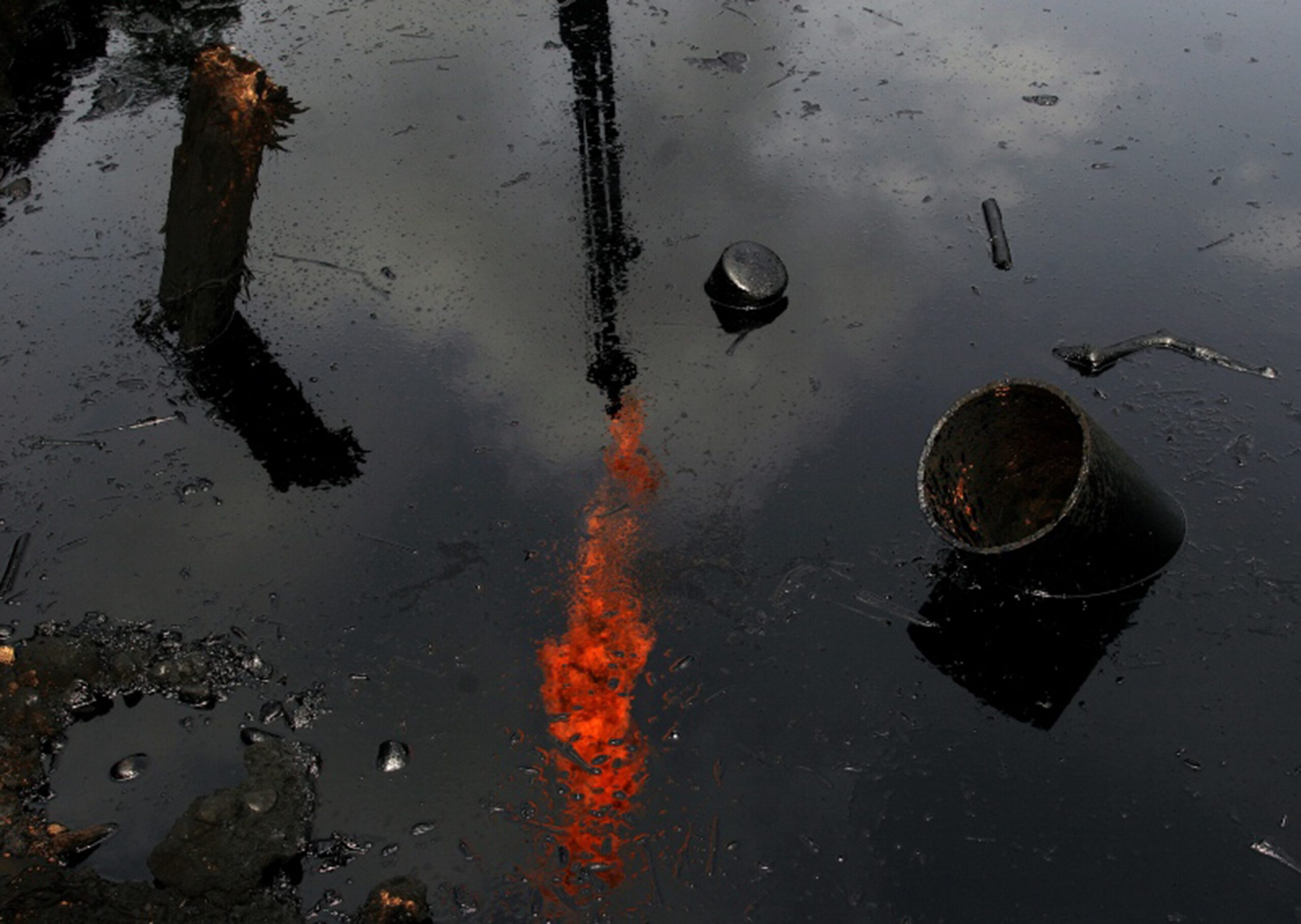
Chris Hufstader, from the NGO Oxfam America, witnessed the damages: “Over the years, there has been more oil spilled in this part of Ecuador than was spilled in Alaska by the Exxon Valdez. You can still see the ponds full of oil and toxic waste water next to the sources of drinking water in places like San Carlos. Visiting here is like a glimpse into someone else’s nightmare. Everyone I spoke to was fighting cancer or mourning for a dead relative. One man said one of his daughters was born with deformed legs and can hardly walk. “The doctor in Quito said it was half due to pollution, half to lack of calcium,” he told me. “We brought together 20 kids, at one time, all with the same problem.”
THE SHELL’S DEFEAT
From time to time, even the most powerful corporations have to make amendments. Last June, it happened with Royal Dutch Shell, which agreed to a 15.5 million dollar payout to settle a lawsuit alleging complicity in murder, torture and other abuses by Nigeria’s former military government. The settlement brought to an end the more than a decade-long battle by relatives of Nigerian writer and activist Ken Saro-Wiwa and others executed in 1995 in what plaintiffs said was a campaign of repression backed by Shell.
Saro-Wiwa led a non-violent protest against environmental destruction and abuses against the Ogoni people in the African Niger Delta. He was hanged, along with other activists, after trial in a military court. Human rights lawyers hailed the agreement in New York as a precedent for holding Shell and other oil giants responsible for activities in countries with repressive governments. Shell denies all accusations, but the settlement will spare the oil giant from the potential embarrassment of having to defend itself in court.
Part of the money will go to the plaintiffs, part to a trust to benefit the Ogoni, and some to pay the costs of litigation. Bariara Kpalap, spokesman for the Movement for the Survival of the Ogoni People, welcomed the out-of-court settlement, but added that Shell still had to address “environmental pollution, neglect and degradation in Ogoniland. Shell has inflicted many sufferings on the Ogoni people through its operations. As farmers and fishermen, we have been deprived of our means of livelihood through the pollution of our lands,” Kpalap said.
“For a lasting peace in the Ogoniland, Shell has to change its attitude towards the people. Shell should treat us as civilized human beings and not those to be exploited because of our oil.” The Nigerian plaintiffs, represented by US human rights lawyers, brought the suit under the little-used Alien Tort Claims Act, a 1789 US law occasionally dusted off for use against multinational corporations’ activities in other countries. The case – seen as a landmark in the human rights legal field – was due for trial on May 27, but has been repeatedly delayed in the run-up to the announcement of a settlement. Marco Simons, one of the lawyers representing the plaintiffs, described the agreement as a “very significant milestone.”
A NEVER-ENDING STRUGGLE
While the sum of 15.5 million dollars was dwarfed by Shell’s budget, it was high enough to make companies dealing with violent governments take notice. “Shell will now think that every time somebody is injured by soldiers in one of their projects, where they are providing support and assistance and encouragement, each one of these incidents is a million dollar incident,” Simons commented. “For Shell that may not be globally significant, but if one is talking about the operating cost for that project, that is a substantial sum.”
In their joint statement, lawyers for the plaintiffs said the settlement was a rare and important success in the field of international human rights. “We hope that this settlement provides another building block in the efforts to forge a legal system that holds violators accountable wherever they may be and prevents future violations,” they said. The settlement is not the end of Shell’s legal troubles. Separate challenges are being mounted in New York by Ogoni and by environmental activists in The Netherlands. “Shell will be dragged from the boardroom to the courthouse, time and again, until the company addresses the root cause of the injustices of the Niger Delta crisis and put an end to its environmental devastation,” said Elizabeth Bast, International Program Director for Friends of the Earth, US. Han Shan, of Oil Change International, said: “This case should be a wake-up call to multinational corporations that they will be held accountable for violations of international law, no matter where they occur.”
The extracting industry abuses happen everywhere, regardless of continents or borders. Anna Kramer from Oxfam America recalls: “In western Ghana, for example – just a few hundred miles east of the Nigerian border – cyanide spills from a gold mine contaminated community water sources. Residents of Prestea, Dumase, and other neighboring villages report serious health problems after drinking the water. Despite protests from local environmental groups, the mining company is now negotiating to expand its operations in the area.”
Credits: IPS, Haider Rizvi and Franz Chávez; AFP, Sebastian Smith