
There are certain areas where the religious are at their best. If God-quest is the central goal of religious life in itself, pointing to God is a related obligation. It is the absolute joy of the religious evangelizer to speak about God and His wonderful plan for the ultimate good of His people. That is what Asians expect from a religious teacher.
In spite of an apparent appetite for superficial things in life (money, pleasures, excitement, continuous change), humanity has not lost taste for something more serious: something deeper in meaning, higher in destiny. That is precisely the area where religious persons are expected to be especially competent. If you know how to attune to the wavelength of individuals and communities, you win a hearing. Speak of something that touches their lives closely, no matter how serious the topic, there will be listeners. Even as some seek distance from such messages because of their own superficiality, others draw close. Even in the very rejection of the transcendent by some, you will notice a hunger for the invisible in their deeper selves.
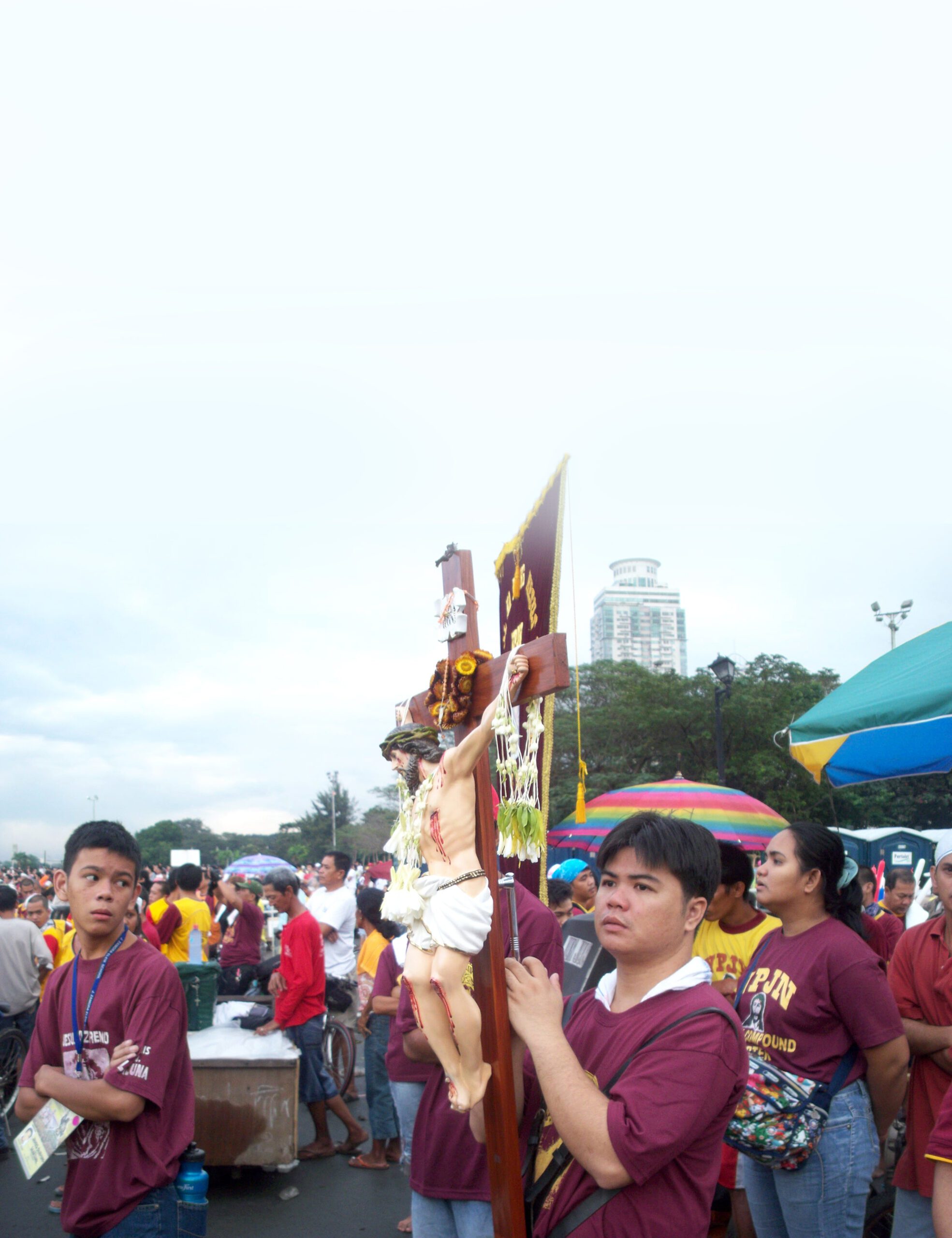
The age of religion is not over, it is just beginning. When people give up formal religious practices, reject excessively organized religion, and go for religious experiences and devotional thrills, they are not giving up religion; they are only manifesting their religious earnestness and spiritual hunger for what constitutes the core concern of religion. Unconsciously, they are also exposing the lack of authenticity and seriousness in too many of our religious practices. Give these practices and traditions depth, meaning and relevance, and people will return. They will rush back when they actually find genuineness and true encounter with God in our traditional observances. Asian pilgrimage places are crowded. New temples and mosques keep coming up.
Lengthy discussion about the uniqueness of Christ, opinions for and against the theology of ‘outside the Church, there is no salvation,’ ‘demythologization,’ etc. can be totally irrelevant to a dialogue between a searcher and an evangelizer. Quite independent of the theological discussion about the uniqueness of Christ, it is precisely His ‘uniqueness’ that draws people to the faith. He remains a compelling figure in all human history. His Words hold you by their power, and stun you into a new realization of reality. We should never be hesitant to present the Person of Christ to people. It is He who gives meaning to everything Christian.
There is something like ‘faith language.’ An average Muslim believes that there is no salvation outside Islam. For a Krishna devotee, Krishna is everything. For a devout Buddhist, everything is destined to Buddhahood. A Christian does not look on other people’s faith as a threat, but as a resource. Genuine believers in other religions look to Christian faith statements with respect. It is the politically motivated person who objects sharply to faith statements of others. It is the secularly motivated religious person who hastens to apologize for his faith.
PEOPLE SEARCH FOR DEPTH
In Asia, we are not living in a secularized world, but in a society that takes religion seriously. It is not a ‘death-of-God’ theology that is gaining ground here, but a ‘God-is-alive’ conviction. What we have to struggle against is not godlessness, but the misuse of religion for political and partisan purposes. Our task is not to plant faith in human hearts, (it is already there), but to channel people’s faith-fed energies towards human growth the way Jesus did. For this, we point the Jesus way. For He is the Way, the Truth and the Life.
In order to be able to do this, we need to be people of deep faith. It is in this area that the religious can be experts. But it happens that, when an inquirer comes to an evangelizer, he is surprised to find that the bearer of so profound a message is totally lacking in depth: depth as a person, depth in conversation, depth in relationships, depth in understanding God’s word, depth in relationship with God. Some evangelizers are lost in administration, some in debates over concepts, and some in self-display. Where is the man of God, the inquirer asks. Where is the committed person?
Certainly, one universally accepted trait of a committed person in Asia is a measure of renunciation. In Eastern cultures, this is considered the touchstone of the genuineness of a man of God. Silence, self-possession, calm inner serenity, gentleness, quiet joy, humble service, respectful approach to persons and traditions – these and many other qualities are expected in the lives of ‘God-realized persons.’ How else would you describe the religious? Even the busiest missionary must make space, like Mother Teresa, for contemplative closeness to God. Tagore sang: “Fill my mind with the music of silence to last through the desert of noise.”
As religious persons, we need to take our religious life seriously. Soon after the Vatican Council, congregations were updating themselves and redimensioning their communities. The questions they were asking were about timetables, structures, relaxation of rules, extension of freedoms, etc. Today, the religious are asking far profounder questions: What is religious life? What do people of all races and religious faiths expect from persons who are fully given to their religion (consecrated, dedicated persons, sanyasins, monks, religious professionals)?
If they expect spiritual depth, religious seriousness, detachment, apartness, sacrifice, there is no way of bypassing these without renouncing our identity. It is no more a question of negotiating with Rome, mobilizing opinions within chapters and councils or bulldozing some religious authority. It is a question of accepting or denying one’s religious identity before Asian society.
BECOMING ICONS OF LOVE
The religious are the prophets of our age, and visionaries of the future. This mission we fulfill by becoming ICONS of God’s love for his people. There is something unique about icons. They speak to the collective unconscious of communities. They speak to illiterates. They speak to the masses. They speak to poetically sensitive persons. They speak to religiously open people. They influence culture at a very deep level. They address the Gospel to the human psyche. That is why the Icon of Mother Teresa was unbelievably intelligible and acceptable to the Indian masses. That is why John Paul II, too, has emerged as a meaningful and appealing icon in our days. Gandhi was similarly an icon to millions of Indians. The innumerable martyrs that Asia has produced are the icons of the evangelical boldness and fidelity of our ancestors. The religious who propose to live the message of the Gospel to a radical measure will most eloquently announce the message by allowing themselves to grow into becoming icons of God’s love for His people.
Images mean much to a society in which non-verbal communication has the privileged place, where non-argumentative sharing is the more desirable mode of communication in the area of religion. We Asians are specially gifted in communicating through images. Mahatma Gandhi was a wizard at image-creation: the loin cloth, the spinning wheel, the salt march, interfaith meetings, stay among the humbler caste people, periods of silence… all these had powerful symbolic meaning that appealed to the Indian population. He stirred millions of inert and passive crowds to action as few people in history have ever done. It was from the Jain and Hindu traditions that Mahatma Gandhi drew his inspiration for symbols, while often giving a Christian message. In fact, Hinduism communicates and propagates itself more through the use of symbols than catechisms and creeds: feasts, fasts, figures, numbers, colors, sacred rivers, cleansing dip, holy mountains, hallowed trees, forms of asceticism. When Mao said that half the heavens were held up by women, the meaning was powerfully clear. Or, when Deng said that it did not matter whether the cat was white or black as long as it caught mice, he was clearly emphasizing the unimportance of the Communist system in preference to the Capitalist, as long as the prosperity of the people could be ensured.
LIVING IMAGES
Jesus spoke in pictures: light, salt, lamp, net, coin, mustard seed, fig tree, living water, straying sheep. The Church, too, uses images in educating people in the faith: water, fire, oil, ashes, candle, change of colors, the use of art, architecture, stained glass windows. Reformation ushered in an era of the ‘Culture of the Word’ in the West. Statues, paintings and many other religious images were banished from places of worship, and practices and observances from Christian life. Subsequent success of precise sciences only went to strengthen this trend and build up an overconfidence in the power of the ‘word.’ Greek philosophy had already been inclined in that direction. But with the popularity of the TV in modern times, we are returning to an era of images once again.
And we have seen how media images speak, influence minds, change mentalities, transform cultures and revolutionize entire societies, even of the most educated communities living in the most developed regions of the world. Images can ensnare, enslave or empower people. While the TV and other visual media can mislead and confuse, they can also become ‘narrative theologians.’ The best textbooks are not grievance-ridden and ideologically loaded theological discussions and social disputations, but “the living works of artists who are connected to the sources of fantasy.”
Jesus’ works of healing and feeding pointed beyond the immediate benefit they conferred. He explained the significance of what He had done through the spoken word. It was after He had opened the eyes of the blind man that He spoke of Himself as the Light of the World. It was after He had fed the crowds that He referred to Himself as the Bread of Life. The ‘word’ explained the ‘image,’ and the image stood for the word. If our work of education, health and social transformation has no sign-value, it has lost its purposefulness; it is a soulless service. If it does not speak of something beyond itself and its immediate goals, it lacks life and pointedness. The visible targets must be transcended. It is the sign-value that makes the difference in the long run. Someone has said, it is only when we begin to look beyond the visible goals that the visible goals themselves may be meaningfully attained.
A religious person who is a social worker witnesses to God’s caring love for His people; a doctor or a nurse to His healing touch. Persons belonging to different cultures, living and praying together in a religious community, witnesses to the unity of humankind and to its eternal destinies; it is a sign of God’s presence and action in the world that cannot be resisted; it translates the Gospel into life and writes its achievements into human history.
The religious, by their very authentic life, are powerful evangelizers even in the midst of the greatest obstacles. They are like a city set on a hill that cannot be hid. They are like a lamp placed on a lampstand. They constitute what may be called a “living image.” Anthony Wessels calls such a “living image” the Fifth Gospel, especially when it uses the language of love as Mother Teresa did.
According to some studies, those Churches, at the service of a mere ‘social Christianity’ in certain countries of the world, went on the way to decline, once their social goals were attained. In fact, those who rejected the Churches first were precisely those who had benefited most from the Churches’ social programs. On the other hand, those Churches that offered a ‘pastoral Christianity,’ i.e., those that offered the element of ‘mystery’ in their life and organization, while not neglecting the community’s social needs, continued to grow. They served social goals, but they pointed beyond to the human beings’ eternal destinies. These findings offer us many lessons. Those who instrumentalize religion for personal advantage, ideological pursuit or political advancement, debase what is best in human life. Those who limit it to merely a secular service, with no further purposefulness, are at an incomplete task. Voltaire once said that he would gladly recommend religion to his wife so that she might remain faithful, and to his butcher and grocer so that they might remain honest. Is that all to religion? Is there not further a mystic element, and an encounter with the ultimate?
PERSONAL ENCOUNTER
Services in the field of education, health, development, social change – these are all possible contexts of encounter. Unless a genuine encounter between the evangelizer and the person(s) to be evangelized takes place, the service bears no fruit. This encounter cannot be mechanized or made in an impersonal way through mass contact, e.g., TV appeals, though such contacts can serve as a starting point. What is important is that the spiritual enquirer be exposed to the living faith of the believer, not to a lifeless list of doctrines, opinions, rules, practices. A personal encounter makes all the difference.
It is through frequent interactions, close collaboration in common endeavors, or through the sharing of ideas and ideals that relationships are built up, friendship fostered and faith communicated. The evangelizer is the ‘universal brother’ (sister) of whom Redemptoris Missio speaks. This universal brother must reach out in sympathetic understanding, human warmth and caring love. There is no doubt that persons who are able to make warm, intense, personal contact, and are capable of deep and lasting relationships, work great missionary miracles. Warmth kindles warmth, trust generates trust, concern stimulates concern… and faith gives birth to faith.
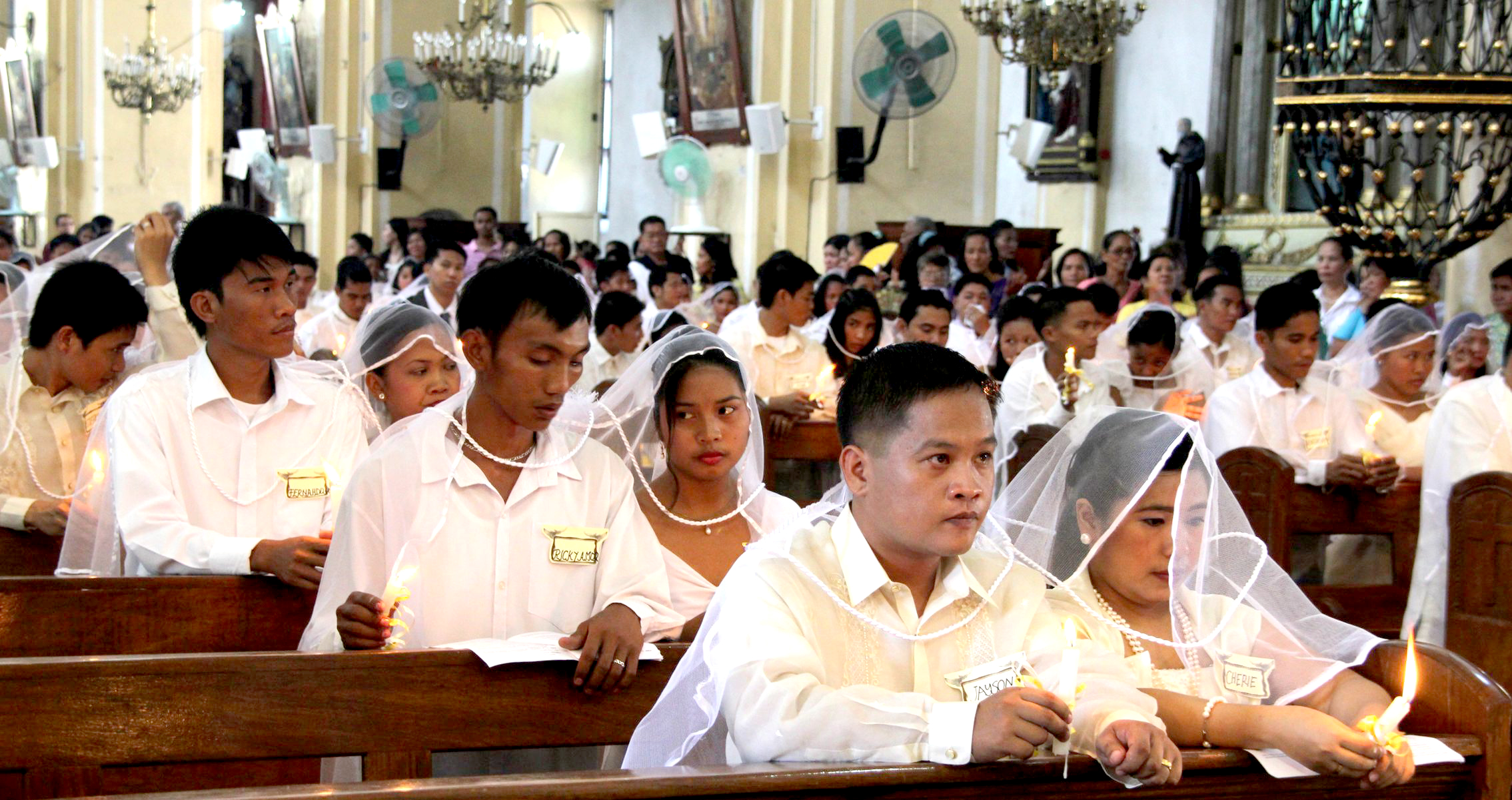
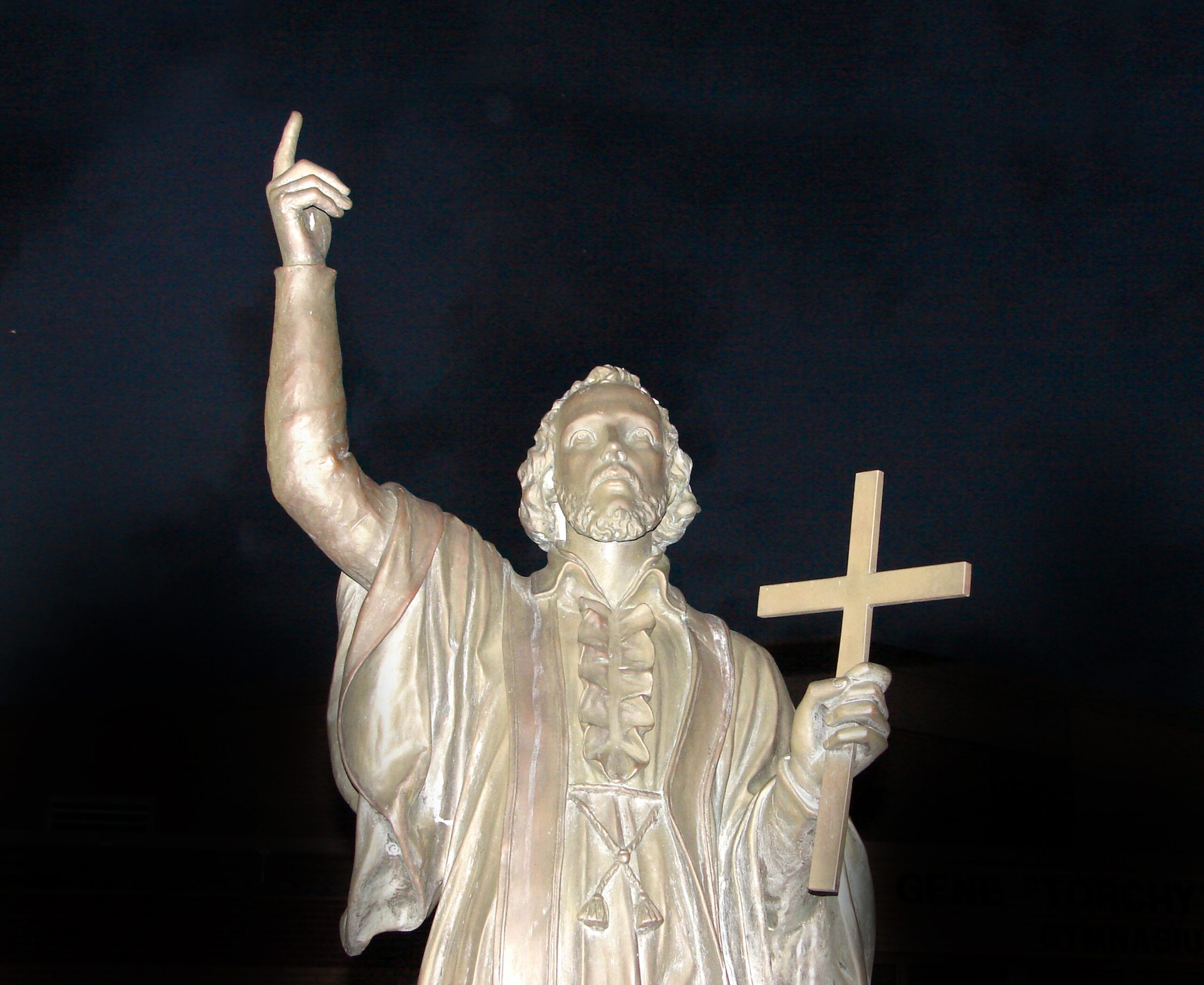
An atmosphere for such personal encounters can be created in Christian institutions through the rich and judicious use of Christian symbolisms: the cross, statues and paintings, inscriptions from Scriptures. A prayer-room or chapel invites people to closeness to God. A counseling or spiritual guidance Center offers them a chance to seek spiritual assistance. But there is no substitute for informal friendly meeting with students, parents, patients, visitors and casual passersby.
Young people between the age of 18 and 25 (say, even 30) are the main initiators of new things in every society.
They adopt new dress. They experiment with new types of food. They play with new concepts and try out new lifestyles. They set in motion new cultural trends. They go for new ideologies. They strike out on to new religious paths. Some go on and become revolutionaries. Others may turn reformers. Others may launch a vigorous renewal program. Some may become enthusiastic carriers of a new faith for which they are willing to lay down their lives. Timothy, Titus, Silas and others were just young people who chose Christ with enthusiasm.
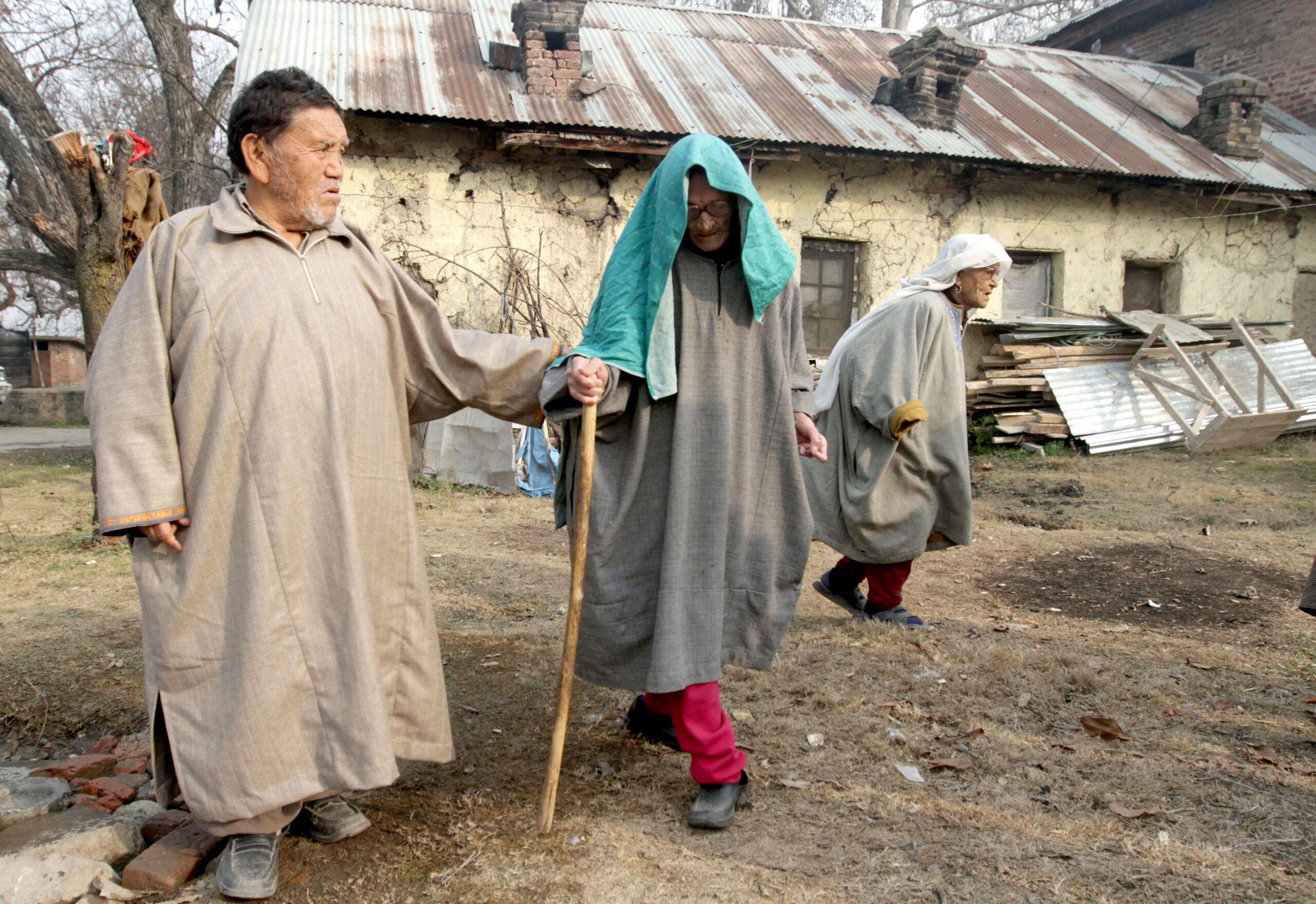
Missionaries who know how to tap the resourcefulness of youth have worked wonders. Your interest in the old is something people will take note of. Old people feel that all their life achievements are forgotten too soon; and so, they become diminished personalities. Give them recognition for what they have done in the past, sympathize with them in their present sufferings, and you will restore their youthfulness once again. The sick call for attention. So often a quick change of heart takes place when a person of faith prays over the sick and brings healing. It is Jesus who heals and it is He who transforms human hearts.
SEARCHING FOR GOD
The question we pose is not, therefore, whether the Gospel has something to offer the people of our times, but how we may make it intelligible and acceptable; how it can be made to address the problems of the day and point to greater human possibilities. It is said that the reason for the success of Lincoln’s ‘Gettysburg Address’ and Kennedy’s inaugural speech was that they summed up the nation’s feelings and reflected the people’s mood at a given time. The Gospel needs to be addressed to a people (tribe, caste, community, ethnic group, society) in a way that it responds to its needs, aspirations, and longings in a particular period of history. And then, indeed, the message truly comes alive. Such an announcement of the Gospel is not merely a matter of academic excellence, oratorical or demagogic skill, but the right interpretation of history, correct understanding of the era in which one lives, an ability to reinterpret such an understanding for the specific area where one works, a firm grasp of the diverse social trends and conflicting forces at work, a sober search for one’s role in this complex situation. Over-simplified, ideology-laden, jargon-loaded answers can only mislead.
Evangelization in our times should go, therefore, beyond mere routine preaching, repetition of platitudes, and denunciation of what evidently stands condemned. These are, no doubt, necessary, but not sufficient. Offering the Gospel today should include exerting a moral influence on society in such a way that it feels challenged to revise its basic assumptions, review its value-system, remodel its living norms, and reorganize its self-improvement energies according to certain universally acceptable codes of human behavior. Any conscientization, ‘organization of the oppressed,’ or struggle for justice that does not contribute significantly to this form of cultural regeneration, reaffirmation of moral values, recognition of the need for greater transparency, resistance to a culture of death, fostering a sense of mutual belonging and mutual concern will not be found adequate. Moral authority is founded on the social legitimacy built up through our commitment to the common good. John Paul II was a wonderful example of that in our times.
THE NEED TO JOIN HANDS
We notice a gap constantly widening between religion and irreligion. Here, we are not speaking of legitimate forms of secularism. We rather are referring to a form of slavish consumerism, a soulless materialism and a type of Ego-centrism that seeks to crush out the ‘Other’ from existence. Before this Spiritless and ‘Other’-less vision of life and realities, every form of religion is under threat. It promises to spare no faith, or philosophy, or ethical code, or society or civilization. That is why every religion and, consequently, every civilization is in crisis today.
Can a new consensus on commonly held values contribute to the survival of humanity? Will we subordinate faith convictions and universally accepted human values to immediate political advantages, or economic interests, or constantly changing ideological goals? It is in trying to answer such complex questions that the Gospel message has something to offer. T.S. Eliot has a powerful way of expressing the idea. “Even now, in sordid particulars, the eternal design may appear” (T.S. Eliot, Murder in the Cathedral).
The future polarizations will not be between religions as Hans Küng argues; not between civilizations as Samuel Huntington contends, but between those who promote the human spirit and those who seek to put it out.
Beginning with a healthy and legitimate form of secularism, large segments of human society are becoming totally alienated from anything that has reference to religious faith. If Asian society is not moving in that way, Asian elite is strongly tempted in that direction. The human spirit seems to find no recognition in the modern secularized society, and one seems to be vainly searching to place the foundations of a morally sound society somewhere. The barrenness of materialism and self-seeking nihilism do not offer any hope. “If men thought of God as much as they think of the world, who would not attain salvation?” asked an ancient Indian (Maitri Upanishad 6:24).
A time is coming when believers in religion will need to join hands together to preserve and strengthen their faith in God and promote those values that will sustain the human spirit. They will have to keep supporting an ongoing struggle against the forces of irreligion which are trying to establish their dominance over human history. During this struggle, it will become evident, one will need to contend with totally secularized perspectives even within the ranks of the religious, persons in religion’s service, and in one’s own heart. Hence, struggle within one’s own ranks and conflict within one’s own heart! Social scientists do not believe that Asia is on the way to total secularization. However, there is the danger of the rise of a type of religious fervor with no reference to ethical behavior and social commitment.
For one thing, criticism of religion by secular critics purifies our understanding of religion, rids us of superstition and collective egoism. And criticism of Christianity by persons of other persuasions (and from within) purifies the Christian society. Only those with the highest motives and firmest faith will endure. But having been purified inwardly, they will become irresistible witnesses to the Truth and convincing announcers of the Gospel. Such persons will truly be the God-experienced messengers that Asia is waiting for. They will be sharing realities that they have personally experienced at the depths of their hearts. They will repeat with John: “Something which has existed since the beginning, that we have heard and we have seen with our own eyes; that we have watched and touched with our hands; the Word, who is Life – this is our subject… What we have seen and heard we are telling you so that you, too, may be in union with us, as we are in union with the Father and with His Son Jesus Christ” (1 Jn 1:1-3). And they will carry the world before them!
TRUSTING IN GOD’S WORD
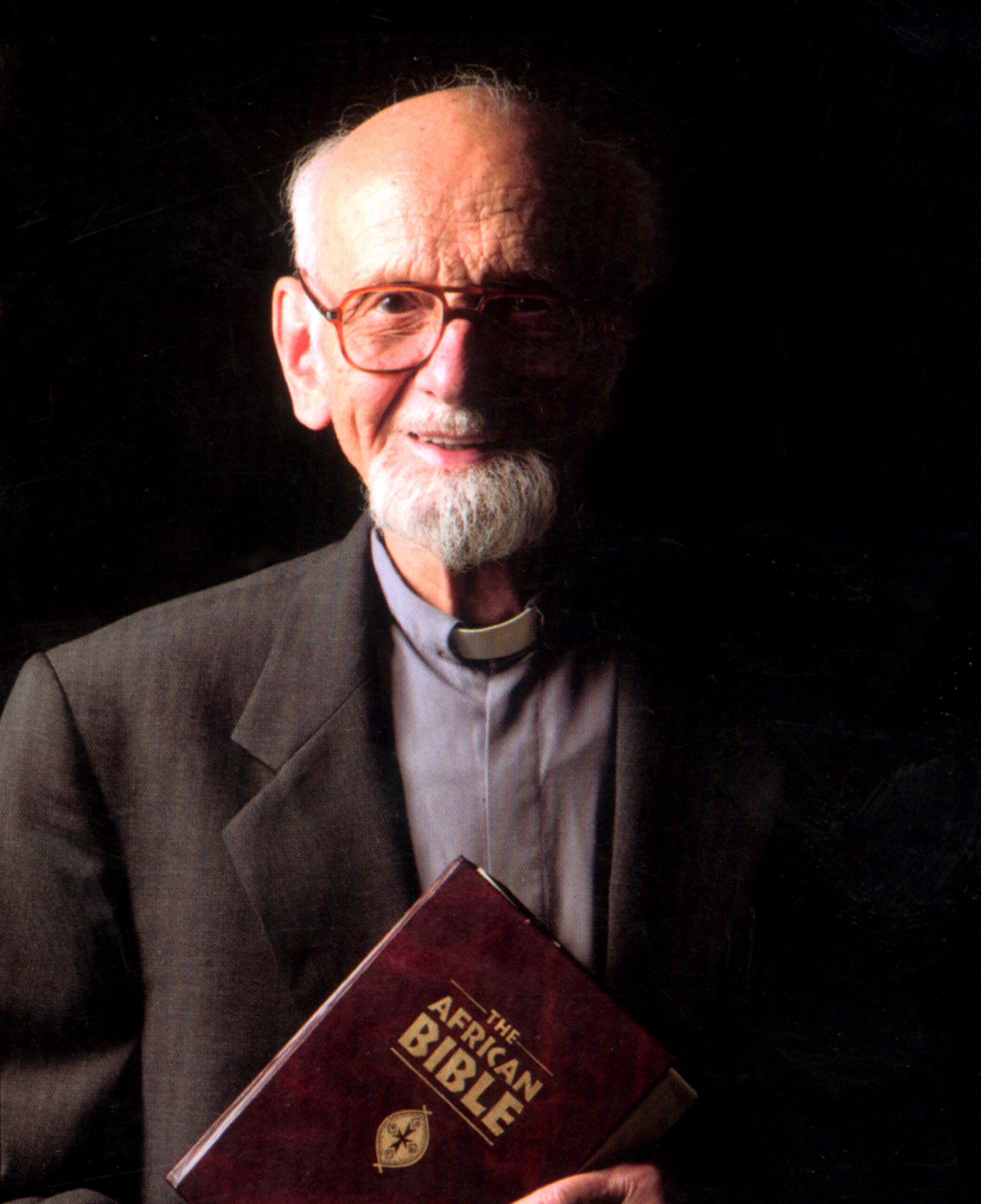
Something amazing happens when people are confronted with God’s Word. How it touches human hearts remains always a mystery. If it has touched your heart, it will touch others’ as well. Each in its own way, in its own time. We know of instances when just one line from the Scriptures has transformed the lives of people. If chosen passages from the Bible are easily available to people; if notice boards, picture cards, wall posters, printed leaflets, dance, songs, dramatized stories carry God’s Word in attractive forms, somewhere someone will be touched. Never underestimate God’s Word… in others’ conversion and in your own as well.
Place art at the service of the Gospel. Encourage the communication of the Christian message through art. The world can be won for God only by beauty, not arguments. Search for beauty in its billion forms, and place it at the service of God’s message. Religious art teaches. Music evangelizes. We should always encourage musicians and composers to carry God’s Word to the depths of human hearts. We live by God’s promises. In an era when the sharing of the Gospel is considered an outdated concept, an anti-national activity, a violence done to cultures, one must search for superhuman spiritual sturdiness and divine inspiration to carry out Christ’s missionary mandate. Indeed!
When religious belief is belittled and held up for ridicule, and when Christian zeal is dubbed alien and unpatriotic, and you are threatened with jail and fine for holding up the hopes of the Gospel, you need to fall back on God’s unfailing Word and count on His promises. “Do not be afraid,” Jesus said (Mt 10:26.28.31). “Do not worry,” He insists (Mt 6:25.31.34). When tragedies like that of September 11, or the Tsunami wave hit humanity hard, he/she realizes his/her absolute need for God. World Health Organization says 1 million people commit suicide every year (more than homicides and wars combined). Shockingly, 10 to 20 million try to kill themselves, but fail. Our task is to hold up hope to such people in despair. And “be ready, at all times, to answer anyone who asks you to explain the hope you have in you” (1 Pet 3:15). Let us never be ashamed of the Gospel.
It is about such a weak human person that God is concerned: “What is man, that You think of him; mere man, that You care for him?” (Ps 8: 4). And yet, the human person is great, because he/she has been made to God’s own image and has been called to a great destiny. That is the reason for his self-confidence. The Psalmist says:
“Yet, You made him inferior only to Yourself; You crowned him with glory and honor” (Ps 8:5). God’s presence in human life is the reason for hope in the future. “God is our shelter and strength, always ready to help in times of trouble. So we will not be afraid, even if the earth is shaken and mountains fall into the ocean depths, even if the seas roar and rage, and the hills are shaken by violence” (Ps 46:1-4). The task of evangelization is precisely this: to invite people to recognize both our weaknesses and our strengths, to enable them to see both the limits of all human effort and the limitless possibilities we have by opening ourselves out to the Infinite.