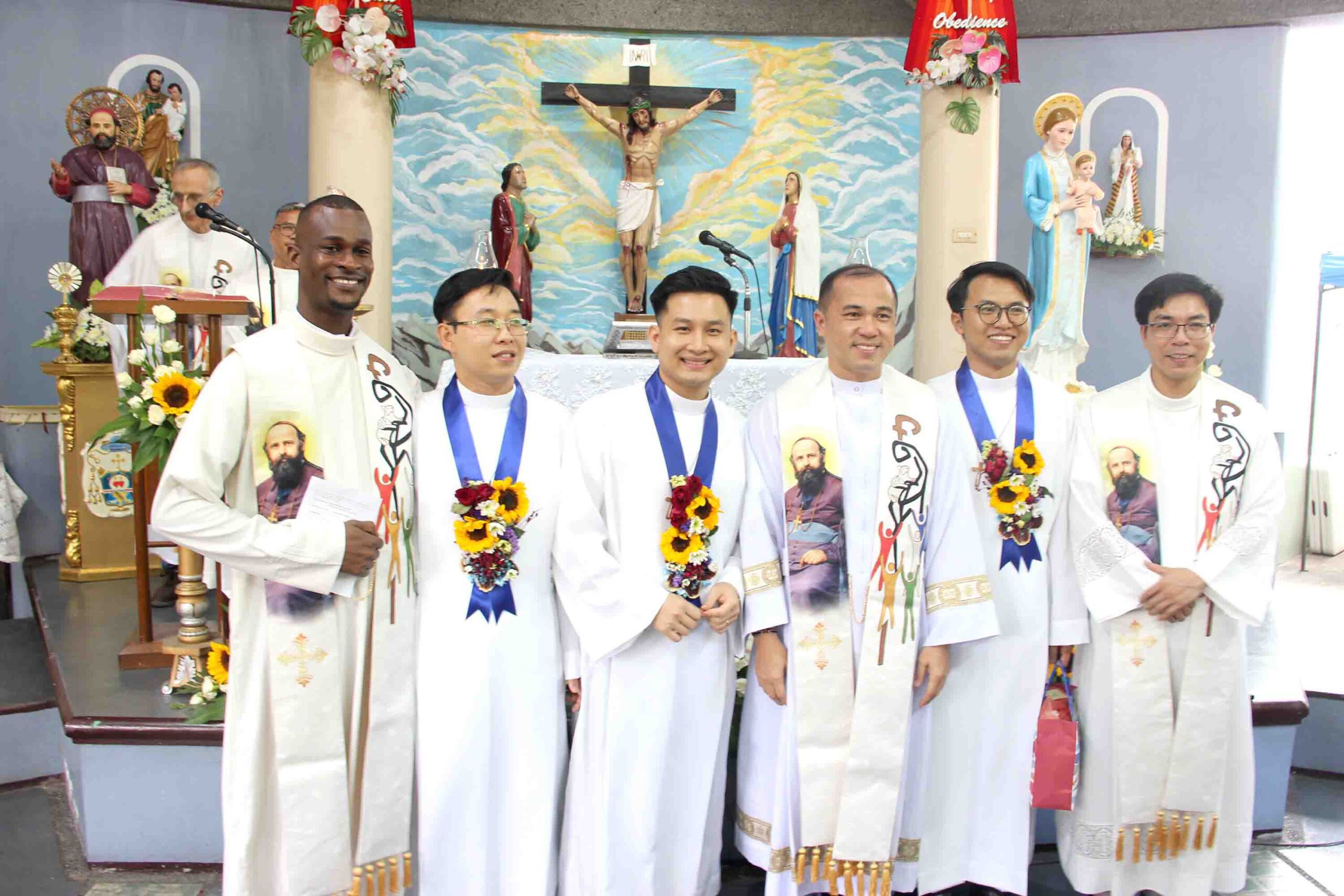
Not without a touch of pride, which translates into a deep sense of responsibility, we, the Comboni Missionaries of the Heart of Jesus (MCCJ), priests and brothers, consider ourselves “sons,” “heirs” and “followers” of St. Daniel Comboni, ‘anointed’ by that “revelation from above” which, on 15 September 1864, was given to our founder, and which Comboni explained in a text, the Plan for the Regeneration of Africa, conceived in contemplation of the mystery of the Heart of Christ the Good Shepherd.
It was a plan that sought to involve the whole Church in a dynamic of communion in favor of Africa, proposing to make African people “missionaries to their own people.”
From Comboni we have received total dedication to the missionary cause, for which he spoke, worked, lived and died. Today, like him, we want to be ready to take initiatives, to be constant in our activities, persevering, patient and strong in enduring all kinds of difficulties.
Today, in addition to continuing to be involved in the mission as ‘first evangelization’, we, as his heirs, intend to involve the local African Churches in living the same compassion of God for the least ones and his dream of a world as a celebration of fraternity. We want the young African Churches we have founded to be–from their very inception–‘Churches-in-mission’, ready to ‘go out’ beyond their continent.
COMBONI MISSIONARIES
If Comboni identified in the African people of his time the ‘least and excluded’ whom God ‘rehabilitated’ as protagonists of his own regeneration and subjects of his own history, we, Comboni Missionaries of today, are aware that the “least and excluded” populate the streets of the whole world (given the “globalization of poverty”), recognising that the African world, for the most part, continues to find itself in a subhuman situation.
Present in Europe and North America, we Comboni Missionaries live our charism by committing ourselves to the ‘new African diaspora’ and the interdependence of the globalized world, convinced that an ‘African mission’ must also be carried out in the post-Christian North, where many of the evils afflicting Africa and the southern hemisphere have their roots.
In his Plan, Comboni sought to involve all the agents of evangelization already present in Africa and other available forces, recruiting missionaries of different nationalities, so that his work would be ‘Catholic–that is, universal–not Spanish or French or German or Italian’.
Thus, through missionary (animation) consciousness and vocational promotion initiatives, we aim to be instruments of unity among the many agents of evangelization, and we spare no effort to increase the missionary awareness and commitment of the whole Church, disturbing it if necessary.
Inspired by the teachings of Pope Francis, we believe it is necessary to move from geographical to anthropological boundaries, with a “going out of oneself”, to go towards other people who, in their differences, with their personal histories, cultures and religious experiences, become subjects of the mission and interlocutors in the discourse of evangelization.
COMBONI SECULAR MISSIONARIES
“The Lord has also chosen you to collaborate through prayer, the total gift of yourselves, and the work of apostolate, placing you in the same family founded by our father, Bishop Daniel Comboni”. This expression by Father Egidio Ramponi–to whom we owe the founding idea of our Institute–addressed to the first four young women who gave themselves to the Lord on 22 August 1951 in what would become the Secular Institute of Comboni Missionaries, contain the essential nucleus of our vocation of belonging to the Comboni Family.
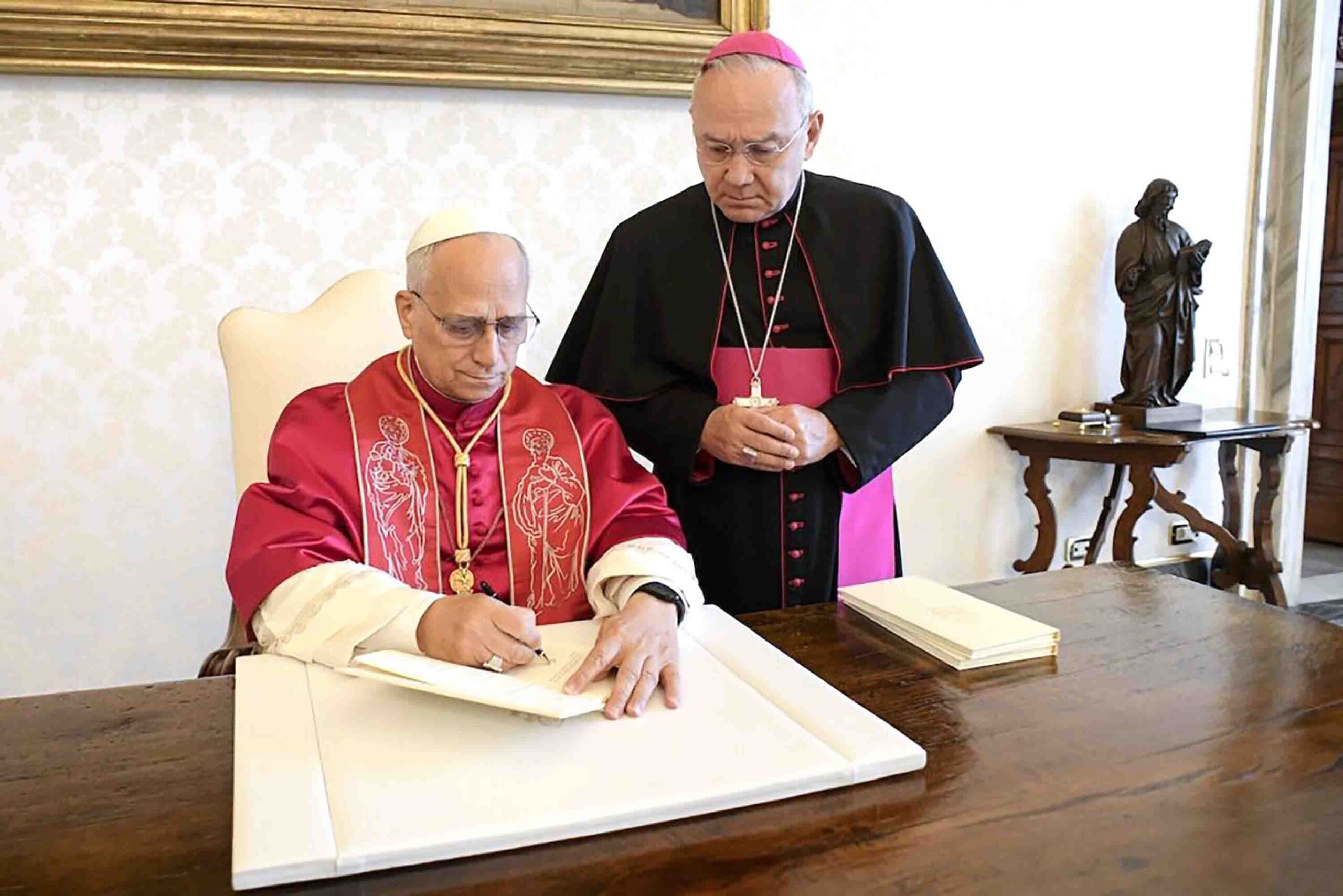
Papal approval on 22 May 1983 was an important milestone for our Institute, a culmination of a history that had been evolving but also a starting point for a journey that would lead to an improved focus on our identity up to today. The recent approval of the updated Constitutions, as the fruit of a long period of reflection, is a sign of this.
Our very name, Comboni Secular Missionaries, expresses the identity of our vocation, which finds its foundation in Comboni’s own experience of Christ, in his love for the least, and in “making common cause with them.” Sharing his passion for Christ and for humanity translates into the total gift of ourselves in response to the call, through the profession of the evangelical counsels.
“Secularity” is the dimension that distinguishes the spirit and the way in which we embody the gift of the Comboni charism; this unites us with the condition of all lay Christian people who live in the world, inserted into their own social, professional, and ecclesial environment.
As Comboni Secular Missionaries we are inserted, each in our own environment, in our own situation, living from our own work. This is our way of transforming the world from within with the spirit of the Gospel.
In harmony with the Gospel images of salt and yeast–simple elements of daily life that act from within–we emphasize being missionary leaven in every reality and human situation, rather than the visibility of organization, works, or structures. This is the element that unites us all in the plurality of life situations, environments, activities, and ages, and which manifests itself in a multiplicity of ways of living and expressing mission.
We cultivate an attitude of openness to frontier situations in our own country or in different countries, willing to go to the various peripheries of the world. A “going” that is first of all a going out from ourselves, from our narrow boundaries, to broaden our horizons to the whole world, especially to the poorest people, to the least…; an attitude that permeates our entire existence and that can also be realized in the choice of service in contexts or places different from those of ordinary life.
We are enlivened by the desire to keep alive everywhere that missionary openness which makes starting from the least the criterion not only of an authentic Gospel life but also of a human one.
We feel called to live this “outgoing tension” personally, being witnesses to it also towards others in every possible way, in interpersonal relationships, in various daily situations, in Christian communities and in every context of life and commitment, also through specific initiatives, open to collaboration with every person of good will.
COMBONI LAY MISSIONARIES
From the beginning of his mission, Saint Daniel Comboni brought with him lay people who could add value to his dream in Africa, share their professions, and thus help communities in need of development.
According to him, lay missionaries “contribute to our apostolate more than priests contribute to conversion, because black pupils and neophytes are with them for quite a long period. By example and word, they are true apostles for the pupils, who observe and listen to them more than they can observe and listen to priests.” (St. Daniel Comboni, Writings, 5831)
In the light of this charism, many lay men and women who accompanied religious in missionary awareness in their countries also asked to be missionaries and to go with this vocation to other countries. Thus, at the end of the 1980s, the Comboni Lay Missionaries (CLM) were born, groups of lay people ready to put their professional skills and their lives at the service of mission.
Currently we are present in 21 countries in Europe, America, and Africa. We collaborate both in international communities, where CLMs from different countries come together to have a common missionary presence and to share our lives with needy communities in the peripheries of cities or in rural areas where many are forgotten, and in our countries of origin where, as lay men and women inserted into society, we try to propose an alternative and supportive lifestyle with those excluded from this world.
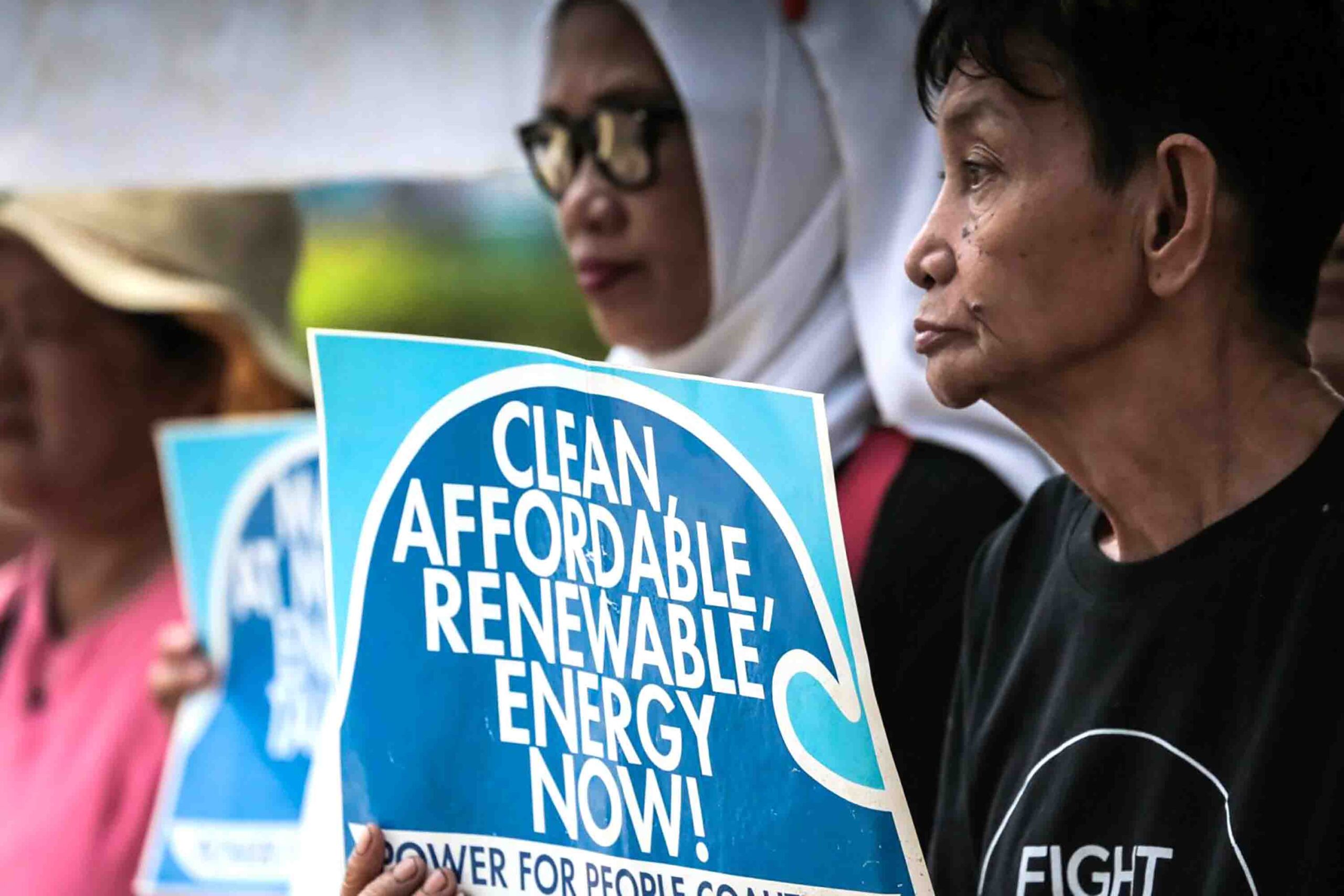
By way of example, we could tell you how important it is to offer training in ecological agriculture in north-eastern Brazil, to accompany and train communities to confront large estates and extractive mining companies.
Likewise in the Central African Republic, where we also accompany the Pygmy-Aka population in their camps with integration schools and seek to ensure that their rights are recognized as first-class citizens in a society that seeks to relegate them.
In Mozambique, where we also deal with vocational training for young people from rural communities, giving them qualifications that allow them to enter the labor market, or accompanying the countless parish communities living in the interior, where almost nothing arrives.
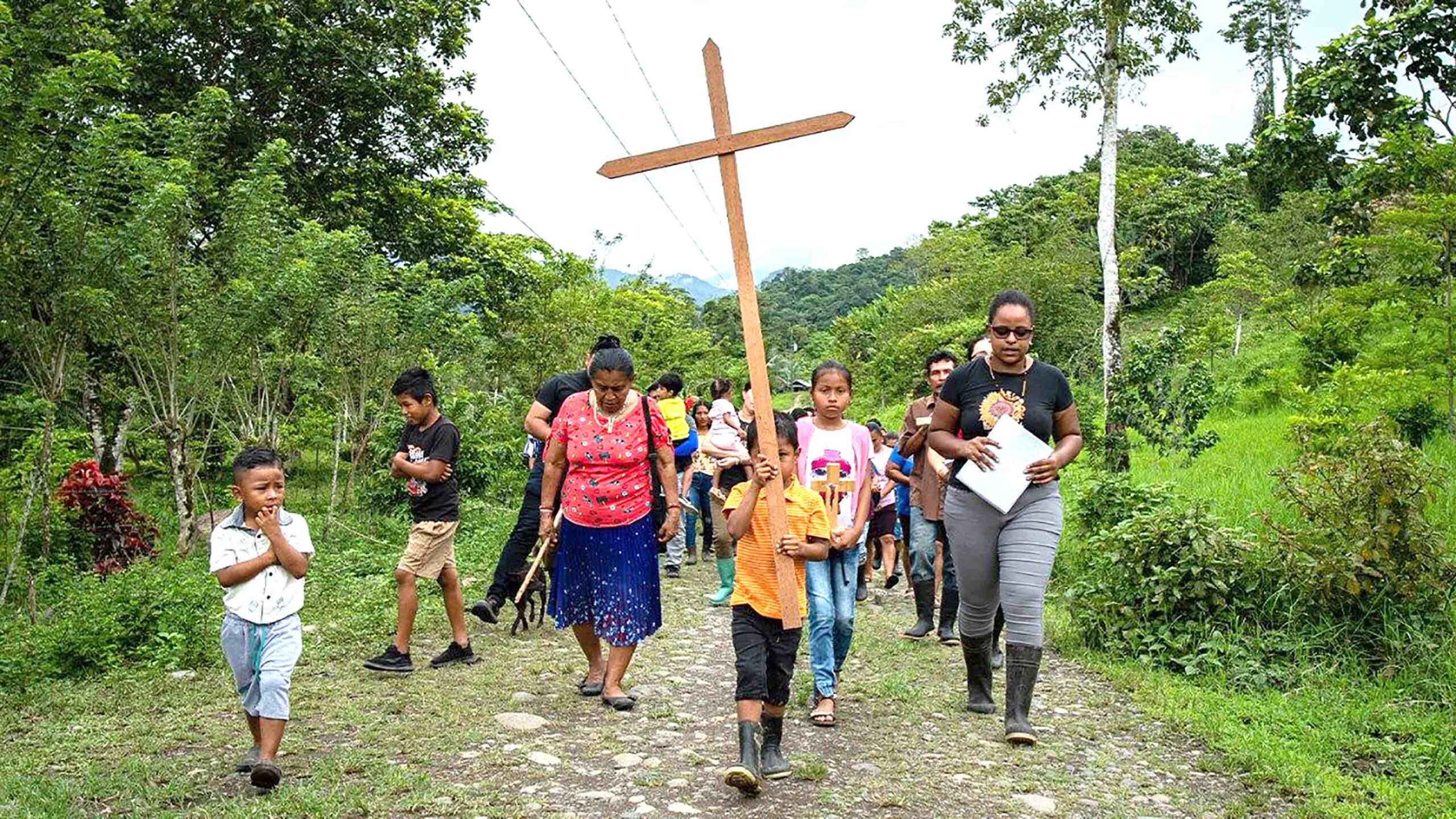
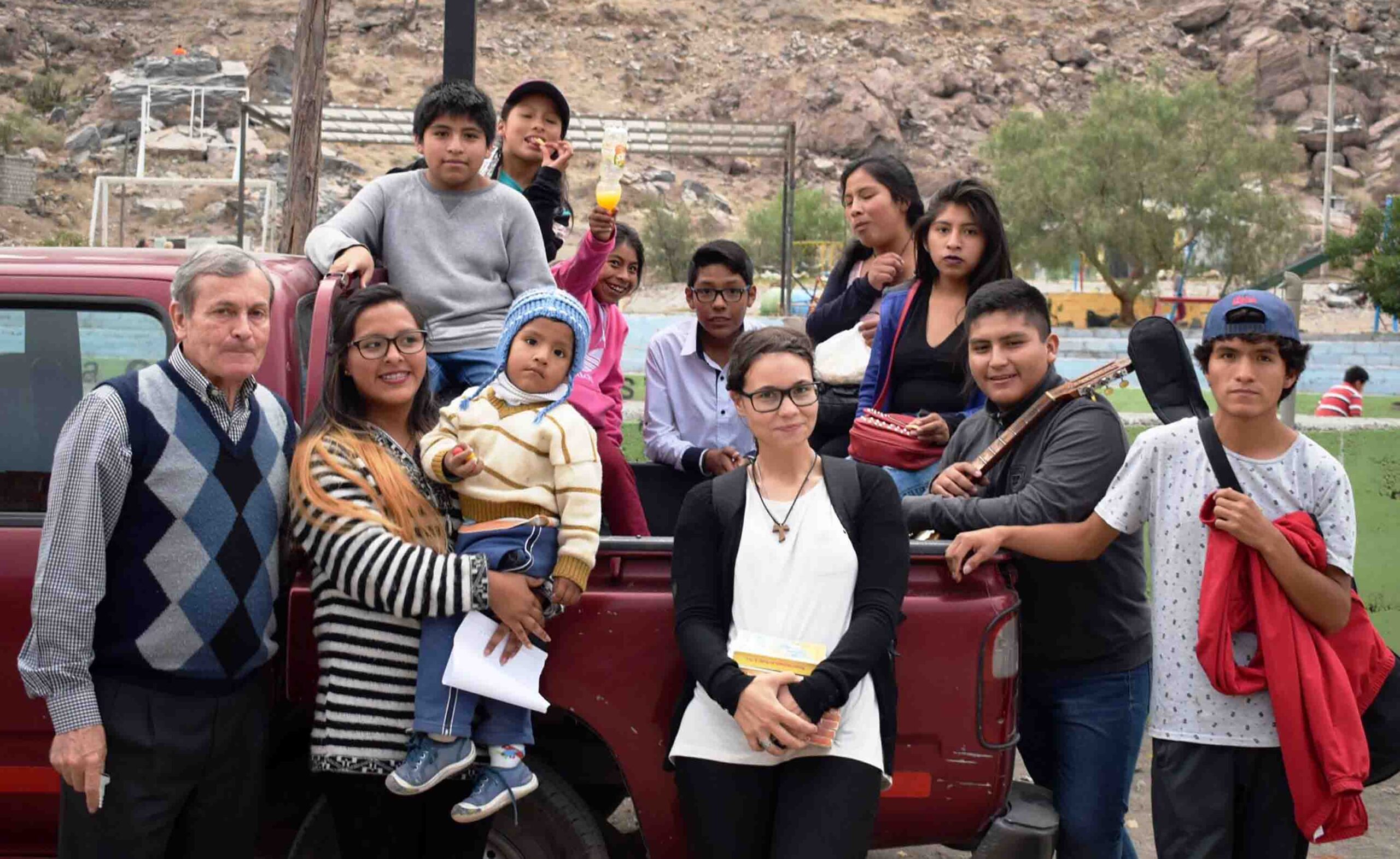
Or in the peripheries of large Latin American cities (Peru, Brazil, Guatemala…), where there are so many people trying to survive and earn a living–people migrating from the interior to seek work in cities, but who often barely survive due to the precariousness of the work they find.
In Europe, we also find many migrant people with whom to walk together–people from the countries where we are present and whom we also accompany from our missionary experience of life in Africa or America—, and we try to make them feel welcomed as we are in their countries and to support and sustain them in their integration into the new society.
We want to live all this starting from our local communities because we feel that our missionary call is to live this vocation from community, and for this reason, we meet to train ourselves, pray, share our lives, our dreams, and our missionary commitment.