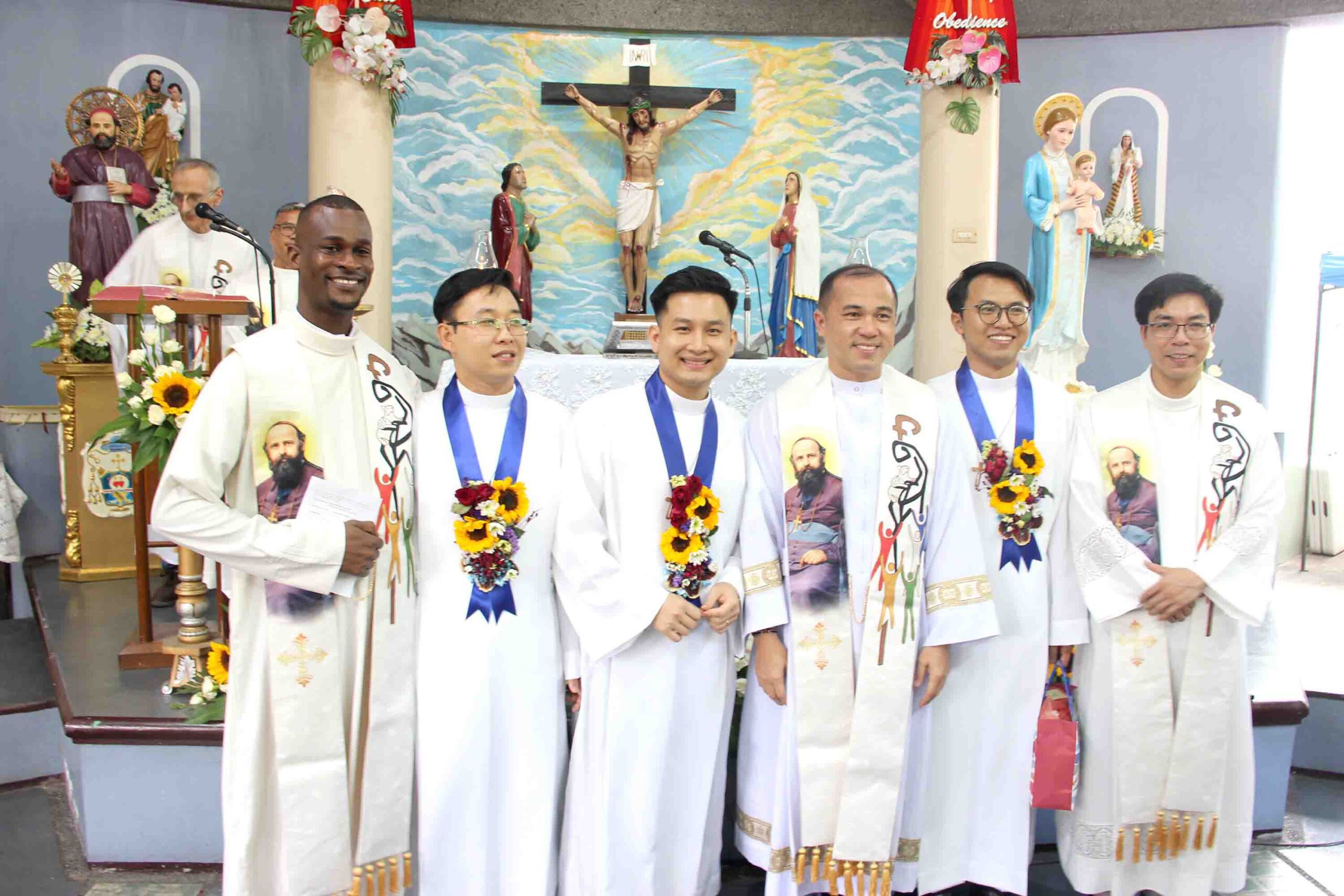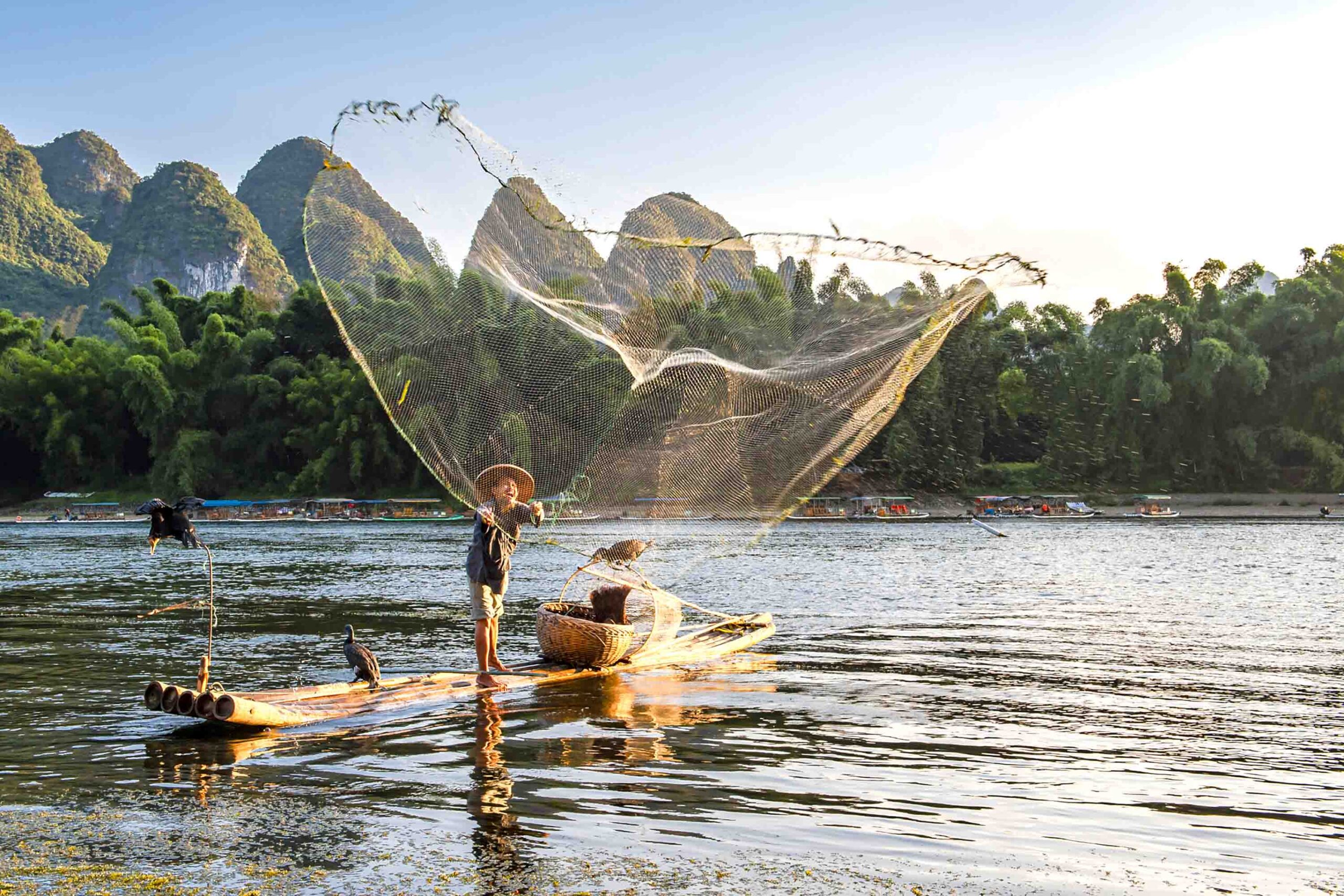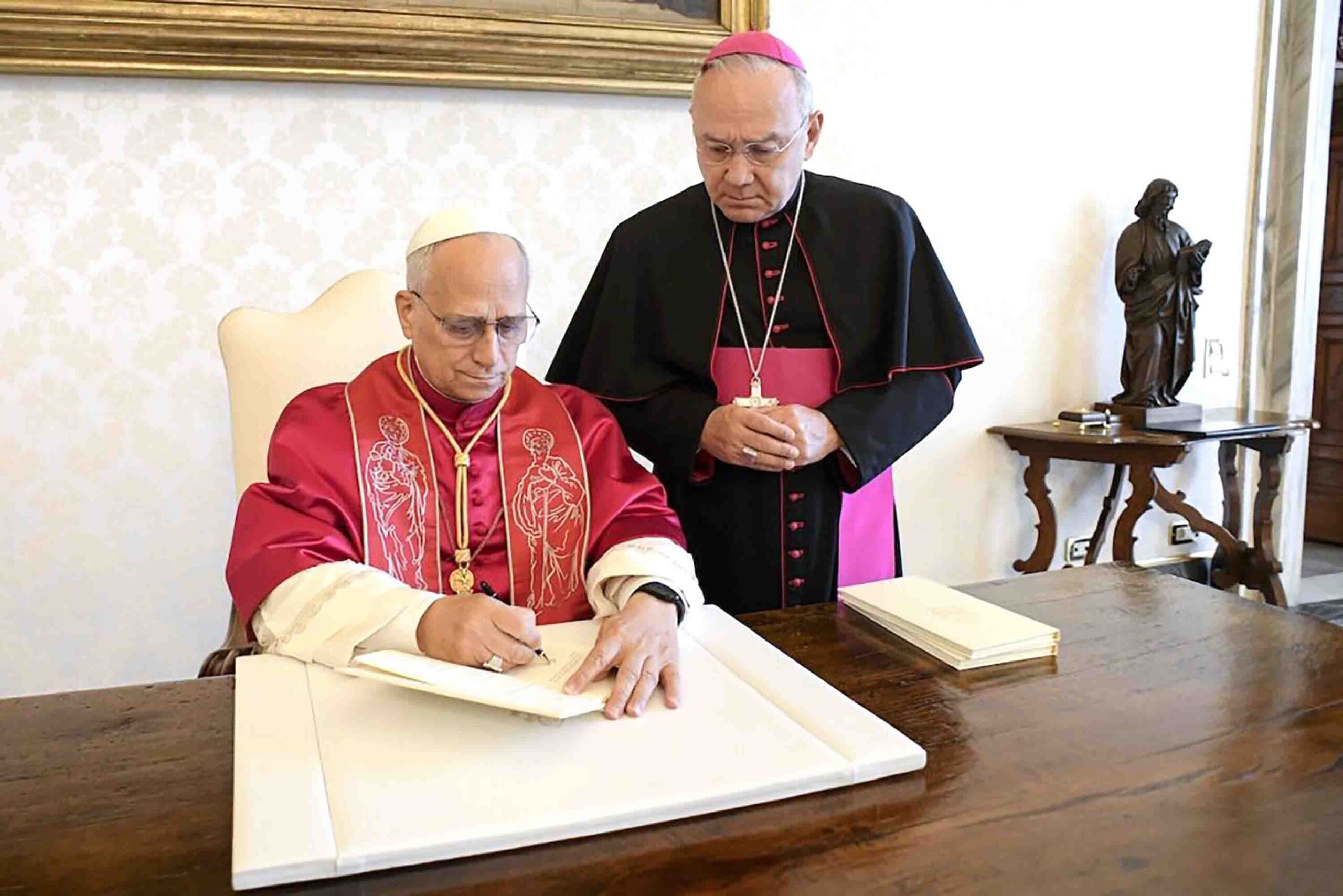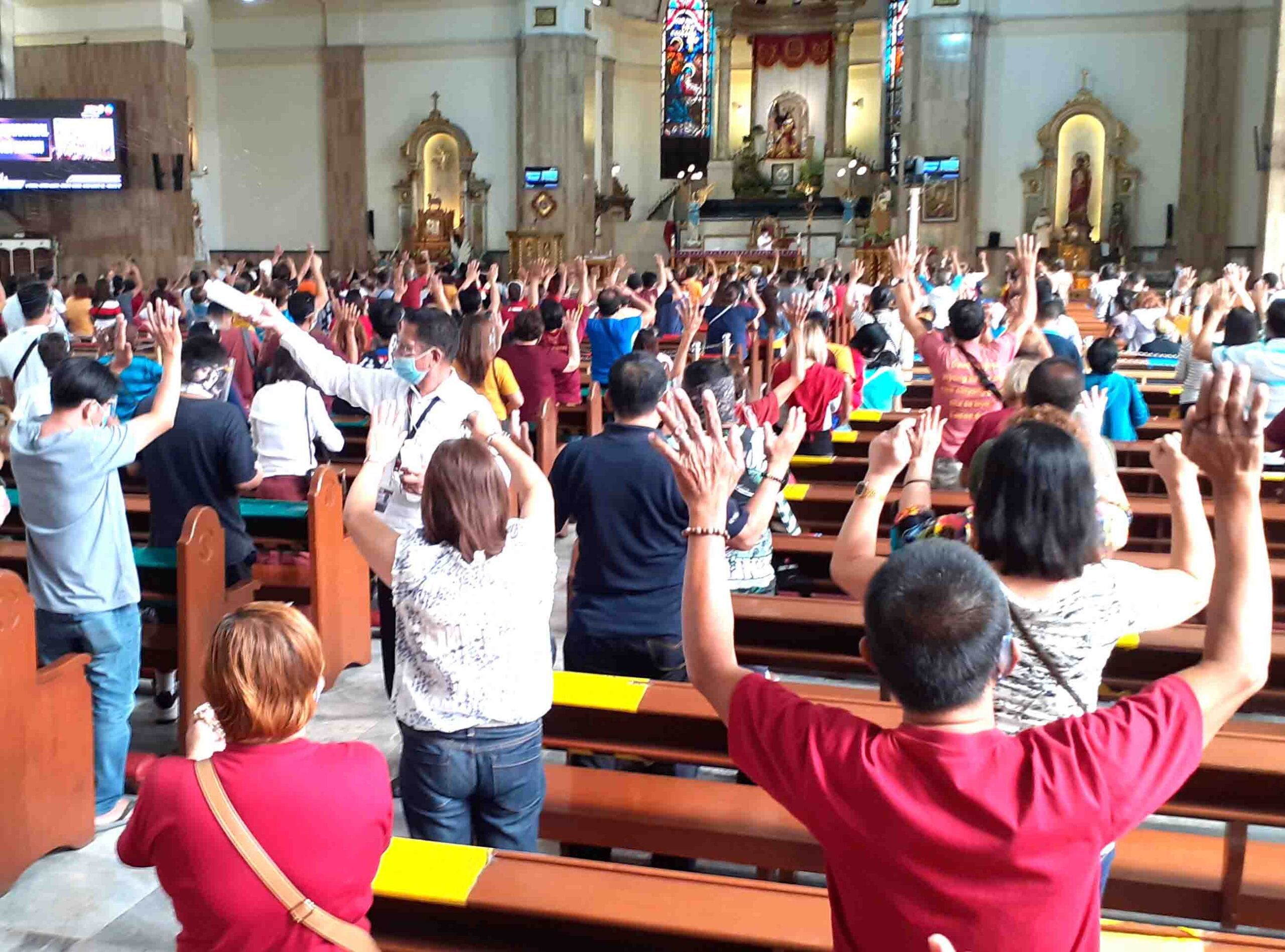

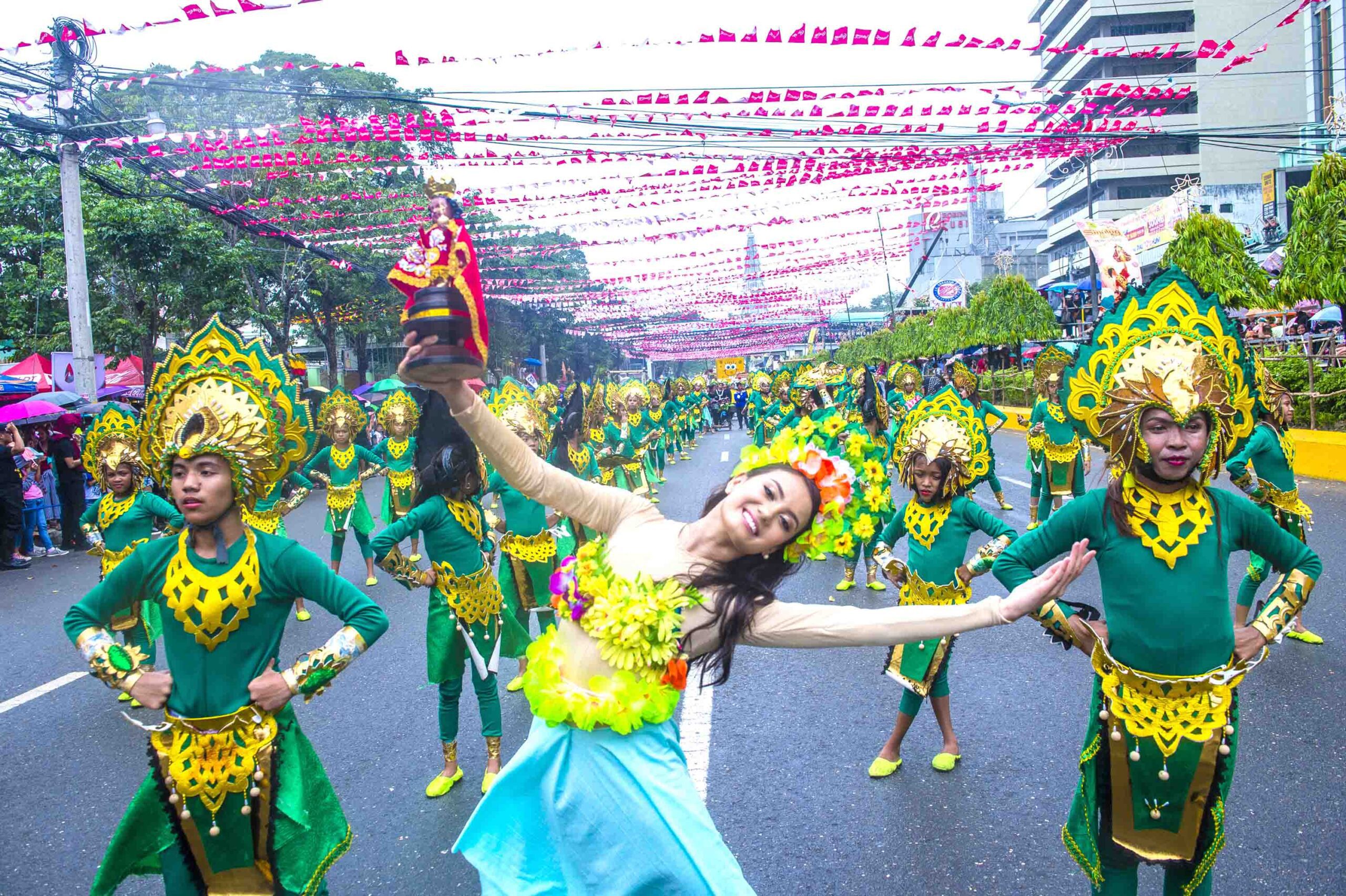
We recognize that in the colorful tapestry of Filipino Catholicism, popular religiosity shines like a golden thread woven through centuries of faith. In our Eucharistic celebrations, sacraments, novenas, and candlelit processions, we see how the Gospel has found a home in Filipino hearts, and how Jesus continues to walk with us in the symbols, songs, and prayers that mark our journey.
In this mosaic of lives, there is but one image: the Mystical Body of Christ. As St. Paul writes, “Though many, we are one body in Christ” (cf. 1 Corinthians, 12:12).
This unity is not uniformity. It is the Spirit breathing through our differences, weaving harmony from contrast, and calling each member to love not despite diversity but through it. In this sacred fellowship, charity finds its fullest form–not in sameness but in shared purpose. We are many voices, but one hymn. Many paths, but one pilgrimage. Many parts, but one Body–alive, holy, and sent.
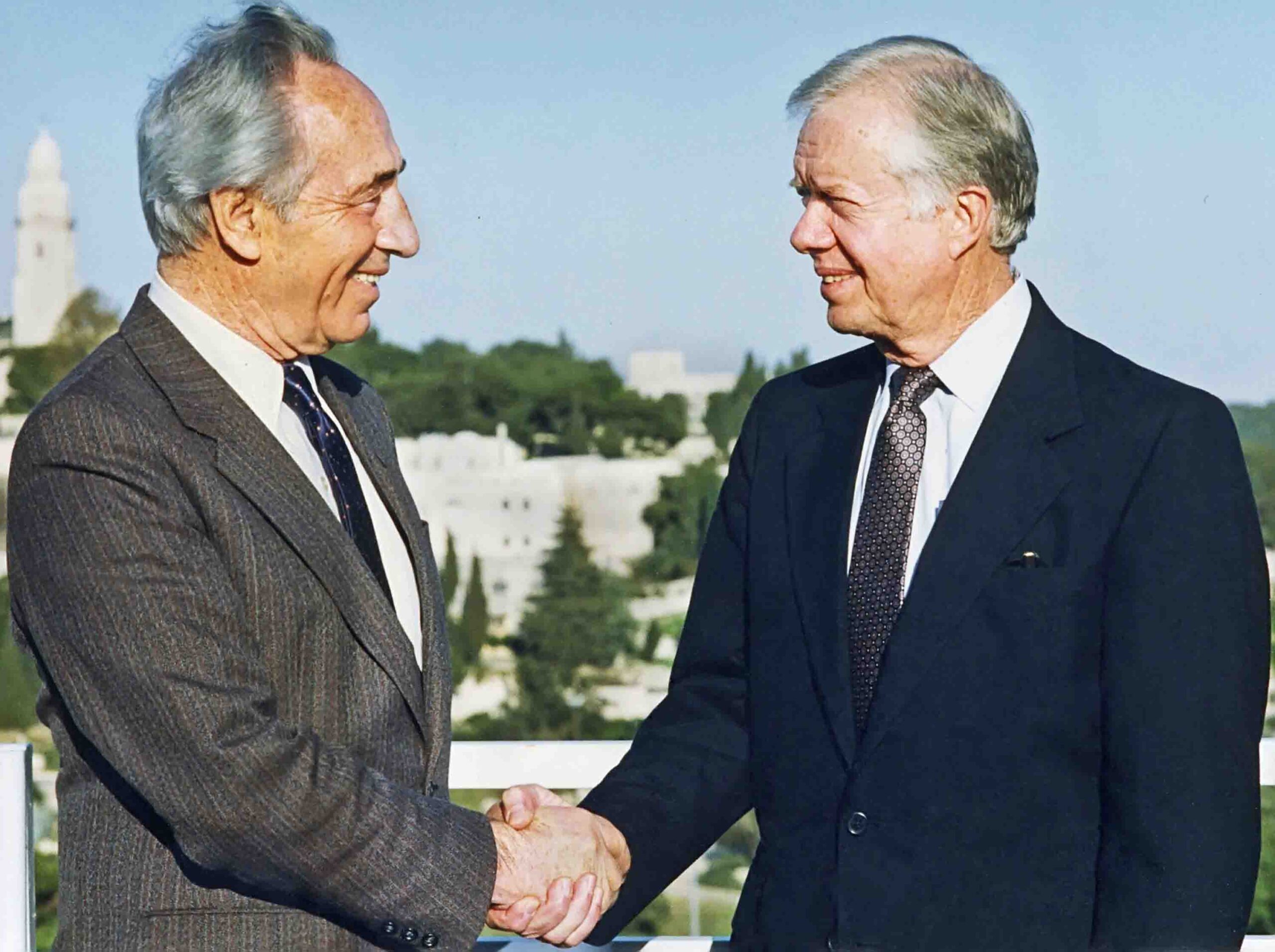
At the ASEAN Summit in Cebu on May 9, 2026, President Ferdinand Marcos Jr. stressed unity amid diversity–as ASEAN approved the Philippines to host the Maritime Centre, strengthening regional cooperation. The political event becomes a living parallel to the Filipino type of harmony through diversity. We flourish together through a divine “ecology of grace” where every individual gift finds its sacred purpose.
GIFTS OF BAPTISM
The Gifts of the Holy Spirit are living strengths planted in ordinary people–wisdom for difficult choices, courage in suffering, understanding in times of confusion, and compassion for those who feel forgotten.
In Baptism and Confirmation, these gifts are entrusted to every Christian, not as private treasures to hide away, but as seeds meant to grow within the life of the community. Across the Philippine Church, these seeds bloom in countless ways.
Some become strong trees of witness: catechists patiently teaching children, priests preaching hope in wounded communities, and lay leaders speaking truth even when it is inconvenient. Others spread like vines of charity through feeding programs, youth ministries, disaster relief, and quiet acts of service that bind neighbors together.
Still others blossom like flowers almost unnoticed–the elderly woman praying daily for her barangay, the volunteer listening to someone in grief, the young person offering encouragement to a struggling friend.
Charisms are always meant for others. The Synod is a simple but demanding practice of walking together, listening to one another, and allowing every person’s gift to contribute to the mission of the Church. Holiness is never meant to be lived alone. God forms a people, not isolated stars.
Hence, a charism of the Spirit only becomes fully alive when it strengthens another person. When shared, it multiplies; when hidden, it slowly fades. This is why the Church speaks so strongly today about synodality.
COMMUNAL FAITH
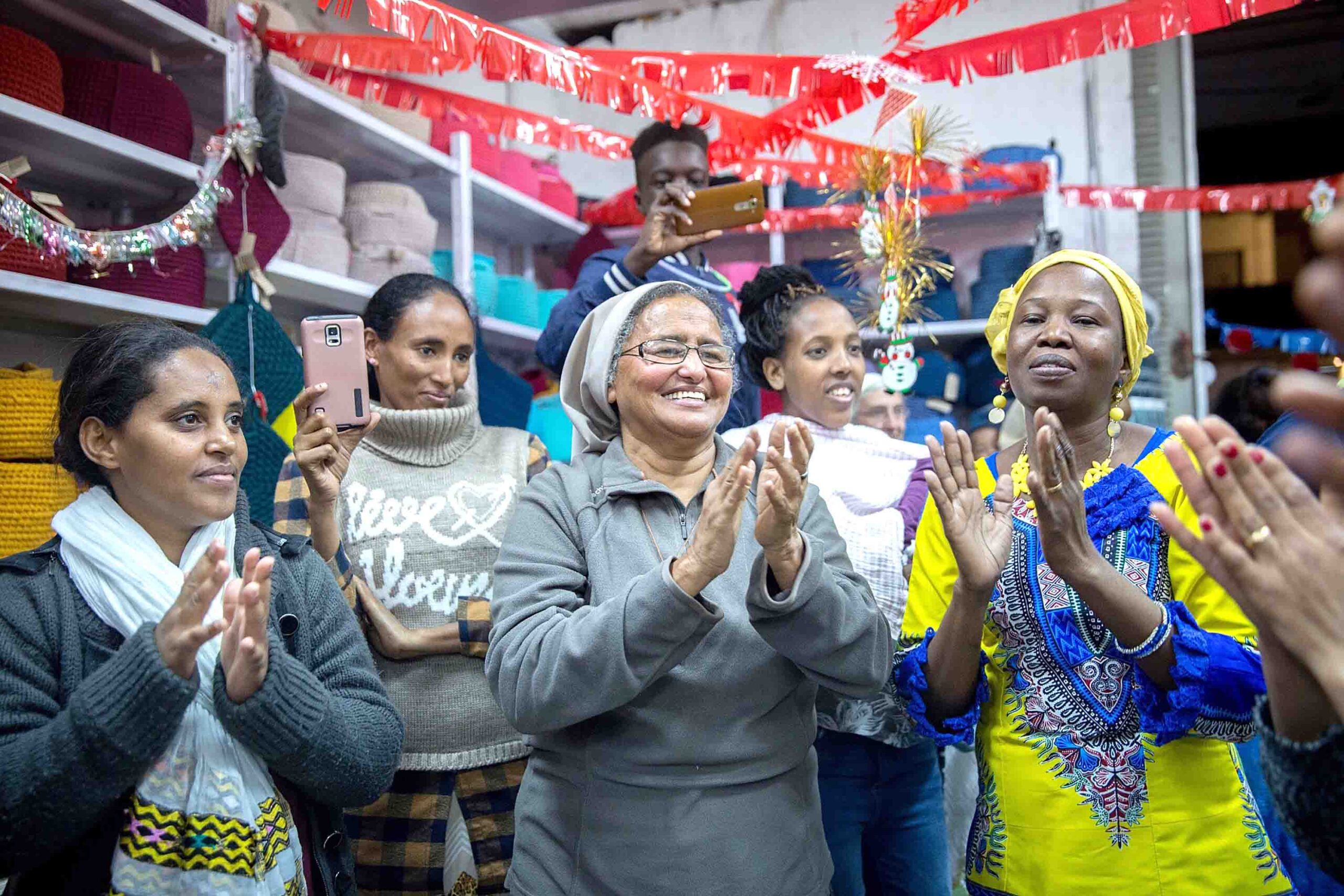
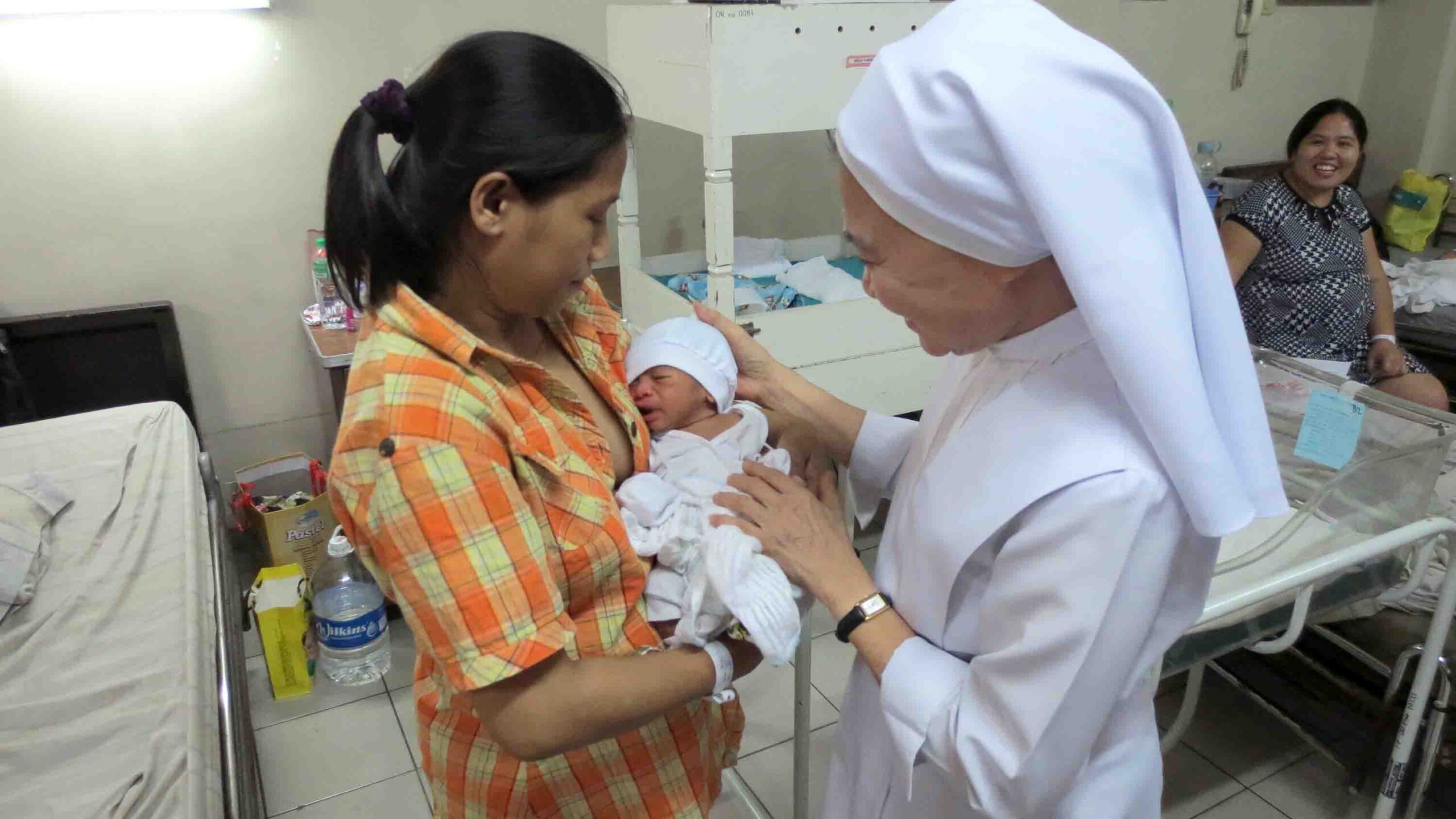
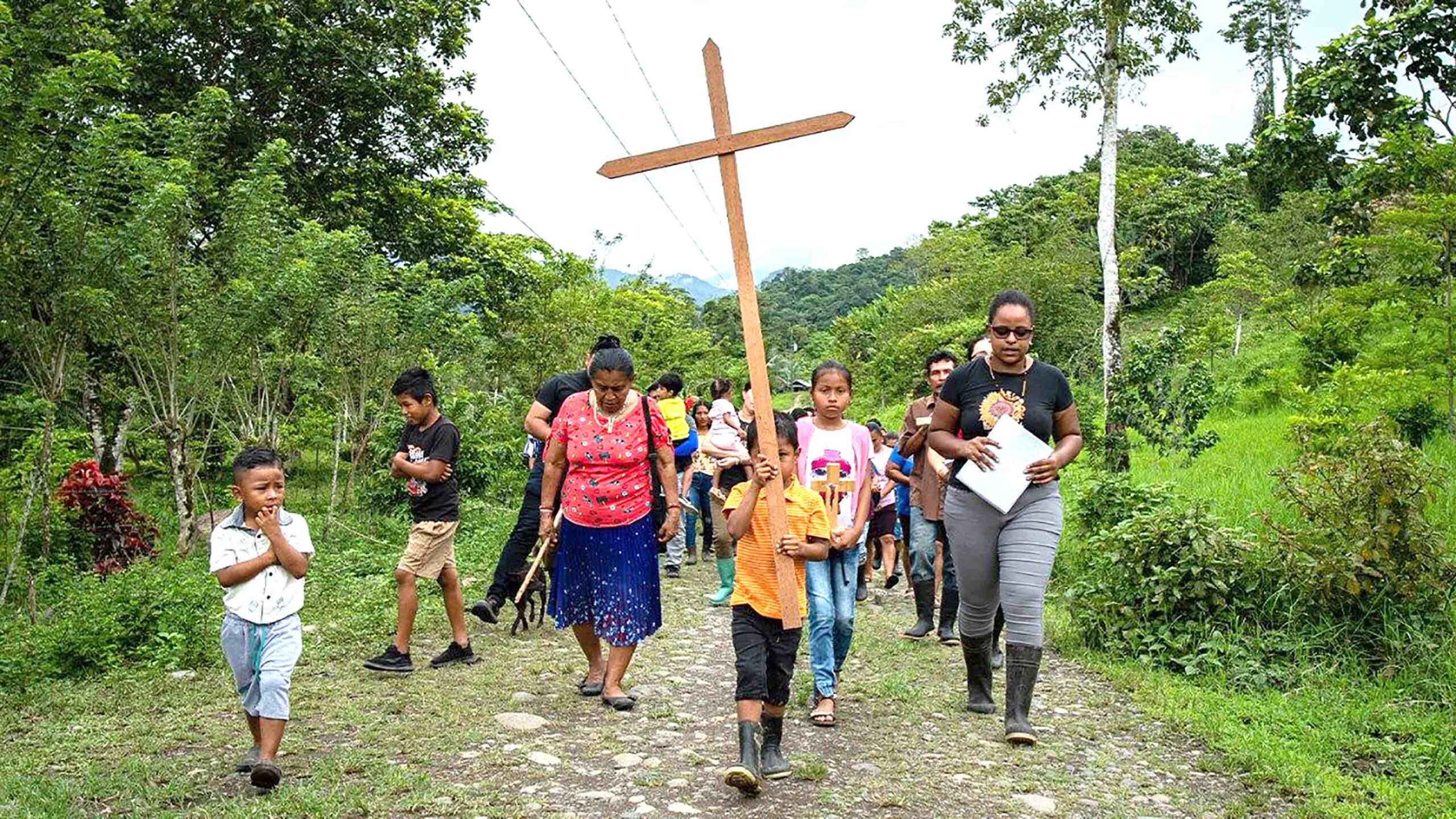
Filipino Catholics understand this instinctively. Our faith has always been deeply communal. We see it in families who gather nightly around the altar for the Rosary, in communities rebuilding after typhoons, in fiestas where faith spills into the streets. Even amid Mayon Volcano’s unrest in May 2026–when ashfall and evacuations disrupted lives–neighbors shared food, masks, and shelter, embodying the Filipino spirit of alay‑kapwa that turns scarcity into generosity.
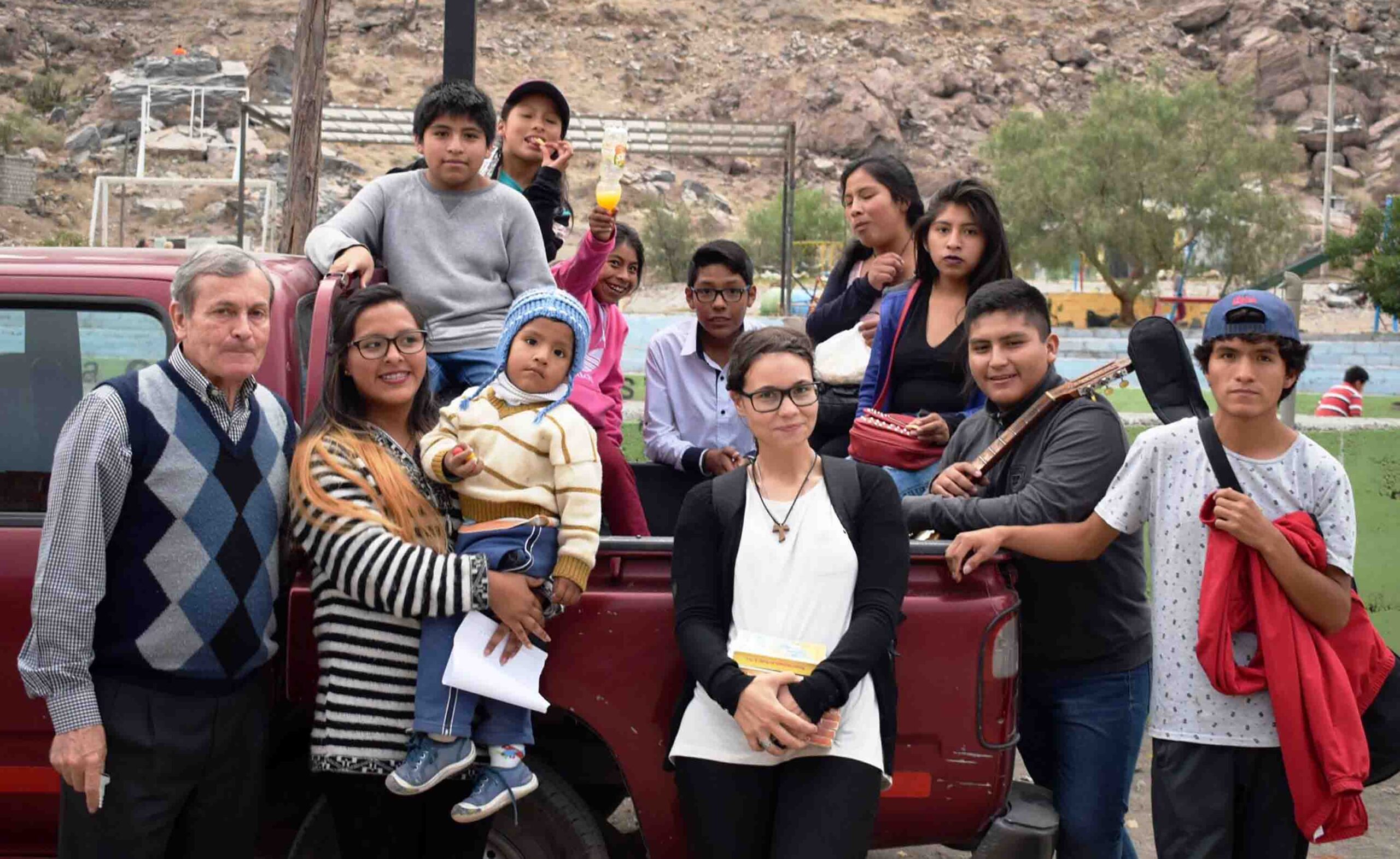
A small chapel becomes a center of hope because neighbors volunteer their time. A choir sings with joy despite having no formal training. Youth leaders improvise creative ministries with almost no budget. What the world sometimes dismisses as “small” becomes, in the hands of faith, abundant.
Vocation gives direction to these gifts. If charisms are the tools, vocation is the calling that teaches us how to use them. Vocation is not simply a dramatic moment of deciding to become a priest or religious sister. It is the lifelong dialogue between God’s invitation and our daily response.
God continually calls, and each person answers through the concrete realities of life. Some answer through marriage and family life, building homes shaped by sacrifice and tenderness.
Others answer through the priesthood or consecrated life, dedicating themselves fully to the service of God’s people. Many answer through the quiet holiness of single life, professional work, or hidden service. Every vocation is ultimately a path toward love. And the ordinary acts are not secondary to the mission of the Church–they are the mission lived daily.
Filipinos are indeed gifted to give. Our diversity is not a liability but a vocation. Like a choir of many voices, we are called to sing one hymn. Synodality asks us to listen, to exchange gifts, and to walk together toward the mission entrusted to the Church. Even amid Mayon’s ashfall, when neighbors shared food and shelter, and at the ASEAN Summit where leaders affirmed unity in diversity, the Filipino vocation shone: differences became instruments of evangelization.
What we have received in faith we now offer freely. And in the offering, it multiplies, becoming more than it was, a hymn rising from many voices into one pilgrimage of hope.
José Mario Bautista Maximiano co-authored with Cardinal Pablo David the Quo Vadis (Paulines, 2026). He is also the author of Church Reforms 1, 2, 3, and 4 are available at Lazada and Shopee. Email: jomaximiano@gmail.com