Dilexi te opens with a quiet but unsettling declaration: “I have loved you” (Rev 3:9; Dilexi te, n. 1). These words are spoken not to the strong or the successful, but to a community with little power and little protection. Yet they are loved (Dilexi te, n. 1-2).
A love that does not wait for things to improve before it speaks. A love that enters weakness, poverty, and rejection without conditions. God does not say, “I will love you when you are secure.” God says, “I have loved you,” even here, even now (Dilexi te, n. 1-3).
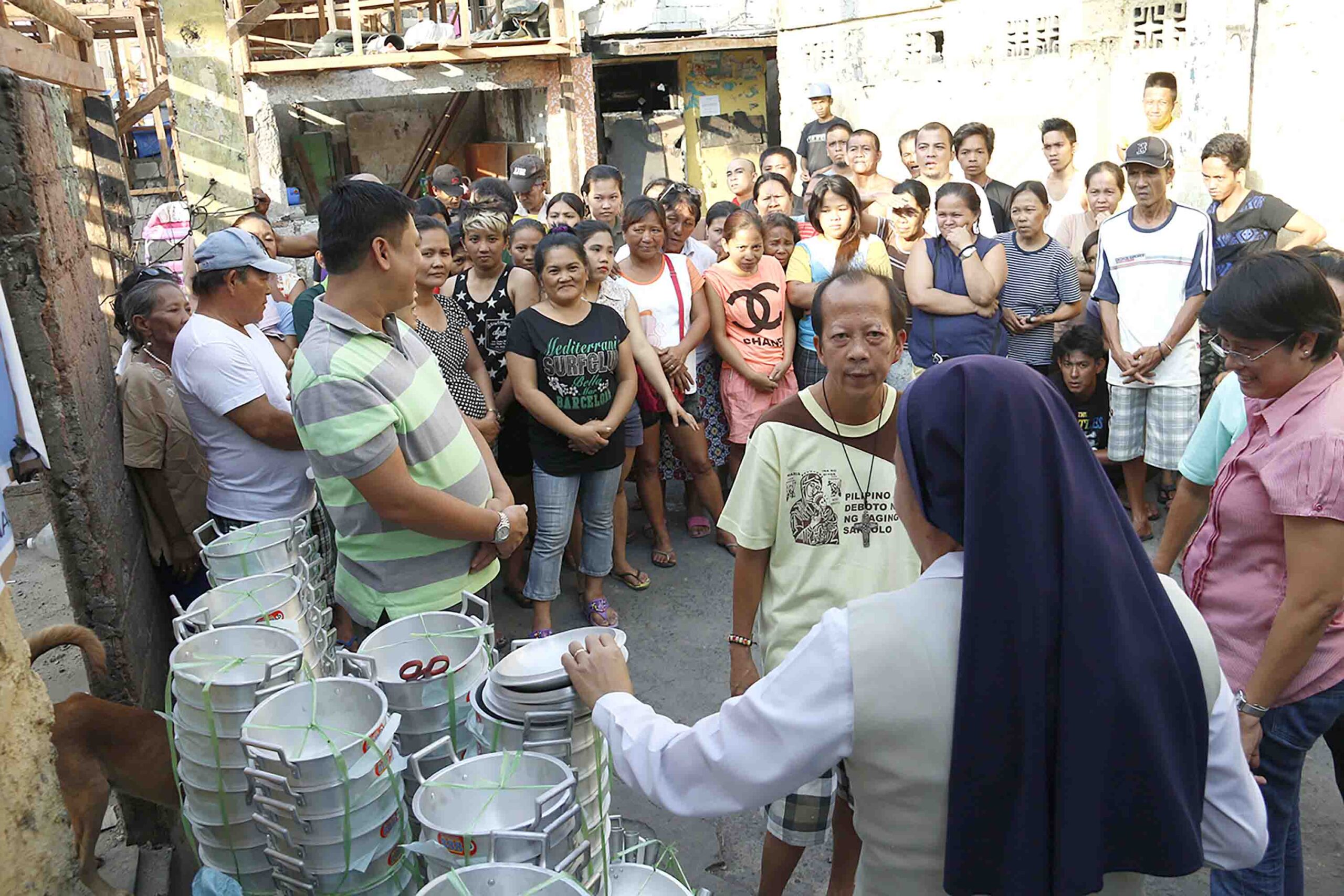
For the Church in the Philippines, this matters deeply. These words speak into coastal villages that rebuild after every storm, into farming communities navigating flood and drought in the same year, into urban poor families living with constant uncertainty, into workers whose labor sustains the economy yet barely sustains life.
Because this love is real, it cannot remain abstract. It presses us to ask an uncomfortable but necessary question: What does it mean to be the Church of the poor when suffering has become familiar and injustice is often managed rather than confronted? (Dilexi te, n. 15).
POVERTY PERSISTS
Dilexi te names a dangerous reality. Many evils persist not because they are hidden, but because they are tolerated (Dilexi te, n. 11–12). Poverty remains widespread not because it is inevitable, but because systems allow it to persist. The poor are not poor by chance, or by fate, or by lack of effort. They are made poor by arrangements that benefit some while burdening others. (Dilexi te, n. 13–15)
In our context, this is painfully visible. Environmental destruction continues in the name of progress, even as it weakens communities and increases disaster risk. Economic insecurity remains widespread, even during periods of growth. Governance failures persist, especially where those most affected by decisions have the least voice in making them.
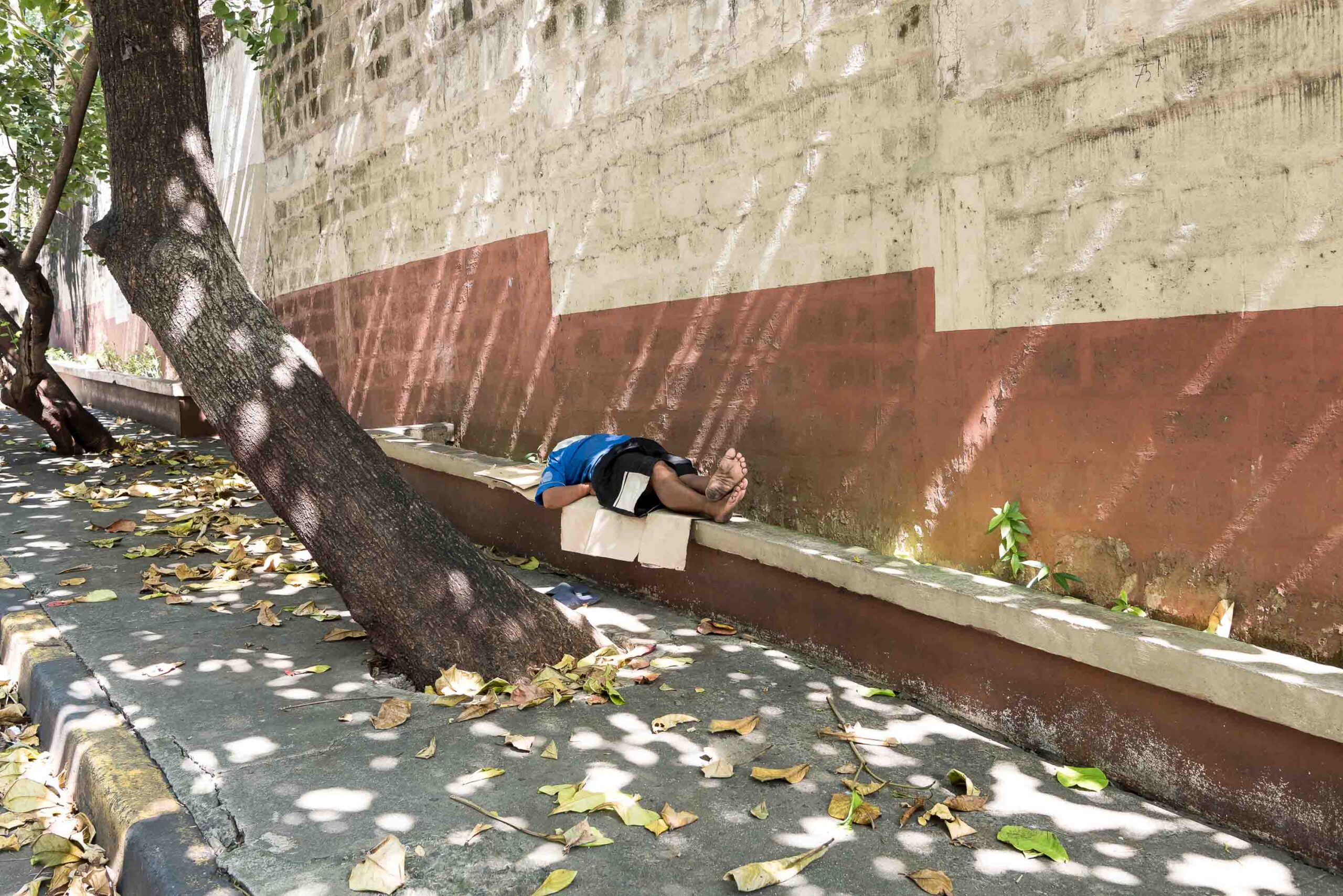
What makes these realities especially dangerous is their familiarity. When the same communities are displaced again and again, when low wages and insecure work are treated as normal, when corruption and exclusion are expected rather than challenged, injustice quietly becomes part of everyday life.
The exhortation warns us that the greatest threat is not outrage but indifference. A culture that grows used to suffering. A faith that risks becoming comfortable with what should never be acceptable (Dilexi te, n. 11–12)
THE CRY THAT REACHES GOD
God tells Moses, “I have seen the misery of my people. I have heard their cries” (Exodus, 3:7–8; Dilexi te, n. 8). God does not hear abstractions. God hears suffering. In the Philippines, this cry is unmistakable.
It is heard in communities recovering from typhoons, where damaged homes and lost livelihoods reveal deeper vulnerabilities. It is heard in farming areas where land degradation undermines food security. It is heard in fishing communities where environmental damage threatens survival. It is heard in urban settlements where eviction looms without meaningful consultation.
Dilexi te reminds us that poverty has many faces. Material, social, cultural, moral, and spiritual. These faces overlap and reinforce one another (Dilexi te, n. 9). When land is damaged livelihoods weaken. When livelihoods weaken, families struggle. When families struggle, dignity is placed at risk.
To encounter the poor, the exhortation insists, is to encounter Christ himself. That means encountering Christ not only in hunger and illness, but also in broken environments and fragile communities that are forced to start over again and again (Matthew, 25:40; Dilexi te, n. 5, 21).
If we only respond after a disaster, we silently accept that disaster is inevitable. Love asks harder questions. Why are the same communities always the most exposed? Why do recovery efforts often restore vulnerability instead of reducing it? Why ecological decisions so often are made without the meaningful participation of those who live with their consequences?
ECONOMY LEAVES PEOPLE BEHIND
The exhortation speaks plainly about economic systems that generate wealth while leaving many behind (Dilexi te, n. 10–13). Growth alone is not proof of justice. Wealth can increase while inequality deepens. New forms of poverty emerge even in societies that describe themselves as successful (Dilexi te, n. 13).
In the Philippine setting, this tension is lived daily. Many work long hours yet remain poor. Insecure employment, contractual labor, and migration become survival strategies rather than genuine choices. Scripture, as cited in Dilexi te, is unambiguous. Wages withheld from workers cry out to God (James, 5:4; Dilexi te, n. 30).
An economy that depends on cheap labor, environmental sacrifice, and weak protection for workers contradicts love. The early Christian communities understood this. They shared goods not simply as generosity, but as justice restored (Acts, 4:32; Dilexi te, n. 32–34).
The Fathers of the Church went further. They insisted that what is withheld from the poor is taken from them (Dilexi te, n. 42–45). For the Church, this is not ideology. It is Gospel faithfulness.
To be the Church of the poor is to allow the Gospel to question our assumptions, not to shield them. The prophets refused to separate worship from justice. Jesus identified himself with the hungry, the imprisoned, and the excluded. Dilexi te reminds us that worship detached from justice is empty (Matthew, 25:31–46; Dilexi te, n. 28–31).
Saint John Chrysostom’s words remain piercing: honoring Christ in worship while neglecting Christ in the poor is a contradiction (Dilexi te, n. 41–42). Silence in the face of injustice is not neutrality. It allows harm to continue.
Dilexi te places the Church firmly on the side of those whose dignity is threatened. This means listening seriously to workers, farmers, fisherfolk, indigenous communities, women, youth, and the urban poor, not as beneficiaries alone, but as partners in discernment (Dilexi te, n. 35–36). The Church becomes credible when she risks discomfort, refuses indifference, and stands where Christ stands.
TO BE THE CHURCH OF THE POOR
The exhortation states this without ambiguity: there is an inseparable bond between faith and the poor (Dilexi te, n. 36). To be the Church of the poor in the Philippines is not to romanticize hardship. It is to refuse systems that repeatedly place the same communities at risk. It is to walk with those who patiently mend what has been torn, together.
Dilexi te calls us to a faith that refuses shortcuts. A faith that does not discard what has suffered. A faith that strengthens what still holds (Dilexi te, n. 31, 48). Dilexi te makes this unmistakably clear when it insists that the cry of the poor is not only a personal appeal, but a historical challenge addressed to societies, political systems, and economic structures.
Poverty persists not because of fate, but because social arrangements repeatedly produce it, protect it, and normalize it (Dilexi te). If love truly takes the side of the poor, then love must also confront the systems that keep the poor poor.
The exhortation reminds us that God does not merely hear the cry of the oppressed. God comes down to liberate them (Exodus, 3:7–10). This descent of God into history is not symbolic. It is disruptive. It breaks the logic of domination and exposes arrangements that benefit the powerful at the expense of the weak.
THE CHURCH AS MORAL FORCE
The Church, Dilexi te reminds us, is not called to replace political institutions, but neither is she permitted to remain neutral. Neutrality in situations of structural injustice favors the status quo. To be the Church of the poor is to stand with communities as they organize, discern, and struggle for life. It is to defend participation, transparency, and accountability. It is to insist that governance exists to serve the common good, not private accumulation.
“I have loved you,” the Lord says. This love does not stop at compassion. It moves toward transformation. Love becomes credible when it organizes itself into communities of resistance and hope, when it strengthens collective action, and when it refuses to accept injustice as normal.
The Church of the poor is not built only through generosity. It is built through shared struggle, sustained solidarity, and the patient work of changing systems that wound life. This is the love Dilexi te calls us to live: a love that descends into history, a love that walks with the poor, and a love that dares to change the world together.
“I have loved you” (Revelation, 3:9; Dilexi te, n. 1). This love does not explain away suffering.
It does not spiritualize inequality. It does not tolerate broken systems as normal. We are called not only to mend what has been torn, but to confront why it keeps tearing. To strengthen what still holds before the next storm comes. To choose prevention alongside response, justice alongside charity, and participation alongside policy.
May we become a Church in the Philippines that refuses tolerated evils. A Church that hears the cry as one cry. A Church that walks with the poor, patiently mending what has been broken, together. Published in Laudato Si Movement-Asia Pacific