
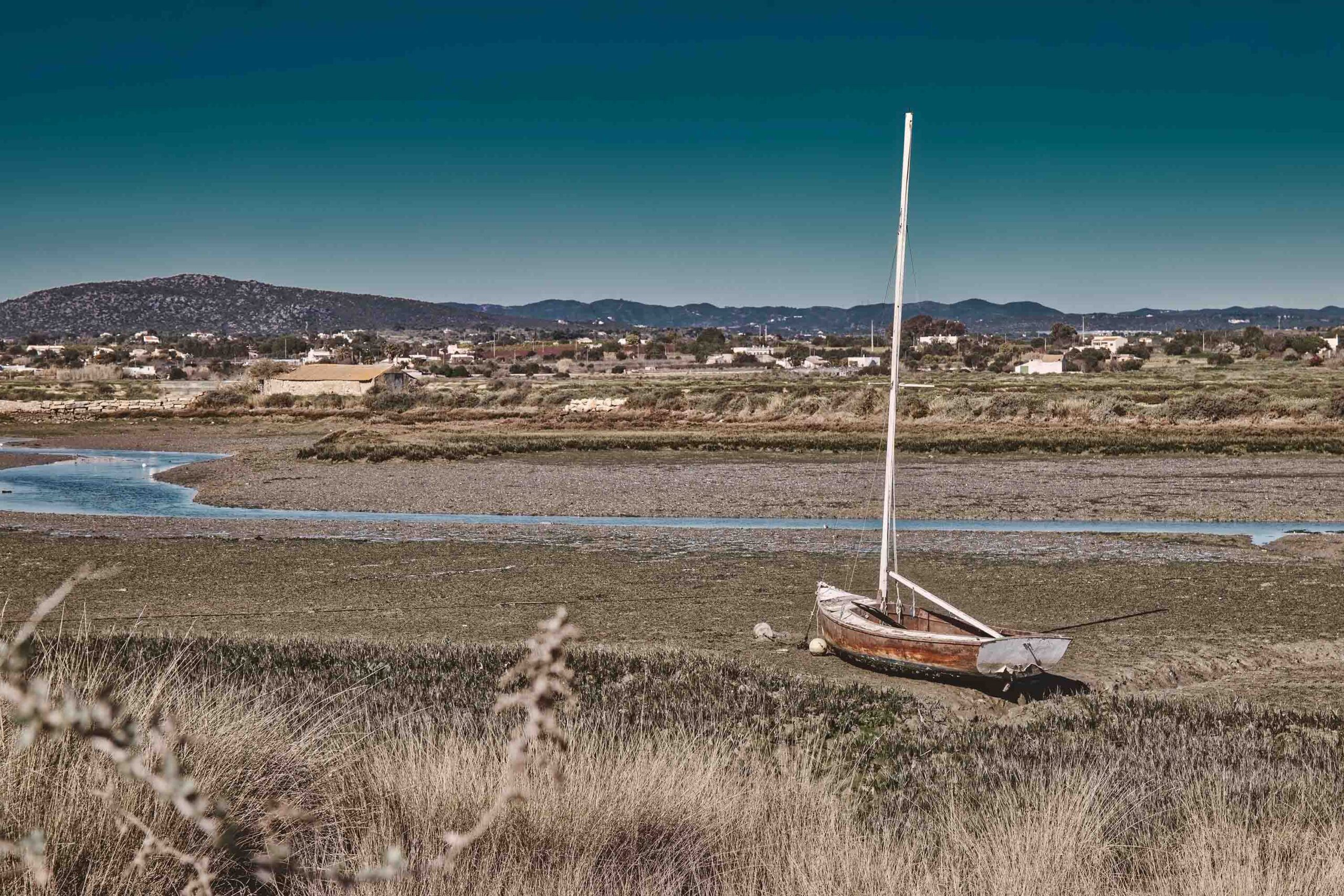
As climate change intensifies and groundwater extraction increases, several countries are now reaching a so-called “point of water bankruptcy,” that is, a condition marked by irreversible losses of natural water capital.
Although access to drinking water is a human right for all, the multifaceted water crisis disproportionately affects vulnerable communities, future generations, and non-human life that has no voice in political or economic systems. These are some of the many challenges:
- Water becomes unaffordable for the poor. • Impact on health of waterborne diseases. • Impact of industrial discharge of chemicals and other pollutants into rivers. • Increasing water consumption fueled by data centers and energy production required by our digital activities, including for use of artificial intelligence. • Poor governance and corruption by companies and governments. • Impact on food security of droughts, floods, storms and desertification. • Salination of the soil due to sea level rise or overexploitation of aquifers. • Violence over competition for scarce water supplies.
These many issues are leading to migration, pushing people into exile, with loss of homes and culture. The impact on ecosystems and biodiversity is devastating: according to the World Wide Fund for Nature, we are facing catastrophic declines in aquatic wildlife, with freshwater populations dropping by a staggering 85% and marine populations by 56% in the last 50 years.
From a theological perspective, this crisis reflects broken relationships between humankind and God, within the human family itself, and between human beings and other living beings. Furthermore, it is important to stress that water pollution has implications for social justice and equity.
HOPE FROM FAITH AND ACTION
Ezekiel’s vision is ultimately one of hope. As co-workers with the Creator, Christians’ relationship with non-human creation should be grounded in the biblical vision of creation as an interconnected community of life (cf. Genesis, 9:8–17; Hosea, 2:18; Psalm, 24:1). Our relationship is that of sacred partnership and mutual custodianship rather than domination.
Pope Francis described this as “a relationship of mutual responsibility between human beings and nature,” rejecting excessive or tyrannical anthropocentrism (Laudato Si’, 67, 68, 116).
Christians are called to confront the aforementioned injustices and to reject a worldview that treats water as a disposable resource. For instance, in the last 20 years, the WCC Ecumenical Water Network (EWN) has promoted the preservation, responsible management, and equitable distribution of water for all, based on the understanding that water is a gift from God and that access to drinking water is a fundamental human right.
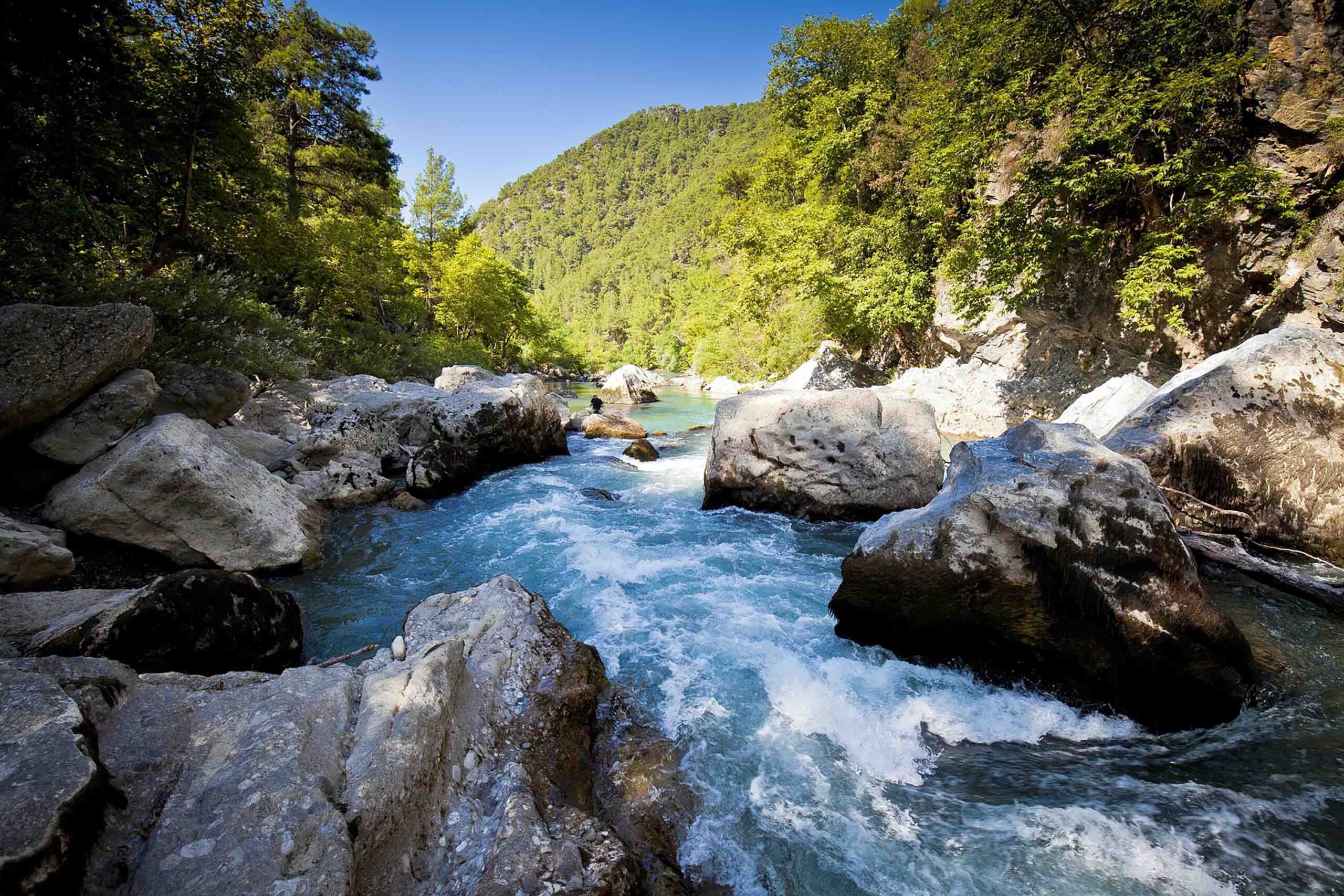
On every continent, inspired by our faith, Christians are acting: rivers are being restored, water sources are being protected from pollution and extractive industries, and arid lands are becoming green again. Wells are being dug and water provided for parishes, villages, and health care centers.
REPENTANCE AND HEALING
Scripture repeatedly associates water with divine healing and renewal: Naaman dipping himself in the Jordan River (cf. 2 Kings, 5), and the healing of the person with disabilities waiting by the pool (cf. John, 5). Ezekiel himself is immersed progressively deeper into the river, echoing baptismal imagery and symbolizing transformation.
Stepping into the river reminds us of baptism. In the early Church, large baptism fonts were often used for immersion, and they were entered by steps-reflecting the progressivity of Ezekiel’s vision (Ezekiel, 47:3-6).
Earlier in the book of Ezekiel, God promises cleansing, a new heart, and a new spirit precisely through water (Ezekiel, 36:25–27). We are reminded of the water and blood that flowed for healing from Jesus’ side (John, 19:34). As believers, we are promised that if we receive and accept the water from the Temple-that is, God’s healing-then “rivers of living water” will also flow from our hearts (or bellies, as the Greek says!) (John, 7:38). As we are healed and renewed -living water will also flow from us for the healing of others and of creation.
SYMBOL FOR 2026
Our symbol for 2026-Immersion in Living Water-is a symbol of renewal and birth: water flowing from the Temple as a sign of God’s caring and healing for us. We are called to step into the water until we are so deep that we must depend on God’s grace to sustain us. Those who receive this water are invited to become sources of life for others, allowing God’s love to flow through them into the world. And thus the water of God will become in us “a spring of water welling up to eternal life”, as Jesus promised (John, 4:14).
The symbol invites Christians to a spiritual immersion-praying together while contemplating water from rivers, sources, fountains, baptismal fonts, lakes and sea, inspired by the Spirit of God, working together for the renewal of Creation.
This symbol also urges us to dive into the “tears” of creation (Romans, 8:22-23), by allowing our hearts to be touched by the suffering of our brothers and sisters. Indeed, the Season of Creation is also an appropriate time for fraternal closeness and solidarity with the vulnerable and the poor, chiefly those who suffer from environmental degradation. We can learn from their stories, from their resilience, from their commitment, and together keep hope alive.
CALL TO ACTION
Our Father calls us to accept His love (1 John, 4:19). Welcoming that love as daughters and sons, through a continual conversion of mind and heart, is our lifelong calling. If we choose to step into the true living water, we can contribute to a more just and life-giving world for the entire human family as well as for non-human creation.
Food security: Ezekiel’s prophecy speaks of trees that “bear fresh fruit every month” (Ezekiel, 47:12). We are called to shape and influence our policies and practices so that all people have access to nourishing and safe food, so that the fruits of biodiversity are shared equitably. Churches can also promote greening projects which reflect Christian values on their own land, and/or equip their members with skills to grow some of their own food.
Water pollution: We are called both to refrain from and to denounce harmful pollution, while at the same time urging governments, local authorities, industry, and agriculture to act responsibly and protect water sources.
Water and sanitation: Many of our brothers and sisters still lack regular access to safe drinking water and sanitation. Therefore, we must act so that households, schools, healthcare facilities, and places of worship–including churches and parishes–have access to clean water and proper sanitation.
Environmental education: Parents, catechists, clergy, and faith communities are thus called to foster a holistic care for creation– human and non-human alike–drawing not only on technical knowledge, but also on relationships, ethics, and spiritual formation.
Drawing spiritual inspiration from Creation: Through contemplation of the natural world created by God (Job, 7–12), we are invited to move from domination to humility, from exploitation to care, and from short-term profit to long-term flourishing. This transformation is both spiritual and practical, requiring a rethinking of values, economic systems, and educational priorities.
Tree growing: Many churches now link tree planting to key moments of faith such as baptism, confirmation, and funerals. Let tree growing become an integral part of our spiritual lives. Trees absorb carbon pollution, prevent erosion, reduce flooding, provide food and medicine, and cool urban environments–they truly bring healing to the nations.
Caring for our oceans–our “Blue Lung”–which face rising threats from waste discharge, overfishing, pollution, and deep-sea mining. Life and biodiversity beneath the waves must not be treated as out of sight and out of mind. May educators help our communities see and value these marine worlds. May government leaders act with courage to protect marine biomes and livelihoods. And may we choose guardianship that keeps the “Blue Lung” breathing for generations.
Ecosystem and biodiversity restoration and protection: We are called to restore land in our churches, homes, and communities. There are many initiatives which we can engage with : a Decade of Climate justice has been declared by both the World Council of Reformed Churches and the World Council of Churches; there are online platforms such as Laudato Si’ Action Platform, Anglican Communion Forest and national programmes such as Green Church / Eglise Verte or Eco Church-A Rocha International.
Let us overcome our fear and step into the water of God’s love–to be part of the River of Transformation for the world, to see the literal healing and renewal of creation and the blessing of the Earth. Published in Season of Creation-Celebration Guide 2026