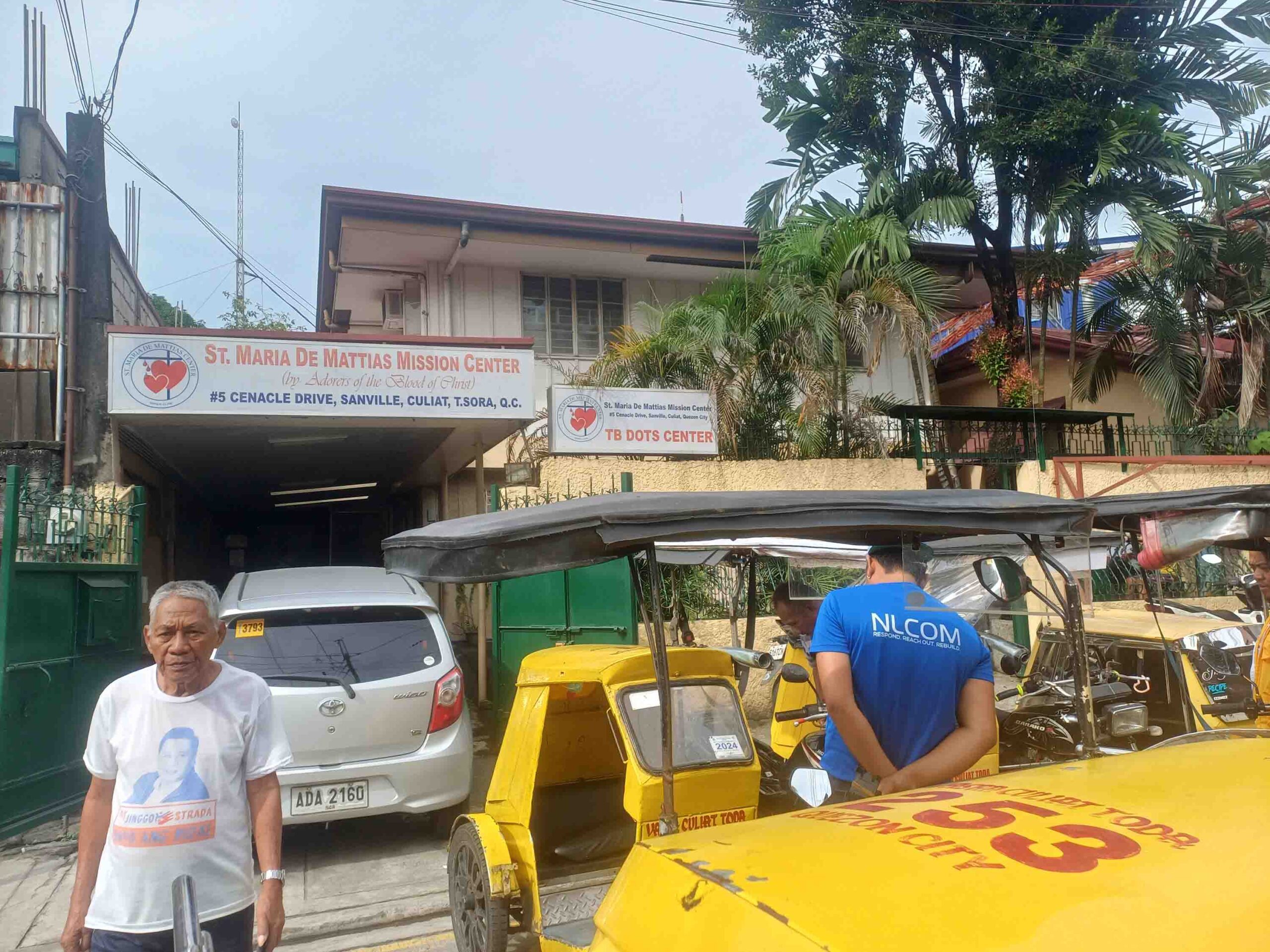

Allow me to assume the life of a jeepney driver that begins his daily work at 4:00 AM. For fourteen hours a day, my hands are locked around a worn steering wheel, navigating the brutal, suffocating heat of the Balic-Balic–Quiapo route in Manila.
My feet play a relentless, exhausting rhythm on the pedals, chasing a boundary I can barely meet. My lungs breathe in black exhaust, and my skin grows slick with sweat and grime. I do all of this to make sure my children have a roof over their heads and a single, modest meal on their plates.
Every single time I buy diesel to keep my jeepney moving, every time I buy a small bag of rice, a can of sardines, or a bottle of medicine for my coughing child, I pay. The Value-Added Tax (VAT) does not care that my pockets are empty. It demands its share immediately, taking a massive, bleeding chunk out of the few pesos I earn.
UNSEEN CITADEL
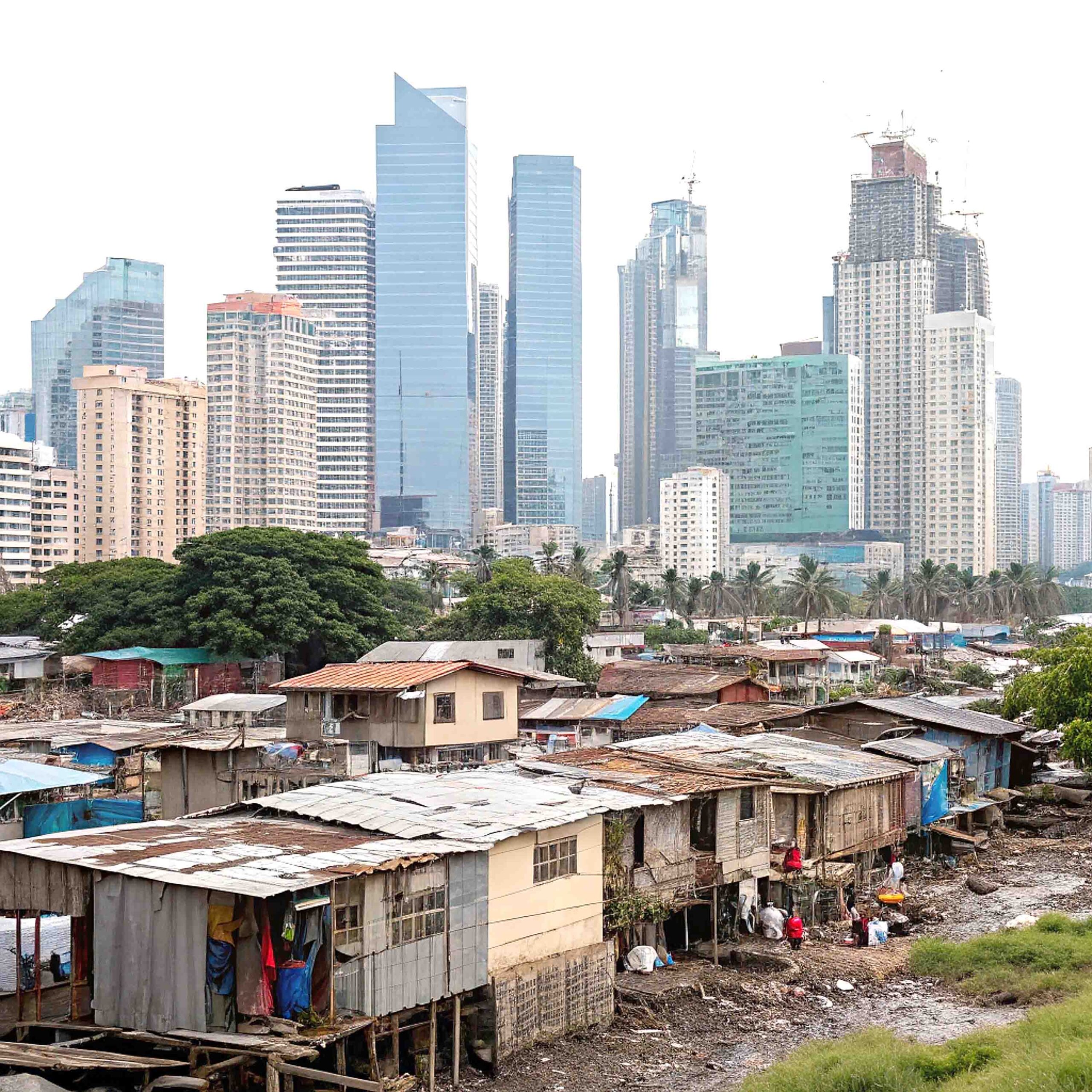
Relative to what I make, I am taxed heavily. Over my lifetime, these coins scraped from the bottom of my pockets add up to a significant contribution to public revenues. And yet, there exists an entirely different world, which I call the Unseen Citadel. It is the glittering realm of the mega-rich, where billionaires and powerful families live in untouchable towers, their vast wealth floating high above the economic storms that threaten to submerge the rest of us every single day.
More than an abstract statistic to me, inequality is a fire in my chest. While I burn my youth and health on the asphalt, wealthy landowners and heirs derive their massive fortunes from appreciating assets, inherited estates, and capital gains. Their wealth grows silently in air-conditioned boardrooms while they sleep.
The taxes they pay each year represent a microscopic fraction of their total wealth. I pay with my sweat and survival, while they pay with loose change they will never miss. When government officials argue against a wealth tax, claiming it might scare the rich and drive their money out of the country, my heart breaks. A society that tolerates vast concentrations of wealth alongside persistent poverty risks losing sight of the principles of fairness and the common good.
THE CONSTITUTIONAL MANDATE
This is why I find hope in the constitutional promise of my country. Section 28.1 of the 1987 Philippine Constitution explicitly mandates: “The Congress shall evolve a progressive system of taxation.” This is based on the taxpayer’s ability to pay.
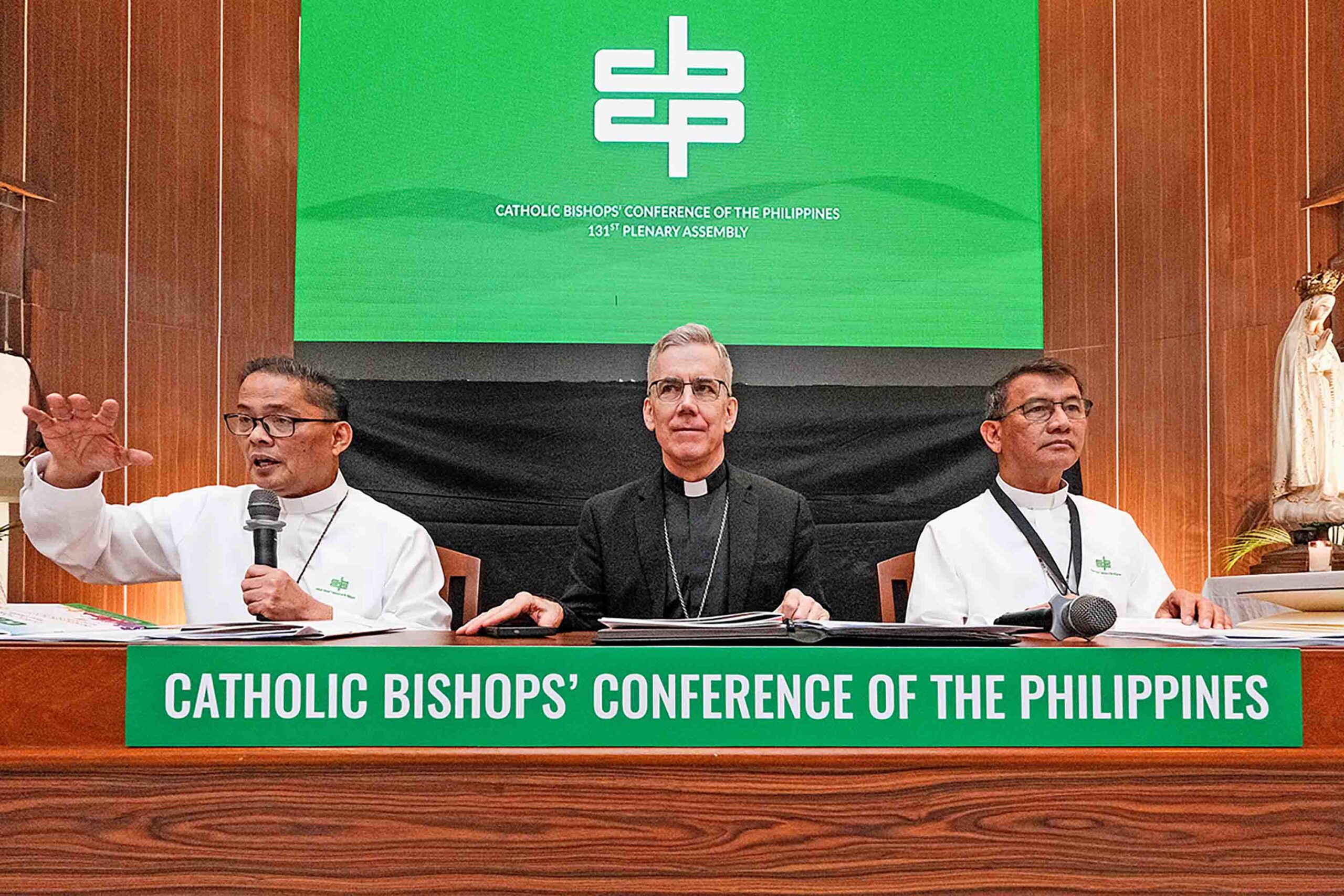
To me, those words are a lifeline. Within this constitutional framework, a billionaire wealth tax functions as both a corrective and a signal, affirming the principle that “those who have more in life should have more in taxes.” A profound moral truth echoes this constitutional mandate. In 2022, Pope Francis reminded taxation agencies that tax systems are meant to transform private resources into common goods.
The Holy Father insisted that the tax code must serve the vulnerable, not the powerful, stating that taxation “must favor the redistribution of wealth, safeguarding the dignity of the poor and the least, who always risk being trodden underfoot by the powerful. The taxman, when he or she is just, promotes the common good.” (Francis, January 31, 2022)
The current Philippine tax system contains both progressive and regressive elements. While personal income taxes are progressive, the system relies significantly on consumption taxes such as VAT and fuel excise taxes, which tend to consume a larger share of lower-income households’ budgets. Ordinary citizens like me often bear a proportionately heavier burden from consumption taxes because a larger share of my income is spent on necessities.
But it does not have to be this way. In May 2026, thanks to Representative Leila de Lima, who filed House Bill No. 9274, the “Ultra-Wealth Tax Act,” the bill aims to level the playing field by taxing the country’s richest individuals. The bill seeks to amend the National Internal Revenue Code of 1997 by imposing an annual tax on net taxable assets exceeding P1 billion.
The measure seeks to address the structural inequality that has produced a national economy resembling a pyramid with an exceptionally small and powerful apex.
In practical terms, the proposed burden is modest. Even if the tax generated hundreds of billions of pesos annually, the liability for the country’s wealthiest families would represent only a small fraction of their collective net worth. It would be unlikely to undermine their ownership, control, or long-term economic position. The measure therefore aims not to dismantle wealth but to require a proportionately greater contribution from those who have benefited most from the nation’s economic opportunities and public institutions.
The debate ultimately reflects a tension between two competing priorities: The desire for a simple and stable tax system (regressive taxation), and the constitutional mandate to develop a progressive system of taxation capable of addressing severe inequality.