
The Filipino people have repeatedly shown their capacity for sacrifice, resilience, and moral courage. If we can bring those same virtues into our political life, we can build a government that reflects our highest ideals rather than our deepest frustrations.
Democracy is more a reflection of our Filipino soul. As a Catholic educator, I often remind my students that the quality of our civic life is fashioned not merely by those who govern, but by the quiet choices we ordinary citizens make every day.
Time and again, our Filipino spirit has demonstrated remarkable generosity, resilience, and solida-rity. We see these virtues whenever communities come together after typhoons, whenever neighbors help one another through hardship, and whenever families make sacrifices for the next generation. These are not signs of a broken people but a nation endowed with great moral heritage.
Still, these same strengths can sometimes be redirected in unhealthy ways, in which relationships of trust may become systems of dependency. We’ve seen how deep-seated loyalty overshadows accountability and how gratitude or utang na loob is being used to secure political support rather than encourage public service. When this happens, institutions that should serve the common good become vulnerable to corruption and dirty patronage.
THE BURDEN WE BEAR TOGETHER
The classic image of bayanihan offers a timeless truth: a community bearing a home on its collective shoulders so that no one is left behind. We rise together, or we fall together. The challenge for our generation is to bring that same spirit into public life. We need a politics of dynamic cooperation rather than dependency, involved citizenship rather than passive spectatorship, and selfless service rather than entitlement.
Transforming our nation requires voting for better leaders. Absolutely! But it also demands that we cultivate a culture where integrity flourishes and corruption cannot survive.
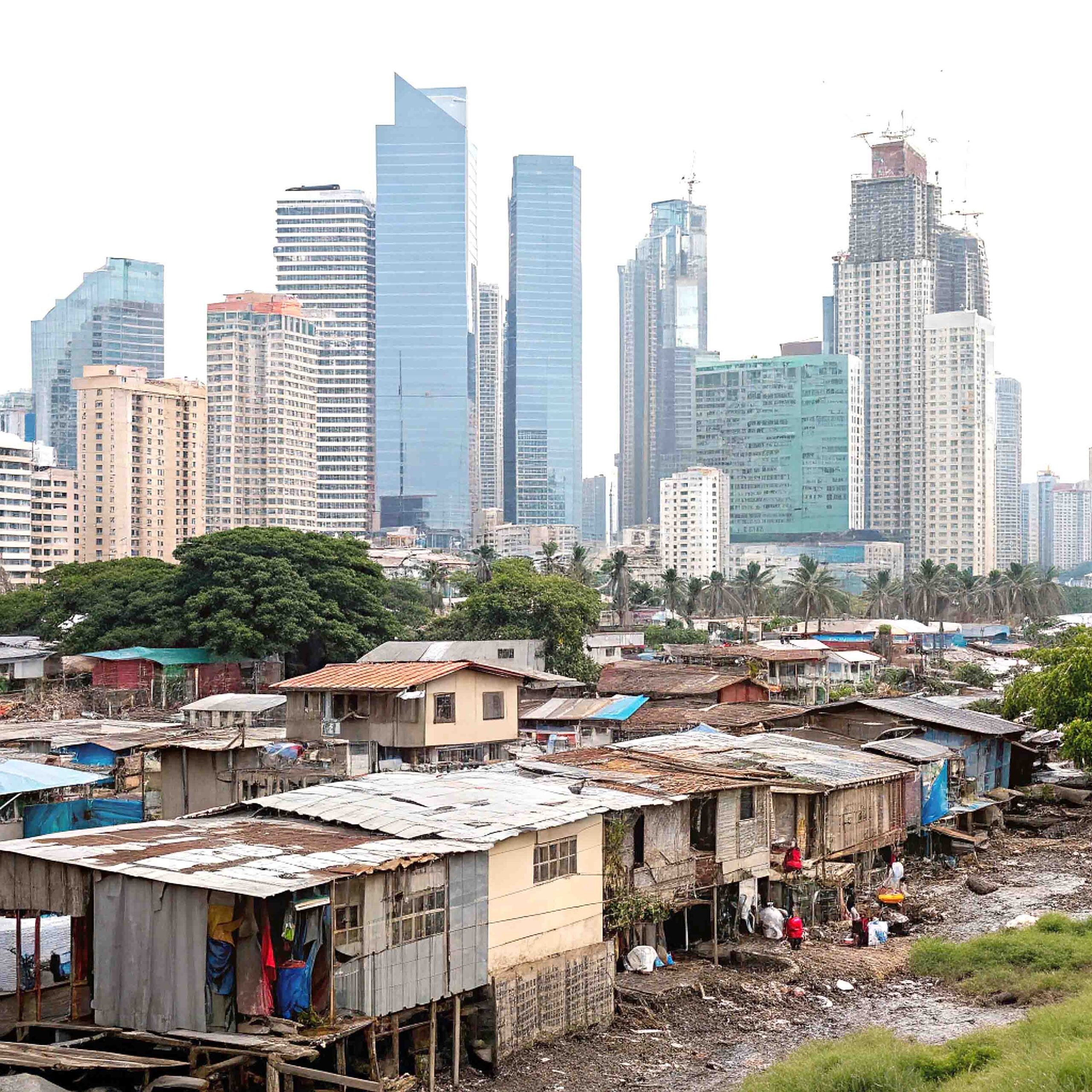
Integrity Becomes Especially Important During Elections. Many Filipino families face difficult economic realities. For those struggling to provide food, medicine, or school expenses, short-term assistance offered during campaigns can seem like a practical necessity. It is easy for observers to judge such decisions, but doing so often ignores the hardships many citizens endure.
Because poverty can narrow people’s choices, the long-term solution is not to blame struggling voters but to create conditions in which they are free to vote according to conscience rather than immediate need. This requires stronger institutions, better economic opportunities, and civic education that empowers citizens to see themselves not as clients of politicians but as stewards of the nation’s future. A healthy democracy is sustained not merely by laws but by character.
OUR FILIPINO VALUES
Utang na loob, properly understood, reminds us to be grateful for the many people who contribute to our lives. Pakikipagkapwa-tao teaches us to recognize the dignity of every person. Hiya encourages humility and moral responsibility. These values are not obstacles to good governance but foundations for it when lived authentically.
Gratitude, however, should inspire service, not blind loyalty. Solidarity should strengthen communities, not political machines. Hiya should lead to accountability, not the concealment of wrongdoing. When these values are directed toward the common good, they become powerful antidotes to corruption.
According to Daniel Webster (1830): “The people’s government, made for the people, made by the people, and answerable to the people.” We get the government we deserve and I think of the kind of president, vice president, senators, congressmen, governors, and mayors we elect. Governments do not emerge in isolation, since they grow from the values, expectations, and habits present within the Filipino soul.
Our faith offers an even deeper perspective. Catholic Social Teaching reminds us that political participation is not merely a right but a moral responsibility. Voting, advocating, and holding leaders accountable are forms of love for neighbor because public decisions affect the lives of millions. Every citizen contributes, in some measure, to the moral direction of society.
The Philippines Is Not Destined to Remain Trapped by Corruption. History shows that societies can change when citizens commit themselves to the difficult work of renewal. Such change rarely happens overnight. It begins in families that teach honesty, in schools that form conscience, in churches that promote social responsibility, and in communities that refuse to normalize wrongdoing.
I refuse to be discouraged. The CPI ranking should therefore be seen as an exceptional challenge. It reminds us that there is still much work to do, but it also reminds us that the future remains open. Every election, every civic initiative, every effort to strengthen institutions is an opportunity to move closer to the society we hope to become. The government we need will not arrive by accident. It will emerge from the values we teach, the choices we make, and the future we cultivate together.