
It is a profound, aching sadness that defines our situation. We are a nation that prides itself on being the bastion of Catholicism in the East, yet we are a nation where a million women every year undergo a procedure that our laws say doesn’t happen and our faith says is a mortal sin.
Most of Asia has made its peace with abortion. China, Vietnam, and India use it as a tool for population control. Only three countries in the region hold the line of total illegality: Iraq, Laos, and the Philippines.
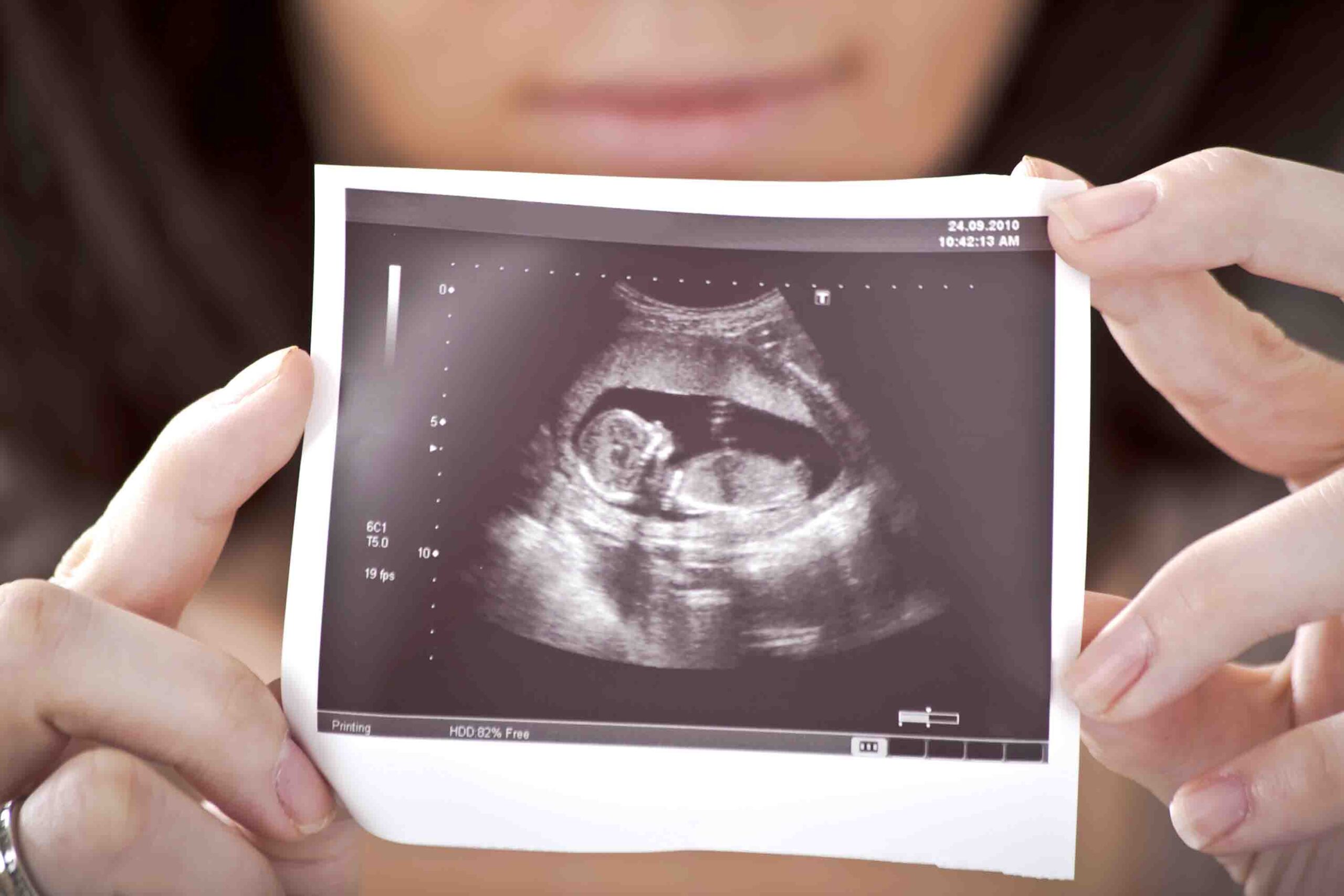
The World Health Organization estimates that 1,000,000 abortions happen here annually. It’s a massacre of the nameless. A hundred thousand women end up in hospital beds every year because something went wrong in a back alley or a cramped kitchen.
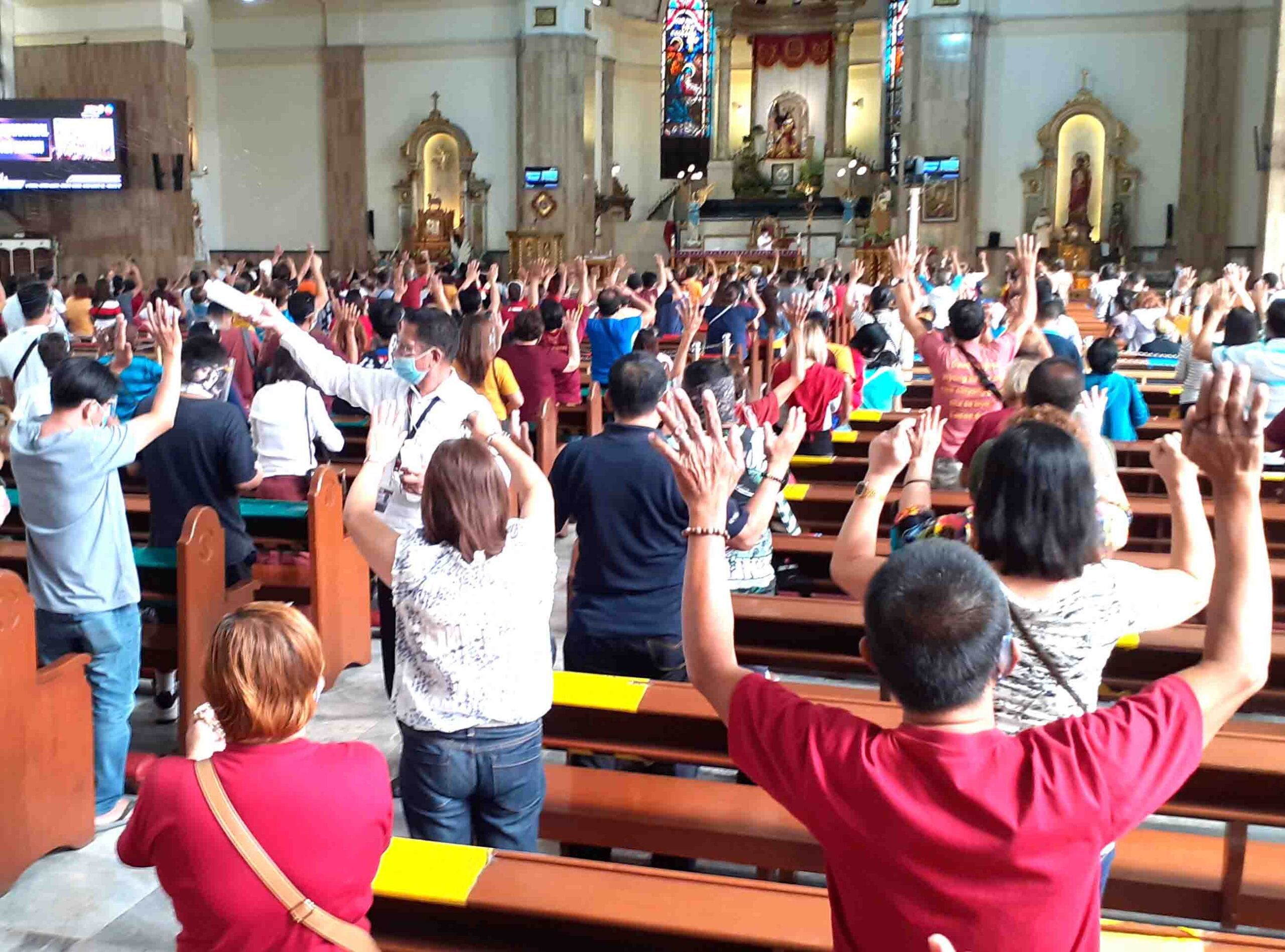
Stand in the shadow of the Minor Basilica of the Black Nazarene. You’ll find vendors selling candles and rosaries, and just inches away, they’re peddling bitter herbal concoctions (like makabuhay) and secret pills to “bring back the period.” This is where our faith meets our failure.
BLEEDING IN SILENCE
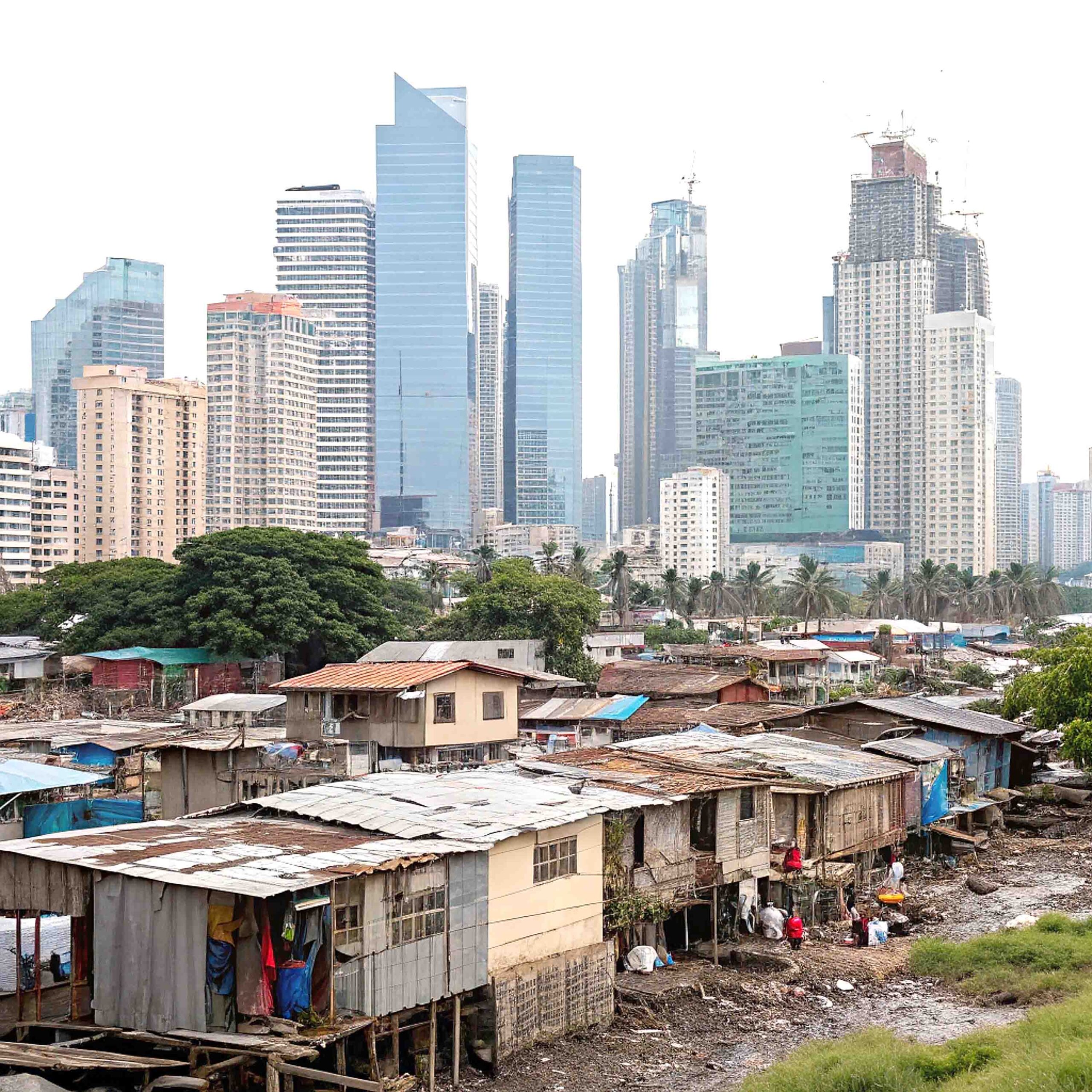
Four out of five women seeking abortions do so because they are poor. They aren’t trying to “find themselves” or advance a career; they are trying to figure out how to feed the five children they already have. For 10,000 pesos, a doctor might help you in secret. But for the woman washing clothes for pennies, 10,000 pesos is a fortune. So, she drinks the bitter herbs. She takes the risk. She bleeds in silence.
In the United States, the “Marble Palace”–the Supreme Court–is a battlefield. When the draft opinion to overturn Roe v. Wade leaked, the world shook. We saw images of students praying the rosary while protesters screamed for justice.
Then you have President Joe Biden, a Catholic who defended the right to choose, clashing with the very foundations of his faith. He once argued that no religion has a monopoly on defining when life begins. It’s a clean, intellectual argument for the cameras.
Even if more and more people “strongly agree” with legalizing abortion, that profound shift in our attitudes cannot change the evil of abortion. Evil cannot become good just because the majority accepts it.
The teachings of Jesus weren’t put to a majority vote. The dignity of a human life from the moment of conception isn’t a “conservative opinion.” It’s a revealed truth. When the Church stands alone against the “prevailing breeze,” she isn’t being stubborn; she’s being a lighthouse.
We are told that evil becomes good if enough people agree to it. It doesn’t. Abortion is a “horrendous crime,” as our Mother Church teaches, but it is also a source of unimaginable personal grief.
For centuries, abortion carried the weight of automatic excommunication. But Pope Francis, seeing the wreckage of the modern world, did something beautiful and heartbreaking. At the end of the Jubilee of Mercy in 2015, he altered Canon Law and bestowed a permanent faculty to priests to forgive abortion in the Sacrament of Reconciliation.
Why? A woman who procured abortion “cries for years without having the courage to go see a priest … Do you have any idea the number of people who can finally breathe?” the Holy Father asked, adding how important it is to find the Lord’s forgiveness.
TRAGEDIES
Joseph Stalin once famously said that a single death is a tragedy, but a million deaths are just a statistic. Since 1973, the U.S. has recorded over 50 million “tragedies.” Globally, the numbers are so high they lose their meaning. We stop seeing babies and start seeing data points.
In the Philippines, we pretend we are a “pro-life” nation while 1,000,000 women a year are driven by desperation to the brink of death.
It is provocative to say, but true: Our pro-life stance is only an advertisement if it only exists on paper and not in the way we care for the poor. We are a nation of 110 million people, where the most vulnerable are forced to choose between a sin and starvation.
The sadness is not just in the loss of the unborn. It is in the silence. The silence of the poor women. The silence of the vendors in Quiapo. And the silence of a Church and a State that haven’t yet figured out how to love the mother as much as they claim to love the child. Until we bridge that gap, our “Catholicism” is just a beautiful mask on a weeping face.
A million deaths are not a statistic. They are a million empty chairs. A million unplayed songs. And for a very Catholic Philippines, they are a million reasons to weep.
José Mario Bautista Maximiano is the author of the book Citizen’s Guide Vs. Corruption (Claretian Publications, 2026) and three-volume series on 500 Years of Christianity in the Philippines (Claretian Publications, 2021). Email: jomaximiano@gmail.com