
A TESTIMONY
My name is Amir (a pseudonym for security reasons). I am 40 years old, and I come from the Gilan region in northern Iran. I was a philosophy teacher before arriving in France in 2020. I was born into a Shia Muslim family, but I have always felt a deep love for Jesus Christ. Even as a young man, I showed a keen interest in learning more about different religions. After completing my university studies, I deepened my knowledge of theology and Christian traditions. At the age of 25, I began learning the catechism at the Chaldean Church in Tehran, with the French priest Father Humblot, but the political situation in the country meant I could only be baptized five years later.
[Pierre Humblot was a spiritual leader to many Iranians who had converted to Christianity. He discovered his vocation in 1958 whilst serving in the Moroccan military as a nurse at a leprosarium in Casablanca. Humblot trained at the Prado Seminary in Lyon and, in 1962, was ordained a priest in Lebanon. In 1969, he was sent to Iran at the request of the Archbishop of the Assyrian-Chaldean Church of Tehran, Youhannan Semaaan Issayi, and adopted the Chaldean rite. From 1970 to 1971, he learnt the Persian language and discovered Shi’ite theology. In 1978–1979, he became director of the Saint-Jean Centre for Adult Evangelization in Persia and immediately began translating various Christian works into Persian, including the Bible.
With the Islamic Revolution, he became a paramedic and thus gained Iranian citizenship, which enabled him to escape the purge of 85% of foreign missionaries ordered by the revolutionaries. Until the year 2000, Humblot continued his evangelization work amongst a growing number of converts, but in 2010 he was advised by the new Chaldean archbishop, Ramzi Garmou, to leave the country because he was in danger. The Centre Saint-Jean premises were permanently closed, raided and ransacked by the secret services. Father Humblot then began carrying out his mission in France, continuing to minister to Iranians of Persian culture who, within the Chaldean Church, “is seeking alternatives, as they no longer accept the teachings of the mosque and the religion imposed by the police.”]
UNDERGROUND HOUSE CHURCHES
I know the reality of the ‘underground house churches’ all too well from personal experience. We had a group that, for several years, was under surveillance by the religious police and, as a result, was constantly changing its meeting place. Since we could not attend Mass, we would usually get together to talk about our faith.
In 2017, during a Sunday gathering of these believers in a public park in Tehran, plainclothes police officers–more specifically, members of the Iranian secret service–arrested me along with other members of the group. Due to my conversion to Catholicism, I was accused of undermining national security for allegedly having collaborated in the creation of a group considered hostile to the [Islamic] Republic.
SOLITARY CONFINEMENT
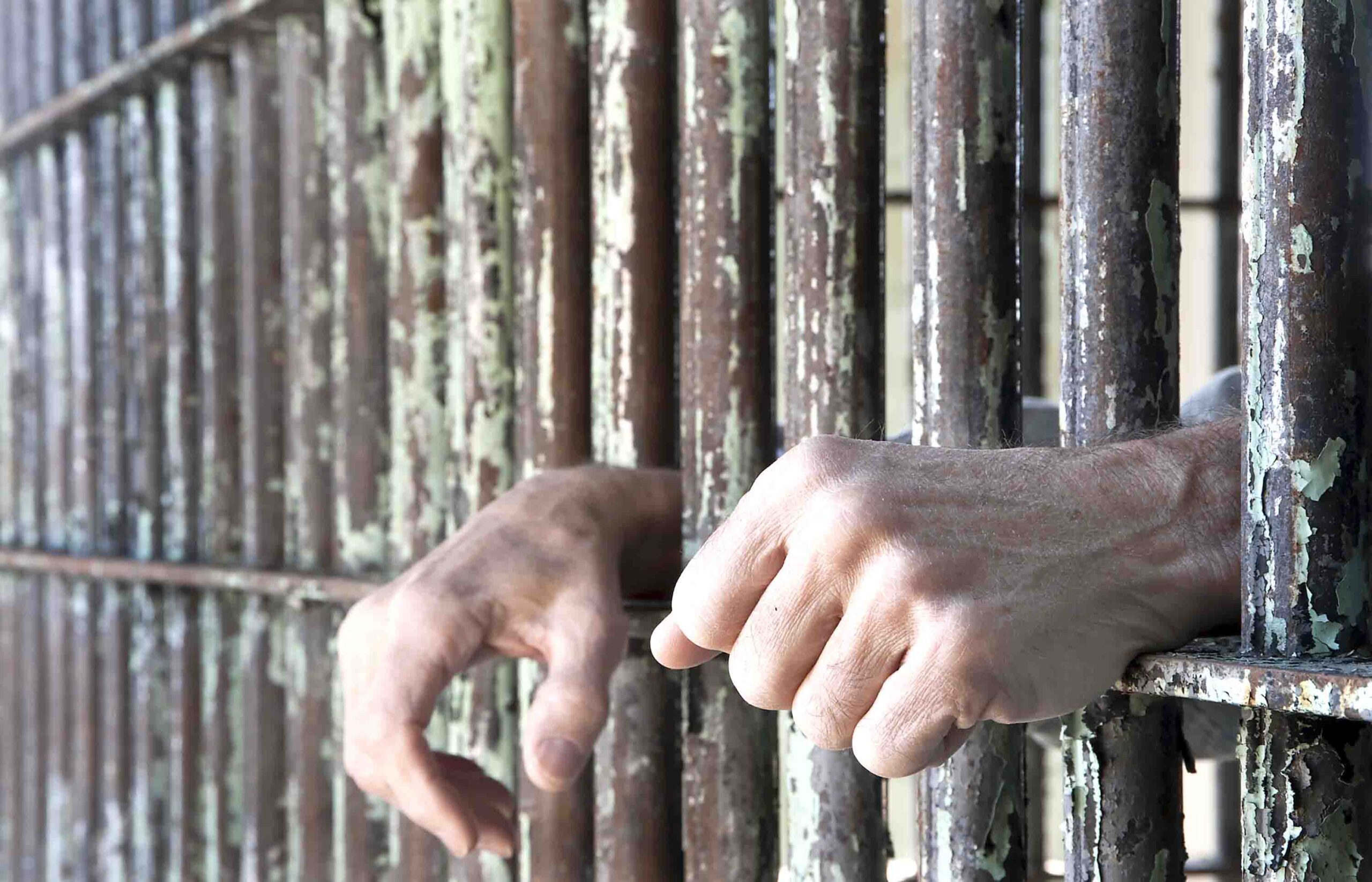
I was held in solitary confinement in a maximum-security wing of Evin Prison, in northern Tehran. I was subjected to ill-treatment and, above all, psychological pressure. The guards used my conversion as a means of intimidation, particularly against my family and friends, some of whom were unaware that I had converted.
Two months later, because my sister-in-law agreed to mortgage part of her house, I was released on bail. I was forbidden from contacting my Christian friends and even my academic colleagues. Aware that I would face an even harsher sentence and that I would be unable to do anything, under the constant threat of being arrested again–I was no longer even allowed to practice my profession, as the regime had banned me from working in the fields of Philosophy and Literature –I finally took the painful decision to leave Iran.
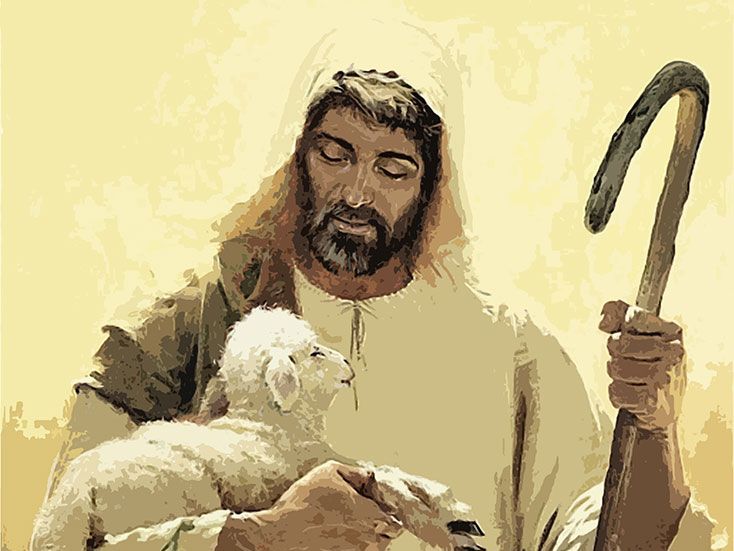
My story of faith is one of a genuine encounter with Jesus Christ, the experience of being loved by Him despite everything. My Catholic faith has deepened and given concrete form to this encounter in the mystery of the sacraments, particularly in the Eucharist, where I feel the presence of the Lord and His love for all the least among us.
I am unable to provide specific figures on the number of conversions in Iran. But it is certain that a Christian movement has developed within the political and cultural context following the Islamic Revolution [of 1979]. Personally, without exaggeration, I believe that, following the liberation of Iran, the Church could play a significant historical role in society.
My family and friends still live in Iran. And, like all Iranians, they are going through very difficult times, torn between concern and hope for the future. For many, the most important thing is the future of their country. And I, like my compatriots, long for the end of this regime which brutally represses the population. I pray that Iran may regain freedom, justice and peace, and that the Iranian people may build a dignified future, free from violence and oppression.