A TESTIMONY
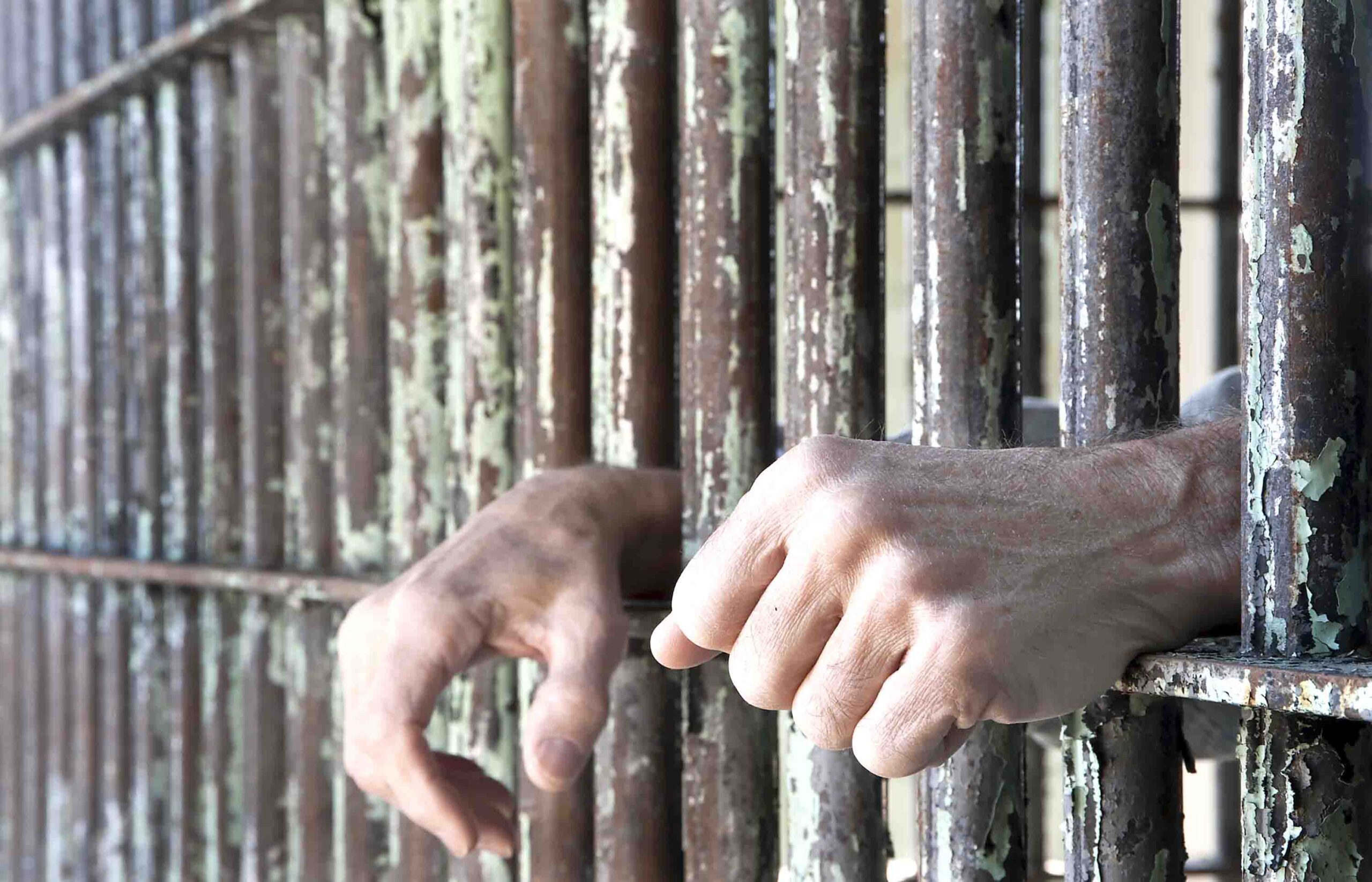
I am Ali (a pseudonym for security reasons), a young Iranian man from the Tehran area. I sought asylum in France because I have felt fear and anxiety ever since I learned that, due to my religious beliefs, I risk being sentenced to death by hanging on charges such as “promoting Christianity” and “offending the Supreme Leader of the Islamic Republic and the Prophet.”
[In Iran, a country where Shi’ite Islam predominates, a sect that has been marginalized by the majority of world Muslims who have followed Sunni orthodoxy, those who convert to Christianity are persecuted as murtab (apostates) or mohareb (enemies of God), because abandoning faith is viewed not only as a heretical spiritual shift, but as an act of rebellion aimed at weakening the regime.]
I come from a very devout and practicing family. I was introduced to Islam and forced to practice it from childhood. My 21 months of mandatory military service in 2019 definitely distanced me from Islam, its restrictions, limitations, and punishments.
After this period, I began my professional life in partnership with a friend from our teenage years, whom I will identify only as A. We opened a commercial office for sales and distribution. A. and his family are Catholic, and it was through our daily interactions that I discovered Catholicism, its customs, and traditions.
Since approximately 50% of our customers were also Christians, I was impressed by their kindness, friendliness, and honesty, which was not always the case among the Muslims in my circle. That is how I began to feel drawn to Christianity, which brought me the peace and inner well-being that Islam never offered me.
We were stopped several times by the “morality police” while we were distributing materials. [Officially known as Ghast-e Ershad or the Guidance Patrols, the “morality police” are the ones who enforce, for example, the compulsory wearing of the veil by women. As of May 2026, the Gasht-e Ershad remains in place, though it operates alongside new, more intense measures to enforce mandatory hijab laws. Reports from early 2026 indicate a brutal and coordinated crackdown on women’s rights and a broader campaign against dissidents. While the administration of President Masoud Pezeshkian has sometimes offered rhetoric suggesting a softer approach, the Supreme Leader has continued to insist on the enforcement of the hijab.] The officers would destroy our materials right there on the ground, in front of us. They would assault us and then leave. They said our materials did not comply with Islamic law.
CONVERSION TO CATHOLICISM
I converted fully to Catholicism. At our office, we would gather several nights a week with other friends to talk about the life of Jesus and the Christian faith. One of our most devout Muslim neighbors took issue with our business because the goods we sold are not permitted [by the regime]. This neighbor kept a constant watch on us and noticed changes in me.
One day, he noticed the cross I wore around my neck [which isn’t even prohibited in Iran, unlike in countries such as Afghanistan or Saudi Arabia]. He slapped me in the elevator, spat on me, and called me impure. To him, the products I sold were impure, and my blood was now also haram because I had renounced Islam. We discovered that the neighbor was a member of the Basij at the mosque in our neighborhood.
[Established in 1979 and initially used as “cannon fodder” in the mined battle lines of the 1980-1988 war with Iraq, the Basij-e Mostazafan is a fearsome militia made of men, women, and children (ages 12 and older). Subordinated to the Revolutionary Guards–the cornerstone of the regime, who are now more powerful than the clergy (mullahs)–, their primary function is internal security, the suppression of protests, and the enforcement of Islamic morality. Their loyalty is rewarded by the military commanders who control the economy with access to housing, university education, and jobs in the public and private sectors.]
In 2024, the Iranian authorities admitted that 79% of [the Basij] ‘resistance bases’ are located in mosques. According to opponents of the regime, these are used as ‘recruitment centers, neighborhood surveillance posts, centers for the suppression of protests, and detention and torture centers. Such incidents did not discourage me. We continued our professional activities and our meetings on Christian topics. I regularly invited new friends to join us.
I arrived in France on a tourist visa, accompanied by my grandmother, who needed help to celebrate the Persian New Year [or Nowruz] at an aunt’s house. Shortly thereafter, my father, who remained in Iran, informed me that our offices had been sealed by the authorities, with a notice reading: Closed for promoting Christianity.
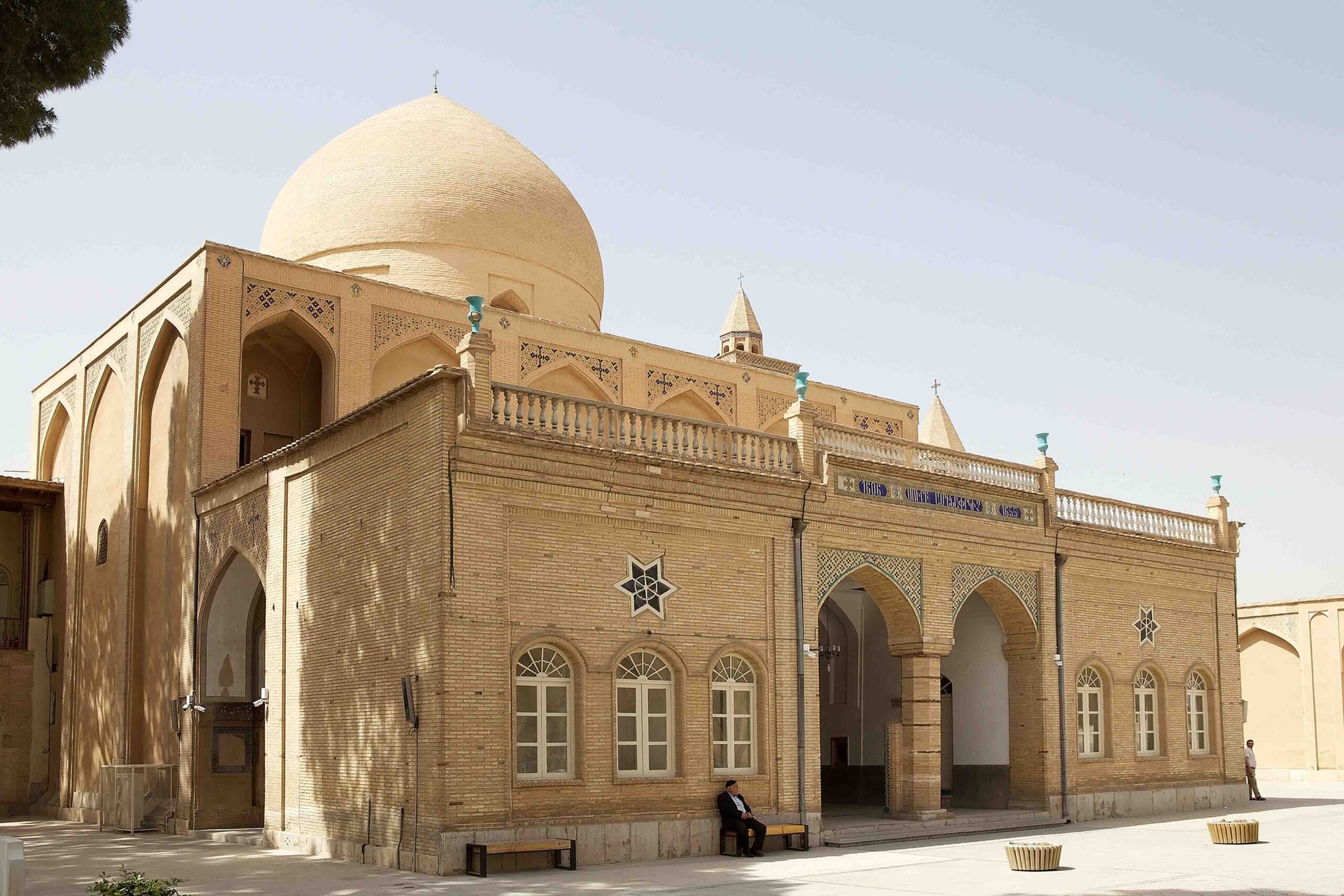
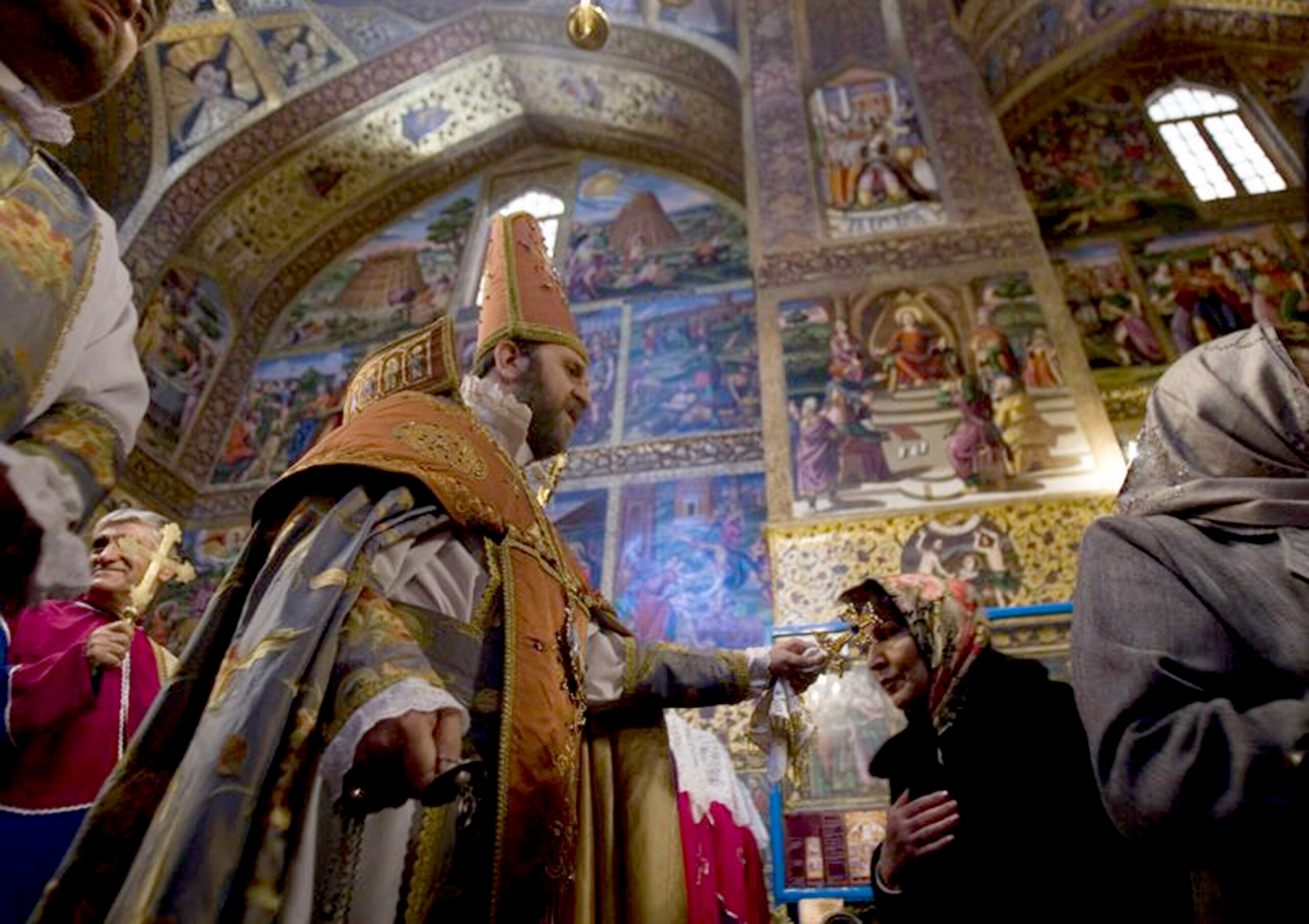
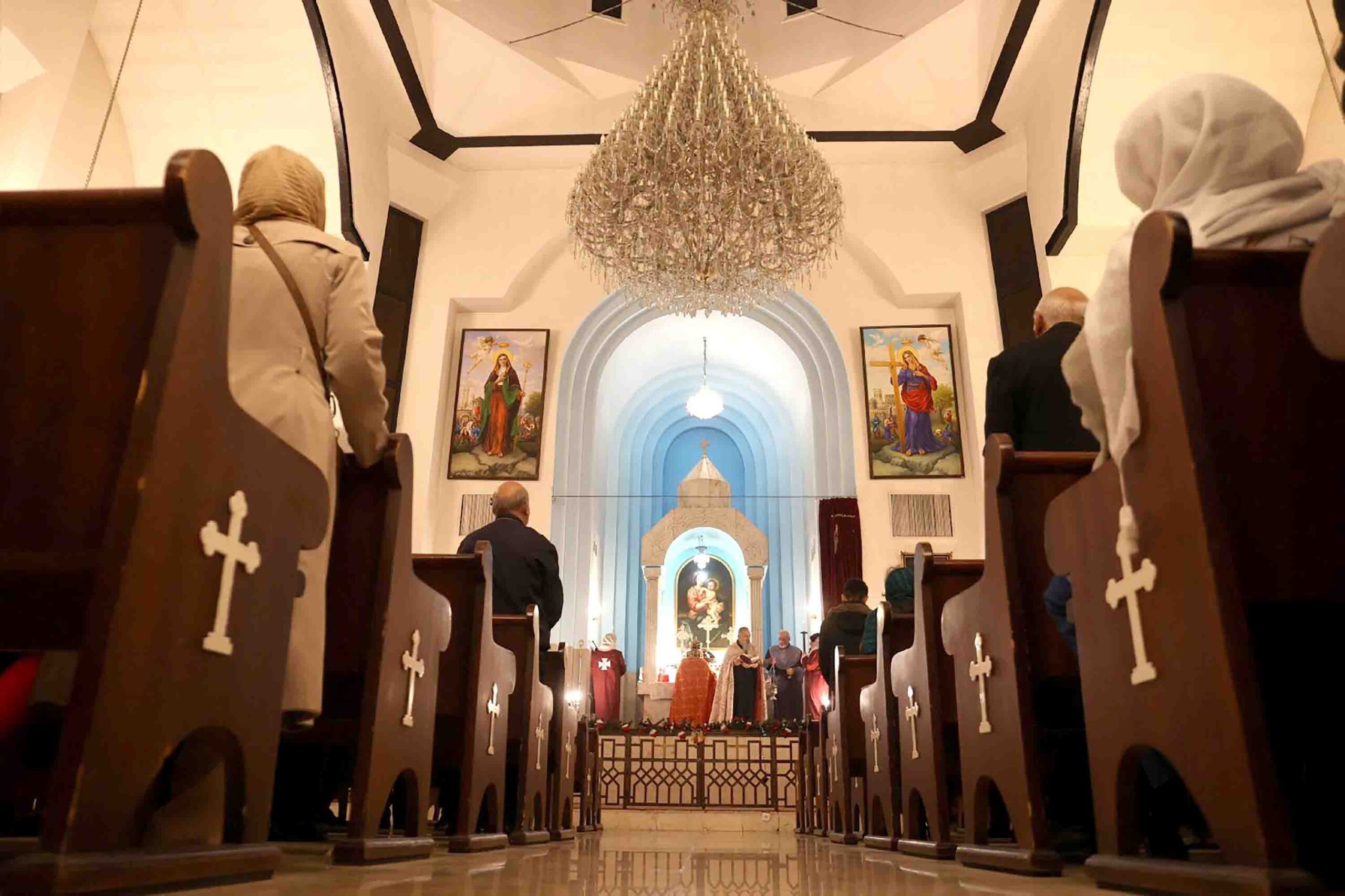
My friend A. has nothing to fear because he belongs to an ancient ethnic Christian minority that is officially recognized. [Armenian Orthodox or Assyrian-Chaldean and Latin Rite Catholics are allowed to practice their faith and keep their schools and churches open–but only to their members.] Changing one’s religion and renouncing Islam is apostasy. For those convicted, the sentence is death.
My neighbor asked my father several times about my whereabouts. We believe he was responsible for the store’s closure. In France, I now have refugee status.