
Today, in Iran, the word that best describes the state of mind of its citizens is perhaps duzakh–‘hell’. For while in January they suffered “the worst massacre” since the 1979 Islamic Revolution, since March they have been facing what Pope Leo XIV described as an “immoral war”, unleashed by the U.S. while negotiations for a nuclear agreement were underway.
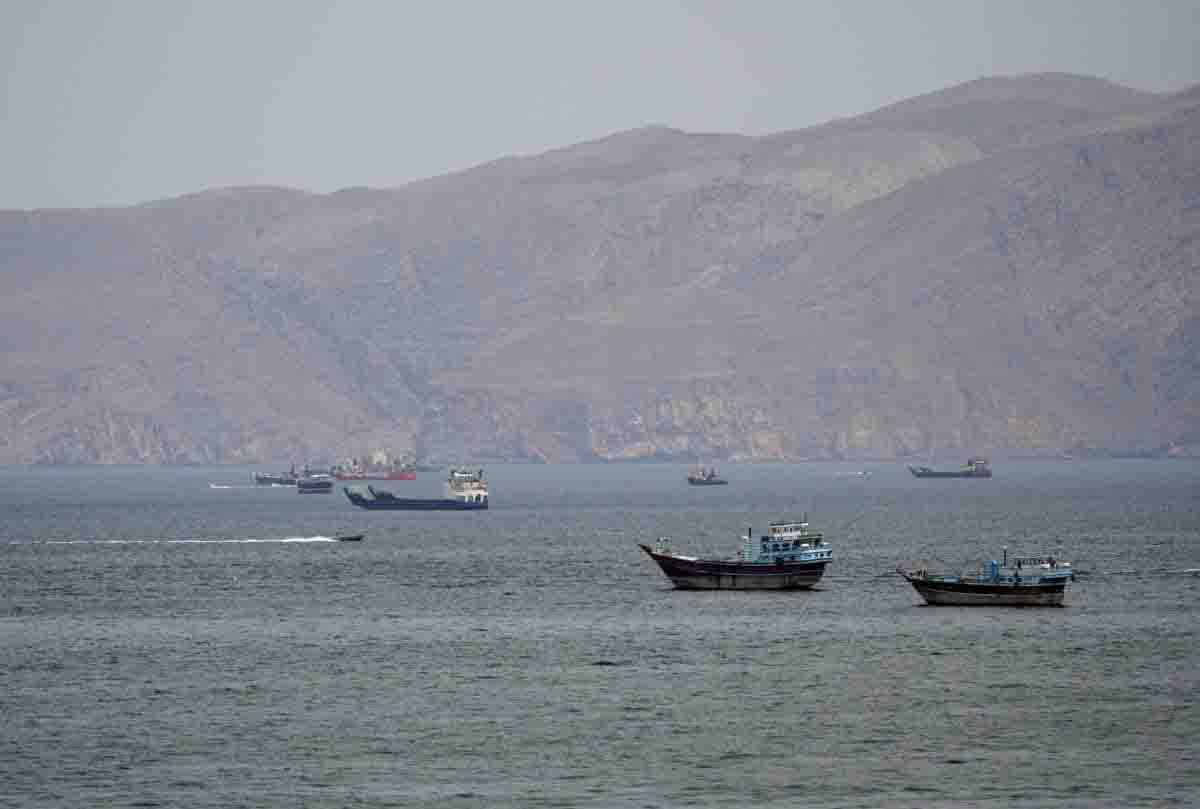
The war, which has spread to Israel (an active participant), Lebanon and the Arab monarchies of the Persian Gulf, has left the world on the brink of an economic recession due to the closure of the strategic Strait of Hormuz. A ceasefire declared in April is fragile, and a peace deal does not seem possible in the short term, given the level of mutual distrust between the warring parties.
Iranians are divided over an armed conflict which, in one month, has killed nearly 4,000 people and left more than two million unemployed due to the destruction of infrastructures such as hospitals and schools, roads and bridges, water, oil and gas installations. The overall majority want the overthrow of an oppressive and corrupt theocracy that, in just two days in January, killed between 30,000 and 45,000 protesters during peaceful demonstrations. But there is also a majority who oppose a foreign intervention that is making the regime even stronger and more brutal. They pray for democracy, freedom, and peace.
Among the victims of the repression–and now the war–are “numerous Christians”, asserts Fred Petrossian, an Iranian-Armenian journalist and researcher, forced into exile in Europe “out of necessity, not by choice”, to escape a “totalitarian ideology” which, since 1979, has subjected minorities to a system of “institutionalized discrimination”, a “religious apartheid”.
In Iran, explains Petrossian, Christians are generally divided into two groups: ‘ethnic Christians’–mainly Armenians and Assyrians (a group that includes the Chaldeans, Catholics loyal to Rome). Unlike converts to Christianity, they have churches, community institutions and reserved seats in Parliament. But this recognition ‘does not mean equality’, as they are denied various rights, such as the right to inheritance, or employment rights, such as access to jobs in the civil service.
“The demographic data is revealing,” Petrossian points out. “Religious minorities have suffered a sharp decline in numbers; it is estimated that Armenians alone now number just a fifth of [300,000, when Khomeini overthrew the monarchy]. And this decline is no accident.”
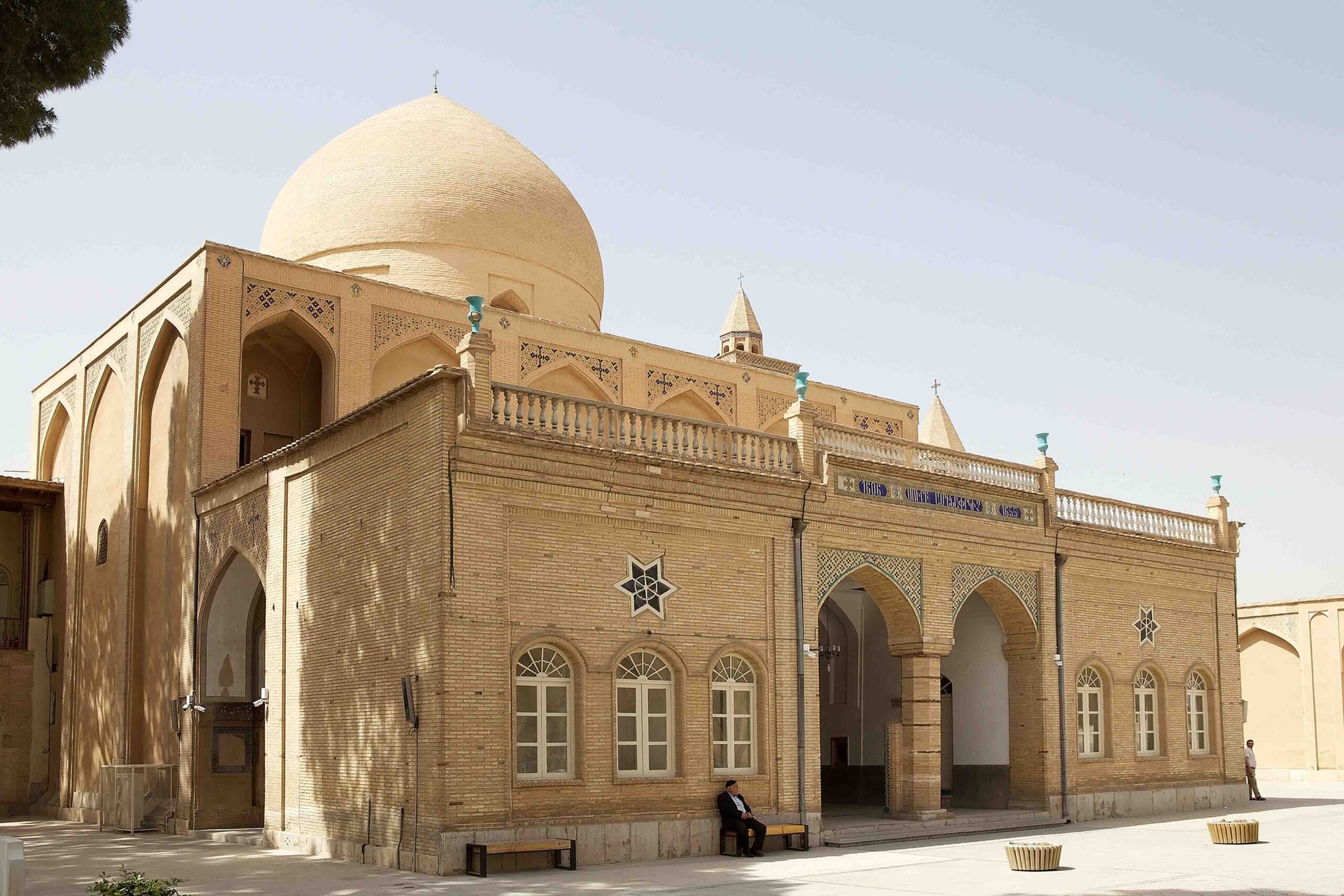
When it feels cornered, the regime resorts to propaganda. In November of last year, it inaugurated the Maryam-e Moghaddas (Holy Virgin Mary) metro station, across from St. Sarkis Cathedral, the largest Armenian church in Tehran. On display there are a relief of Christ walking on water, a prominent portrait of Mary praying among flowers, and a plaque inscribed with the words: “Jesus’ message is one of saving humanity from darkness, ignorance, corruption, depravity, and discrimination.”
The work was presented by state media as a “symbol of cultural coexistence,” because Mary is also venerated in Islam, but Christians like Petrossian–who risk execution if they convert to Islam or arrest if security forces find a Persian Bible in their possession–view it as an attempt to “project an image of tolerance that does not reflect reality.”
MORE CONVERSIONS
“The Islamic Republic’s monopoly on religious discourse, coupled with decades of brutal repression […] has created a kind of ‘daily hell’ for the Iranian people,” Petrossian charges. A country that could be immensely wealthy faces power outages and one of the worst water crises in its history, with 80% of reservoirs empty, as well as hyperinflation and systemic corruption–this was the driving force behind the nationwide protests in December of last year, which mobilized even the bazaar merchants who had financed Khomeini’s rise to power.
The authorities blame international sanctions, imposed and constantly tightened over the past 47 years, but the Iranian-Armenian activist warns that the sanctions have also enriched many elements of the regime. “It is fair to say that the Islamic Republic has become a mafia in its own right.”
In this context, Christianity “offers Iranians more than just a belief system,” says the former online editor of Radio Free Europe’s Persian service. “For many, it represents a moral framework with a worldview that appeals to converts, and they are willing to sacrifice themselves for their faith.” Mosques, on the other hand, “are increasingly being used as detention and torture centers, which further degrades their sacred value.”
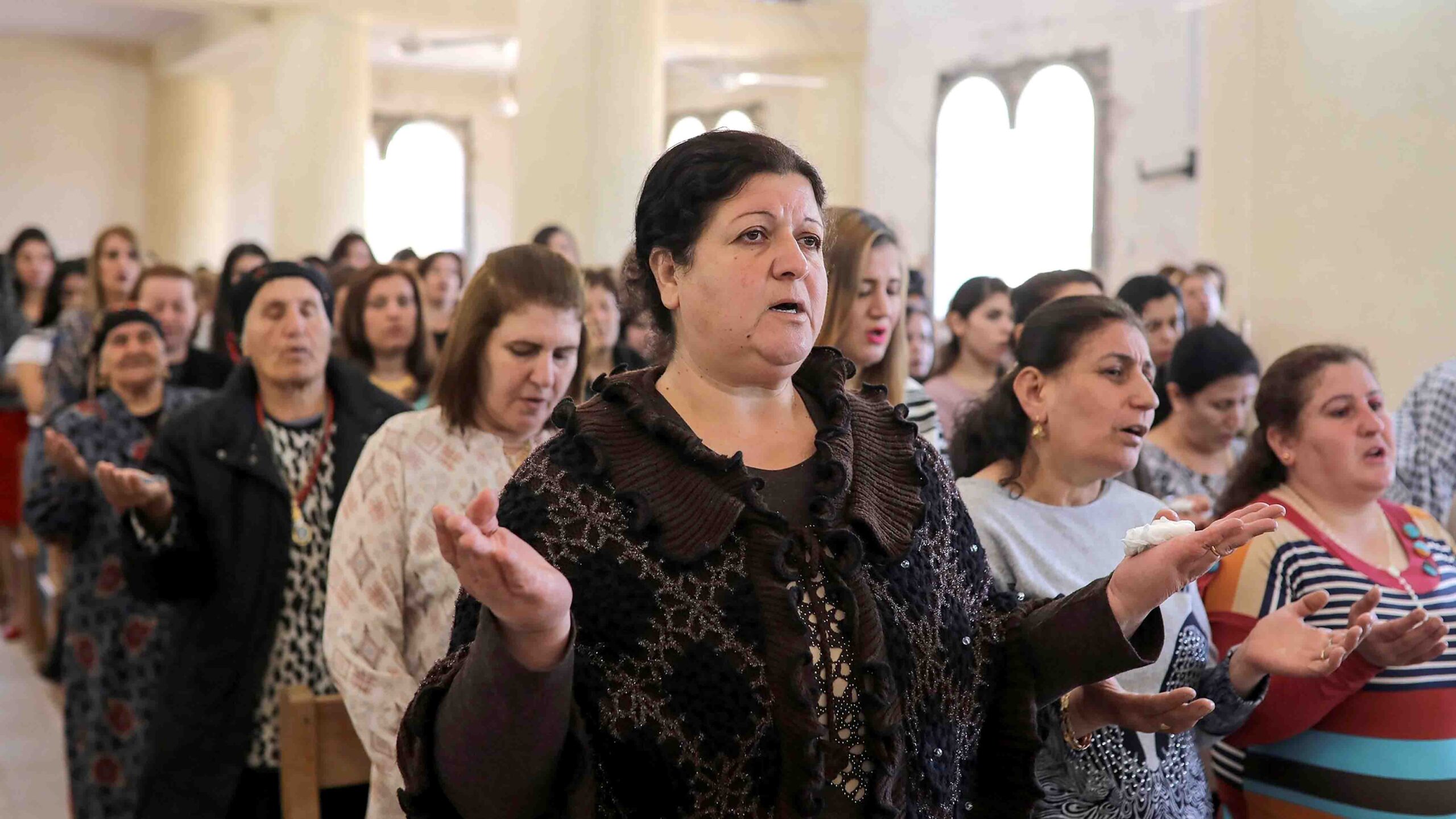
“Converts now constitute the largest Christian community in Iran, having grown from a few hundred before 1979 to hundreds of thousands and, according to some estimates, more than a million,” Petrossian notes. “They are not, however, legally recognized. Their churches operate in homes that are routinely raided” and reported by neighbors.
Arrests continue from north to south across the country, in large cities and small villages, which, in Petrossian’s view, “demonstrates how Christianity is spreading throughout the country.” Many of the converts are young people and women, and women play a key role in organizing and leading “underground house churches.”
WAITING FOR A REVIVAL?
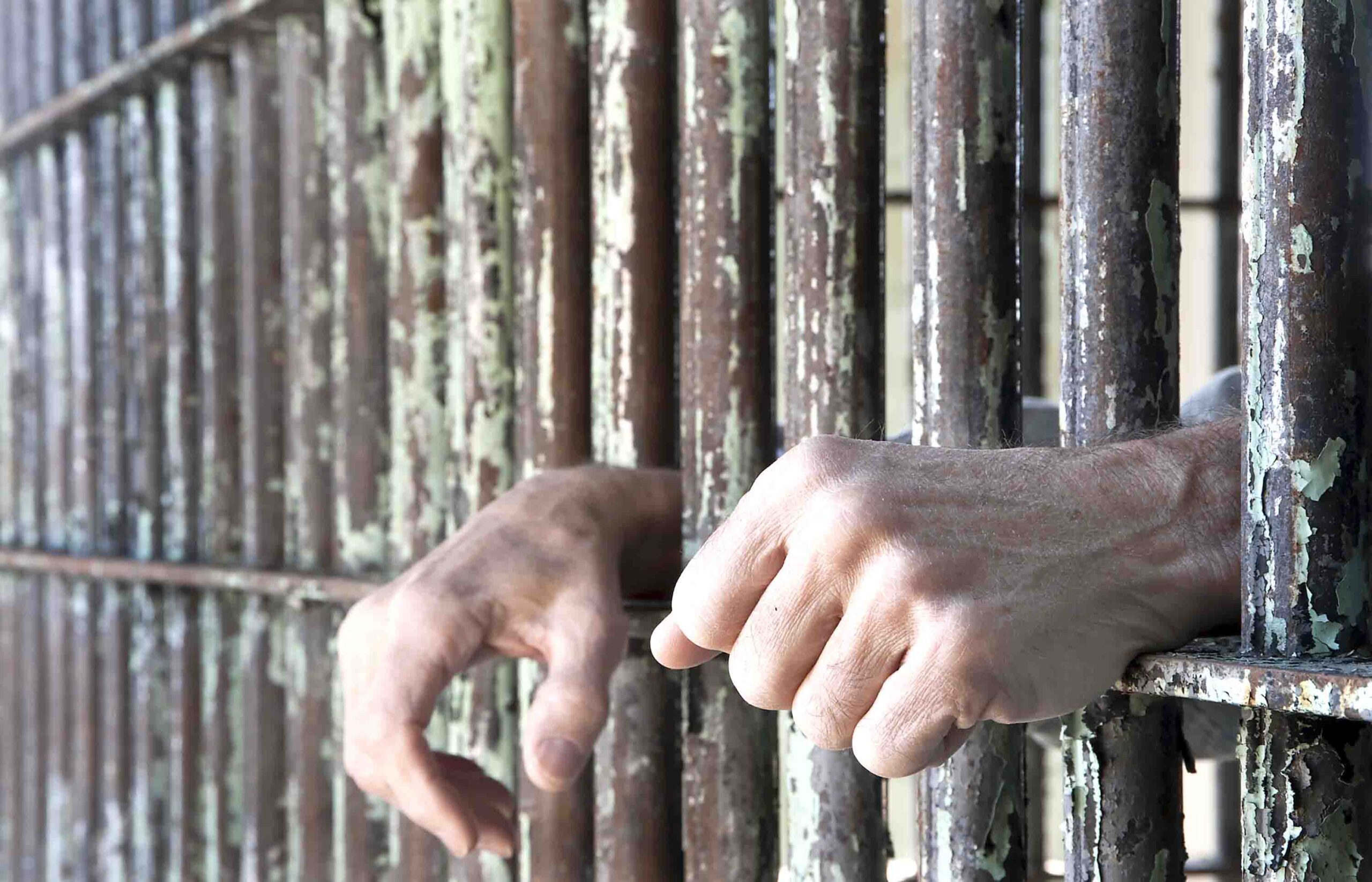
How many people profess Christianity in a country with a population of nearly 93 million? “There are the official statistics and then there are the others,” says Jean-Marie Humeau, a priest of the Diocese of Pontoise and episcopal vicar of the Ordinariate of Catholics of the Eastern Churches Residing in France–responsible for welcoming Iranian converts. “Since conversion is strictly forbidden, under penalty of imprisonment, torture, or death, the exact number is unknown.”
Ramzi Garmou, the former Assyrian-Chaldean archbishop of Tehran, estimated that “there were between one and three million clandestine Christian converts,” Humeau notes. They are mostly Evangelicals and Pentecostals.
Under constant surveillance by security forces, Bishop Garmou was forced to sign a document prohibiting him from any form of evangelization among Muslims, who, in Iran and his native Iraq, are predominantly Shiite. According to the Swiss Catholic website cath.ch, he “was even summoned by the secret police, who warned him not to work with Persians, under penalty of being expelled from the country.”
“Only with written authorization from the Ministry of Culture and Islamic Guidance was he permitted to host Muslim students of the Christian faith in his home, because the law severely punishes proselytizing and apostasy.” The regime, cath.ch added, “is aware that there are more and more conversions to Christianity, influenced in part by religious television broadcasts from the United States.”
In Iran, the Chaldean and Latin communities loyal to the Bishop of Rome are tiny: “24,000 in total,” according to journalist Giuseppe Caffulli of the terrasanta.net portal, who, in 2025, estimated there to be “150,000 Armenian Christians (Apostolic, Catholic, and Evangelical), 30,000 Assyrians, and a handful of Orthodox Christians.”
THE “CHURCHES OF 0.…%”
Pope Francis gave priority to “churches of 0.…%” and, therefore, in 2021, appointed Dominique Joseph Mathieu to lead the Latin Catholic Archdiocese of Tehran-Isfahan (with six parishes and about 2,000 faithful). Three years later, he appointed him a cardinal–the first in a country where Christianity has existed, without interruption, for 2,000 years.
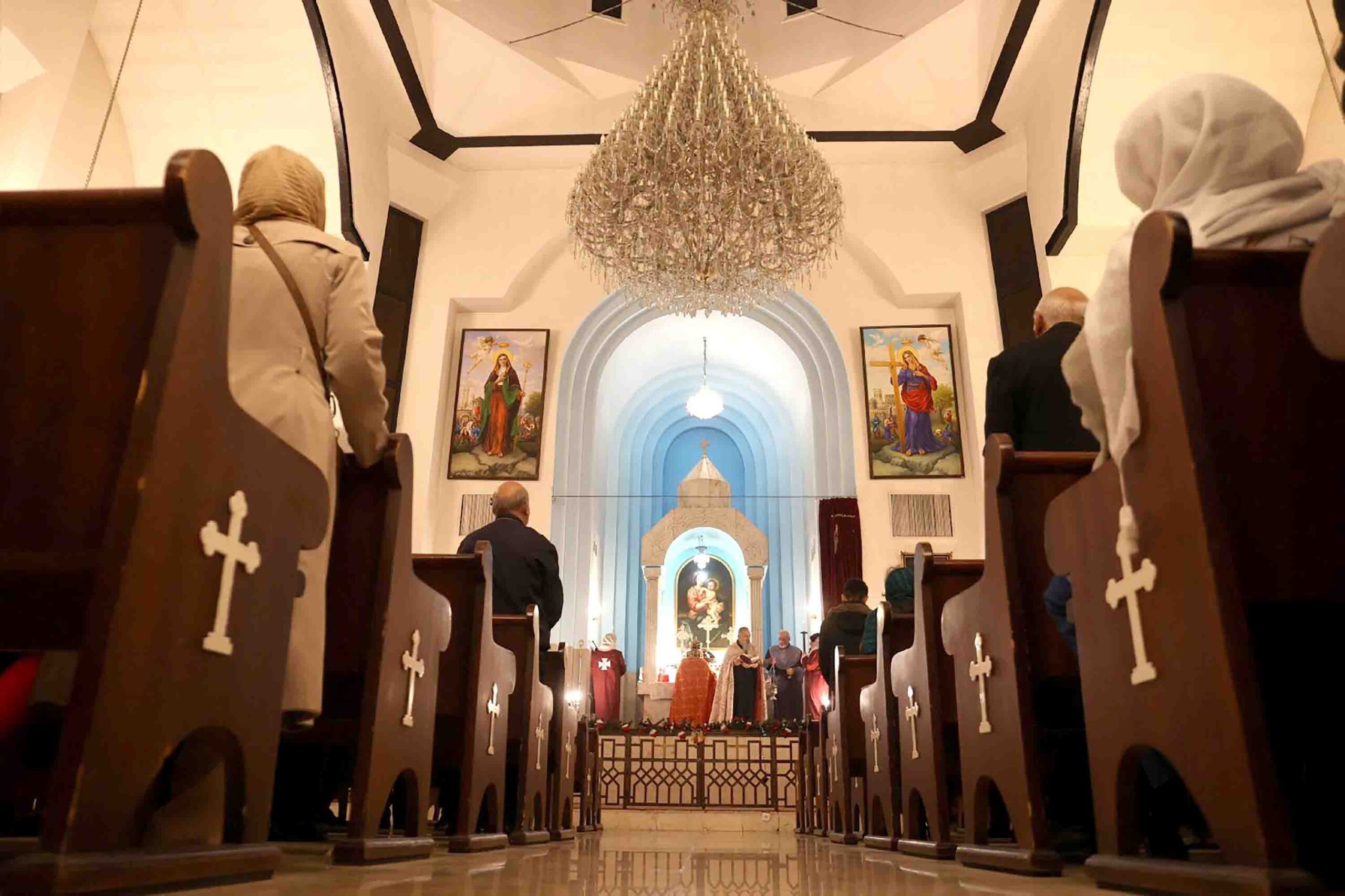
The reality is that, just like Ramzi Garmou’s mission, that of Dominique Joseph Mathieu–one of the cardinals in the conclave that elected Pope Leo XIV–is also not easy. In an interview with the EWTN News media network, the Belgian Franciscan said that “Catholics can only gather in churches recognized by the state, and only they are permitted to enter these places of prayer.” They may do so during regular religious services or during ceremonies that must be reported to the authorities in advance.
“Our doors exist and are open to these people [the believers], but they are closed to almost everyone else,” the cardinal admitted. “We, of the Latin rite, also keep our doors open to our brothers from the Armenian and Assyrian churches—they can enter, no problem, because we are not an ethnic church. We keep a door open, praying inside, hoping that one day, who knows, the door might be opened to others.”
“I am convinced–perhaps strengthened by the fact that I am a Franciscan–of the importance of our witness, which is not verbal,” emphasized Mathieu, alluding to the role of Christians in Iranian society. “We cannot proselytize, but that does not prevent us from living in society and bearing witness [to the faith].”
Unlike in Turkey, the cardinal told EWTN, Christians in Iran are free to wear their religious attire and a cross around their necks in public; for this reason, he left them a message: “Witness, prayer, a virtuous life, and working toward our sanctification are important, because in this way we will also truly be the leaven for [this] country. We can be the salt that gives life.”
“There is a great thirst for spirituality” among Iranian Catholics, believes Mathieu, whose circle is limited, including only, besides himself, the apostolic nuncio and the nuncio’s secretary. In 2024, when he spoke to EWTN News, there were no Latin Catholic bishops or priests in Iran, only five Sisters of Charity, two of whom had been working for many years at a leprosarium in the north of the country.